
In recent years, China's thermal printer industry has gained recognition as a leader in versatile solutions for global markets. The term "Impressora Térmica" has become synonymous with quality and innovation. According to a recent report by MarketsandMarkets, the thermal printer market is predicted to reach $5.5 billion by 2026, with a notable compound annual growth rate (CAGR) of 6.4%. This growth reflects the increasing demand for efficient printing solutions across various sectors.
Industry expert Dr. Li Wei, a renowned analyst in the printing technology field, emphasizes the importance of adaptability in this market. He states, "The Impressora Térmica’s versatility is what sets it apart in today's technological landscape." This adaptability is not just about hardware; it also involves software integration and user-friendly interfaces. Despite these advancements, there remains a challenge in addressing environmental concerns. Many companies are still working on sustainable practices to reduce waste produced by thermal printing.
As global buyers navigate options, they must consider not only performance but also the ecological impact. Understanding local market needs can lead to more responsible choices. The thermal printer sector is evolving, and buyers must stay informed to make effective decisions.
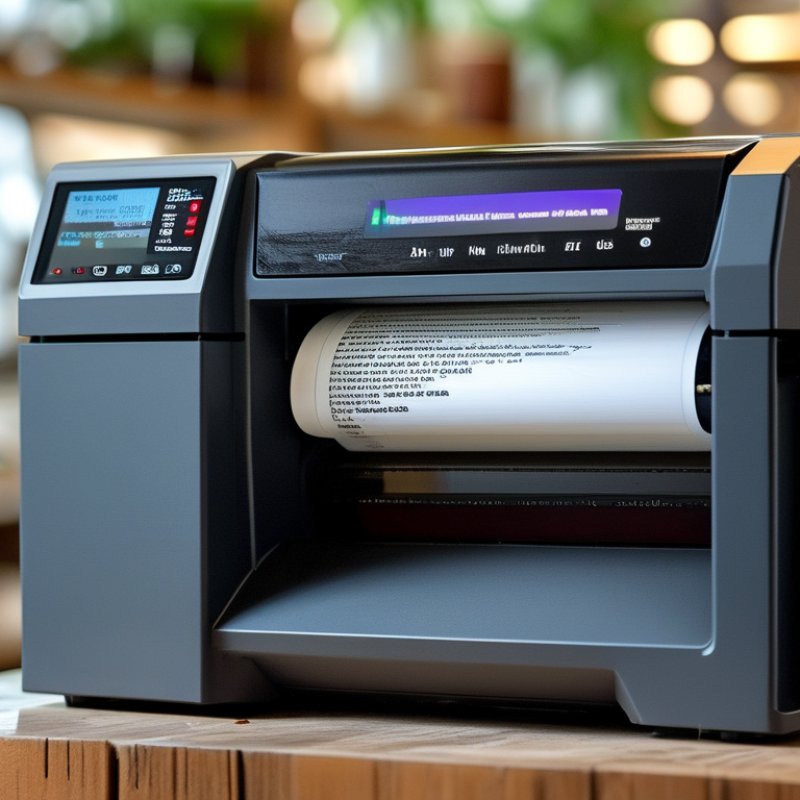
Thermal printing technology has transformed various industries by providing efficient and cost-effective solutions. This technology relies on heat to transfer ink to paper, often used for labels, receipts, and packaging. According to a recent market analysis, the global thermal printing market size was valued at over USD 40 billion in 2022 and is projected to grow at a CAGR of 4.2% during the next five years.
In retail, thermal printers enhance efficiency in the checkout process. They produce high-quality prints quickly, minimizing wait times. The low cost of thermal paper contributes to their popularity. However, issues related to print durability can arise, especially in environments exposed to humidity. This can lead to fading over time. Furthermore, some businesses may overlook the need for regular maintenance, impacting printer performance.
Moreover, healthcare facilities benefit from thermal printing for labeling and patient records. The precision of thermal prints supports medication safety and compliance. However, there remains a gap in data on how often these printers are replaced, potentially leading to outdated equipment that can hinder workflow efficiency. As industries continue to embrace thermal printing, understanding the balance between technology adoption and maintenance will be crucial for maximizing its potential.
When exploring thermal printers in China, several key features stand out. Compact design is one major factor. Many models are lightweight, allowing easy portability. Their robust build ensures durability and reliability, even in challenging environments. These printers excel in high-speed printing, delivering clear outputs rapidly. Quick processing time boosts efficiency for businesses that rely on these devices.
Another notable feature is versatile connectivity options. Users can connect via USB, Bluetooth, or Wi-Fi. This flexibility allows seamless integration with various devices. Many thermal printers also support multiple media types, catering to different needs. Users can print labels, receipts, and even barcodes effortlessly.
Some features may not meet every expectation. For instance, battery life can vary significantly among models. While some offer extended use, others may require frequent recharging. Additionally, the quality of printed materials is vital. In some cases, text clarity may decline under specific conditions. Users should assess these factors carefully to choose the right printer.
When exploring thermal printer solutions, interested buyers should focus on Chinese manufacturers who excel in quality and innovation. These firms are known for producing reliable, efficient, and cost-effective printers that cater to various industries. They leverage advanced technology to ensure durability and high performance.
Tips for buyers include thoroughly researching manufacturers. Look for companies with a track record of excellence and industry recognitions. Verification of product specifications can prevent disappointment. Additionally, consider customer support and warranty options, as these factors can enhance the overall experience.
Quality varies in the market. Not all manufacturers provide the same level of service or support. Identifying which features are essential for specific applications can also help buyers make informed choices. It’s crucial to balance price with quality. Sometimes lower prices reflect poorer craftsmanship. Aim for manufacturers who utilize sustainable practices, indicating a commitment to responsibility.
The demand for thermal printing solutions is on the rise globally. Various industries are embracing this technology for its efficiency and versatility. Retailers, for instance, rely on thermal printers for receipt generation and barcode labels. These printers are favored because they are fast and can produce high-quality prints.
One noticeable trend is the shift towards eco-friendly options. Buyers are looking for printers that minimize waste. This includes using fewer consumables and integrating energy-efficient features. Manufacturers are responding by innovating sustainable printing technologies. Yet, challenges remain. Some consumers are still hesitant about transitioning to newer models due to costs.
Additionally, the need for customization is increasing. Businesses want thermal printers that fit their specific needs. Features like wireless connectivity and mobile compatibility become essential. However, not all solutions meet these demands perfectly. Sellers need to carefully evaluate market needs and provide adequate support. This evolution reflects the dynamic nature of the thermal printing sector. It requires constant adaptation to remain relevant.
Selecting the right thermal printer for your business needs is crucial for operational efficiency. The global thermal printer market is projected to reach $4.51 billion by 2026, according to a recent industry report. Businesses need to consider several factors, including print quality, speed, and durability. An optimal choice can enhance productivity and reduce long-term costs.
In industries like retail and logistics, speed is essential. Many thermal printers can print labels in under a second. However, not all models meet high-volume demands. A business must evaluate whether a printer can handle peak periods without compromising on performance. Reliability is another key factor. Machines with lower failure rates save time and reduce maintenance costs. Investing in reliable technology can lead to fewer disruptions in operations.
It's also essential to consider connectivity options. Many printers now offer wireless capabilities. This can simplify setup and improve accessibility. However, businesses often overlook this feature during selection. Compatibility with existing software is equally critical. Choosing a printer that integrates seamlessly can prevent issues down the line. Balancing features with actual needs ensures businesses make wise investments, rather than simply opting for the latest technology.
| Model | Print Speed (mm/sec) | Max Print Width (mm) | Connectivity Options | Ideal For |
|---|---|---|---|---|
| Model A | 200 | 80 | USB, Ethernet | Retail, Logistics |
| Model B | 150 | 110 | Bluetooth, USB | Mobile Printing |
| Model C | 250 | 100 | Wi-Fi, USB | Warehouse, Shipping |
| Model D | 300 | 75 | USB, Serial | Healthcare, Ticketing |
: Thermal printing technology uses heat to transfer ink onto paper. It’s mainly used for labels and receipts.
Retail and healthcare industries are key beneficiaries. They use it for efficient checkout and patient labeling.
They produce high-quality prints quickly and reduce customer wait times. The low cost of thermal paper adds to their appeal.
Print durability can be problematic. Exposure to humidity may cause fading over time.
Regular maintenance is crucial. Neglecting it can adversely affect printer performance and print quality.
Notable features include compact design, high-speed printing, and versatile connectivity options like Bluetooth.
Multiple connectivity options streamline integration with various devices, enhancing user experience and flexibility.
Yes, battery life varies widely among models. Some require frequent recharging, which can disrupt workflow.
Users need to evaluate print quality, battery life, and durability. Each printer has unique strengths and weaknesses.
There is limited data on print head replacement frequency. Outdated printers can hinder workflow efficiency in some cases.
Thermal printing technology has gained widespread adoption across various industries due to its efficiency and reliability. Key features of top thermal printers include high-speed printing, cost-effectiveness, and minimal maintenance requirements. In China, several manufacturers stand out, offering advanced solutions that cater to diverse market demands globally. As businesses increasingly seek efficient printing solutions, understanding global trends in thermal printing becomes essential for selecting the right device.
When choosing an Impressora Térmica, businesses should evaluate their specific needs, considering factors such as print volume, quality, and integration capabilities with existing systems. With the ongoing evolution of technology, staying informed about innovations in thermal printing will enable companies to make informed decisions that enhance their operational efficiency and overall productivity.
