Thermal printers have revolutionized the printing industry by offering fast, efficient, and high-quality outputs. According to a recent report from the International Data Corporation (IDC), the demand for thermal printing solutions is expected to grow by over 15% annually through 2025. This rapid growth highlights the importance of understanding how these devices work. As noted by industry expert Dr. Luigi Rossi, "Understanding Come Funziona La Stampante Termica is essential for any business looking to improve its printing efficiency."
Thermal printers utilize heat to transfer images onto various materials, commonly paper, through thermal transfer or direct thermal printing methods. The technology can seem complex, creating a need for clear guidance for potential buyers. Many users remain unaware of the distinctions between different thermal printer types and their specific applications. This gap in knowledge can lead to mispurchases or suboptimal usage.
Many organizations still overlook the operational costs of thermal printing, including ink ribbon and paper choice. While thermal printers can be economical in the short term, sustaining this efficiency requires ongoing investment in supplies. Understanding the mechanics behind "Come Funziona La Stampante Termica" allows users to navigate these challenges with confidence and select the best model for their needs.
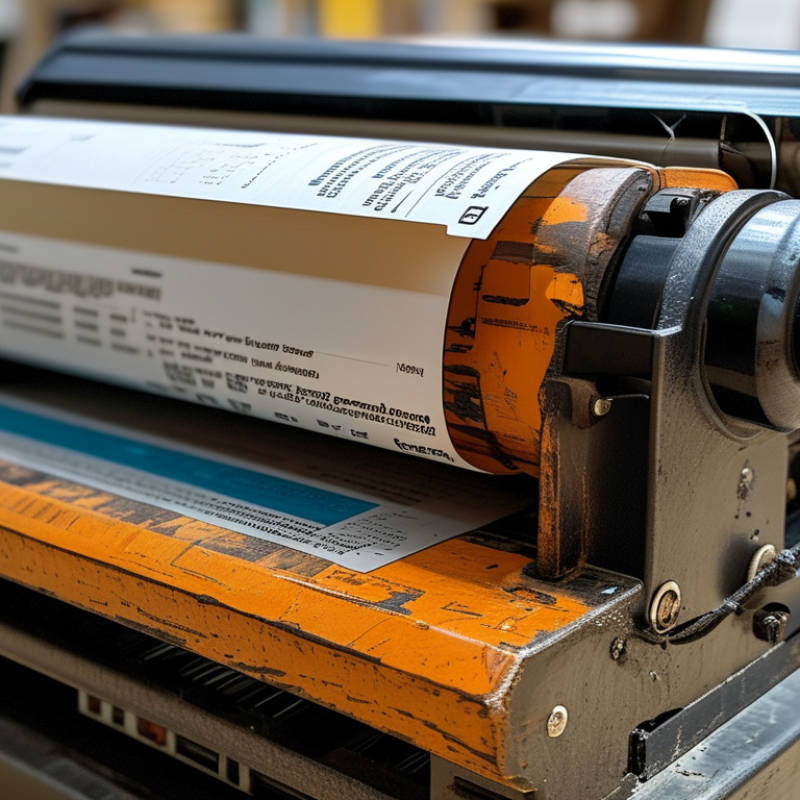
What is a Thermal Printer and How Does It Function?
A thermal printer is a unique device that utilizes heat to print images and texts. The core technology involves thermal transfer and direct thermal printing. In thermal transfer, a ribbon coated with wax or resin is heated, transferring ink to paper. Direct thermal printing uses heat-sensitive paper that darkens when exposed to a heating element. This simplicity in function allows for quick printing and high efficiency.
The advantages of thermal printers are significant. They are generally faster than traditional inkjet printers. The absence of ink cartridges reduces ongoing costs and maintenance. However, users should be aware of limitations. Thermal prints can fade over time, especially when exposed to heat and sunlight. Not all thermal papers are compatible, which can lead to issues if not properly matched.
Understanding these details is crucial for potential buyers. The choice between thermal transfer and direct thermal printing can influence print quality and longevity. Thermal printers are excellent for labels and receipts, but they may not be ideal for high-quality photo printing. Buyers should evaluate their specific needs to ensure they choose the right type.
Types of Thermal Printing Technologies Explained
Thermal printing is a popular technology known for its efficiency and quality. There are two main types of thermal printing: direct thermal and thermal transfer. Each has its unique applications and advantages.
Direct thermal printing uses heat-sensitive paper. The printer's thermal head applies heat to create images. This method is simpler and often more cost-effective. However, its prints are not as durable, fading over time when exposed to heat or sunlight. Thermally printed labels may not last long in harsh environments.
On the other hand, thermal transfer printing uses a ribbon coated with wax or resin. As the ribbon passes through the thermal head, heat transfers the ink onto the material. This results in more durable prints, suitable for long-lasting labels or barcodes.
Tip: Evaluate your use case before choosing a method. If durability matters, consider thermal transfer.
When selecting a thermal printer, consider your specific needs. Look for print speed, resolution, and compatibility with your materials.
Tip: Research user reviews and expert opinions to make informed decisions. Not all printers are created equal, and some may not meet your expectations. Always review the specifications carefully.
Key Components of a Thermal Printer
Thermal printers operate using heat to produce prints, mainly relying on essential components. The print head is crucial; it generates heat that selectively activates the thermal paper. The precision of the print head impacts print quality. It’s vital to consider the print head’s lifespan, as wear can lead to faded prints.
Another key component is the thermal paper itself. This paper is coated with a heat-sensitive material. When exposed to heat from the print head, it darkens, creating an image or text. Not every type of thermal paper yields the same results. Variations in coating can affect durability and legibility over time.
The printer's control circuitry is also significant. It interprets data sent from a computer and manages heat application. Complex circuitry might enhance performance but can also lead to higher failure rates. Understanding these components enables buyers to make informed choices, balancing quality and reliability.
How Does a Thermal Printer Work Best Guide for Buyers? - Key Components of a Thermal Printer
| Component |
Description |
Function |
| Print Head |
The key part that creates the image by heating the thermal paper. |
Transfers heat to the thermal paper to produce prints. |
| Thermal Paper |
Specially coated paper that reacts to heat. |
Changes color upon contact with the heated print head. |
| Control Board |
The electronic circuit that manages printer operations. |
Processes data from the computer and sends instructions to the print head. |
| Feeding Mechanism |
System that moves the thermal paper through the printer. |
Ensures proper alignment and advancement of paper for printing. |
| Power Supply |
Provides electrical power to the printer components. |
Supports the operation of the print head and electronic components. |
Benefits and Limitations of Using Thermal Printers
Thermal printers offer distinct benefits and limitations that buyers should carefully consider. One major advantage is their speed. Reports indicate that thermal printers can produce prints significantly faster than traditional inkjet or laser options. The average print speed can reach up to 300 mm per second, which is especially beneficial in high-volume environments like retail and logistics.
Another key benefit is maintenance. Thermal printers require less frequent servicing. According to the International Data Corporation, they have a lower total cost of ownership due to fewer consumables. This can lead to impressive cost savings over time. However, it's worth noting that thermal prints can fade over time, especially when exposed to heat and light. This durability issue raises questions about long-term use in some applications.
On the flip side, thermal printers also have limitations. They work best on specific types of media, primarily thermal paper. This restricts their versatility for various printing needs. Additionally, the print quality is not as high as some laser printers, especially for graphics. This may matter if detailed imaging is required. Not all users may be aware of these factors, leading to potential mismatches in expectations. Buyers should weigh these nuances carefully before making a purchase decision.
Buying Considerations for Choosing the Right Thermal Printer
When selecting a thermal printer, several key factors demand consideration.
Print quality is paramount. High-resolution printers provide clearer, sharper images.
According to recent industry reports, printers with at least 203 DPI are ideal for most applications.
Choosing the correct DPI ensures that barcodes and text are legible.
Speed is another critical aspect. Many businesses require fast printing for efficiency. Average thermal printers can deliver speeds of
100 mm/s to 300 mm/s. If you print high volumes, aim for devices on the higher end of that spectrum.
Tips: Think about the size of the prints you need.
Larger labels may require different printer capabilities. It’s advisable to consider the medium too. Some thermal printers work better with
specific types of labels or receipts.
Also, warranty and support are important. Research the manufacturer's customer
support reliability. A printer is an investment; consider uptime. In some cases, cheaper models may not offer the necessary support
or parts. Identify your needs, and remember, features should meet your daily operations effectively.
Don't overlook these insights as you navigate the buying process. They can largely affect long-term satisfaction.
FAQS
: A thermal printer uses heat to print images and text on paper efficiently.
Thermal transfer involves heating a ribbon to transfer ink onto paper.
Direct thermal printing uses heat-sensitive paper that darkens when heated.
They can print up to 300 mm per second, ideal for busy environments.
Prints can fade over time with heat or sunlight exposure. Compatibility is also an issue.
High resolution, ideally 203 DPI, is essential for clear barcodes and text.
Choose a speed between 100 mm/s and 300 mm/s based on your volume needs.
They are best suited for thermal paper, limiting versatility for various printing needs.
A good warranty ensures reliability; cheaper models may lack necessary support.
Focus on print quality, speed, and compatibility with your specific printing needs.
Conclusion
Thermal printers are essential devices that utilize heat to transfer ink onto various surfaces, primarily used for producing labels, receipts, and barcode prints. The principle behind "Come Funziona La Stampante Termica" revolves around the application of heat-sensitive paper or thermal transfer ribbon. There are two main types of thermal printing technologies: direct thermal and thermal transfer, each suited for specific applications.
Key components of a thermal printer include the thermal print head, platen roller, and control board, which work together to produce crisp and clear prints. While thermal printers offer benefits such as speed, efficiency, and low maintenance, they also come with limitations, like sensitivity to heat and light damage. When considering which thermal printer to buy, one should evaluate factors including print quality, speed, connectivity options, and the specific needs of their printing tasks. This guide aims to aid buyers in making informed decisions about thermal printing solutions.