The Thermal Printer Mechanism industry continues to evolve, impacting various sectors from retail to healthcare. According to a recent report by MarketsandMarkets, the global thermal printer market is projected to reach $8.8 billion by 2026. This growth reflects the increasing demand for efficient and reliable printing solutions. Experts emphasize that understanding different thermal printer mechanisms is crucial for businesses looking to optimize their operations.
John Moore, a leading authority on printing technologies, states, "The choice of thermal printer mechanisms can significantly influence operational efficiency." Each mechanism offers unique advantages and challenges. For example, direct thermal printers are simple and cost-effective but often lack durability. Conversely, thermal transfer printers excel in durability but require additional supplies, adding to operational costs.
Understanding the intricacies of thermal printer mechanisms is essential. Mistakes in selecting the right mechanism can lead to operational setbacks. As businesses increasingly rely on thermal printing for vital tasks, recognizing the best options is vital. Evaluating your specific needs against the capabilities of various mechanisms can foster better decisions.
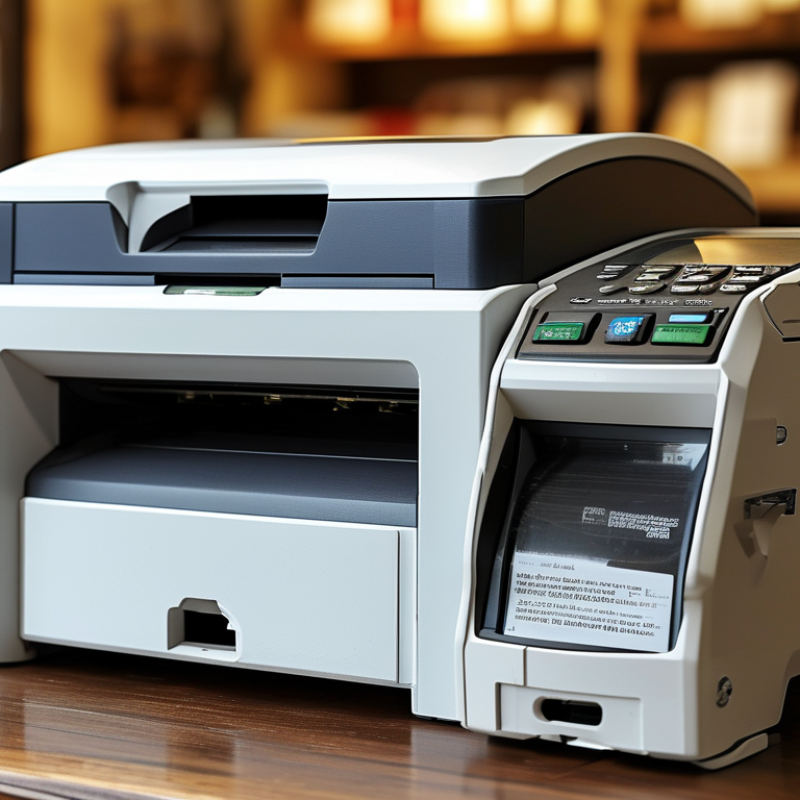
Overview of Thermal Printer Mechanisms
Thermal printers use heat to produce images on paper. There are two main types:
direct thermal and
thermal transfer. Each method has its unique mechanisms and applications.
Direct thermal printing relies on heat-sensitive paper. This type is often used for receipts and labels.
The downside? They can fade over time, especially with heat exposure.
Thermal transfer printing involves a ribbon that melts ink onto the paper. This method produces more durable and vibrant prints. It’s ideal for barcode labels and shipping tags. However, it requires more materials and maintenance.
Users must frequently replace ink ribbons, which can be a hassle.
Understanding these mechanisms is crucial for selecting the right thermal printer.
Factors like print durability, speed, and maintenance may influence your decision.
Testing different types can lead to better insights, but it might also highlight unexpected challenges.
Considering the pros and cons of each method may help users find the right balance for their specific needs.
Direct Thermal Printing: Principles and Applications
Direct thermal printing is a unique method that utilizes heat-sensitive paper. This process eliminates the need for ink or toner, which makes it cost-effective and environmentally friendly. The print head heats specific areas of the thermal paper, creating images or text. This principle is reliable for various applications, from shipping labels to receipts.
The simplicity of direct thermal printing can lead to quicker printing speeds. Users often appreciate this efficiency, especially for high-volume tasks. However, the printed images can fade over time, especially when exposed to heat or sunlight. It's vital to consider storage conditions for printed materials.
Tips: Always check the quality of thermal paper before use. Use proper storage methods to avoid fading. Regular maintenance of the printer will ensure consistent results. Be mindful of the limitations; for longevity, consider alternatives for critical documents.
Thermal Transfer Printing: How It Works and Its Benefits
Thermal transfer printing has gained popularity for its efficiency and quality. This printing method uses heat to transfer ink from a ribbon onto various substrates. A report from Smithers shows that the global thermal transfer label market is projected to reach $3 billion by 2025, indicating its growing importance in various industries.
One of the main benefits of thermal transfer printing is its durability. The prints are resistant to fading and smudging, making them ideal for labels that need to last. For example, labels for outdoor use or products exposed to moisture can particularly benefit from this printing type. However, users must ensure proper ribbon and substrate compatibility to achieve the best results.
Tips: Always test different ribbon types for optimal quality. Regularly maintain your printer to avoid inconsistencies. Unexpected issues may arise if proper care is not taken. Thermal transfer printing represents a blend of reliability and versatility, but it is essential to continuously refine processes for maximum output.
Top 10 Thermal Printer Mechanisms You Should Know
This bar chart illustrates the effectiveness of different thermal printer mechanisms based on their print speed (mm/sec) and print resolution (dpi). The data provides insights into how various mechanisms perform under typical conditions.
Different Types of Thermal Printer Mechanisms Explained
Thermal printers utilize heat to transfer images onto paper. Their mechanisms are efficient and reliable. Understanding the different types can help you choose the right one for your needs.
Direct thermal printing is one common method. It uses heat-sensitive paper that darkens when a thermal print head applies heat. This method is cost-effective and straightforward. However, prints can fade over time and are not waterproof.
Another mechanism is thermal transfer printing. It uses a ribbon coated with ink. The print head heats the ribbon, allowing the ink to transfer onto the label. This process produces durable and high-quality prints. The downside is that the ribbons can be expensive and require regular replacement.
While both methods have their merits, they are not without flaws. Users should consider their printing volume and environmental conditions. Making the right choice involves weighing these factors carefully.
Key Features to Consider When Choosing a Thermal Printer
When choosing a thermal printer, several key features are essential to consider. Print resolution is critical for clarity. Higher resolution means sharper images and text. Look for options that support at least 300 dpi for professional applications. Print speed is another significant factor. A fast printer can enhance productivity, especially in busy environments. Speeds of 100 mm/sec or more are common among top models.
[Image]
Connectivity options matter too. USB, Bluetooth, and Wi-Fi allow various devices to interface with your printer. Each option has its advantages based on your setup. Durability should not be overlooked; a well-built printer stands the test of time. Some models are better suited for harsh environments than others.
Media compatibility is crucial. Different applications may require specific label or receipt sizes. A versatile printer can handle a range of media types. Noise levels can also impact your workspace; quieter printers offer a more pleasant experience. However, be aware that higher performance often comes at the cost of increased noise. Reflect on what features align with your needs and how they affect your workflow.
FAQS
: Direct thermal printing uses heat-sensitive paper. It eliminates the need for ink or toner, making it cost-effective.
It's used for shipping labels and receipts. This method is reliable for high-volume tasks.
The printed images can fade over time. Storage conditions are vital to maintain print quality.
Thermal transfer printing transfers ink from a ribbon onto substrates. It is known for its efficiency and quality.
It produces durable prints that resist fading and smudging. Labels for outdoor use benefit greatly from this method.
Consider your printing volume and environmental conditions. Each method has strengths and weaknesses to assess.
Inconsistencies can occur without proper maintenance. Ensure ribbon compatibility for optimal results.
Store prints away from heat and sunlight. Proper storage methods are essential for longevity.
Yes, both methods have flaws. Regular reflection on their use can lead to better practices over time.
Regular maintenance helps ensure consistent results. Neglecting maintenance can lead to unexpected printing issues.
Conclusion
The article "Top 10 Thermal Printer Mechanisms You Should Know" presents a comprehensive overview of various thermal printer mechanisms, highlighting their principles, functionalities, and applications. It begins with an explanation of direct thermal printing, detailing its process and common uses, which include labels and receipts. The discussion then shifts to thermal transfer printing, elaborating on how it operates and the advantages it offers, such as durability and versatility.
Further, the article categorizes the different types of thermal printer mechanisms, providing insights into each mechanism's unique features and benefits. Key considerations for choosing a thermal printer are also addressed, emphasizing important factors like print quality, speed, and cost-effectiveness. Understanding these thermal printer mechanisms is crucial for selecting the right printer for specific needs, ensuring optimal performance and efficiency.