Industrial Whitepaper: 4 Inch Thermal Printer Mechanisms
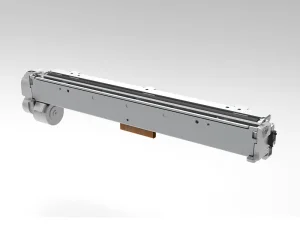
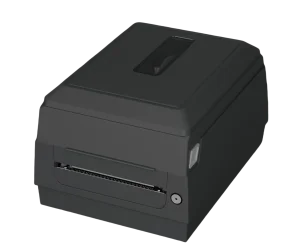
In modern industrial and commercial ecosystems, the 4 inch thermal printer mechanism has emerged as the definitive standard for wide-format, on-demand printing. Characterized by a 104mm to 108mm print width, these mechanisms are critical components in logistics hubs, warehousing, self-service retail, medical labeling, and ticketing systems. Choosing the right thermal printer mechanism requires analyzing mechanical engineering features, thermodynamic balance, electrical properties, and structural parameters.
1. Technical Architecture & Engineering Specifications
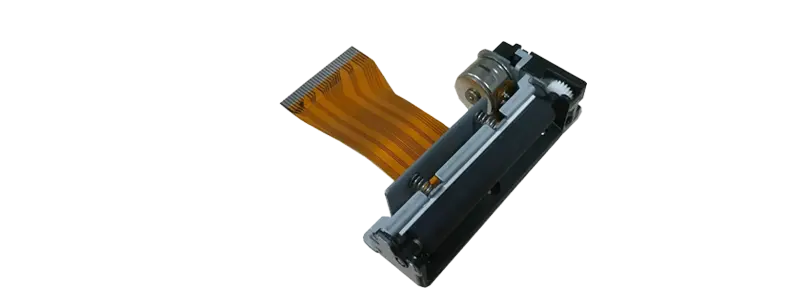
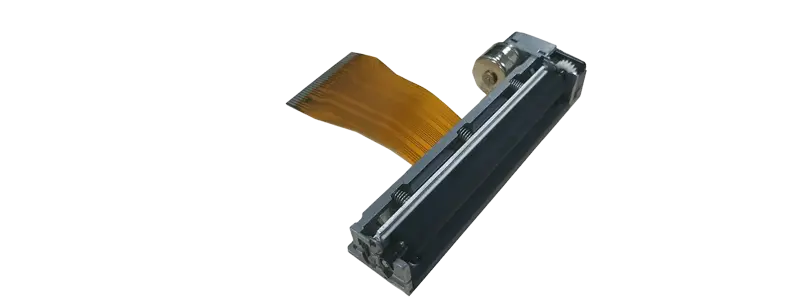
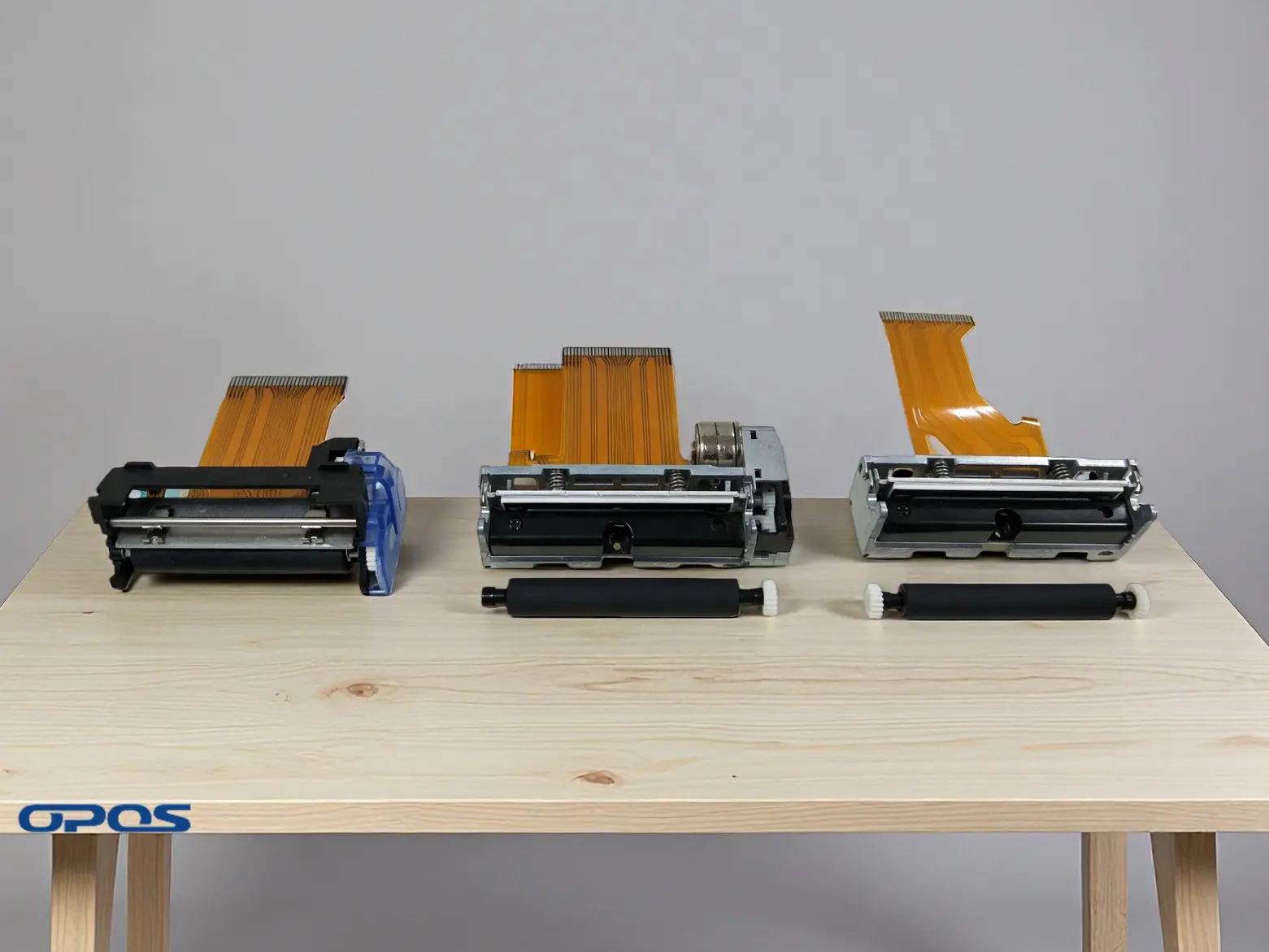
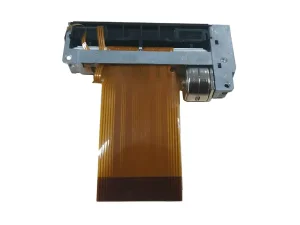
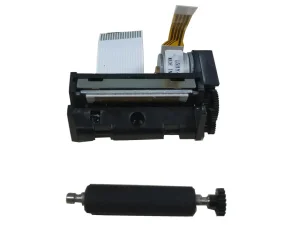
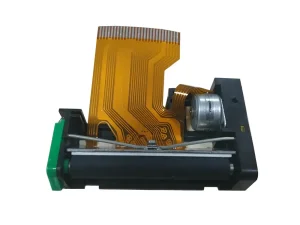
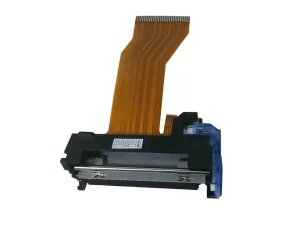
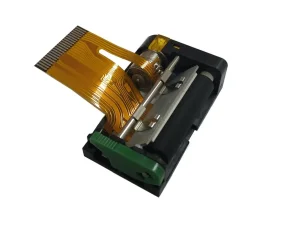
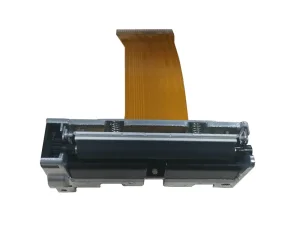
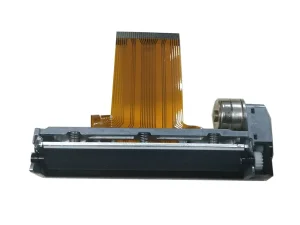
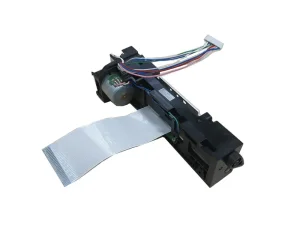
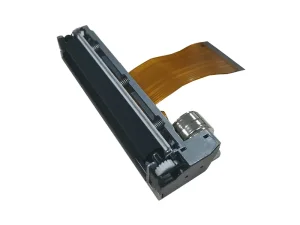
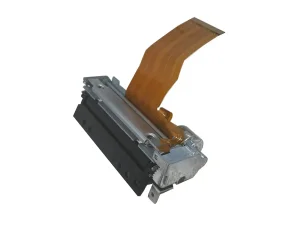
A high-performance 4-inch thermal printer mechanism consists of the following key elements:
- Thermal Print Head (TPH): The core module featuring high-density resistor arrays (typically 203 DPI or 300 DPI) that transfer heat to specialized direct thermal paper. Precise thermal profiles prevent physical degradation of the heating elements, extending print life up to 150 km.
- Stepping Motor Drive Assembly: Precision stepper motors handle paper feeding steps, ensuring label scaling accuracy and preventing barcode warping.
- Platen Roller & Release Mechanics: Provides consistent printhead pressure and supports quick paper loading. High-coefficient rubber compounds prevent paper slipping, even at high speeds.
- Automatic Cutter Module: A hardened steel guillotine or rotary cutter designed for heavy duty cycles (up to 2 million cuts), supporting full or partial cuts.
2. Macro Global Sourcing & Demand Trends
The rise of automated e-commerce, international courier tracking, and clinical sample identification has caused a surge in global demand for robust 4-inch printing solutions. Logistics providers (like DHL, FedEx, and Amazon fulfillment centers) rely on 4-inch shipping labels (4" x 6") to keep parcel sorting lines moving.
In cold chain shipping and extreme outdoor operations, printheads must perform in environments ranging from -10°C to 60°C. Sourcing departments look for customizable OEM/ODM solutions to fit custom housings, handle variable input voltages (24VDC is standard for industrial machinery), and integrate seamlessly with custom control boards.
3. OEM/ODM Customization & Mechanical Compatibility
Our engineering services specialize in cross-brand mechanical compatibility. We provide drop-in replacements for standard Japanese and European print mechanisms, including FUJITSU (FTP series), SEIKO (LTPD series), APS, and PRT components. This allows manufacturers to upgrade their machinery without needing to redesign their mechanical structures or rewrite control firmware.
Our technical custom options include:
- Interface Control Boards: Multi-interface boards supporting USB, Serial (RS232), Parallel, Bluetooth, and Wi-Fi.
- Dynamic Thermal Regulation: Real-time temperature monitoring and voltage adjustments prevent overheating in high-duty cycle applications.
- Custom Platen Release Systems: Custom-designed physical latches and levers to fit tight space constraints in kiosks and terminal enclosures.

4. Future Technology Roadmap & Eco-Friendly Design
Next-generation thermal printing focuses on high speed, energy efficiency, and sustainability. Our current development roadmap includes:
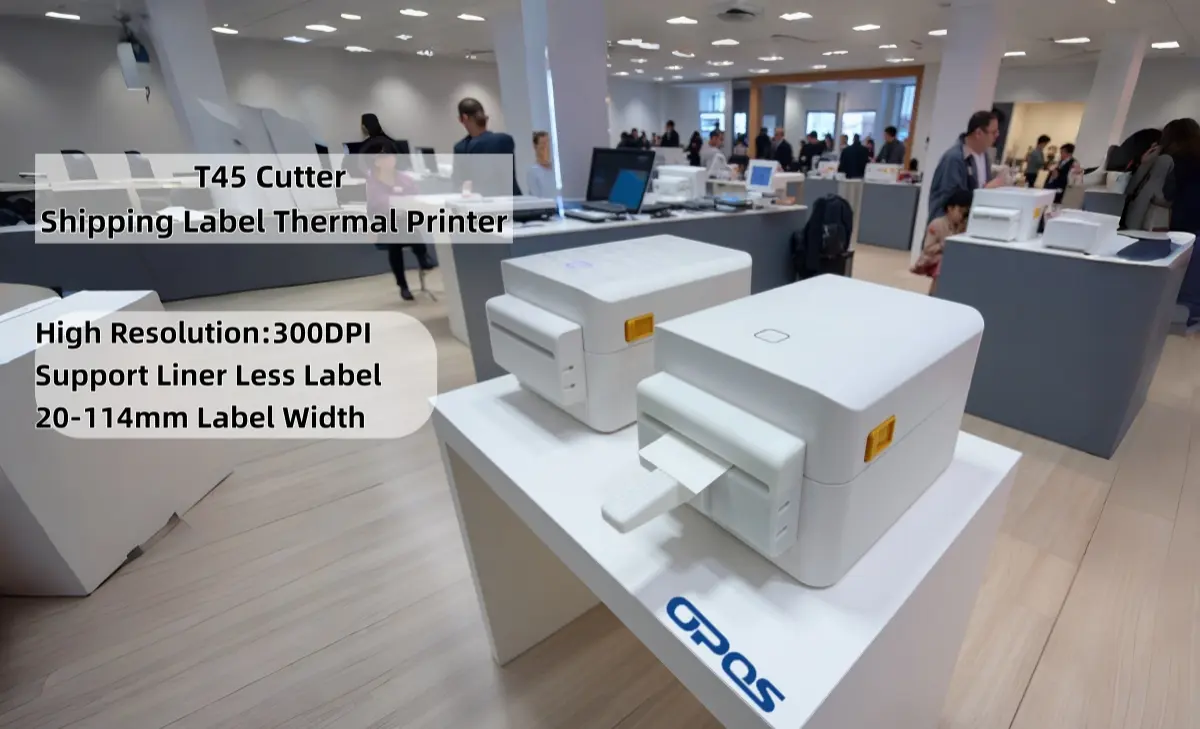
- Linerless Label Printing: Eliminating silicon backing paper to reduce waste and lower material transportation costs.
- Low-Energy Thin-Film Heads: Reducing battery drain in portable terminals by up to 25%, extending runtimes for field agents.
- Predictive Printhead Diagnostics: Integrating smart sensors that alert operators to printhead wear before a failure occurs, reducing unscheduled maintenance.