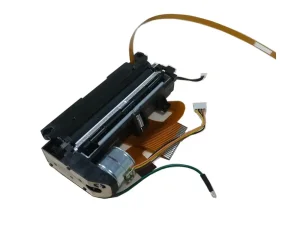
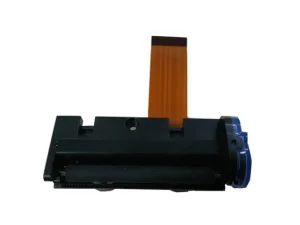
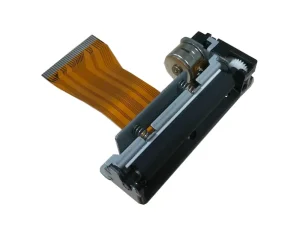
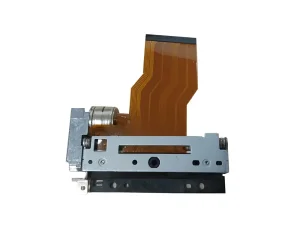


OEM Photo Mobile Printer Factory & Exporter

Precision Engineering, Scalable Global R&D, and Vertically Integrated Manufacturing Solutions for Enterprise Mobile Printing Infrastructure

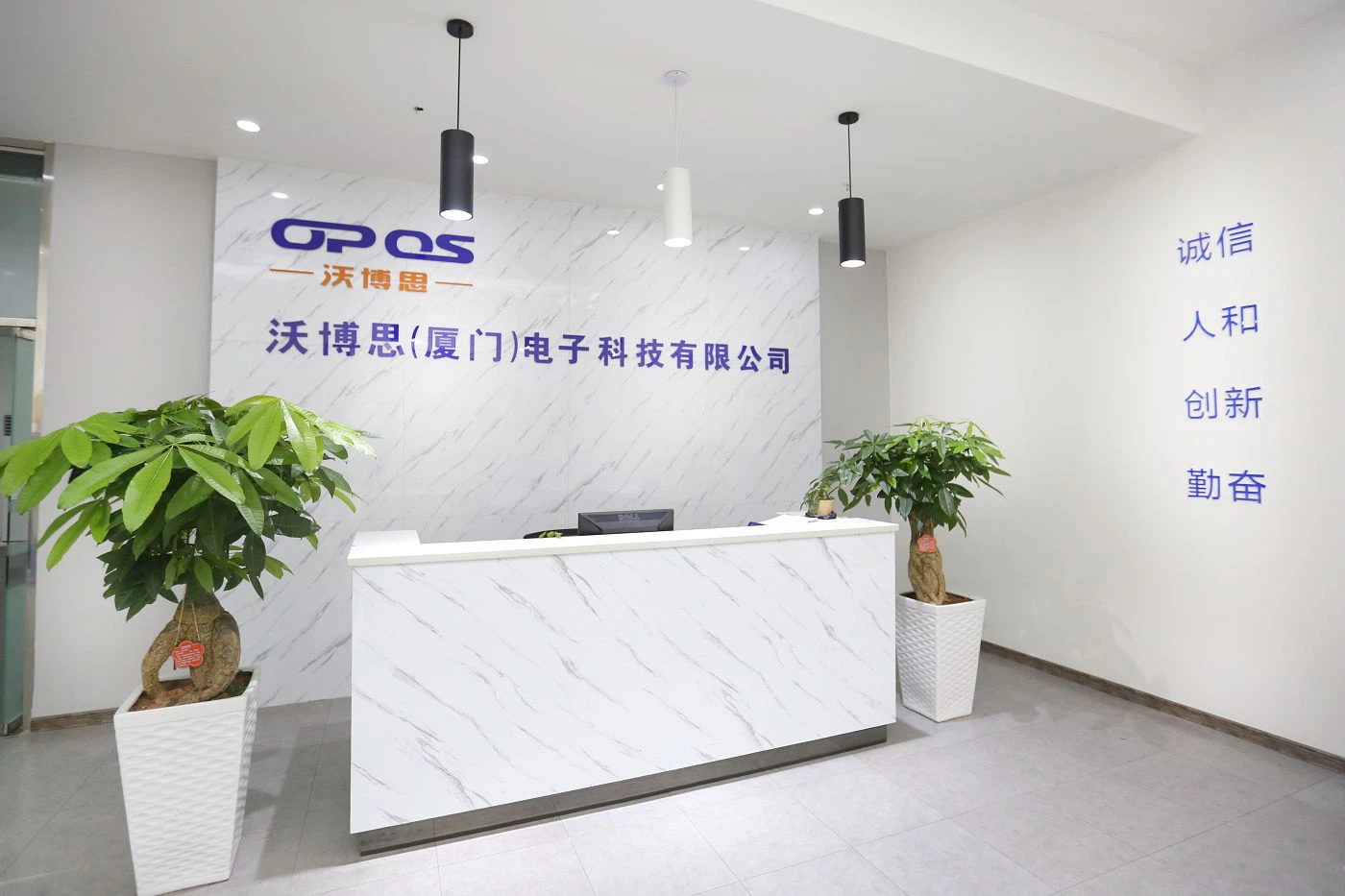
Opos Xiamen Electronic Technology Factory floor
Opos(Xiamen) Electronic Technology Co.,Ltd.

Pioneering Thermal and Mobile Printing Technology Since 2005

OPOS (Xiamen) Electronic Technology Co., Ltd. was established in 2005 and is located in Xiamen, Fujian Province, China. As one of the earliest domestic printer mechanism factories and a leading developer of early dot matrix and thermal printer mechanisms, we have continuously driven technological progress in the B2B printing industry.

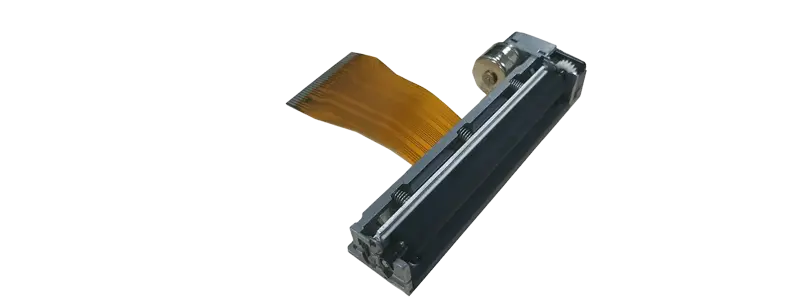
We are a professional, high-tech enterprise that designs, manufactures, and exports thermal printers, POS printer mechanisms, label and receipt printer mechanisms, dot matrix mechanisms, and integrated cutter components. Our products serve as core engine hardware across global logistics, healthcare, retail, and consumer electronics brands.

Read More
2005
Established Year
20+
Countries & Regions Served
5000+
m² Factory Floor Area
70+
Invention Patents Secured

Product Range

Browse our diverse collection of industrial-grade mechanisms and ready-to-deploy hardware solutions.

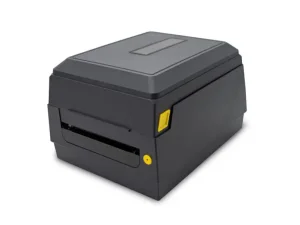
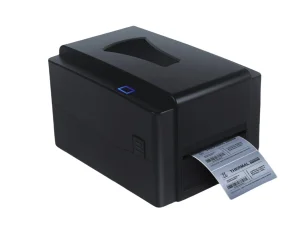
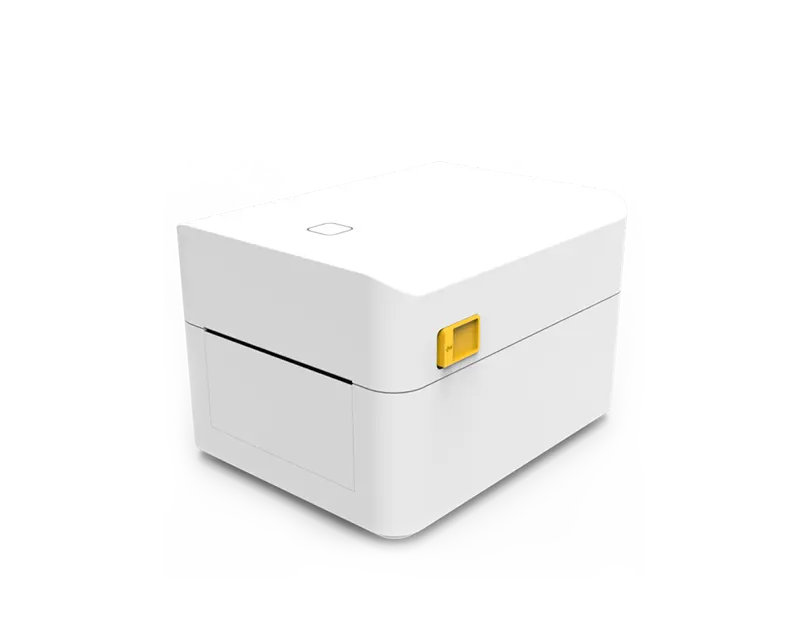
Label Printer

Label Printer

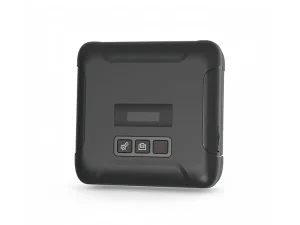
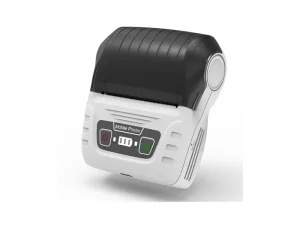
Mobile Printer

Mobile Printer

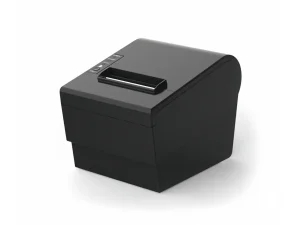
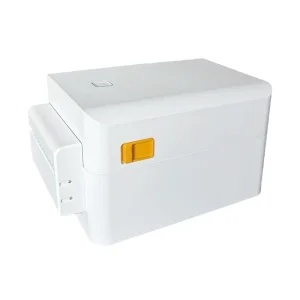
POS Printer

POS Printer

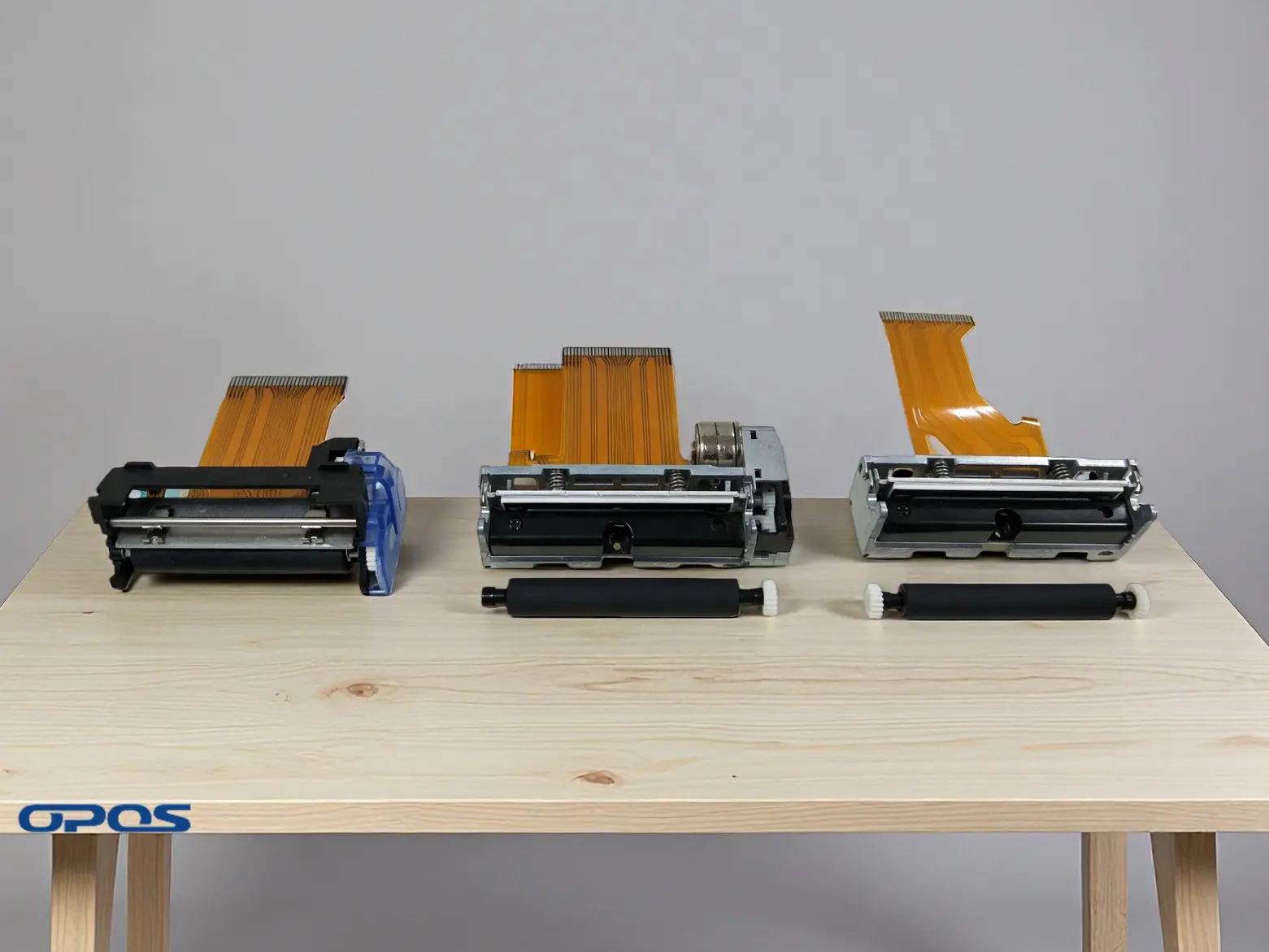
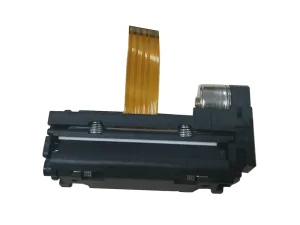
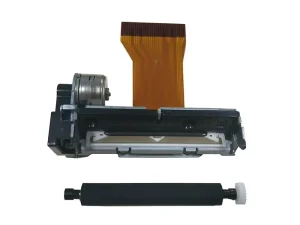
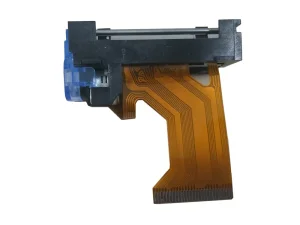
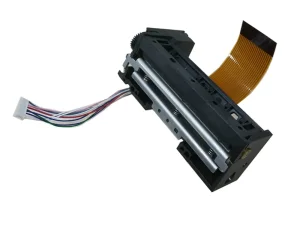
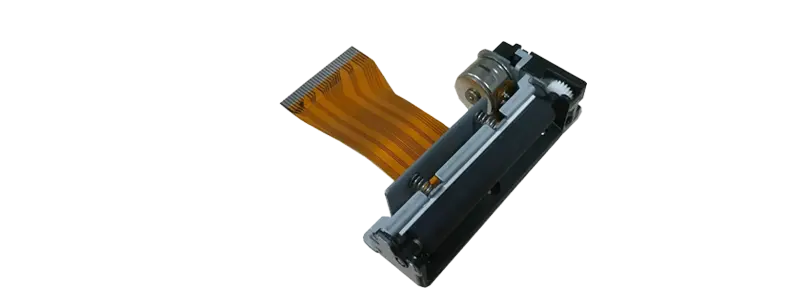
2 inch printer mechanism

2" Thermal Mechanism

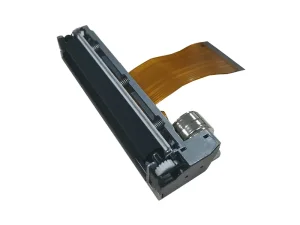
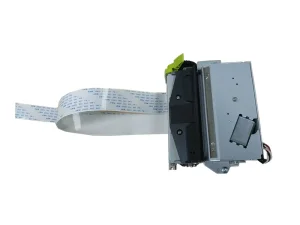
3 inch printer mechanism

3" Thermal Mechanism

Industrial Whitepaper: The Evolution of Mobile and Photo Printing Ecosystems

1. Market Shift: ZINK vs. Direct Thermal vs. Dye-Sublimation Technology

In the global procurement landscape, choosing the correct mobile printing architecture depends heavily on the use case. While traditional thermal transfer and dye-sublimation processes yield high-fidelity, archival-quality photographic prints, they require consumable ink ribbons that raise per-print costs and limit hardware compactness. Direct Thermal and Zero-Ink (ZINK) solutions eliminate secondary consumables, enabling ultra-portable form factors that serve both direct-to-consumer lifestyle markets and critical industrial labeling logistics.

As a leading OEM Photo Mobile Printer Factory, OPOS bridges the gap by optimizing direct thermal printheads to render complex grayscale gradients. This technology allows device designers to deploy high-resolution pocket photo printers and multi-use shipping label printers that run on a single consumable category: thermal media. By streamlining hardware components and omitting mechanical ink carriages, MTBF (Mean Time Between Failures) scales up, while operational maintenance drops significantly.

2. China's Manufacturing Core: Xiamen's Supply Chain & R&D Integration

Global enterprises face volatile supply lines and component shortages. Operating from Xiamen, China’s primary hub for printer technology, OPOS benefits from a deeply integrated local cluster of component suppliers, automated precision stamping facilities, and specialized plastic injection molding plants. This localized supply chain reduces lead times for complex components such as high-density thermal printheads, electronic driver boards, and precision gears.

Vertical integration within our 5,000 m² factory allows us to manage quality control directly at every stage. We supervise incoming raw materials, surface-mount technology (SMT) for PCB mainboards, mechanism assembly, and the final environmental stress testing of finished devices. This level of oversight ensures that our products maintain compatibility with industry-standard replacement parts, such as Seiko and Epson mechanisms, while keeping production costs competitive.

3. Global Enterprise Procurement & Customization Requirements

International procurement managers look beyond base hardware costs; they prioritize long-term system stability, platform scalability, and localized software ecosystems. Modern mobile printers must operate within cross-platform environments, requiring robust SDK and API support across iOS, Android, and Windows systems. OPOS addresses this by providing extensive software development libraries, custom Bluetooth protocol layers, and optimized Wi-Fi connectivity options for our entire range of mobile printers.

Additionally, hardware styling must match regional branding targets. Our ODM and OEM departments customize casing designs, control layouts, battery storage capacities, and interface configurations to meet specific market demands. Whether developing a compact, high-durability printer for field logistics or a modern lifestyle device for retail photo booths, our design processes align with international quality standards.
Enterprise Hardware Advantages

Engineered for high performance, reliability, and compatibility with industry-standard architectures.

OEM/ODM Customization

We deliver comprehensive customization services, ranging from custom mechanical interfaces to modified print control boards, tailored to your platform requirements.

Seiko & Epson Compatibility

Our replacement printer mechanisms feature drop-in physical dimensions and pinout configurations that match popular industry-standard models.

Strict Quality Control

Each production run undergoes comprehensive unit testing for printhead resistance variance, optical output density, and duty-cycle reliability before shipment.

Integrated Cutting Tech

Our custom heavy-duty cutter modules support continuous, partial, or full-cut modes, with a rated lifespan of up to 1.5 million cycles.

Localization and Regulatory Compliance

Deploying wireless mobile hardware internationally requires navigating complex regulatory standards. OPOS supports your compliance efforts with a product lineup designed to meet key global certification criteria:

  • CE Mark (Europe): Confirms conformance to European electromagnetic compatibility (EMC), low voltage, and safety directives.
  • FCC Certification (North America): Ensures all wireless Bluetooth and Wi-Fi emissions fall within the FCC Part 15 subpart B & C regulations.
  • RoHS & REACH Directives: Assures that all raw chassis materials, solder joints, and components are free of hazardous substances.
  • Country-Specific Wireless Approvals: Supports compliance processes for KC (Korea), TELEC (Japan), and UKCA (UK) certification requirements.
  • Universal Character Map Encoding: Internal print processors natively support GB18030, Big5, Unicode, UTF-8, and custom language codepages to ensure legible print outputs globally.

Certified Hardware Compliance

All direct-thermal and mobile photo printing systems are engineered to pass strict EMC, wireless emission, and chemical safety standards worldwide.

Our OEM/ODM Workflow

A systematic development process that transforms initial concepts into production-ready hardware.

01

Consulting

Establishing product dimensions, features, interface types, and target unit costs.

02

Engineering

Developing 3D housing models, layout schematics, and mechanical system designs.

03

Prototyping

Building functional prototypes via 3D printing, SMT PCB prototyping, and performance testing.

04

Production

Transitioning to mass production utilizing custom injection tooling and dedicated assembly lines.

05

Quality Check

Subjecting production runs to physical stress testing, wireless analysis, and output density verification.

06

Logistics

Managing ocean, air, and express shipping arrangements with custom packaging options.

Localized Application Scenarios

OPOS thermal solutions are designed for seamless integration across a variety of commercial and industrial applications.

Courier & Logistics

Optimized for mobile courier services. High-capacity lithium batteries paired with direct-thermal sticker printheads allow field operators to generate adhesive shipping waybills directly on-site.

Retail & Point of Sale (POS)

Integrates with tablet and smartphone-based checkout systems. Our Bluetooth POS printers enable receipt generation for pop-up shops, open-air retail venues, and boutique stores.

Commodity & Price Tags

Enables retail staff to update pricing tags, clearance labels, and shelf-edge tags directly in the aisles. Reduces mismatches between point-of-sale pricing databases and physical merchandise labels.

Healthcare & Medical

Engineered for specimen tracking, pharmacy labeling, and patient wristband creation. Direct thermal mechanisms provide readable barcodes and QR labels that stand up to sanitization processes.

Pocket Photo Printing

Designed for consumer lifestyle and mobile entertainment applications. Incorporates low-energy print control and optimized heat distribution curves to deliver high-resolution grayscale image prints directly from smartphone devices.

Future Trends in Mobile and Industrial Thermal Printing

The global thermal printing market is moving toward greater sustainability, higher resolution outputs, and deeper software integration. Three primary vectors shape this trajectory:

1. Linerless Label Systems

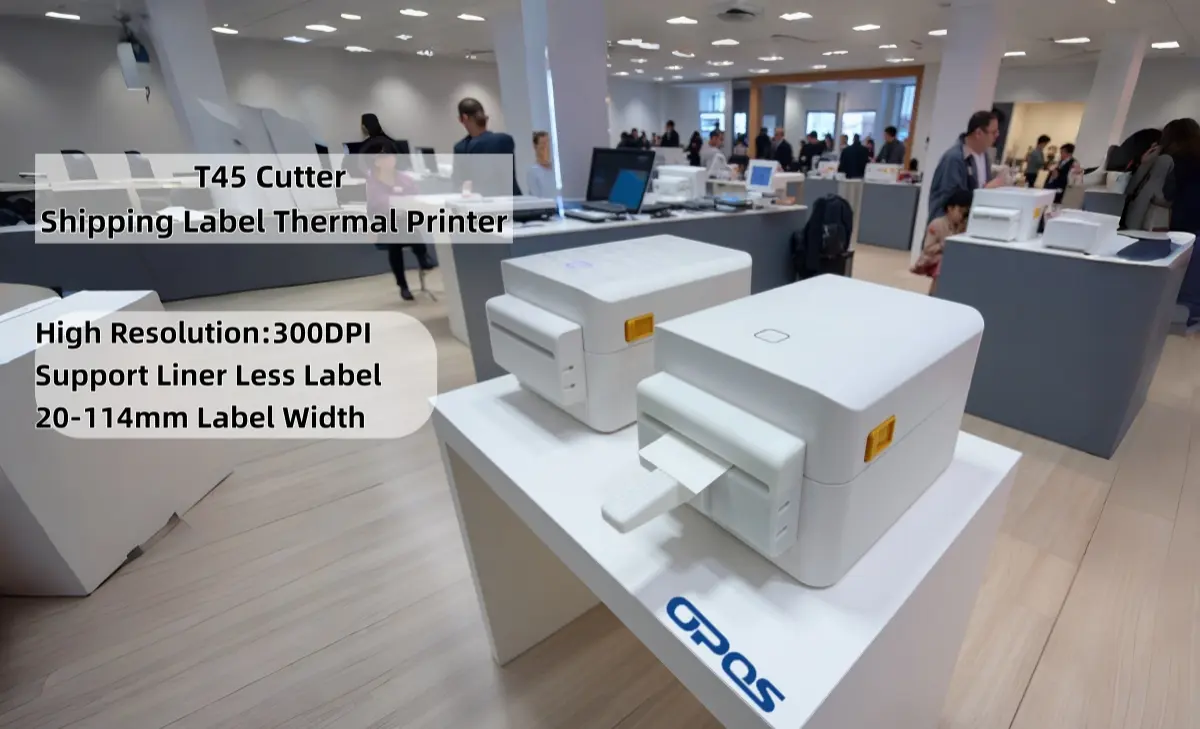
Traditional pressure-sensitive adhesive labels require a silicone-coated backing liner that ends up in landfills. Linerless thermal print technology uses specialized silicone coating on the label face, preventing the roll from sticking to itself. This allows for more labels per roll, fewer roll changes, and reduced transport costs, while lowering overall waste footprints for enterprise users.

2. IoT-Enabled Fleet Diagnostics

Modern commercial operations require proactive management of printing assets. Next-generation mobile printers integrate directly with cloud-based management systems, utilizing built-in sensor arrays to monitor printhead temperature, motor wear, and battery health in real-time. This diagnostic data helps operators schedule preventive maintenance and resolve potential performance bottlenecks before they cause downtime.

3. Direct Grayscale and Multi-Tone Thermal Processes

To improve print quality for graphics and fine text, manufacturers are upgrading direct-thermal driver designs. Modern printheads utilize multi-pulse heating algorithms to control pixel temperatures with high precision. This advance allows devices like the MY58 Pocket Photo Printer to achieve smoother gradients, rendering complex branding elements and detailed barcode symbols with sharper contrast.

Latest Industry News

Follow our technical developments, product releases, and upcoming trade show schedule.

High Resolution Thermal Head Design
2026-04-29

Introducing High-Resolution Printheads

Xiamen OPOS Printer has launched a new high-resolution thermal mechanism series. These units feature enhanced heat dissipation profiles to provide reliable print densities in fast-paced retail and logistics settings.

Chinashop Exhibition Xiamen OPOS
2026-04-21

OPOS at the Chinashop Exhibition

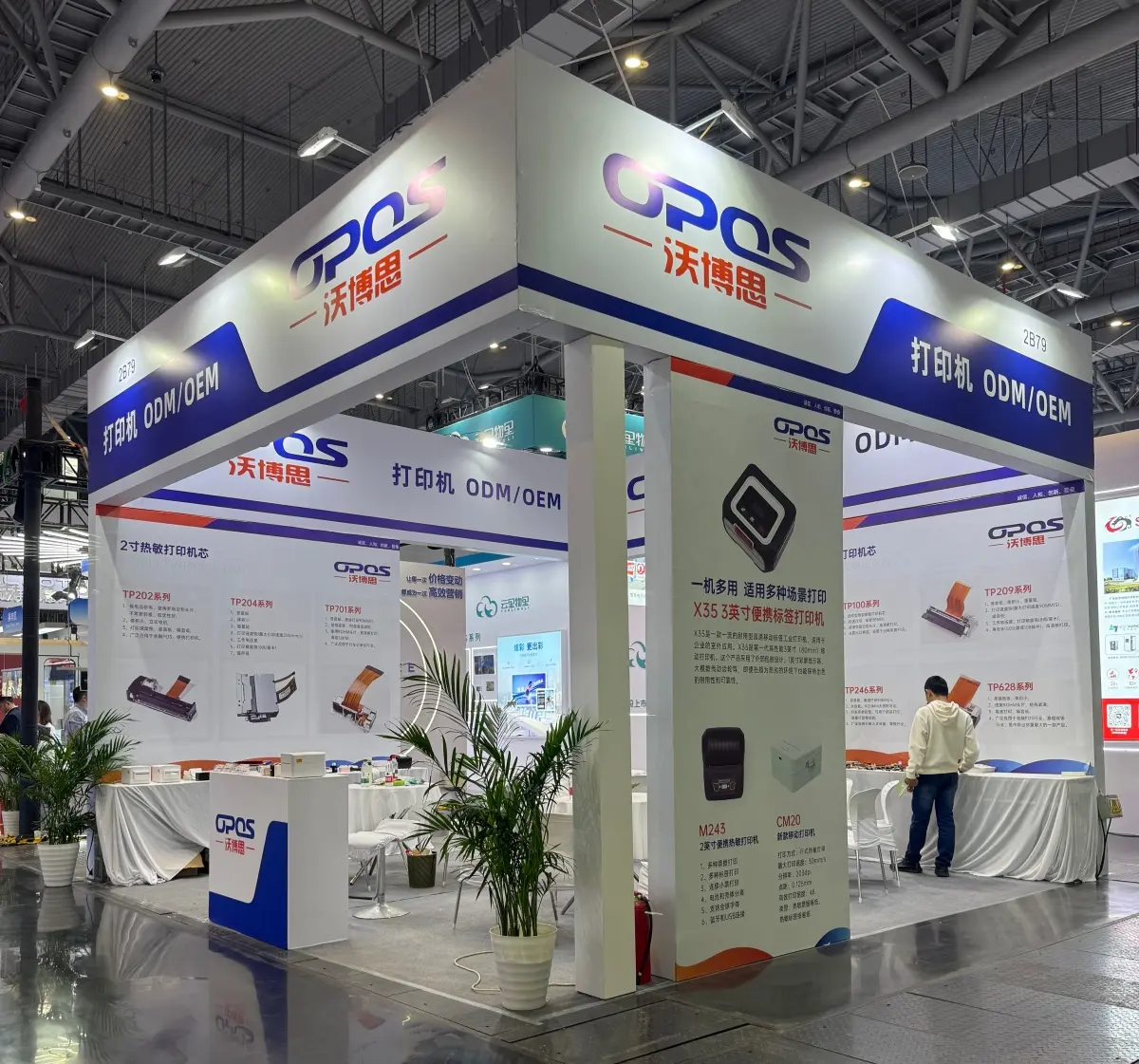
At this year's Chinashop Exhibition, we showcased our latest high-speed POS receipt printers and compact direct-thermal mechanisms, designed to integrate with automated self-service checkout terminals.

What is a thermal printer mechanism
2026-03-21

Understanding Printer Mechanisms

An introduction to thermal printheads: This article explores the mechanical integration, electronic control interfaces, and daily thermal care practices needed to optimize the service life of direct thermal devices.

Industrial FAQ & Procurement Guide

Technical guidance and implementation advice from our engineering team.

What is the typical lifespan of an OPOS thermal printhead mechanism?

Our direct thermal printheads are rated for a physical abrasion wear life of 50 km to 150 km of continuous paper travel, depending on the model and the chemical characteristics of the thermal media used. For cutter modules, the mechanical service life is rated for up to 1.5 million cycles under standard operating temperatures.

Are OPOS mechanisms compatible with industry-standard replacement parts?

Yes. Many of our design models feature identical physical mounting points, gear layouts, and electrical connection interfaces to standard systems from brands like Seiko (e.g., LTPV345C, LTPD245, LTPZ245) and Fujitsu. This compatibility allows for straightforward replacement integration in existing kiosks, POS terminals, and mobile device enclosures.

Can you customize device firmware to support our proprietary print protocols?

Yes. We offer customization services that include tailing firmware commands (such as ESC/POS, TSPL, or CPCL emulation) to align with your legacy printing systems. We can also modify wireless pairing protocols and sleep cycle timing to optimize battery performance on mobile devices.

What is the standard production lead time for bulk OEM orders?

For standard mechanism assemblies, production lead times average 15 to 25 working days, depending on component availability and SMT schedules. For custom OEM projects involving new casing molds or modified PCB designs, tooling and validation phases require 45 to 60 days before mass production begins.

How does OPOS guarantee quality consistency across large manufacturing runs?

Our quality system is ISO 9001 certified. We manage quality consistency by performing automated inspections on our SMT lines, verifying voltage drop and heating performance on all PCBs, and carrying out post-assembly functional tests on every finished mechanism before packaging.