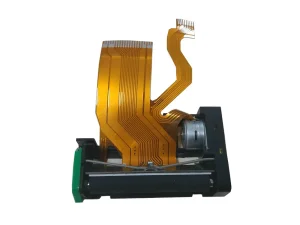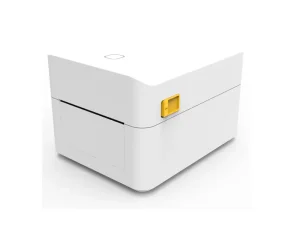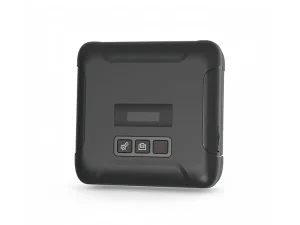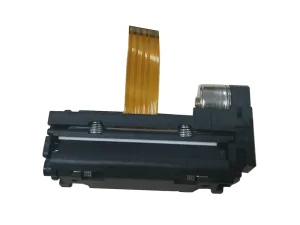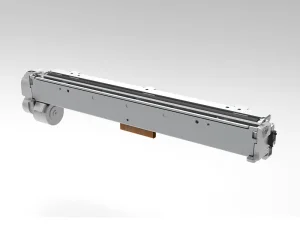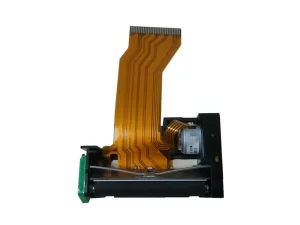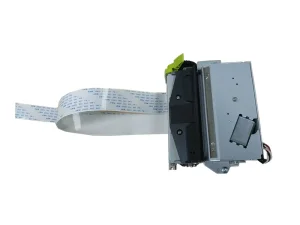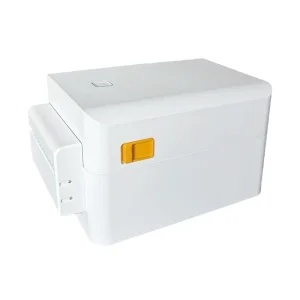
Explore our engineering flagships: high-performance thermal mechanisms and robust desktop label configurations.
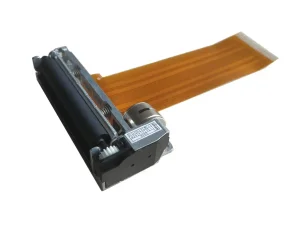
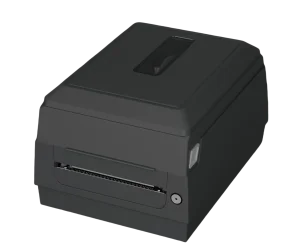
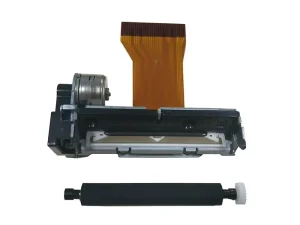
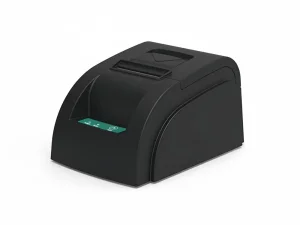
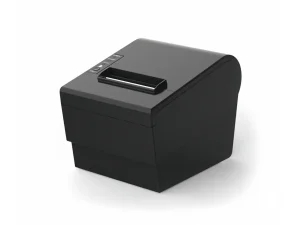
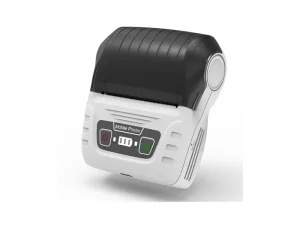
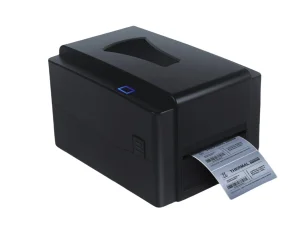
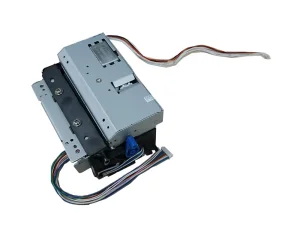
In the modern, data-driven logistical environment, the small sticker printer is no longer a peripheral device; it is a critical node in IoT infrastructure. From cold-chain management and real-time inventory adjustments to automated clinical labeling, micro-printing solutions must perform under rigorous industrial stresses. As a leading OEM small sticker printer manufacturer, OPOS (Xiamen) Electronic Technology Co., Ltd. has stood at the intersection of printhead thermal efficiency, dynamic media cutting, and hardware-firmware integration since 2005.
Modern enterprise applications require high-speed response times, seamless cross-platform integration (Android, iOS, Windows, Linux), and low energy footprint profiles. The design ethos of our product lines centers on high reliability, robust mechanisms compatible with international form factors (such as Seiko and Fuji footprints), and extensible firmware options to allow clients to deploy customized device profiles rapidly.

A heritage of engineering excellence in printer mechanism design and custom manufacturing solutions.
Established in 2005 in Xiamen, Fujian Province, China, OPOS Electronic Technology Co., Ltd. represents one of the pioneering domestic enterprises to independently engineer, license, and produce high-reliability thermal printer mechanisms and customized finished printers. Over nearly two decades of operation, we have expanded our capacity to become a core supplier of dot matrix mechanisms, thermal mechanisms, precision cutter units, and complex integrated retail printing solutions.
By integrating design, precision tooling, cleanroom assembly, and electronic hardware engineering under a single quality control standard (ISO9001), we secure unmatched technical agility for our ODM and OEM global partners. This comprehensive manufacturing approach ensures that our components remain highly durable and cost-effective across global markets.
Why Tier-1 system integrators and hardware distributors partner with OPOS for thermal labeling hardware.

Complete custom enclosure rendering, mechanical adaptions, custom driver architectures, and structural design configurations from mock-up to mass production.

We own the complete intellectual property stack for our control systems, ASIC-based printhead logic controls, and dynamic cutter mechanisms.

Direct communication channels with our system firmware engineers to streamline Android/iOS SDK deployments and customized communication protocols.

Rigorous operational testing, MTBF validations, spare parts provision, and swift technical troubleshooting to guarantee uninterrupted client hardware operations.
Sustainable corporate governance dictates a dramatic reduction in operational waste. Linerless labeling eliminates the silicone release liner backing, providing up to 40% more printable surface per roll and lowering freight, warehousing, and disposal costs. However, linerless materials require high-performance adhesive-resistant cutter assemblies and tailored feeding mechanisms to prevent media jamming. Our research and development focuses heavily on anti-stick coatings and specialized tension controls for linerless mechanisms.
Legacy printer units relied entirely on physical serial or USB hookups. Today, logistics warehouses deploy hundreds of decentralized mobile workers carrying small belt-worn sticker printers. These devices demand fast, secure, low-latency Bluetooth Low Energy (BLE 5.0) and Wi-Fi networks (supporting 802.11 a/b/g/n dual-band) with rapid reconnect features to prevent packet dropouts and physical label mismatches.
Electronic component labeling, healthcare sample collection, and high-density product ticketing require high-resolution (up to 300 dpi) outputs to support dense QR codes and PDF417 symbols. Furthermore, integrated black-mark, gap, and media-out sensors must operate dynamically across a spectrum of material opacity levels.
Enabling automated workflows across supply chain logistics, retail networks, and healthcare sectors.





A rigorous industrial pipeline designed to assure consistency from design mockups to international freight distribution.
Our engineers perform a detailed requirements gathering session covering hardware, environmental specifications, and budget parameters.
We output 3D mechanical drawings and prototype schematics, defining interface layouts and driver capabilities.
Functional physical samples undergo life testing, stress evaluation, and firmware debugging before approval.
Components are manufactured in our ISO-certified facility utilizing advanced component placement and automated testing.
Every batch is subjected to comprehensive calibration, packaging validation, and final hardware diagnostic sweeps.
Custom packaging, containerization, customs documentation, and priority tracking routes to international client warehouses.
Addressing the complex engineering and design questions surrounding high-performance thermal print mechanisms.
The longevity of a thermal printhead is determined by three variables: abrasive wear (the friction of the media backing against the protective coating), chemical erosion (residue from labels and adhesives), and electrical/thermal stress. OPOS controls this via customized heat control firmware, which limits energy levels, and our use of high-grade glass protective layers (Partial Glaze and Real Glaze configurations) that offer up to 150km of linear print life under recommended media pressures.
Yes. Many of our subassemblies, such as the TP628RM-101L, TP206, and TP347-DL, are mechanically and electronically compatible with common standards like the Fuji FTP-628MCL101 and Seiko LTP series. This compatibility lets system integrators upgrade hardware without redesigning their physical enclosures or rewriting extensive software stacks.
Our mobile label printers incorporate dynamic voltage adjustment and intelligent standby modes. The control board monitors battery state-of-charge and adjusts peak currents sent to the print elements. This design extends single-charge battery performance while preventing premature printhead wear and fading print quality under low-voltage conditions.
OPOS provides full software development kits (SDKs) for iOS and Android, including source code templates, library wrappers, and driver packages for Windows (POSReady), Linux, and macOS. Our firmware supports ESC/POS, TSPL, and CPCL instruction sets, making it easy to integrate with custom POS and enterprise resource planning systems.
Quality control is built directly into our production processes. From raw materials testing to AOI (Automated Optical Inspection) of custom controller circuit boards, we monitor production at every stage. Before packaging, every completed mechanism undergoes automated thermal profiling, printhead consistency checks, and cutter calibration to guarantee out-of-the-box reliability.
We offer comprehensive housing options. From simple logo printing and customized retail boxes to specialized plastic colors and completely custom tooling for water and dust-proof environments (IP54 ratings), we tailor outer enclosures to match your brand requirements.
Keep up with our latest research releases, industry exhibitions, and insights from Xiamen OPOS.
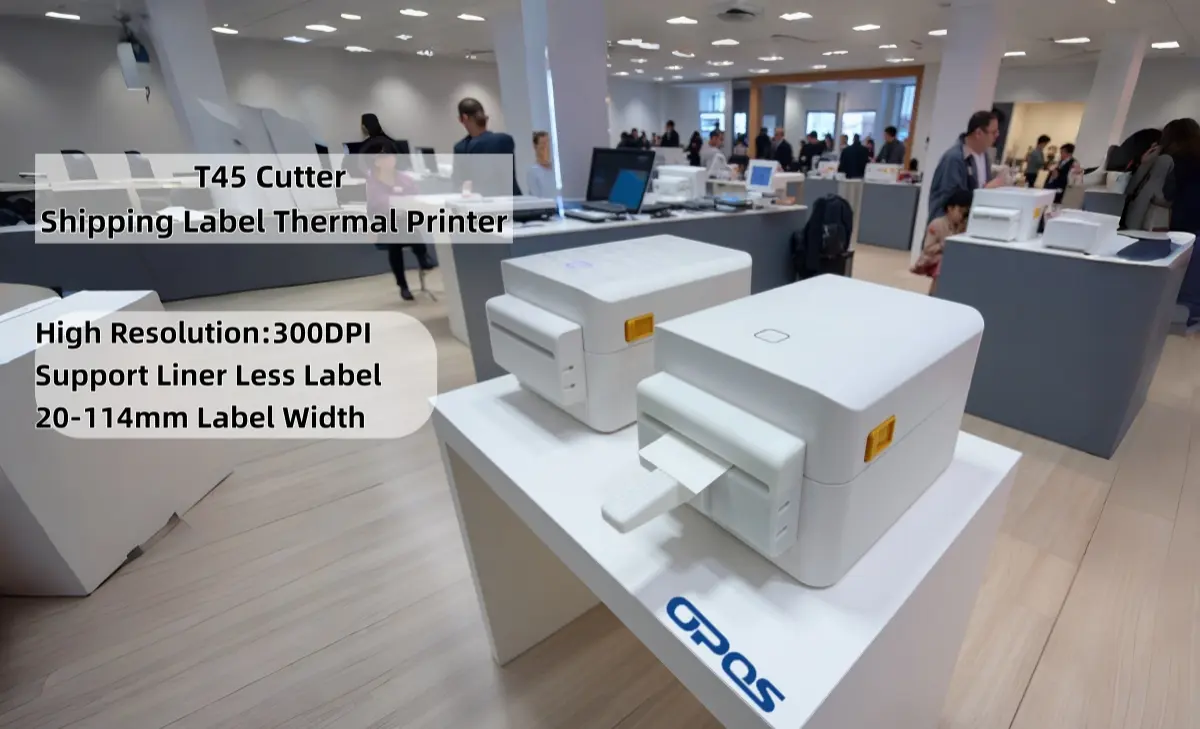
OPOS is excited to announce our newest line of high-resolution thermal mechanisms. Designed for complex barcode printing and small label applications, these printheads offer improved density and faster throughput.
Read Article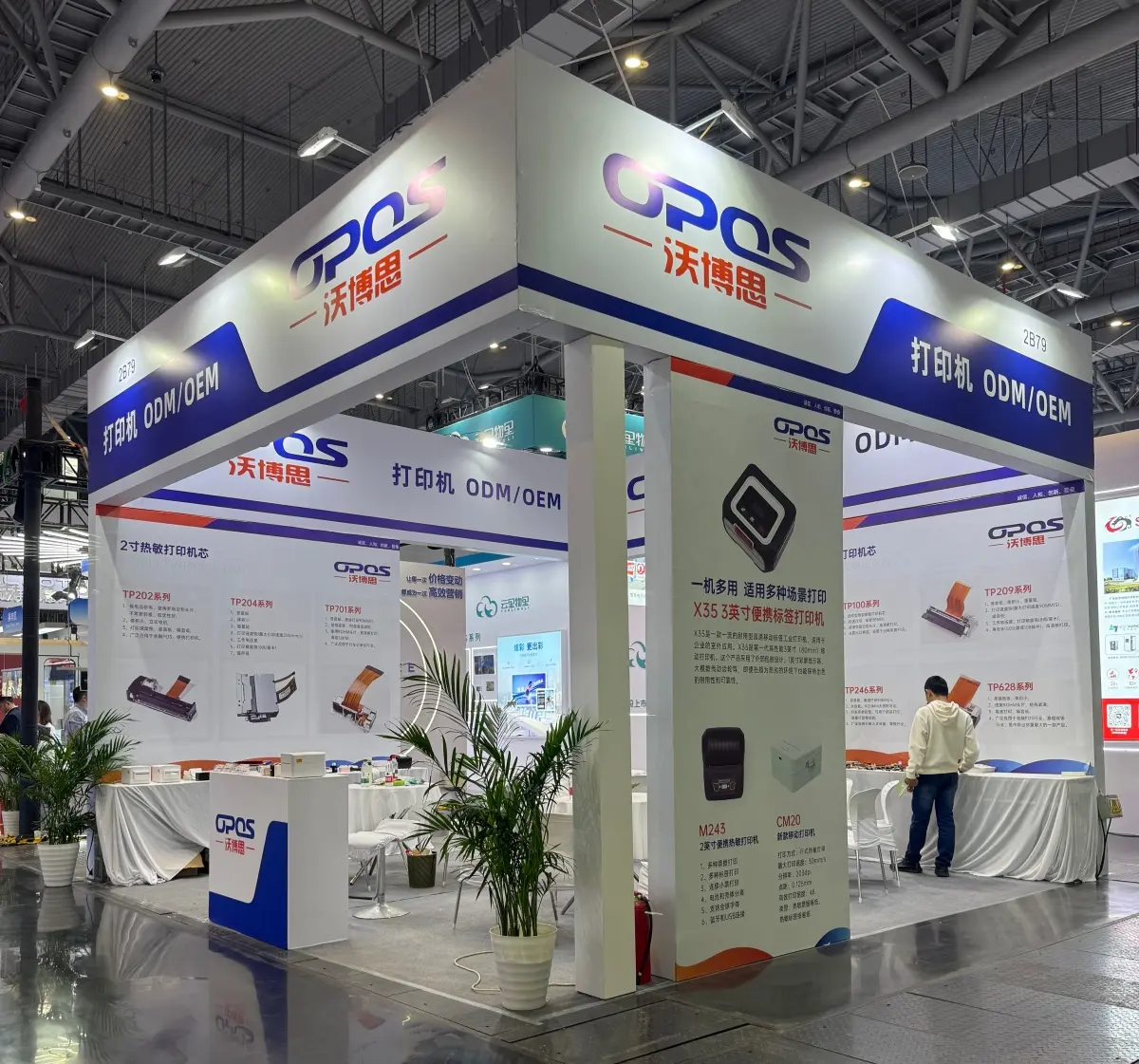
Our team connected with global retail and logistics professionals at the ChinaShop Exhibition, demonstrating our new desktop thermal transfers and mobile Bluetooth labeling solutions.
Read Article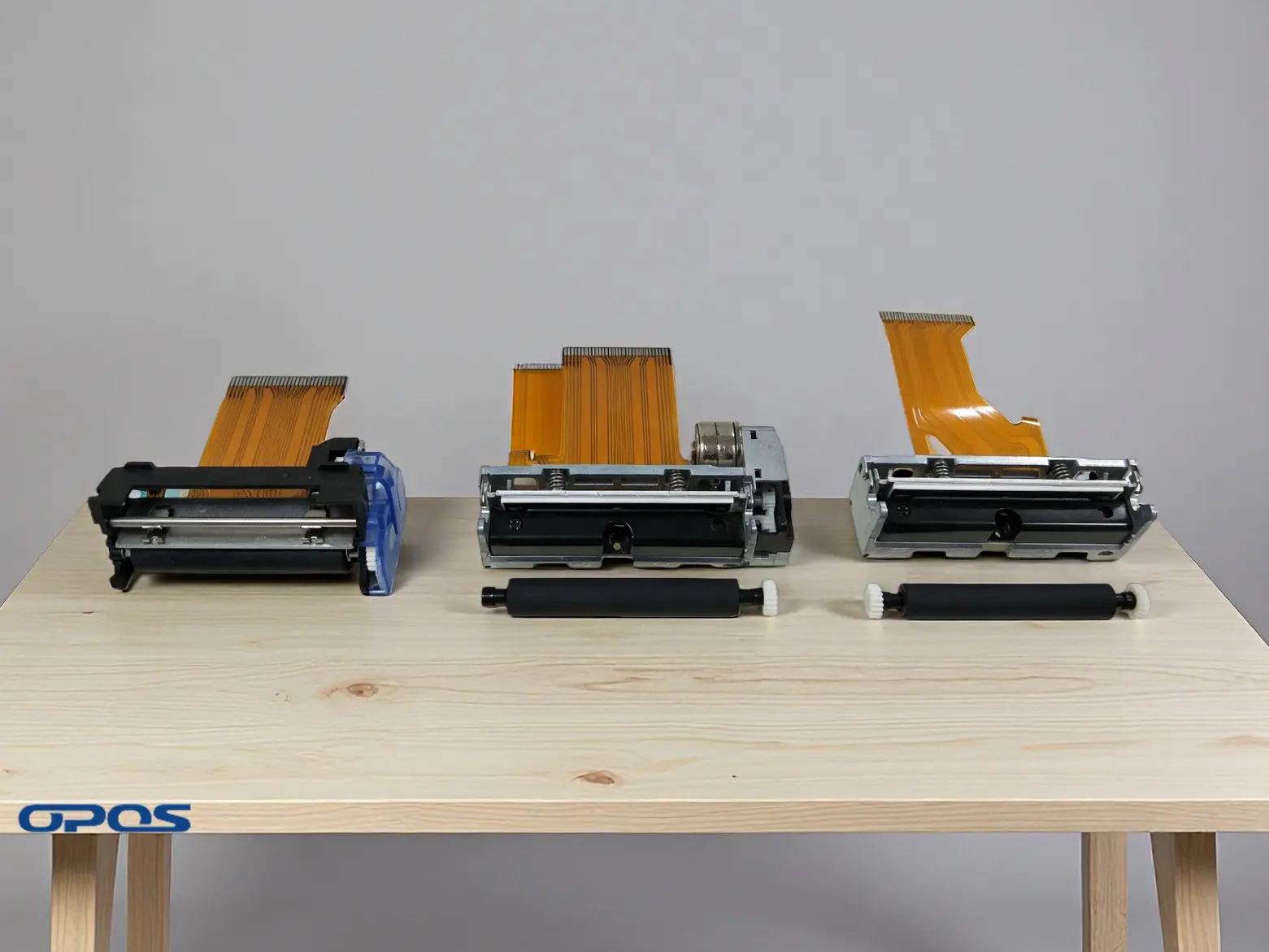
An in-depth look at thermal printhead technologies, explaining the roles of the ceramic substrate, resistor elements, and heat sink design in modern labeling machinery.
Read ArticlePremium OEM assemblies, linerless cutters, and rugged mobile hardware ready for global distribution.