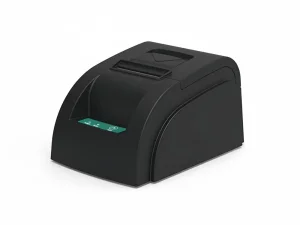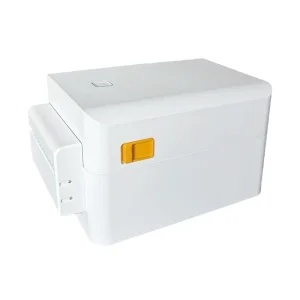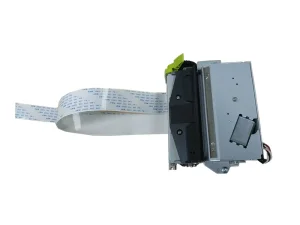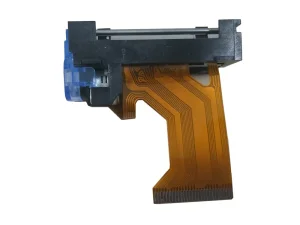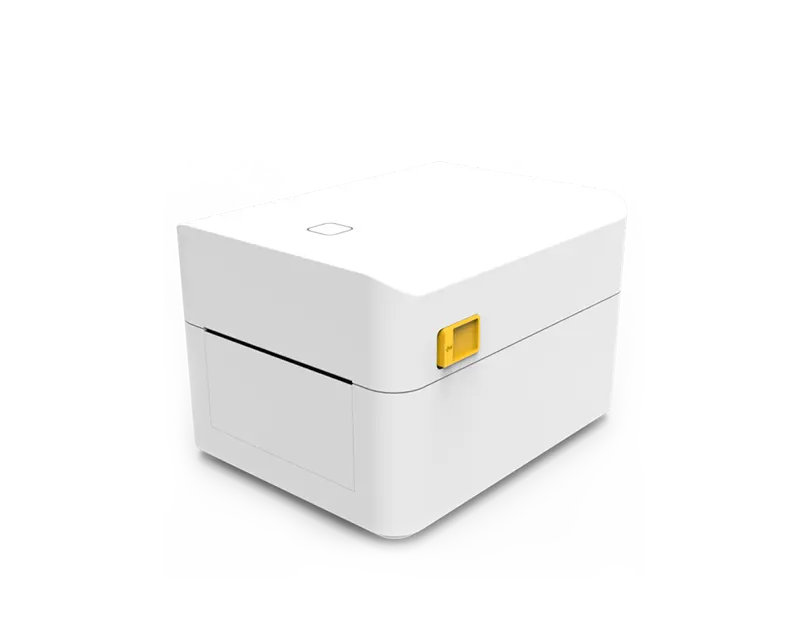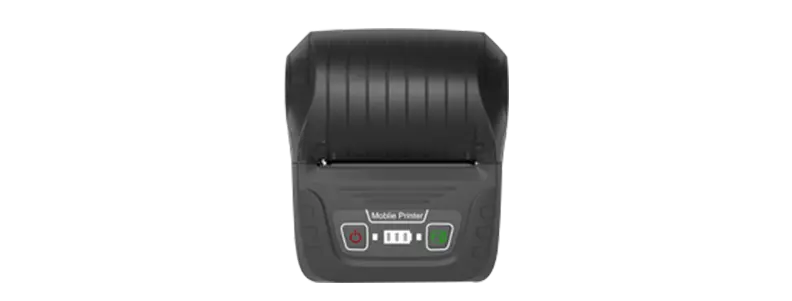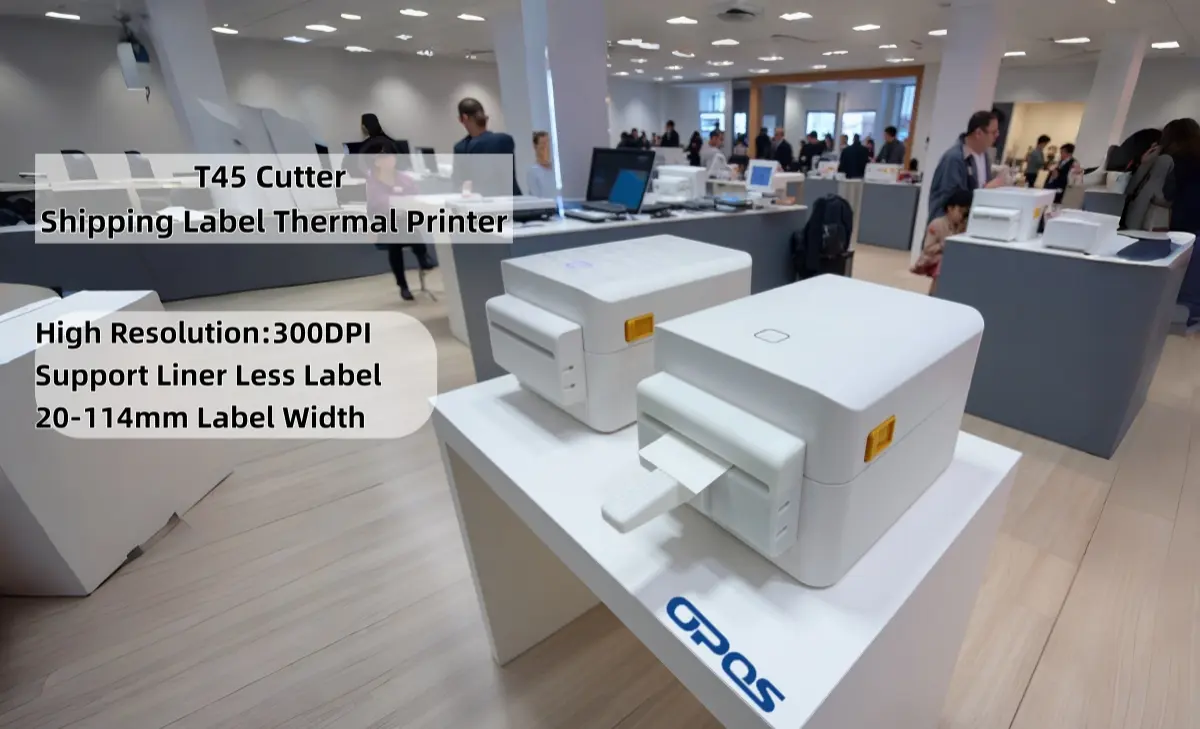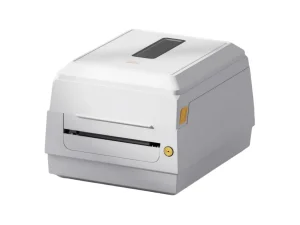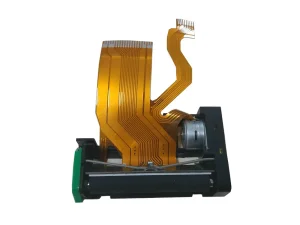
High-reliability print engines and mechanisms designed for global industrial, retail, and kiosk integrations.
Selecting the correct printing technology is critical for system integrators. Direct Thermal (DT) printing relies on chemically treated, heat-sensitive media that darkens when passing under the thermal printhead (TPH). While highly efficient and ribbonless, DT prints are highly susceptible to fading under UV exposure, heat, and mechanical abrasion.
Conversely, Thermal Transfer (TT) printing utilizes a heated ribbon containing wax, wax-resin, or pure resin pigments. The TPH melts the ribbon's backing, fusing the pigment onto the substrate (paper, polyester, polypropylene, or polyimide). This chemical fusion creates high-definition bar codes, alphanumeric strings, and vector graphics that resist solvents, scratching, and outdoor exposure for decades.
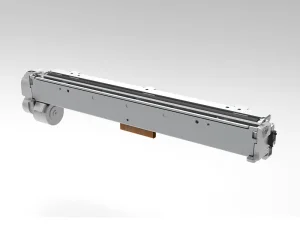
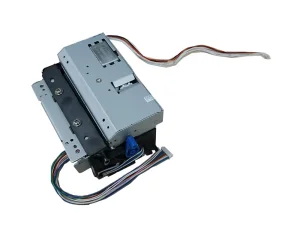
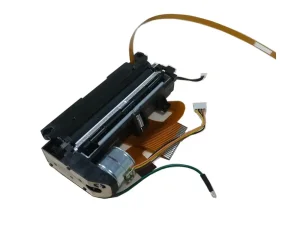
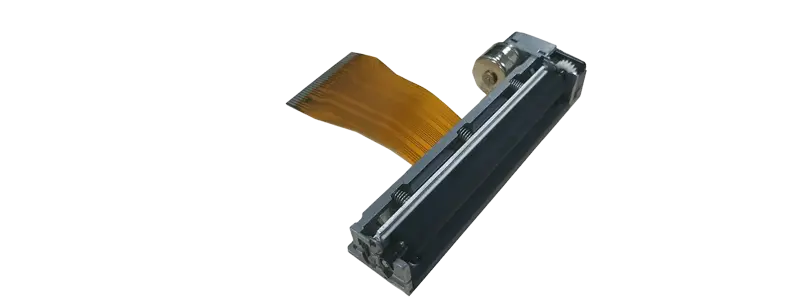
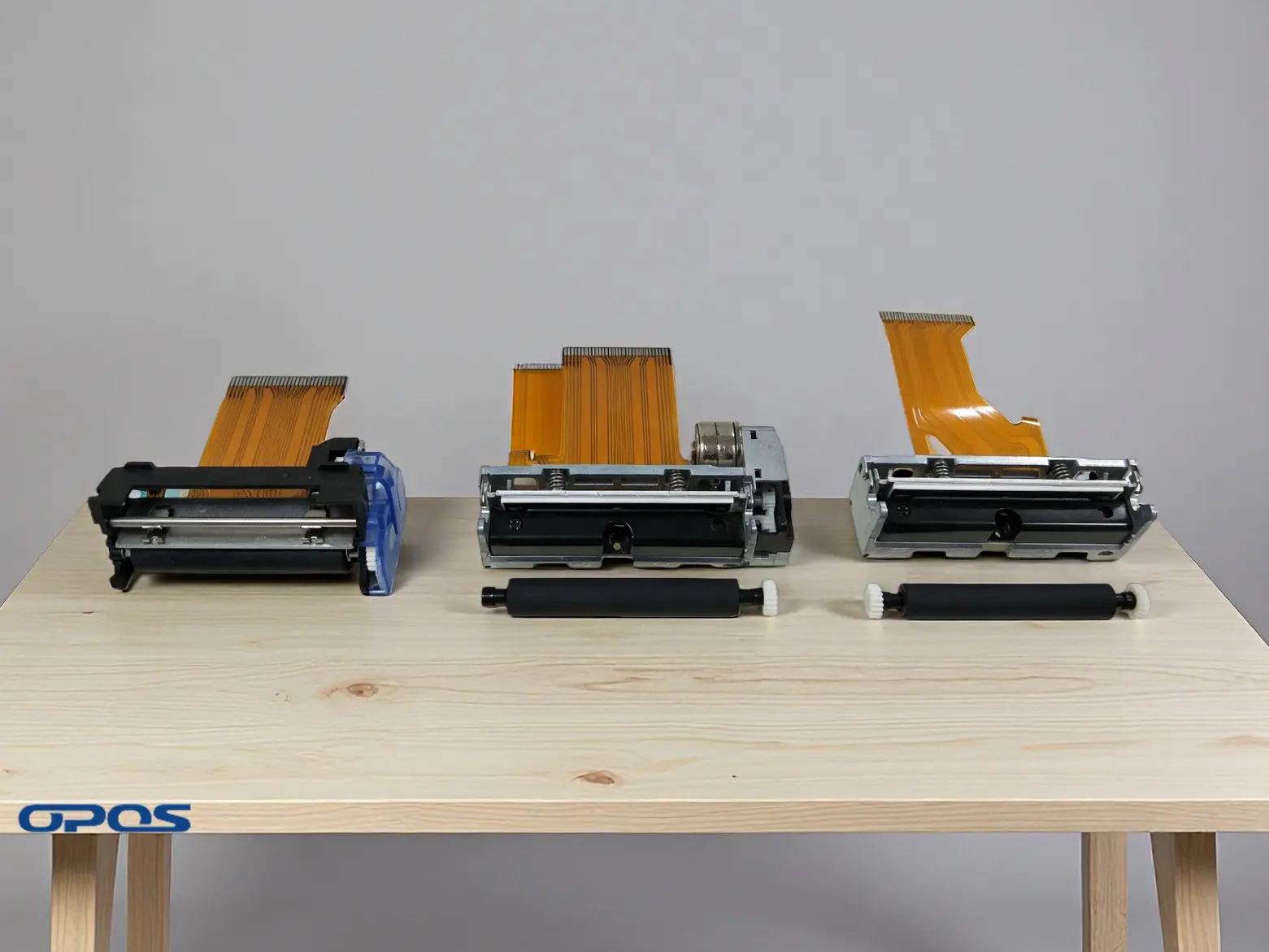
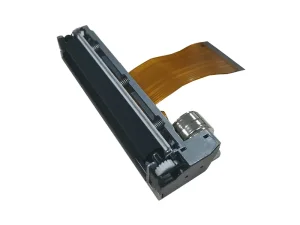
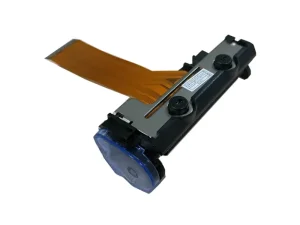
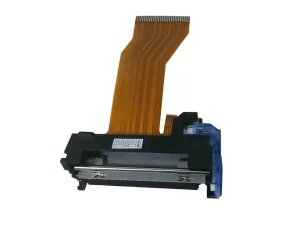
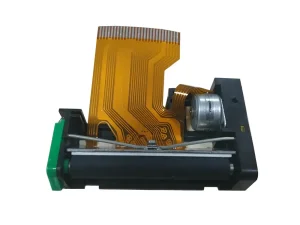
For industrial machine builders, the thermal printer mechanism is the core subassembly. A high-performance mechanism must integrate seamlessly with logic controllers, power rails, and media management guides.
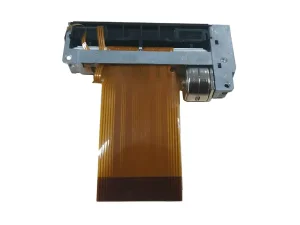
Modern OEM manufacturers develop mechanisms designed to replace industry-standard footprints directly. For instance, the compatibility with legacy brands like Fujitsu, Seiko, and Epson enables system integrators to drop new hardware into existing terminal casings without redesigning their physical metal frames or modifying their core firmware layers.
China's advanced industrial hubs, particularly in Xiamen, have developed a vertically integrated manufacturing ecosystem for thermal print systems. This geographic cluster encompasses precision injection molding, multi-layer PCB design, automated SMT lines, and extensive quality control facilities.
By localizing the entire supply chain from raw silicon components to completed plastic frames and precision gears, factories like OPOS (Xiamen) Electronic Technology Co., Ltd. can guarantee production continuity even during global shipping disruptions. Vertically integrated production reduces lead times from months to weeks and ensures tight control over manufacturing tolerances, maintaining strict alignment with international quality standards.
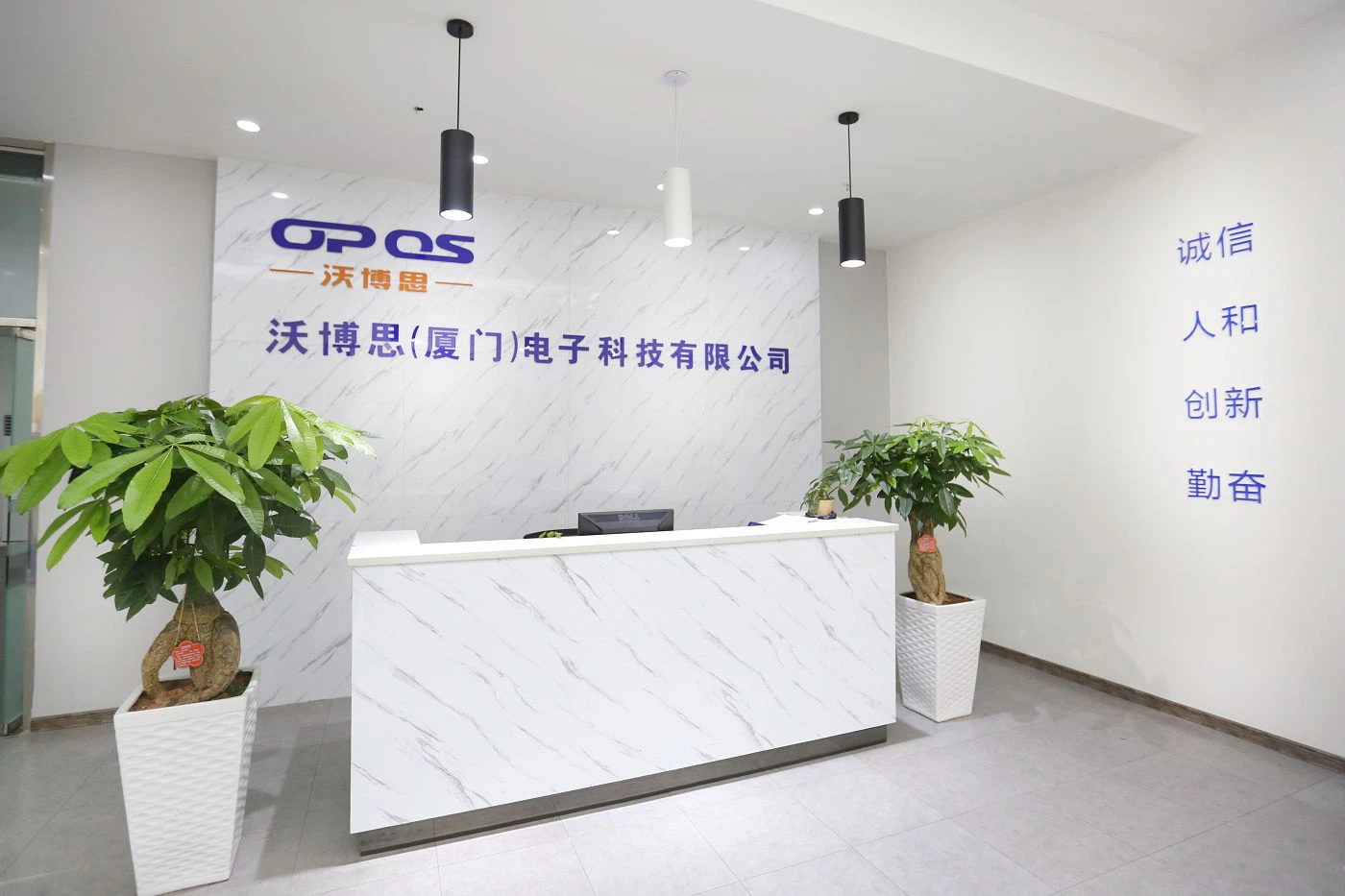
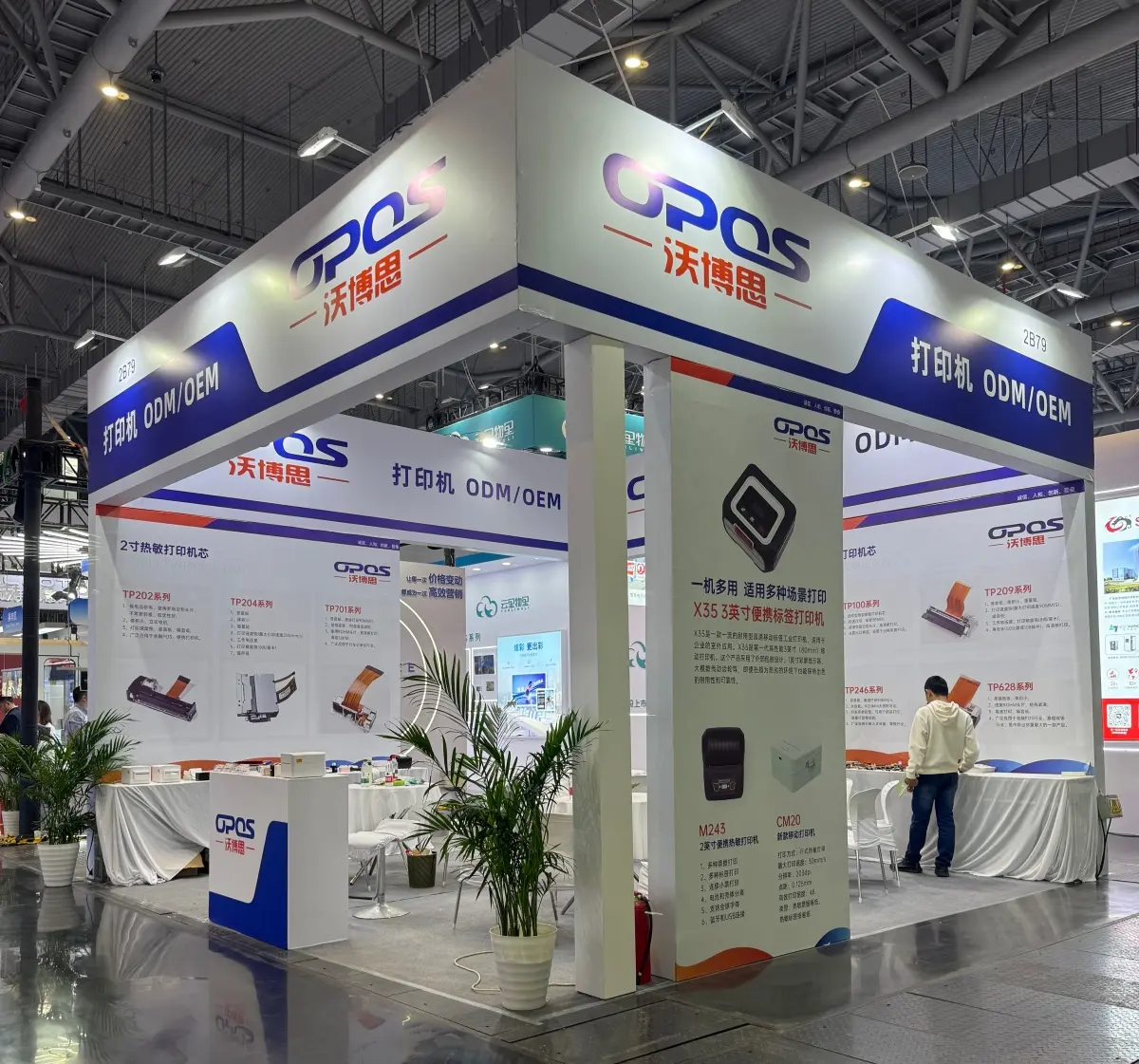
Established in 2005 in Xiamen, Fujian Province, China, OPOS is a pioneer in the design, development, and manufacturing of thermal printers, POS printer mechanisms, dot matrix mechanisms, and integrated cutting assemblies.
Operating from a state-of-the-art 5,000 m² factory floor, our engineering teams are dedicated to custom OEM/ODM solutions, ensuring that our products serve businesses in over 20 countries. With more than 70 invention patents, we focus on driving print performance forward.
Engineered for seamless integration, high-performance output, and long-term durability.
End-to-end design control, certified facilities, and global service support.
Custom mechanical chassis designs, custom sensor configurations, and unique firmware variations.
Our R&D team develops our own gearboxes, cutters, and printer control systems in-house.
Direct engineering channels provide integration support, driver updates, and protocol configuration guidance.
Comprehensive physical warranty covering electronics, sensor arrays, stepper motors, and cutter assemblies.
The print industry is adopting high-density 300 DPI and 600 DPI systems to print smaller, more complex barcodes for electronics manufacturing and surgical tracking labels. Our technical roadmap highlights three key focus areas:
Deploying printing machinery internationally requires compliance with local regulations. OPOS products conform to strict global electrical safety and ecological guidelines:
Our components are built to meet CE, FCC, and RoHS requirements, guaranteeing low electrical emissions and the absence of hazardous substances. Additionally, our control protocols integrate with popular warehouse management networks (WMS) and enterprise ERP systems like SAP and Oracle, minimizing deployment friction across regions.
Where high reliability and high-speed labeling systems are critical.
From initial design evaluation through to global distribution logistics.
Evaluating mechanical specs, power input requirements, and ribbon chemistry for your specific integration needs.
Creating custom chassis mockups, specifying custom connectors, and tailoring firmware for your control hardware.
Manufacturing high-precision sample runs to check interface compatibility and test physical dimensions.
Producing order runs under automated SMT control, monitored by strict quality control procedures.
Pre-configuring communication protocols and packing units in protective electrostatic discharge (ESD) wrapping.
Managing maritime, rail, and air shipping channels with full regulatory documentation for customs clearance.
Updates from our production floors and announcements from trade shows.
Answers to common engineering questions regarding layout, compatibility, and design configurations.
Explore our high-reliability desktop systems and specialized OEM compatible mechanisms.