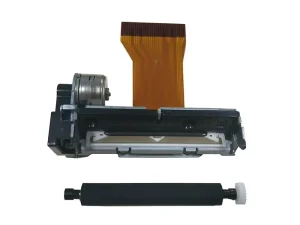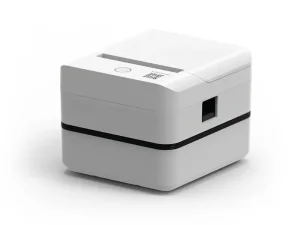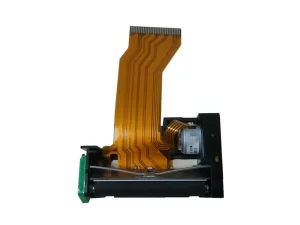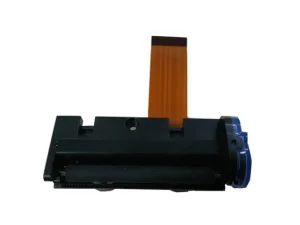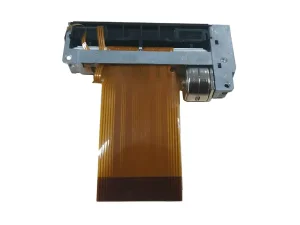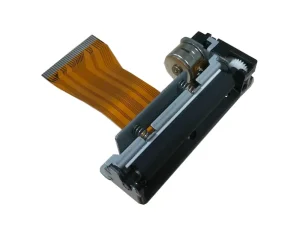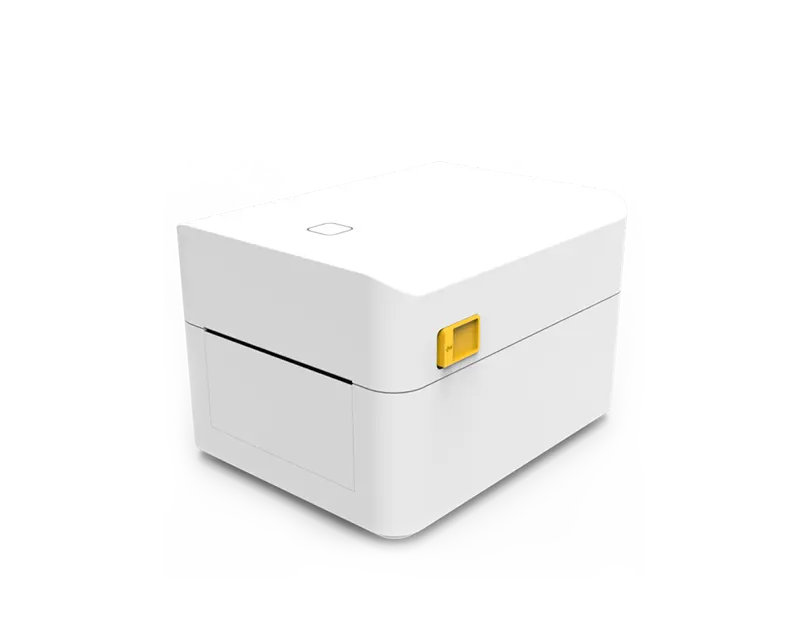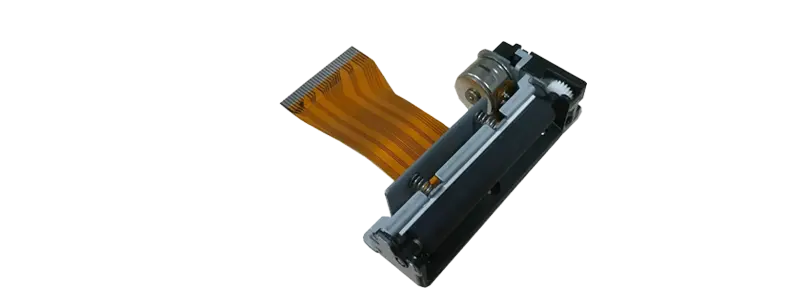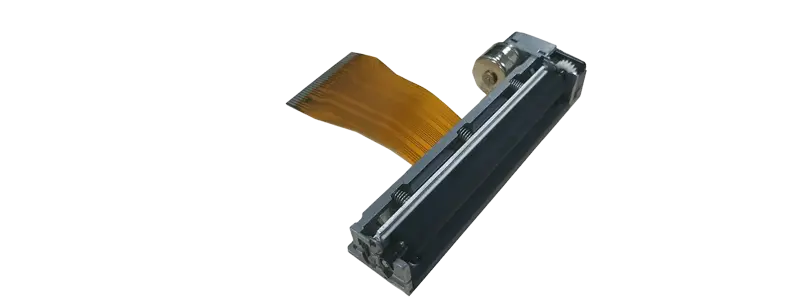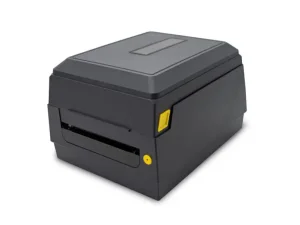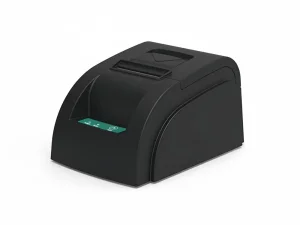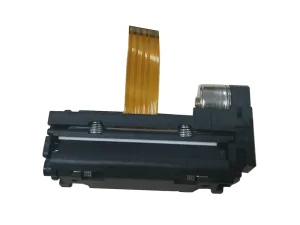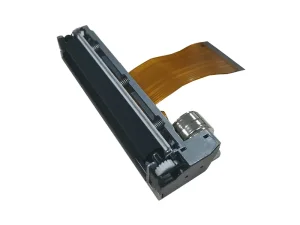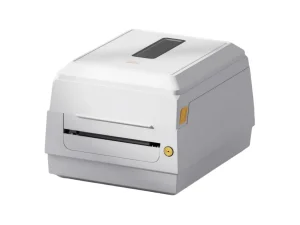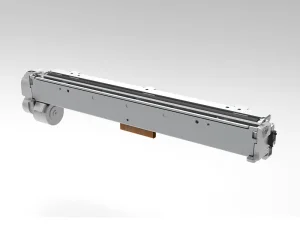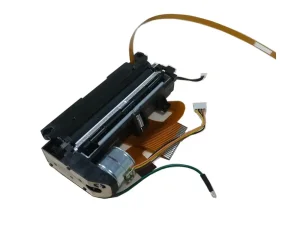
Explore our primary industrial components, designed for drop-in compatibility with leading Japanese brands, delivering premium print density and thermal longevity.
The global commercial landscape is undergoing a massive shift towards wireless and mobile point-of-sale (mPOS) infrastructure. In modern retail, food delivery systems, and micro-distribution environments, legacy tethered printing hardware has become a production bottleneck. The integration of Bluetooth thermal POS printers has resolved these operational bottlenecks by removing physical cables and enabling seamless, real-time receipt generation directly from mobile phones, tablets, and handheld enterprise devices.
According to recent industry market analyses, the demand for mobile thermal printing hardware has expanded at a compound annual growth rate (CAGR) of over 8.4%. This growth is heavily driven by the emergence of quick-service food applications, micro-warehousing, and third-party delivery dispatch systems in major economies such as North America, Europe, Southeast Asia, and Latin America. Bluetooth Low Energy (BLE) 5.0 and Dual-Mode (classic Bluetooth and low power protocols) technologies allow printers to operate under strict power limits while maintaining instantaneous wakeup times and stable, multi-channel connections to iOS and Android terminal platforms.
Operating in this environment requires hardware to possess high resistance against physical dropping, dust ingress, and thermal wear. High-frequency retail environments require print heads capable of handling 100km to 150km of thermal paper abrasion without degrading barcodes, QR codes, or text legibility. For volume distributors and enterprise buyers, procuring these components from a vertically integrated manufacturer ensures consistent thermal head calibration, firmware compliance with ESC/POS emulation, and scalable API support.
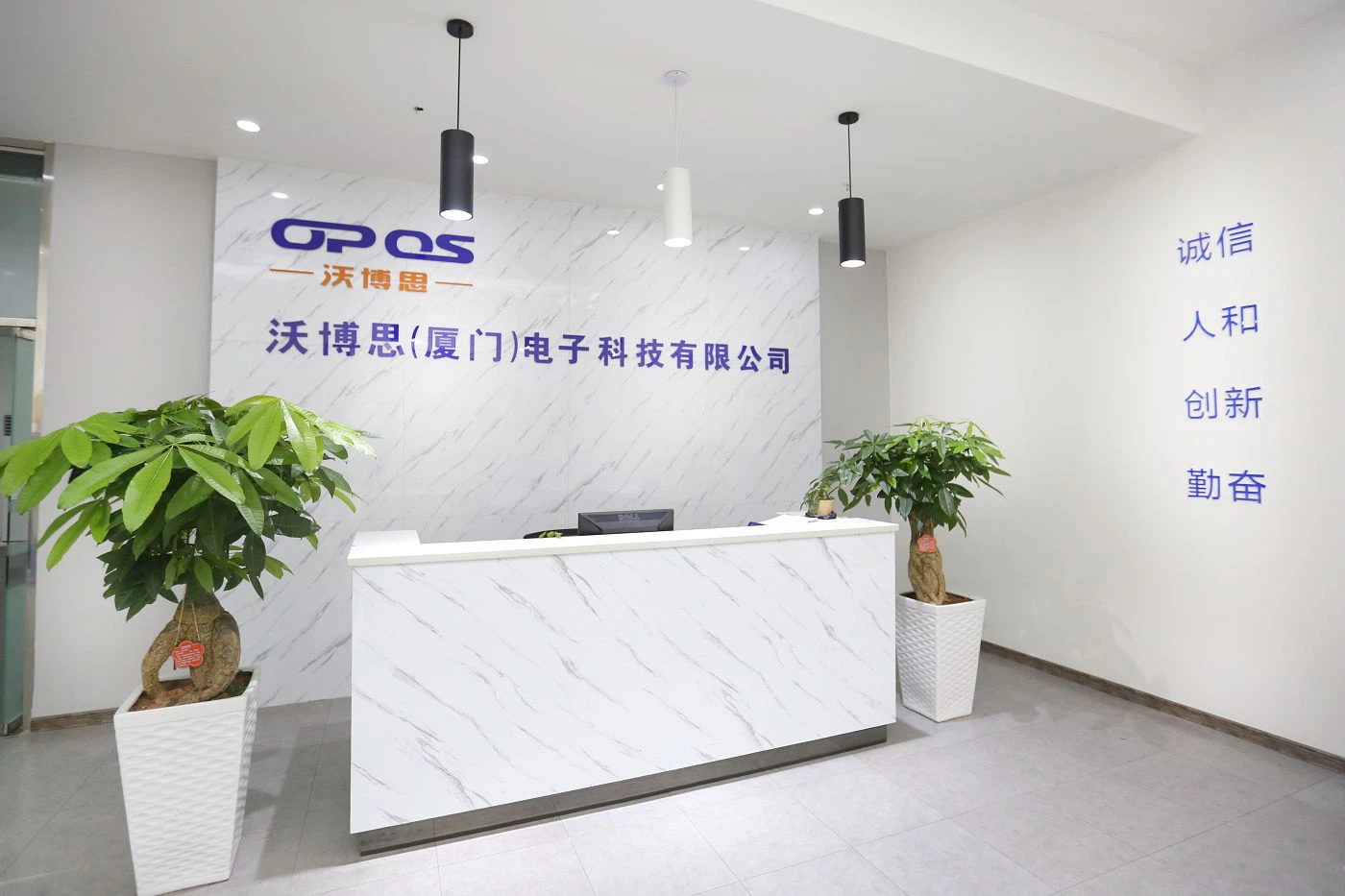
Established in 2005 and located in Xiamen, Fujian Province, China, OPOS (Xiamen) Electronic Technology Co., Ltd. is a pioneer in the domestic printer mechanism industry. From our early days researching and developing dot-matrix mechanisms, we have grown into a leading high-tech enterprise.
Today, our engineers design, manufacture, and export thermal printers, POS printer mechanisms, label/receipt mechanisms, and precision cutter components. By controlling the entire manufacturing pipeline—from SMT board placement to mechanical gearing assembly—we guarantee high reliability and structural consistency for all global shipments.
Through continuous innovation, we secure structural durability and thermal efficiency, allowing clients to replace legacy Japanese models with our compatible drop-in alternatives while reducing bill-of-materials (BOM) costs.
Read More About UsChina's dominance in POS hardware manufacturing stems from vertical supply chain integration, and the Xiamen electronics cluster represents its pinnacle. Our Xiamen facility operates fully integrated production stages. Gearing systems, stepper motors, thermal print heads, and driver PCBs are sourced and assembled locally under strict quality management systems (QMS).
This geographic proximity eliminates logistics delays for key components. When developing complex custom systems—such as mechanisms compatible with Seiko LTPZ245 or Fujitsu FTP-628 design footprints—our design team can develop prototypes, test structural fit, run initial SMT boards, and complete pilot runs in a fraction of the typical lead time.
Furthermore, automated assembly lines and specialized testing rigs ensure that every exported batch maintains standard resistance tolerances. This combination of precision and volume production allows global distributors to optimize their supply chain and lower overall procurement costs.

Engineered for long-term reliability and flexible industrial sourcing

We provide tailored thermal printer systems, customized housings, board footprints, and firmware to align perfectly with your specialized POS terminal configurations.

Our internal engineering team continuously develops innovative gear profiles and thermal controls, protecting your supply chain with 70+ patents.

From ESC/POS command configuration to Android and iOS SDK integration, our developers provide direct support to simplify system deployment.

Every shipment is backed by a 12-month QMS warranty, including spare parts availability and engineering analysis for continuous field operations.
How our Bluetooth printers adapt to unique regional requirements
Thermal printers are critical components in a wide range of industries. Adapting to these environments requires customized hardware solutions:
Courier services require portable, high-impact designs with high-capacity rechargeable batteries. Our systems provide optimized battery management to support all-day operation, ensuring couriers can print shipping manifests, barcodes, and labels on-demand in the field.
Modern retailers require compact thermal POS receipt printers that pair reliably with local Android or iOS register systems. High-reliability print heads ensure sharp text and barcode replication, even during peak sales hours.
Sterile environments require printers capable of outputting ultra-sharp barcodes on highly durable synthetic media. Patient verification tags, pharmacy prescriptions, and laboratory test labels must remain legible when exposed to chemical solvents.
Proven performance across major commercial sectors





When sourcing industrial printing mechanisms or desktop receipt units, enterprise buyers focus on technical parameters that go beyond basic hardware specs. In order to select the right supplier, procurement teams must evaluate compatibility and performance metrics across several key areas:
1. Driver Architecture and SDK Stability: Hardware is only as good as the software supporting it. High-quality printers must include SDK libraries for Android, iOS, Windows, and Linux (CUPS) environments. Modern POS apps rely on robust connection recovery algorithms within these libraries, ensuring that if a Bluetooth connection drops mid-receipt, data is cached and automatically reprinted once paired again.
2. Print Head Abrasion Durability: Print head lifetime is measured in millions of pulses and kilometers of paper. OPOS thermal components utilize advanced thin-film glazing to minimize wear from direct paper contact, protecting the heating elements from dust and adhesive buildup during high-volume print runs.
3. Electrical Footprint Compatibility: For equipment developers (OEMs), dropping in a replacement mechanism requires pin-to-pin alignment with existing power rails and logic headers. Our components feature matching resistance values and physical mounting tabs compatible with standard Seiko and Fujitsu footprints, eliminating the need to redesign existing PCB layouts.
High-performance devices selected for modern enterprise environments
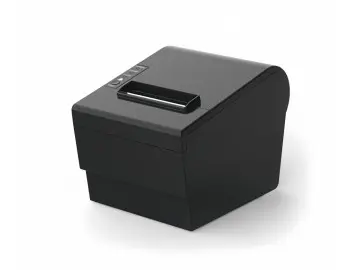
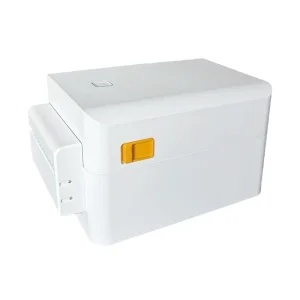
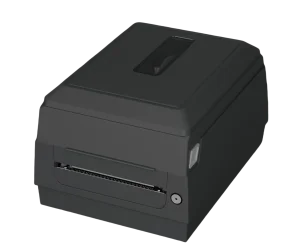
A high-speed 3-inch (80mm) receipt printer built for modern dining and retail terminals, delivering reliable printing performance under heavy daily workloads.
Read More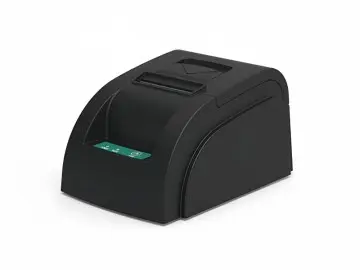
A space-saving 2-inch (58mm) desktop receipt model designed specifically for limited-space POS systems, ordering kiosks, and bill payment terminals.
Read More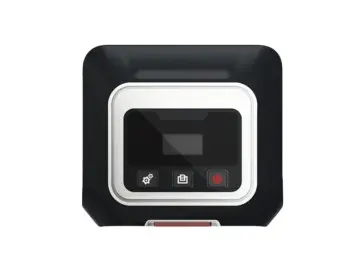
A lightweight 3-inch (80mm) mobile device designed for field workers, delivery fleets, and inventory managers requiring on-the-go labeling.
Read More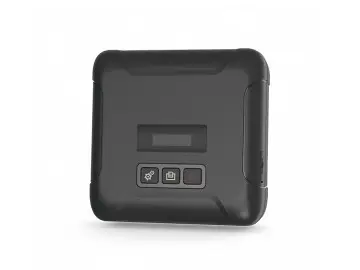
Pocket-sized Bluetooth 80mm labeling hardware built to survive drops and environmental exposure during field courier tasks.
Read MoreFrom initial consultation to global delivery—ensuring quality at every milestone


Stay Informed: Discover the Latest Updates and Insights from Our Team.
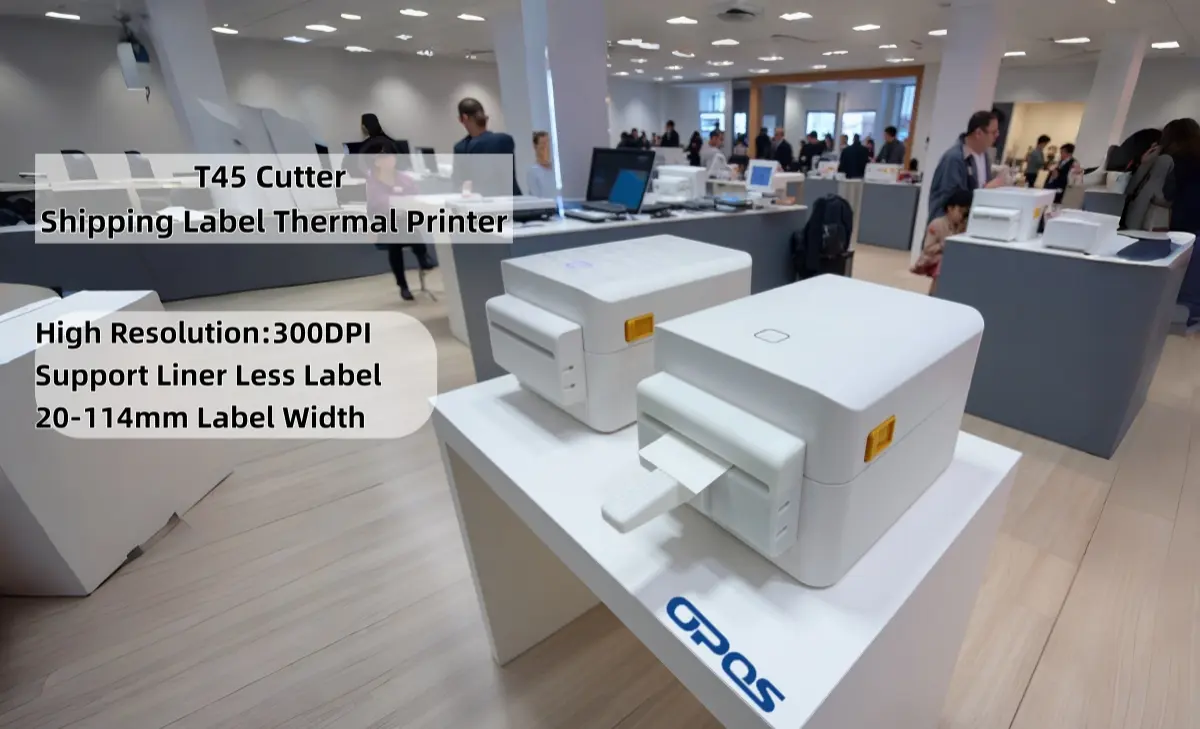
At Xiamen OPOS Printer, we are thrilled to announce the launch of our latest innovation: a high...
Read More >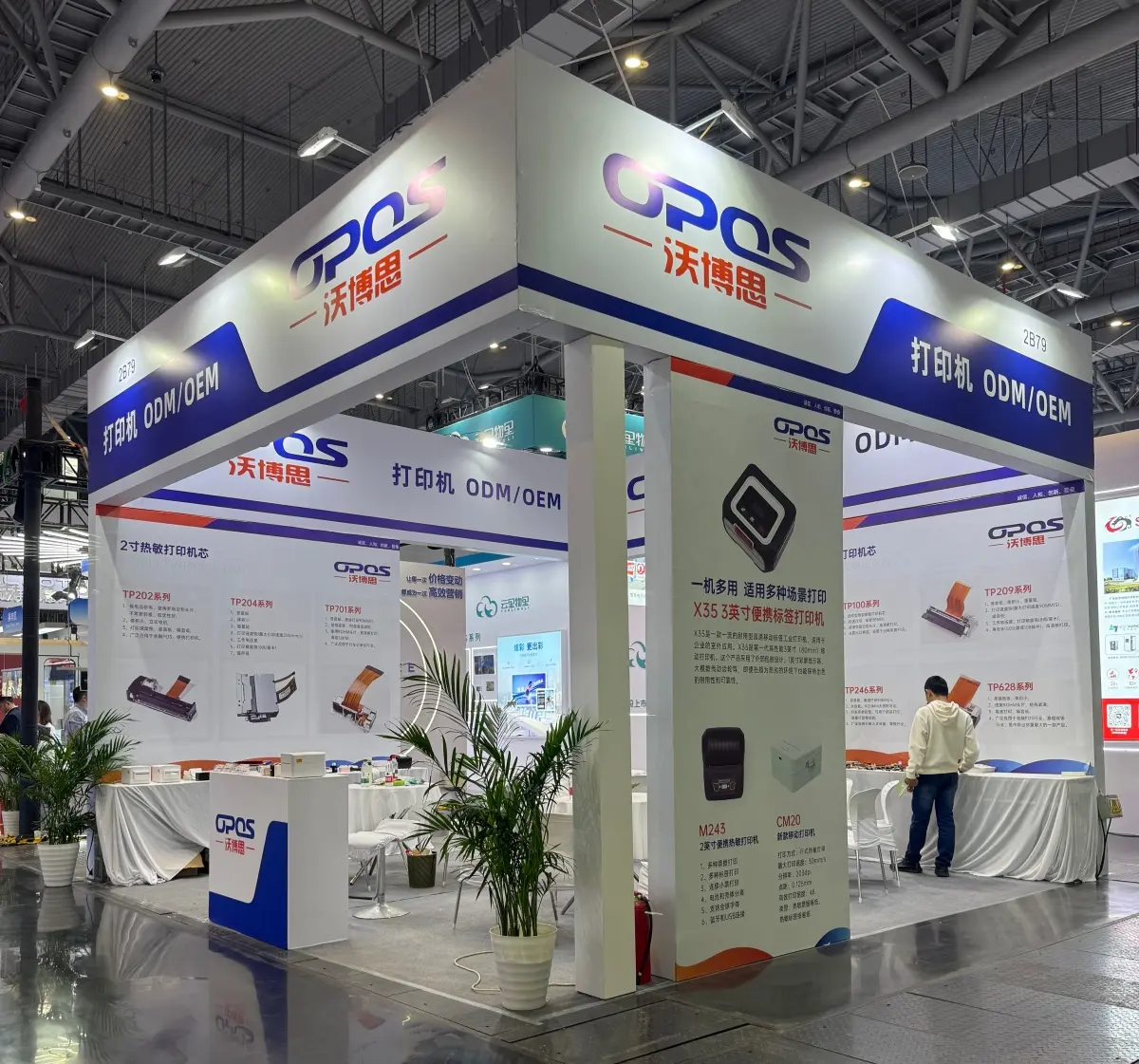
We are excited to share that OPOS Printer recently participated in the Chinashop Exhibition in ...
Read More >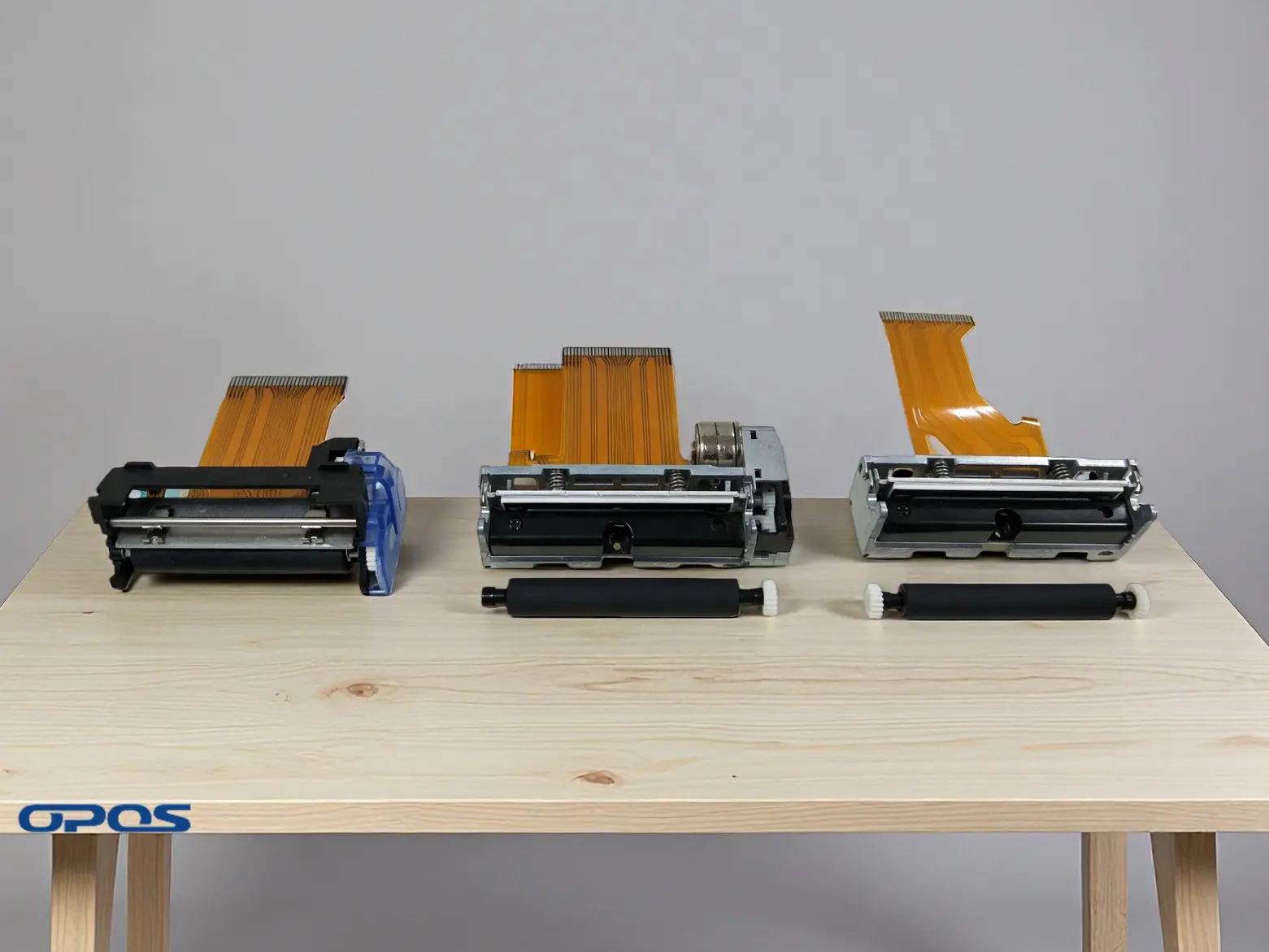
A thermal printhead, also known as a thermal printer mechanism, is the core component of a ther...
Read More >Looking ahead, thermal printing technology will focus on enhancing environmental sustainability and expanding wireless bandwidth capabilities. Standard thermal printing historically relied on thermal papers containing Bisphenol A (BPA). Due to changing global environmental laws, modern thermal print heads must be designed to print on BPA-free, linerless, and thin-film media without causing glue buildup or paper jams.
Our R&D efforts target high-efficiency thermal output and optimized power management. By reducing the electrical resistance of our print head heating elements, our mechanisms can print crisp text using less energy per dot. This energy efficiency extends battery runtimes for mobile operators, enabling them to complete full shifts on a single charge.
Simultaneously, we are upgrading our wireless interface modules to support Bluetooth 5.2 and multi-host pairing. This allows a single thermal printer to receive print queues from multiple tablet registers or mobile phones at once, improving order management in fast-paced retail and kitchen environments.
Expert answers to key technical questions from procurement teams and system integrators
From print mechanisms to fully integrated desktop units—tailored for global distribution