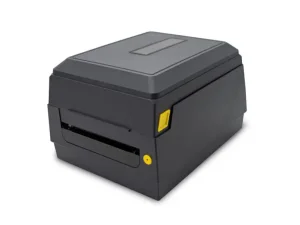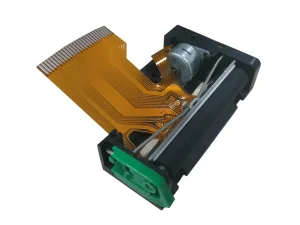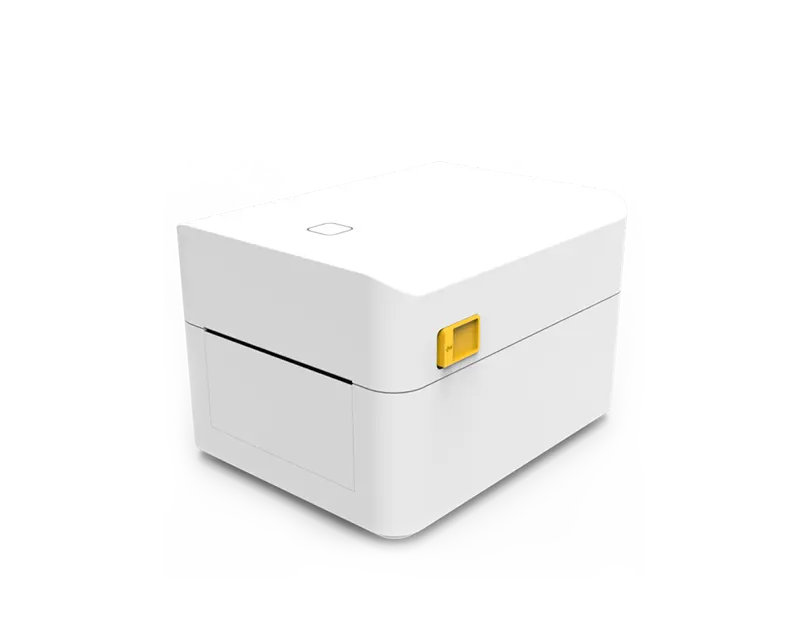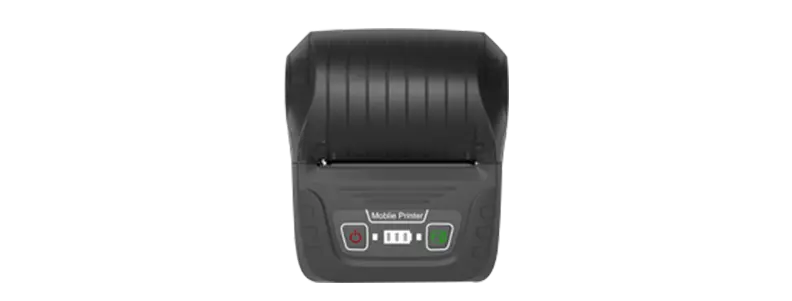
Advanced OEM/ODM Thermal Mechanisms & Printers engineered for global retailers, medical networks, and high-velocity logistics operations.
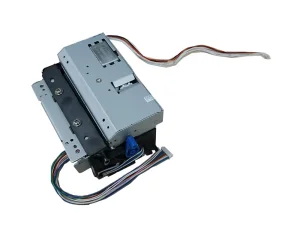
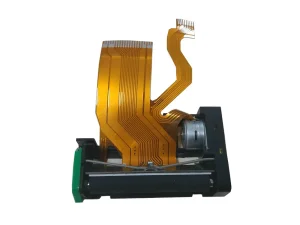
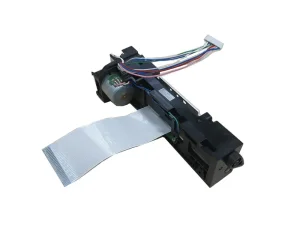
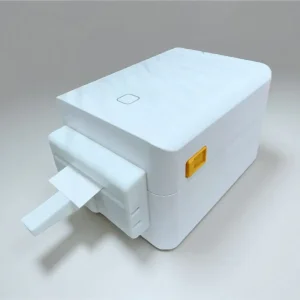
In the modern era of hyper-connected commerce, direct wireless printing technology serves as the primary terminal interface for industrial supply chains, transport services, and point-of-sale systems. Bluetooth thermal receipt and label printers have transformed from standalone hardware components into critical data-processing nodes.
Global businesses require low-latency, energy-efficient Bluetooth printing hardware with high mechanical durability. As leading manufacturers, we customize components and build finished systems to address these critical parameters: high-duty cycle performance, multi-platform firmware compatibility (supporting iOS, Android, and Windows systems), and robust energy management protocols.
Whether implementing last-mile parcel shipping systems, printing localized patient identification labels in healthcare settings, or configuring high-speed desktop thermal transfer units for heavy-duty industrial warehouses, selecting the correct supply partner defines operational cost efficiency.
Fully customizable dual-mode Bluetooth (SPP & BLE) solutions compatible with complex warehouse management networks.
Direct control over printing temperatures, micro-step motor driving, and printhead degradation algorithms.
Hardware designed in compliance with major global safety, environment, and radio frequency regulations.
Understanding the internal electronic configurations, printhead durability mechanisms, and firmware stacks that separate enterprise-grade devices from consumer alternatives.
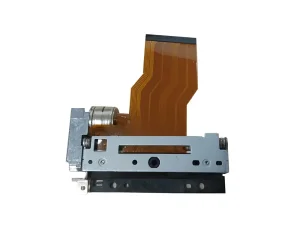
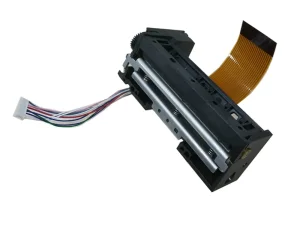
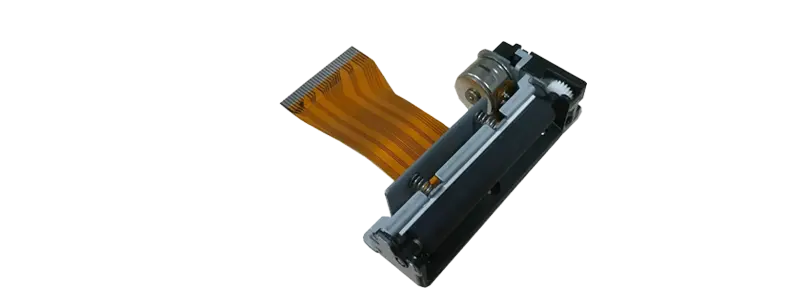
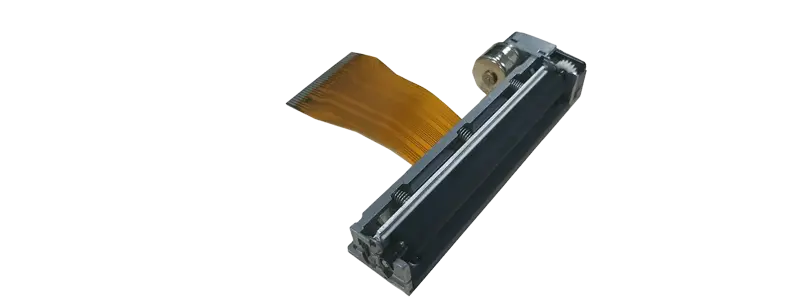
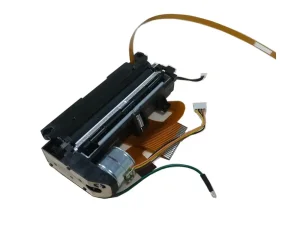
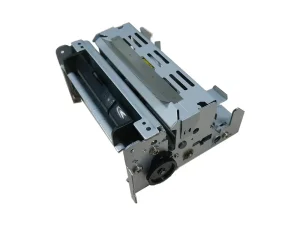
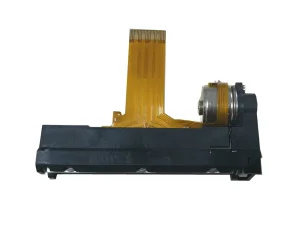
The core of our thermal printing reliability is based on Japanese-engineered, high-performance heating resistors and durable stepper motor gears. Featuring mechanical configurations compatible with industry-standard Seiko and APS mechanisms (e.g., Seiko LTP Series, PRT PT1041S, APS MP205-LV), our setups guarantee minimum wear over 50km to 150km of output. Electronic systems dynamically modify printhead pulse frequencies in response to ambient temperatures to maintain clear print outputs without overheating the hardware.
Traditional Bluetooth printers often experience latency or connection drops when interfacing with complex modern app platforms. Our modules utilize high-performance Bluetooth 5.0 Dual-Mode RF chips. This architecture supports both Classic SPP (Serial Port Profile) for rapid data transfers on legacy Android and PC systems, and BLE (Bluetooth Low Energy) for low-power operation on iOS. Firmware protocols permit simultaneous multi-device connections, avoiding queue blocks and improving processing speed.
Integrating third-party applications requires standardized coding frameworks. Our printers support the ESC/POS and TSPL command libraries. We provide extensive native SDK options for Android, iOS, Windows, and Linux. This enables easy programming of layout formats, linear barcodes (Code 39, Code 128), and complex 2D symbols (QR Code, PDF417). Our firmware enables fast rendering of localized characters, Unicode text fonts, and custom logos.
Explore our specialized range of receipt printers, portable labelers, and high-performance components designed to fit specific industrial platforms.
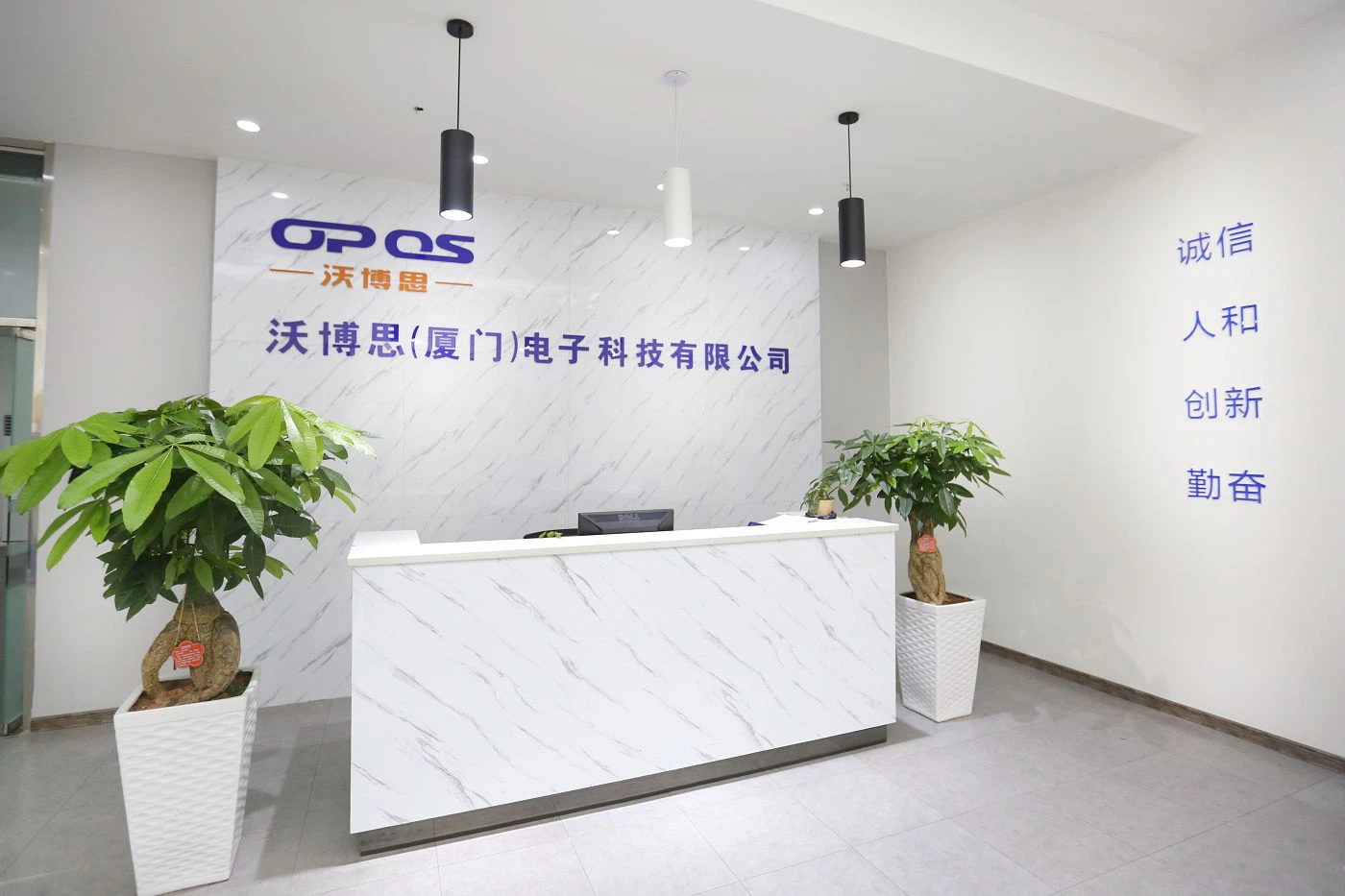
Established in 2005 in Xiamen, Fujian Province, China, OPOS (Xiamen) Electronic Technology Co., Ltd. has developed into a leading designer and manufacturer of precision thermal printing mechanisms and completed hardware systems.
As an early domestic designer of micro-printer mechanisms, OPOS has built a reputation for product quality, performance reliability, and cost-efficiency. Today, we operate as a registered high-tech enterprise, integrating R&D, structural design, plastic molding, automated electronics assembly, and global supply logistics under one facility.
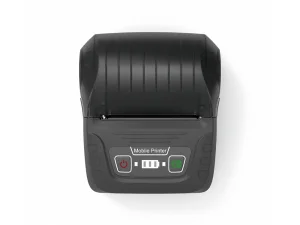
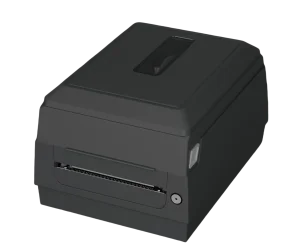
Our product catalog includes direct thermal printers, POS receipt systems, portable Bluetooth printers, and high-performance cutter units. We provide customized OEM/ODM components designed to match major international hardware standards, ensuring easy integration for system designers.
Our manufacturing footprint, structural design intellectual property, and global logistics network.
Why retail chains, manufacturing operators, and system integrators choose OPOS for direct printing solutions.
We configure layout designs, modify interface connection panels, adjust gear materials, and optimize firmware command structures to meet your performance and size requirements.
Our engineers manage mechanical design, electronic control circuitry, and embedded firmware development in-house, maintaining complete quality control and performance stability.
Our technical team coordinates directly with your software developers, helping with Bluetooth SDK integration, API configurations, and troubleshooting across various platforms.
We provide a 12-month quality warranty on all printing hardware, backed by spare parts support, diagnostic services, and product replacement policies.
OPOS thermal printers and custom mechanisms are configured to support key operations across primary economic sectors.

Reliable mobile receipt and barcode labeling tools designed for drivers and package dispatch routes, built to withstand outdoor environments.
Read Solution Case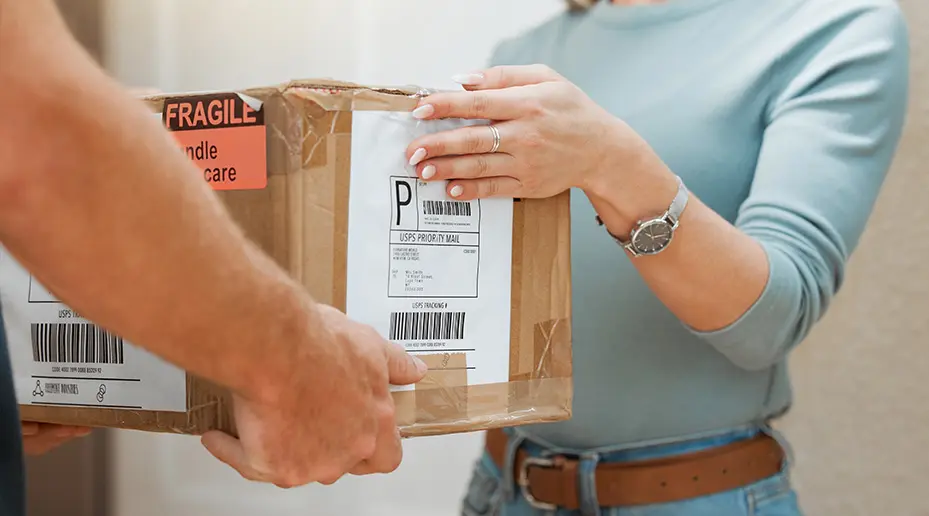
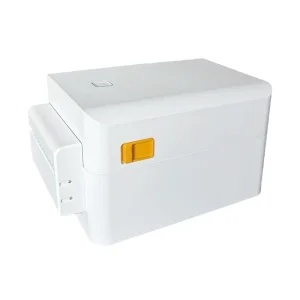
High-volume 4x6 labels and waybill printers featuring physical cutters, designed to support modern sorting and shipping hubs.
Read Solution Case
Desktop and mobile bill printers providing fast data output, supporting quick checkout points in retail stores and restaurants.
Read Solution Case
Compact thermal printers designed for fast inventory tagging, shelf labeling, and product price updates on store floors.
Read Solution Case
High-resolution mechanisms built to output durable wristbands and critical lab sample identification labels.
Read Solution CaseOur structured design and manufacturing workflow ensures your specialized printing systems meet required performance specifications.
We review application needs, technical specifications, and print volume targets.
We match appropriate mechanisms, mechanical designs, and connectivity modules.
We build working prototypes for testing and firmware compatibility verification.
We coordinate automated SMD assembly, mechanical installation, and functional testing.
We complete print quality checks, housing tests, and packing inspections.
We ship completed orders through managed logistical networks to destination hubs.
Exporting wireless electronic hardware requires compliance with international radio frequency, electromagnetic, and environmental regulations.
OPOS products are designed to meet major global certification standards. Our manufacturing processes utilize lead-free components and flame-retardant ABS housings in compliance with the RoHS and WEEE directives. Our Bluetooth modules are certified to prevent interference with other local wireless networks.
For medical and retail environments, our printers feature overheat protection sensors and power management systems. This ensures stable performance during heavy-duty operations, reducing the risk of component failures and helping businesses maintain consistent print output.
Adapting direct thermal printing technologies to match green initiatives and cloud-integrated systems.
Modern supply chains are moving toward eco-friendly options. OPOS supports this transition by developing mechanisms that work with linerless thermal paper. By removing the backing paper, businesses can reduce waste, fit more paper per roll, and lower shipment weights, supporting overall carbon reduction goals.
We are integrating network functionality directly into our printer firmware. Our upcoming models will process print commands directly from remote web servers via local Bluetooth gateways. This removes the need for local print drivers, simplifying integration with web-based retail and logistics software.
To reduce system downtime, our next-generation printers will feature built-in sensor arrays. These systems monitor printhead resistance variations, battery health, and mechanical gear wear in real time. Standard status reports are transmitted via Bluetooth, helping teams handle maintenance before hardware failures occur.
Keep up with our latest product announcements, trade show appearances, and technical insights from our engineering team.
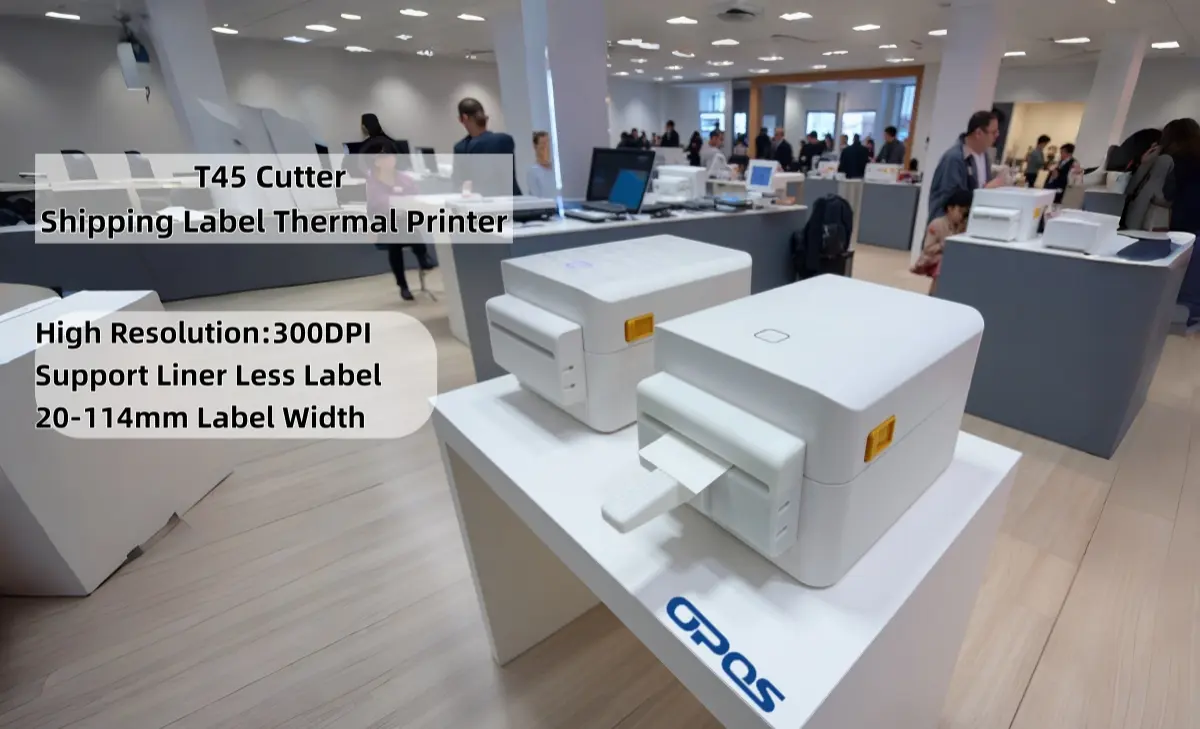
We have expanded our product lineup with high-resolution desktop models designed for precise text and barcode printing...
Read Full Article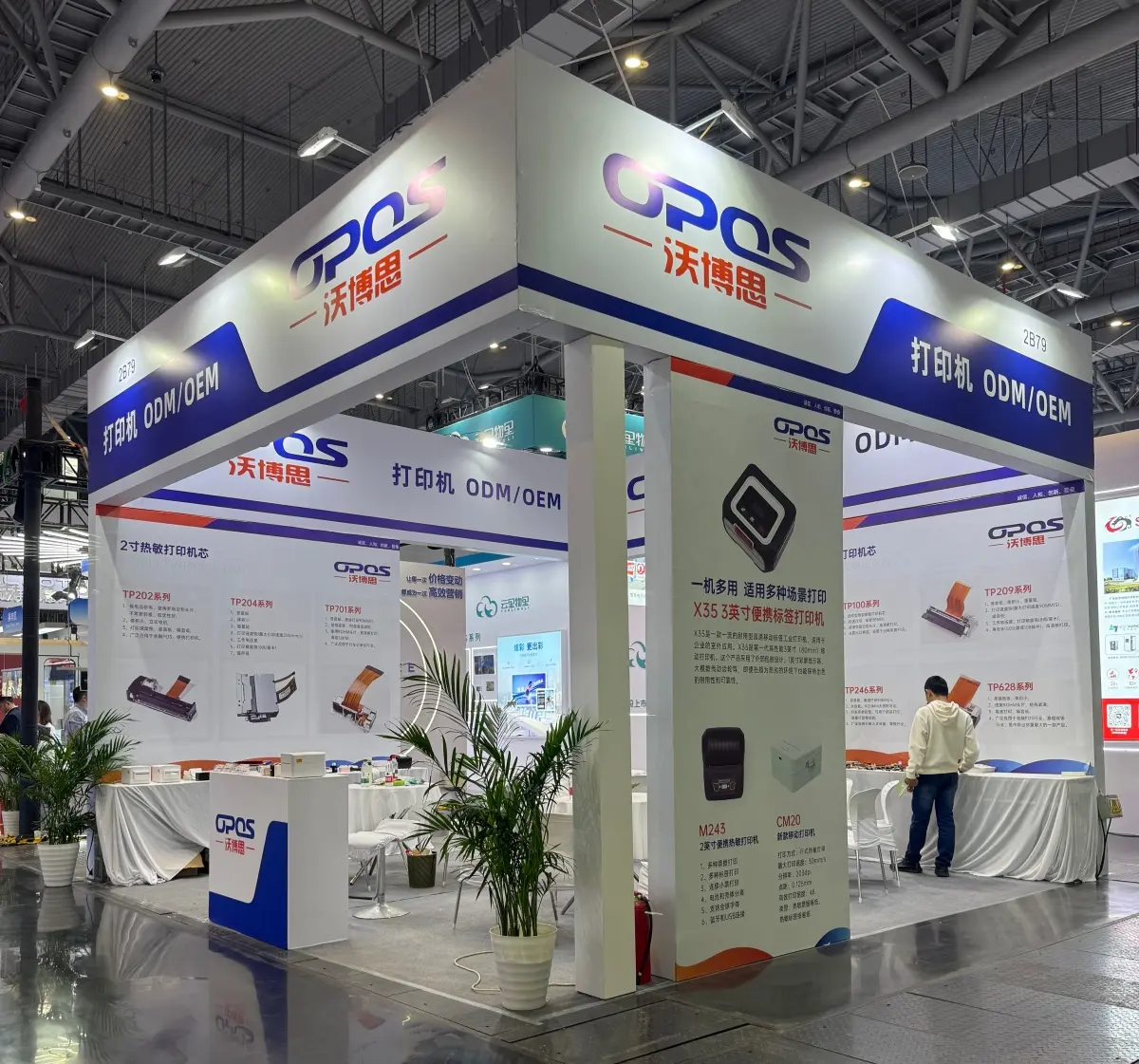
Our team recently presented our mobile POS receipt printers and custom mechanisms at the Chinashop Exhibition, connecting with global retail partners...
Read Full Article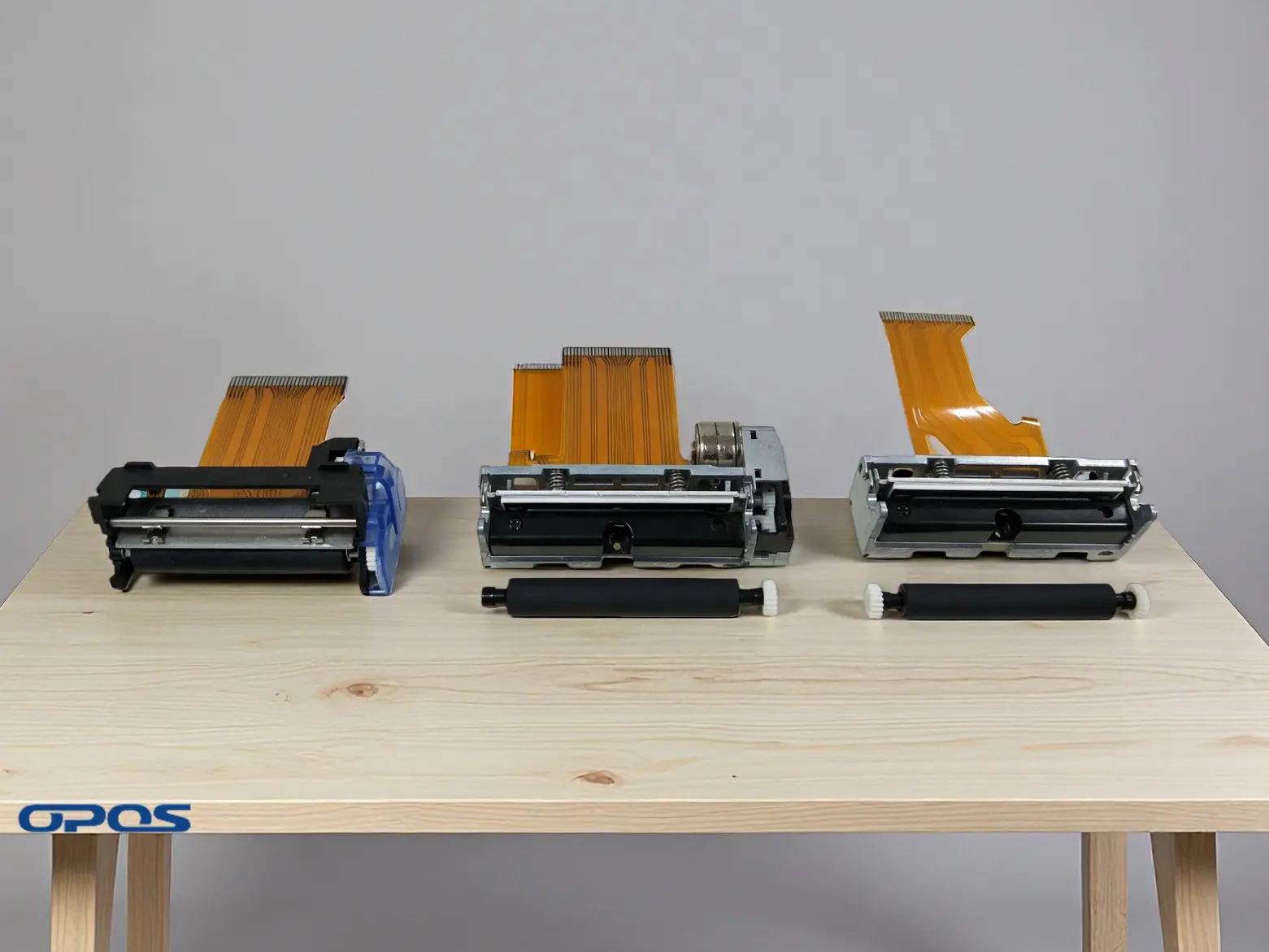
We break down the core components of thermal printheads and explain how direct thermal heat transfer works in modern hardware...
Read Full ArticleClear, direct technical answers regarding configuration, ordering, and mechanical integration of our thermal hardware.
Our standard thermal mechanisms are rated for a physical lifetime of 50km to 150km of printed output, depending on the specific model and the thermal paper quality used. To maximize printhead lifetime, we recommend cleaning the heating elements regularly with isopropyl alcohol and using paper within specified thickness tolerances.
Yes, our printers use dual-mode Bluetooth modules. They connect to iOS devices via low-power BLE (Bluetooth Low Energy) and to Android systems via Classic SPP (Serial Port Profile). We provide complete SDKs for both platforms to support fast integration.
Yes, many of our mechanism models are designed with physical mounting holes, electrical connectors, and gear configurations that match popular industry units, such as the Seiko LTP series, PRT, or APS mechanisms. This makes them suitable as cost-effective replacement components.
We offer structural adjustments to plastic injection housings, logo placement, specific button configurations, and custom indicator light placements. For internal electronics, we can modify interface board configurations, including adding USB, serial, or drawer control interfaces.
Standard inventory components typically ship within 7 to 15 working days. Large bulk orders or customized OEM products require 30 to 45 days, depending on tooling adjustments, raw component sourcing, and testing requirements.
A comprehensive selection of printer mechanisms and specialized label units for system designers and manufacturing buyers.