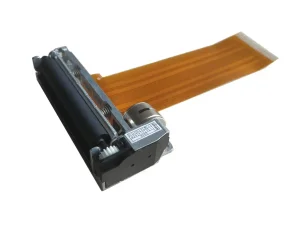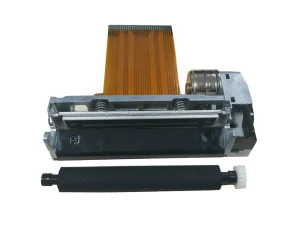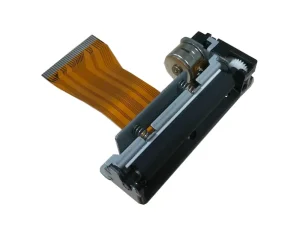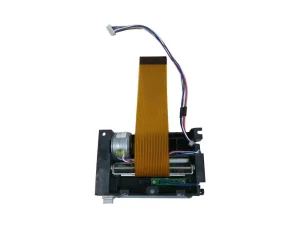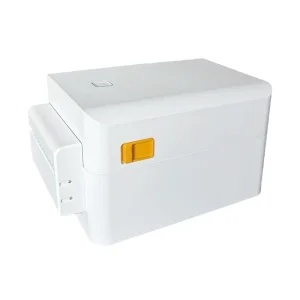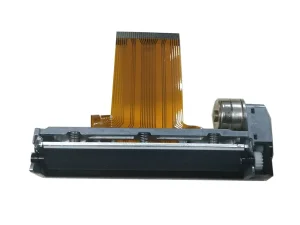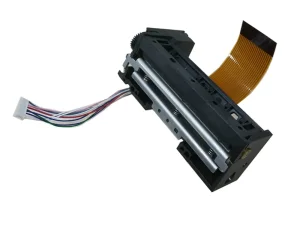
Engineered for high duty cycles, legacy compatibility, and harsh industrial operations across the Washington state logistics networks.
An in-depth analysis of semantic search vectors and industrial applications within the Pacific Northwest economy.
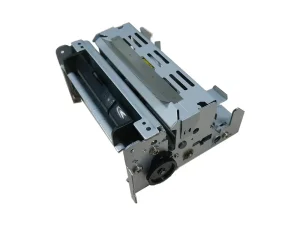
Seattle, Washington is far more than a software and cloud development epicentre. As a critical point for trade within the Pacific Rim, the maritime logistics hubs of the Port of Seattle and the Port of Tacoma manage hundreds of billions in commerce annually. Within these high-velocity, extreme-environment settings, standard consumer-grade printing technology falls short. The demand for industrial-grade dot matrix printer mechanisms remains substantial due to their physical durability, reliable performance in damp or freezing conditions, and distinct capacity to print multi-part NCR (carbonless) documents.
Whether processing multi-page transport manifests, handling maritime freight records, logging automated diagnostic reports in regional aerospace facilities, or managing invoice records in heavy metal fabrication plants, impact printing is essential. The physical impact of mechanical printhead pins on multi-part paper sheets creates unalterable records, establishing it as a key resource in compliance audits and industrial record keeping across the Pacific Northwest.

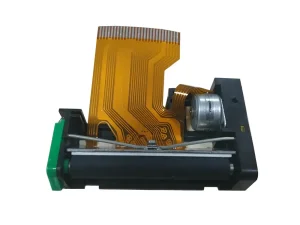
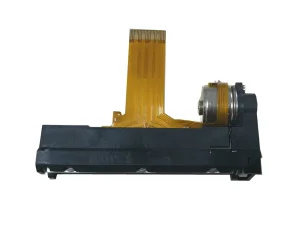
From a global perspective, the printer mechanism market runs on two primary technical tracks: thermal systems for high-speed, ribbonless operation in retail receipt contexts, and dot matrix systems for rugged environments and multi-ply invoicing. International banking networks, state tax systems, and global freight carriers continue to rely on dot matrix printer mechanisms because of their long lifecycle and ability to handle temperature swings without degrading, unlike heat-sensitive thermal media.
OPOS, established in 2005, sits at the intersection of these technologies. With over 20 invention patents, our engineering facility develops both advanced thermal printheads and robust dot matrix mechanisms. These are designed to be compatible with global standard configurations (including Seiko, Fuji, and Fujitsu footprints), facilitating drop-in replacements for existing equipment and saving significant integration costs.
Impact mechanisms are built to withstand dust, high humidity, and extreme temperatures, making them highly reliable in demanding environments like Seattle shipyards and sorting facilities.
Physical pin impact is the only mechanical method capable of generating true multi-copy paper forms, which are required for shipping receipts and customs clearances.
OPOS mechanisms align with standard industry footprints (Fuji, Seiko, Fujitsu), allowing for straightforward retrofits that minimize downtime for system integrators.
As industrial automation systems adopt IoT protocols, printing mechanisms are transitioning toward intelligent edge devices. The OPOS hardware design roadmap focuses on three main engineering areas:
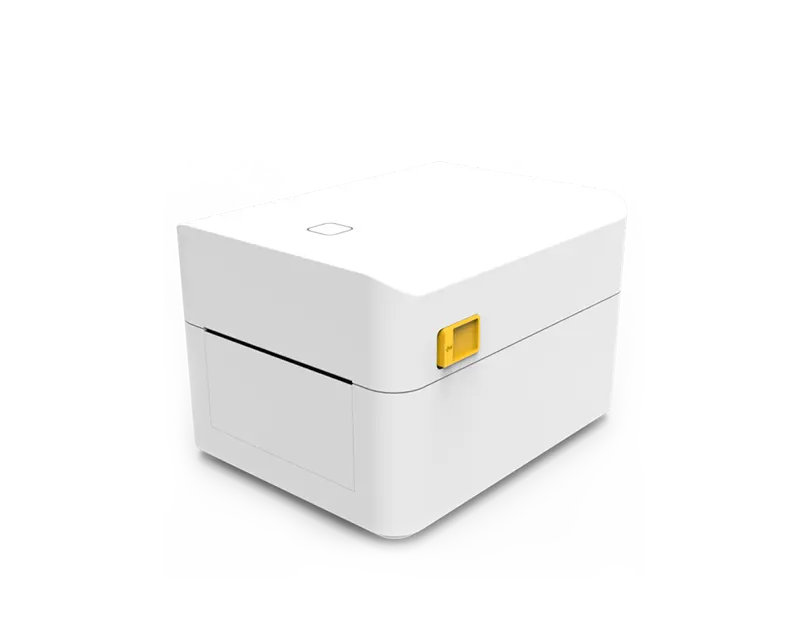
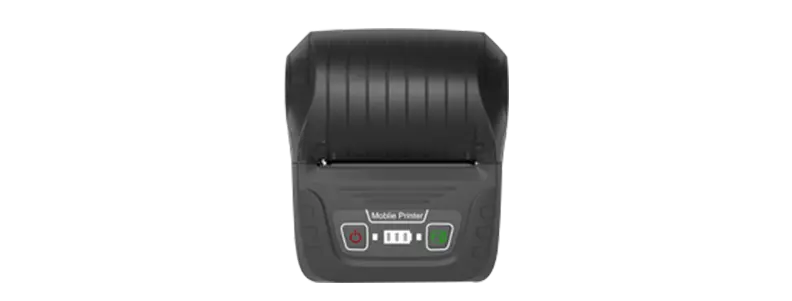
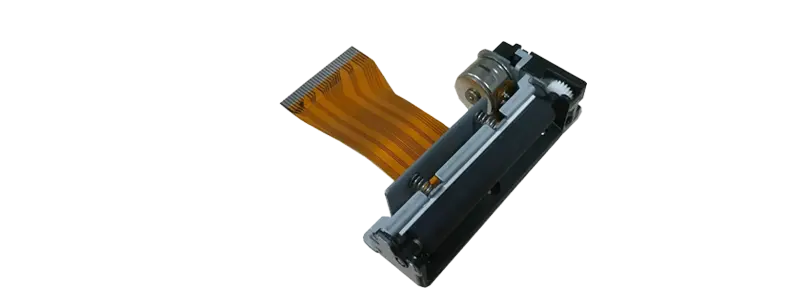
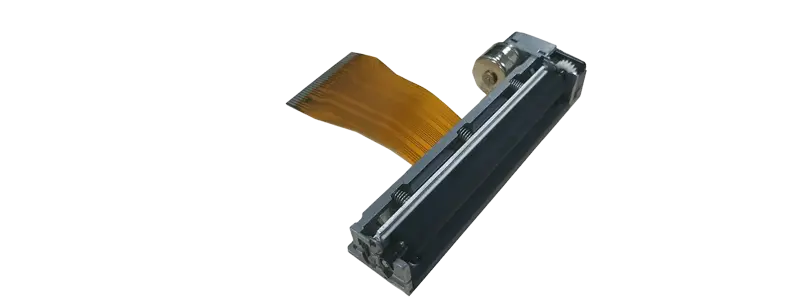
Explore our targeted product categories designed to meet various hardware integration needs, from standard POS stations to specialized logistics devices.
Founded in 2005 in Xiamen, Fujian Province, China, OPOS (Xiamen) Electronic Technology Co., Ltd. is an established manufacturer of printer mechanisms. We specialize in the research, development, and manufacturing of early dot matrix and thermal printer mechanisms.
As a high-tech enterprise, our capabilities span the entire product life cycle—including design, precision production, global sales, and support for thermal printer units, POS printer mechanisms, label/receipt mechanisms, dot matrix mechanisms, and integrated cutting assemblies.
Our focus on detail and quality management has earned us patent recognitions and helped us build a global footprint. We supply system integrators, kiosk builders, and logistics clients in more than 20 countries.
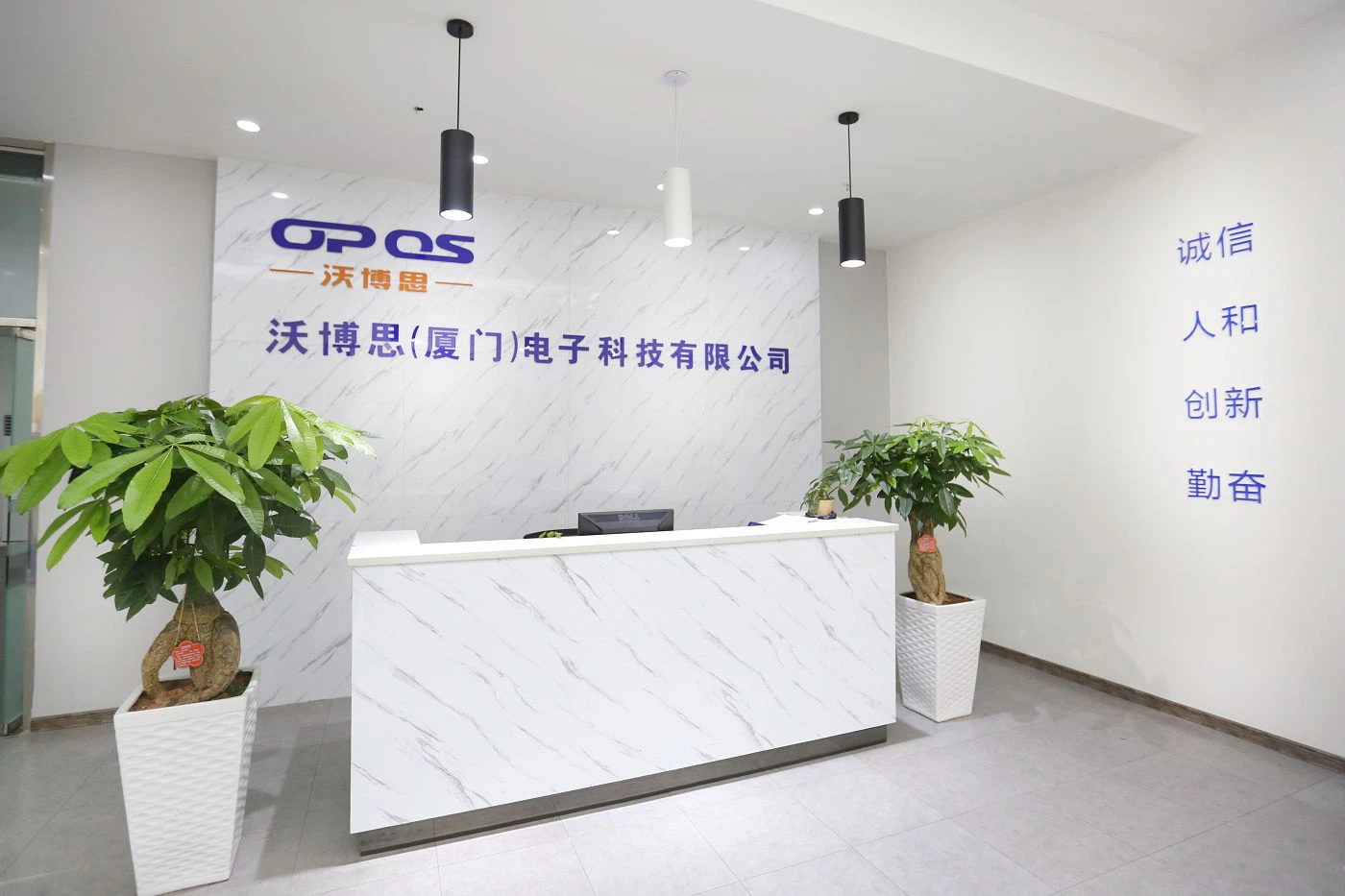
A closer look at our manufacturing footprint, patent portfolio, and global distribution network.
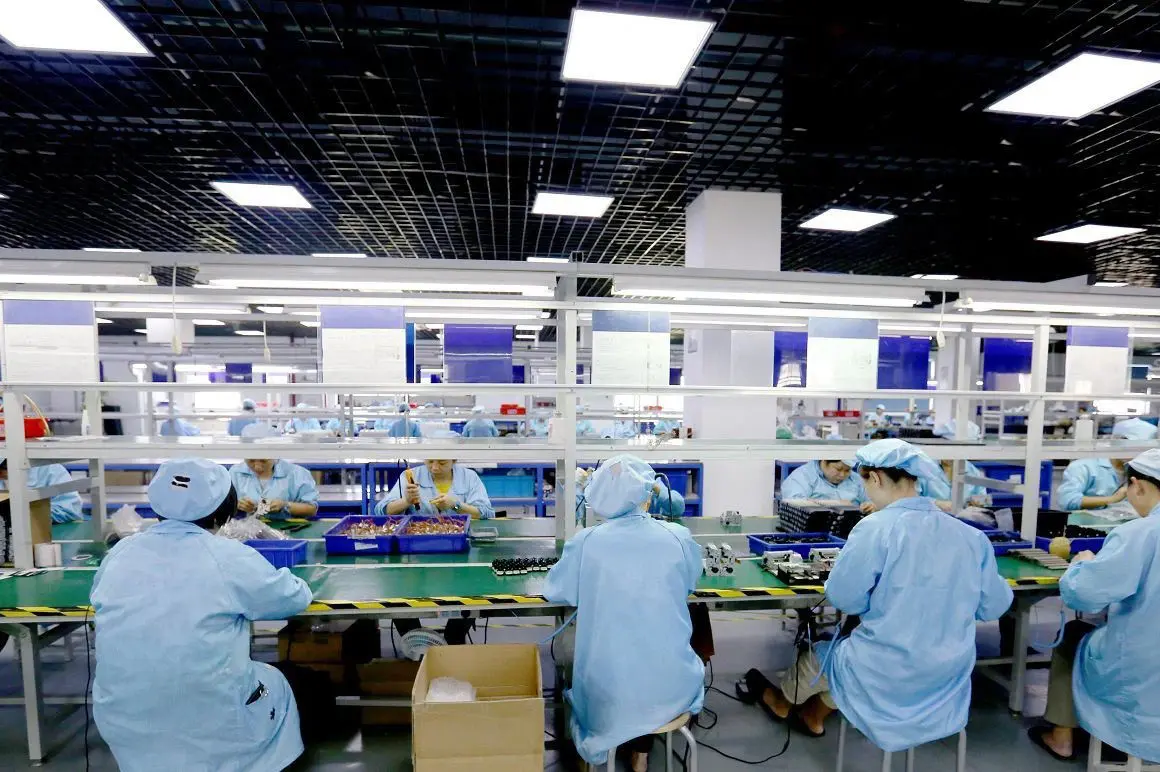
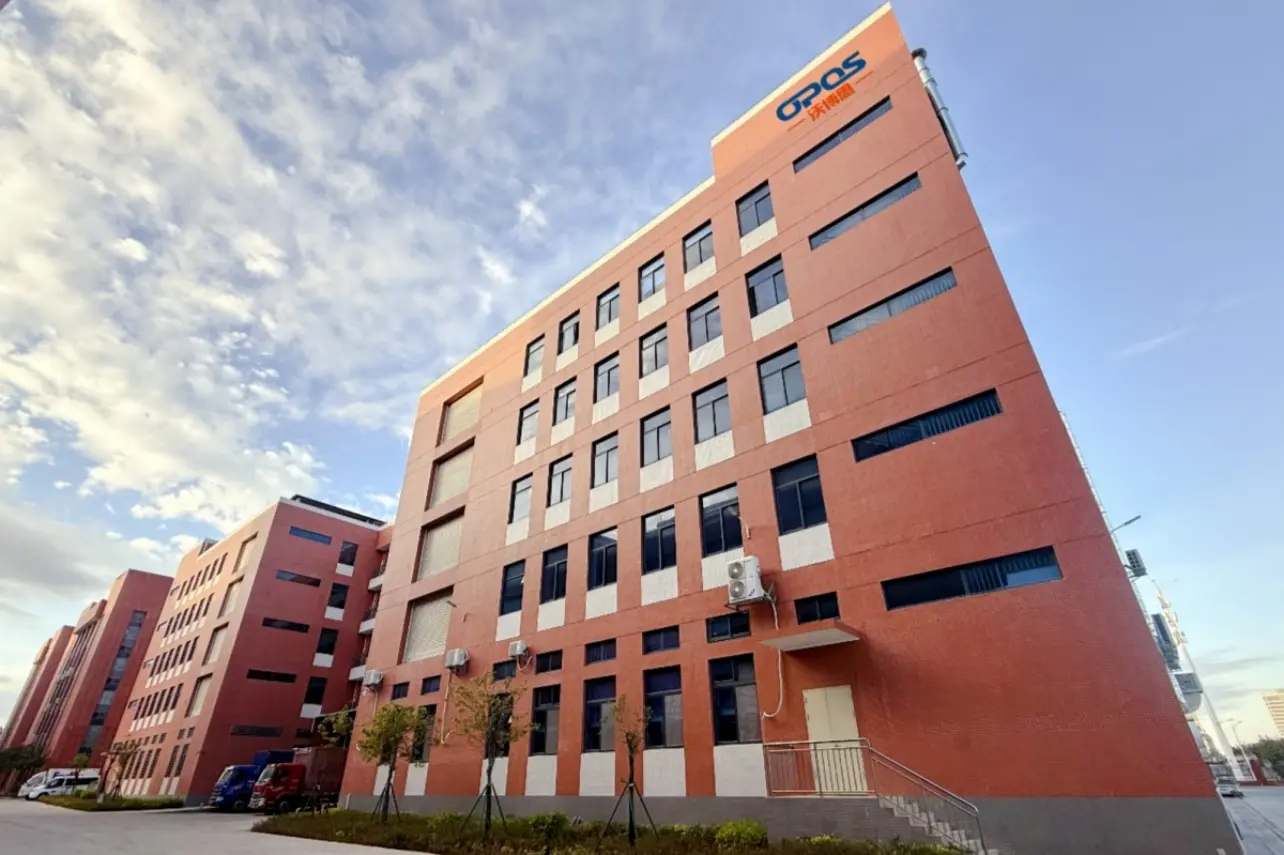
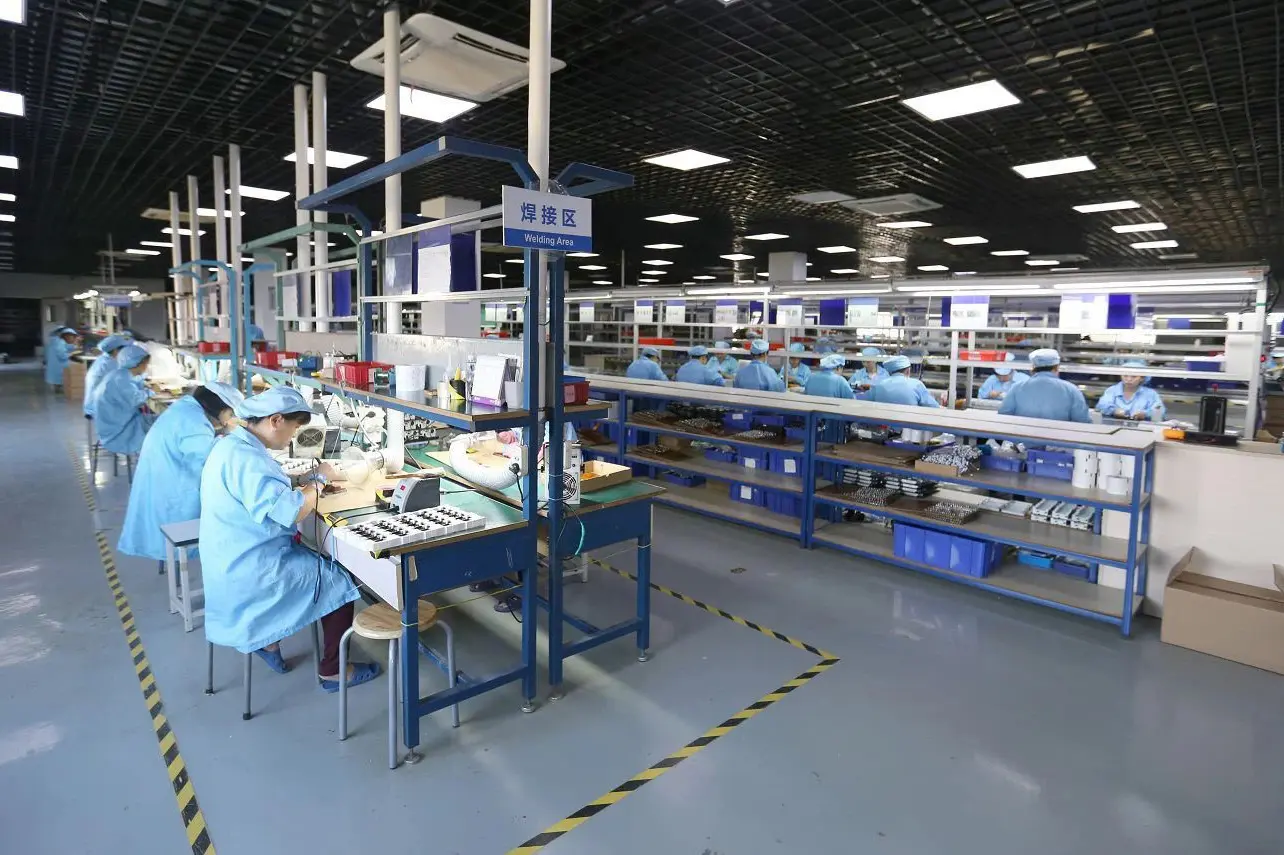
We provide full-lifecycle engineering support, customized hardware designs, and long-term manufacturing services to meet client requirements.

We design and manufacture customized thermal and dot matrix printer mechanisms, adapting mechanical dimensions, mounting points, and electrical layouts to fit specific enclosures.

Our engineering team handles all mechanical layout, control board architecture, firmware programming, and interface driver development internally.

We provide technical assistance throughout the system integration process, assisting with hardware debugging and interface driver optimization.

Every mechanism includes a 12-month quality warranty that covers structural failures and electronic defects. We also supply spare parts and technical diagnostics.
OPOS printer mechanisms are engineered to operate reliably in demanding environments, from high-velocity logistics centers to sterile medical labs.





Our step-by-step path from initial concept to high-volume delivery ensures consistent performance and quality control.

Branding & Engineering Consulting

Product & Integration Design

Sample Prototyping & Testing

Mass Production & QA

Packaging & Final Check

Global Shipping & Logistics
Detailed engineering guidelines and specifications for integrators, developers, and purchasing departments.
Dot matrix printer mechanisms use mechanical impact pins that strike ink ribbons, making them robust in dusty, humid, or sub-zero environments. Unlike thermal papers, which can smudge or fade when exposed to moisture, light, or industrial friction, impact printouts remain readable. Additionally, they are the only mechanisms capable of producing multi-copy carbon documents.
Our mechanisms are designed to match the footprints, pin arrangements, mounting dimensions, and interface protocols of standard industry modules (such as the Seiko LTP and Fujitsu FTP series). This allows system integrators to retrofit old components without needing to redesign the host device's physical chassis or electrical interfaces.
We offer control board configurations that support USB, serial (RS232), parallel (IEEE 1284), Ethernet, and wireless interfaces (Bluetooth LE and Wi-Fi). This range of options allows the mechanisms to connect with both modern tablet-based terminals and older legacy controllers.
Yes. Our OEM/ODM capabilities include modifying mounting brackets, custom-designing cabling assemblies, altering paper guide layouts, and developing custom firmware to meet specific kiosk, ticket-dispensing, or parking meter configurations.
Standard prototype evaluation samples ship within 7 to 10 working days. For bulk mass production, lead times range from 3 to 5 weeks, depending on component availability and customization requirements.
Insights, technology reports, and manufacturing updates from the engineering department at OPOS.
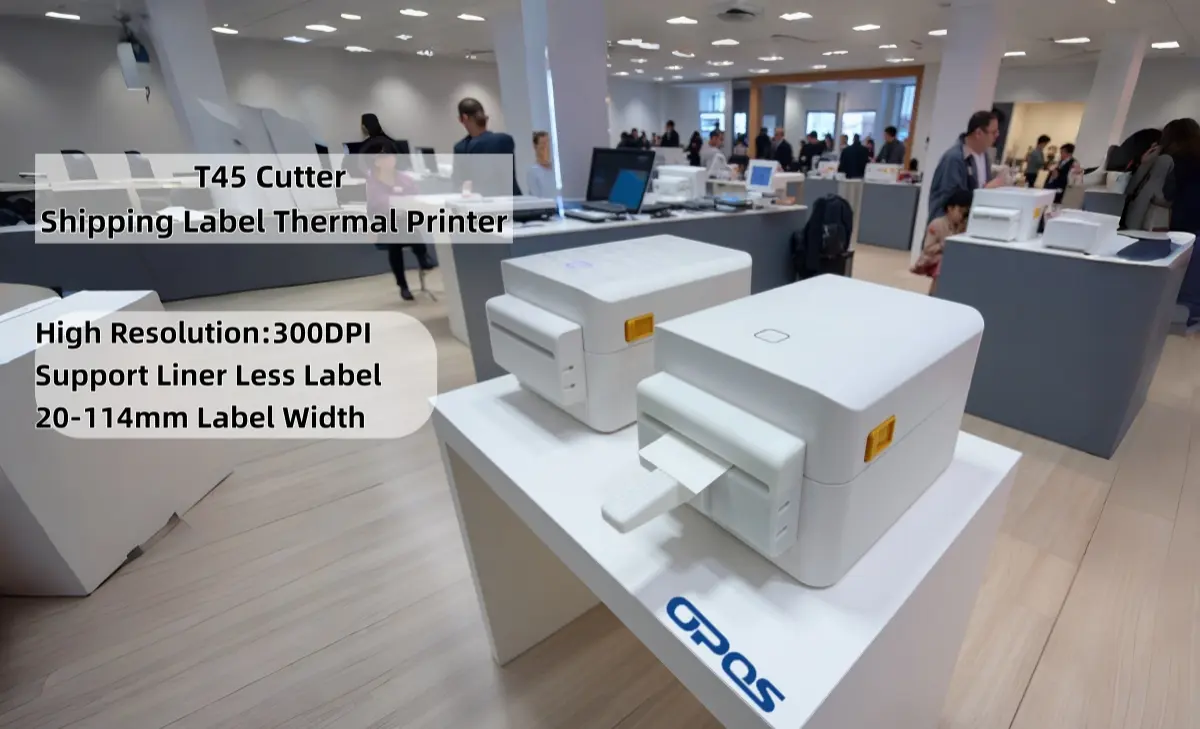
OPOS has released a new line of high-density print mechanisms designed for clean, precise barcode and label output in demanding logistics settings.
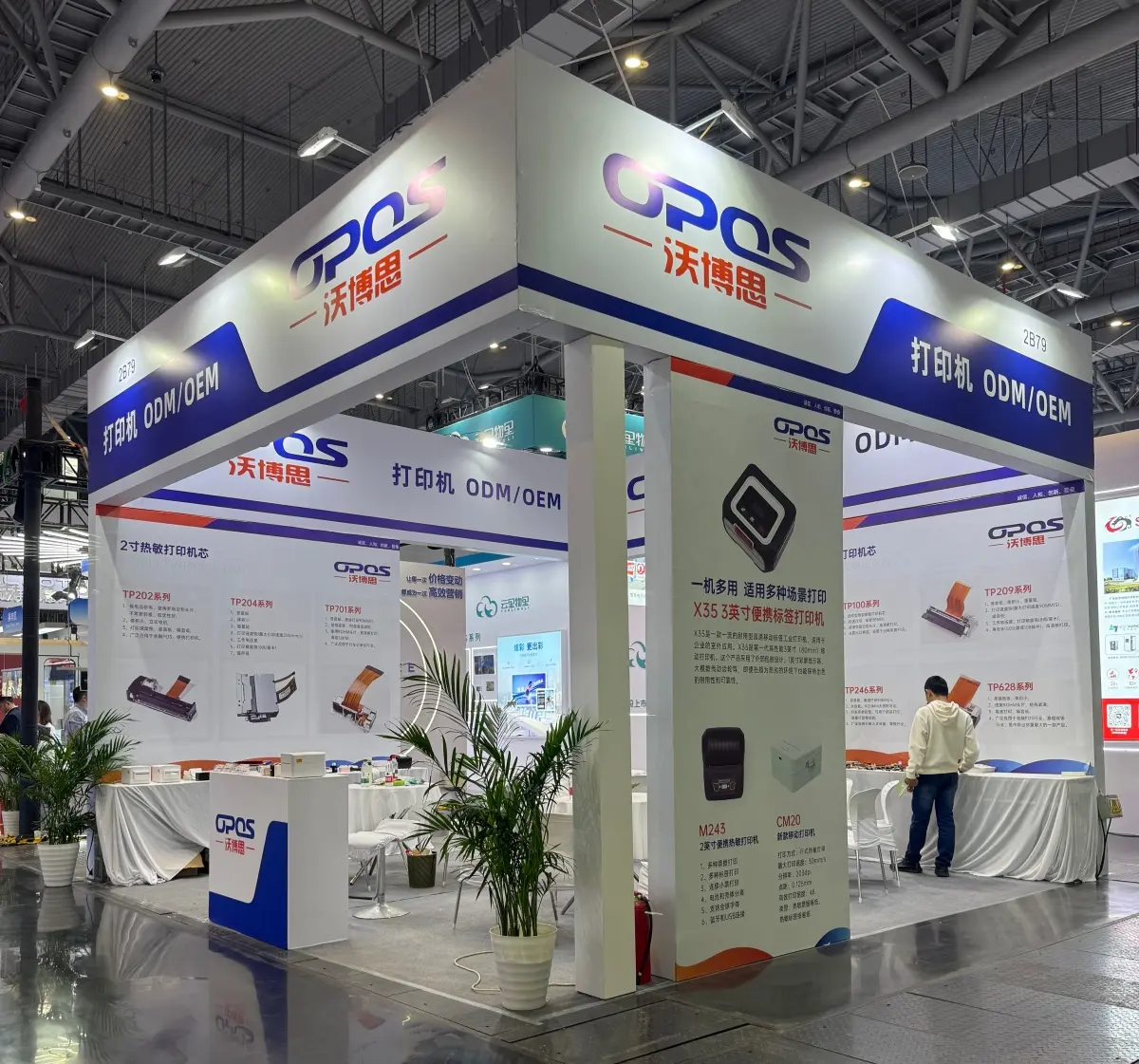
Our team presented our latest embedded kiosk modules, durable thermal mechanisms, and dual-action cutter modules at the trade show.
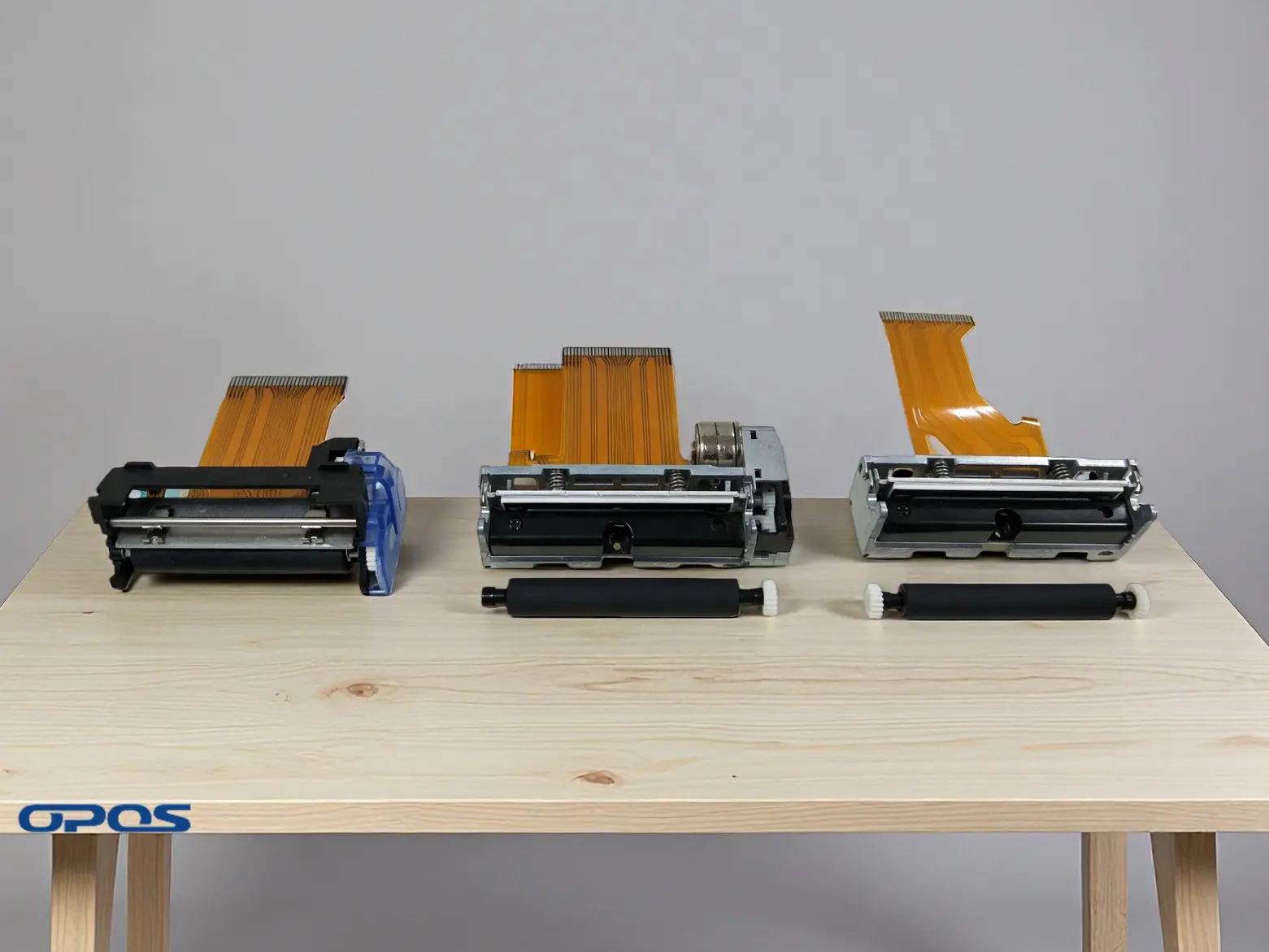
An engineering review explaining how thermal drive boards, heaters, and platen rollers coordinate to control print quality.
Browse our catalog of thermal and impact printer mechanisms, designed for retrofits and new product designs.