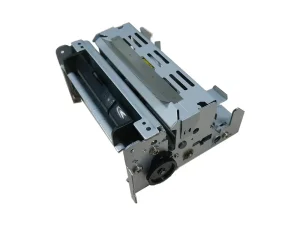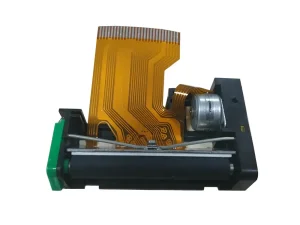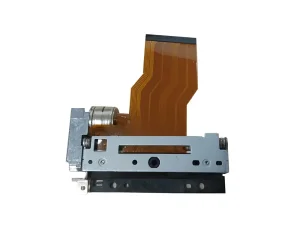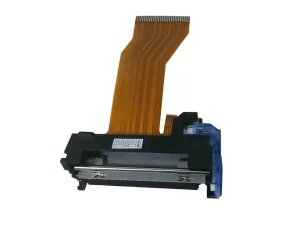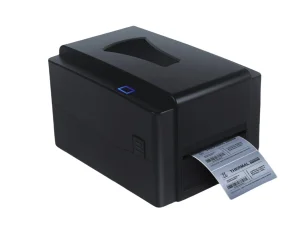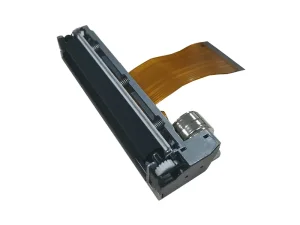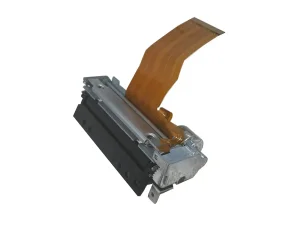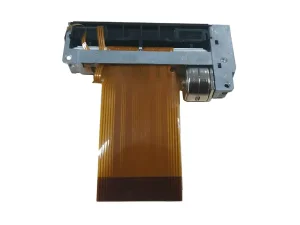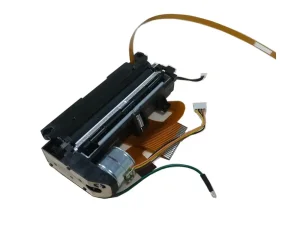
Madagascar's economy is undergoing a significant transformation. From the bustling trade hubs of Antananarivo to the strategic ports of Toamasina, there is an increasing demand for reliable data output systems. Dot matrix printer mechanisms remain a cornerstone of this growth due to their ability to handle multi-part forms—essential for customs clearance, logistics, and banking sectors.
Unlike thermal alternatives, the dot matrix mechanism is uniquely suited for the humid and dusty environments often found in Madagascar's industrial zones. Our technology ensures that whether you are printing invoices for vanilla exports or utility bills for rural development, the output is permanent, carbon-copy capable, and cost-efficient.
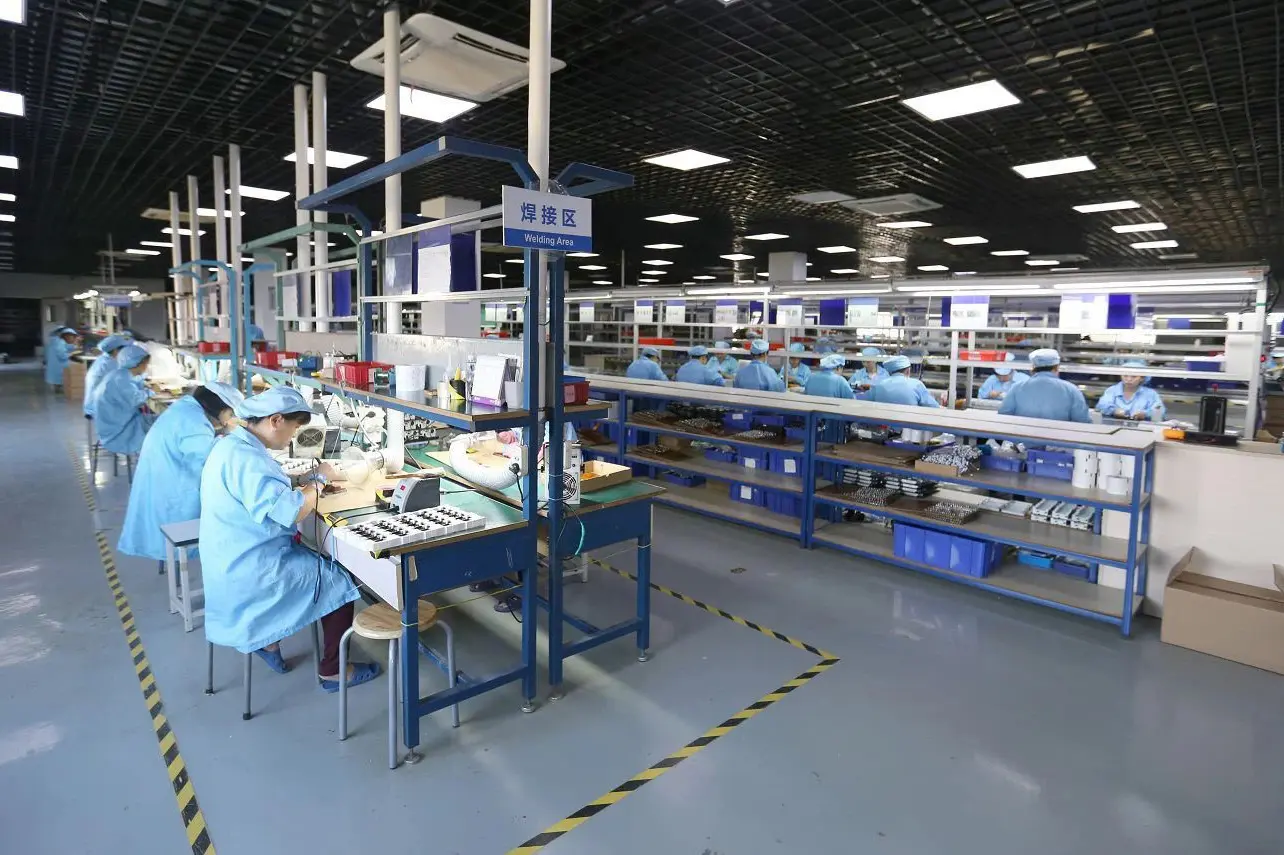
In an era of global uncertainty, OPOS (Xiamen) leverages "Factory 4.0" principles to provide unparalleled supply chain resilience for our Malagasy partners. Our production lines are equipped with AI-driven quality control and automated assembly for dot matrix and thermal mechanisms, ensuring a failure rate of less than 0.01%.
By optimizing our logistics from Xiamen directly to major African trade routes, we reduce lead times significantly. For exporters in Madagascar, this means consistent access to spare parts and new units, preventing operational downtime in critical sectors like retail POS and government administration.

Year Established
Invention Patents
Production Facility
Countries Served
For many SEOs and tech buyers, the focus has shifted entirely to thermal. However, in the Madagascar market, the dot matrix printer mechanism provides "Information Gain" that thermal cannot match. Here is why:
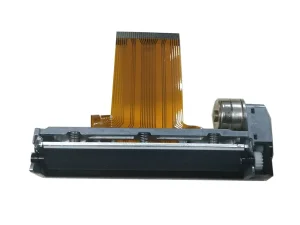
Our mechanisms, such as those compatible with Fujitsu and Seiko standards, are designed with high-carbon steel pins and heat-resistant coils, ensuring they can operate 24/7 in the demanding "Grand Ile" environment.
Toamasina Port authorities utilize our mechanisms for high-speed manifest printing and customs documentation.
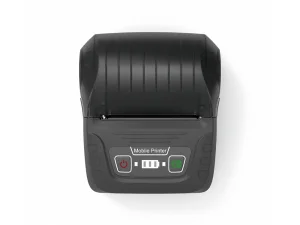
Banking agents in rural Antsirabe use portable units for transaction receipts that serve as legal proof of deposit.
Large retailers in Antananarivo integrate our POS mechanisms for durable back-office accounting and guest checks.
Water and electricity providers rely on impact printing for billing statements that withstand long-term storage.
A: Our mechanisms feature anti-corrosion coatings on the printhead pins and moisture-sealed logic boards. This prevents the oxidation common in coastal cities like Toamasina, ensuring a longer lifespan than standard office-grade hardware.
A: Yes. As an R&D-focused manufacturer, we can customize the firmware of our mechanisms to support Malagasy character sets and specific formatting for local tax authority requirements.
A: Typically, sea freight takes 30-45 days. However, for urgent mechanism replacements, we offer air express options that can deliver within 7-10 days to Ivato International Airport.
A: Absolutely. Most of our mechanisms are designed as drop-in replacements for industry-standard Seiko and Fujitsu models, requiring no changes to your existing mechanical housing or software drivers.
Established in 2005, we were among the earliest domestic pioneers in dot matrix printer mechanism research and development. With a 5000㎡ facility and over 70 patents, we represent the pinnacle of Chinese manufacturing precision.
Our commitment to Madagascar goes beyond supplying hardware; we provide a partnership based on quality warranty, technical support, and supply chain transparency. Join our network of successful distributors in East Africa and experience the advantage of Factory 4.0 efficiency.