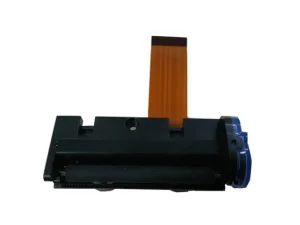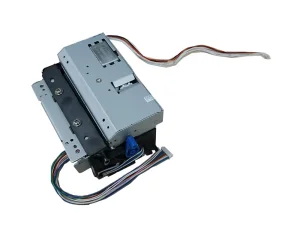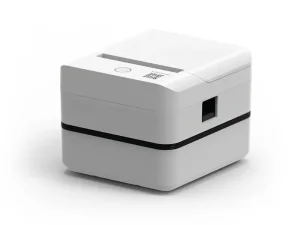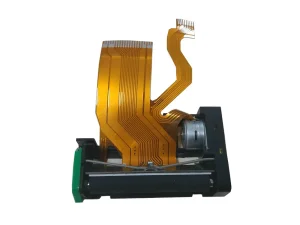
Your Success, Our Commitment: Signature Products, Unmatched Quality
The Pivotal Role of Custom Printing Solutions in Modern Micro-Transactions and Logistics Automation
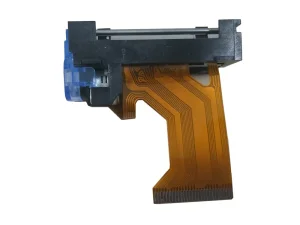
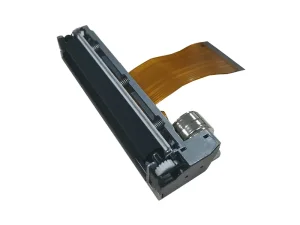
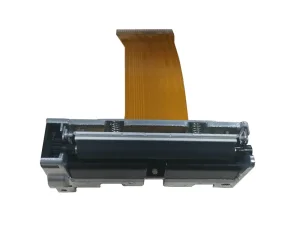
In the contemporary digital economy, transaction velocity and automated workflow efficiency are key performance drivers. Underneath every printed logistics label, retail receipt, medical barcode sticker, and mobile coupon lies high-precision thermal printing technology. The global commercial and industrial landscape for custom thermal printer mechanisms is experiencing a rapid technological evolution. Emerging demands in IoT interfaces, high-durability print heads, eco-friendly linerless labels, and modular automation have forced standard OEM suppliers to transition towards customizable systems engineering. Large enterprises no longer purchase off-the-shelf devices; they demand customized integration modules—often referred to as Custom 456 solutions—tailored for specialized medical apparatuses, self-service retail kiosks, smart package lockers, and high-frequency warehouse execution software (WES).
Statistically, the global thermal printing market continues to register strong compound annual growth rates (CAGR). This expansion is fueled by the continuous development of the e-commerce sector, strict compliance labeling regulations in healthcare, and the expansion of smart retail systems. High-reliability mechanisms are essential components that operate in harsh temperature environments, ranging from cold storage shipping docks to outdoor automotive ticket dispensers. As an industry-recognized custom supplier and exporter, OPOS (Xiamen) Electronic Technology Co., Ltd. plays a vital role in this global supply chain. By manufacturing mechanisms compatible with major brands such as Seiko, Epson, APS, and Fujitsu, OPOS delivers critical print technology that reduces integration friction and lowers total cost of ownership (TCO) for system integrators worldwide.
Standard print mechanisms offer immediate availability but lack the structural flexibility and driver customization required for complex industrial systems. Custom print mechanisms allow developers to modify:
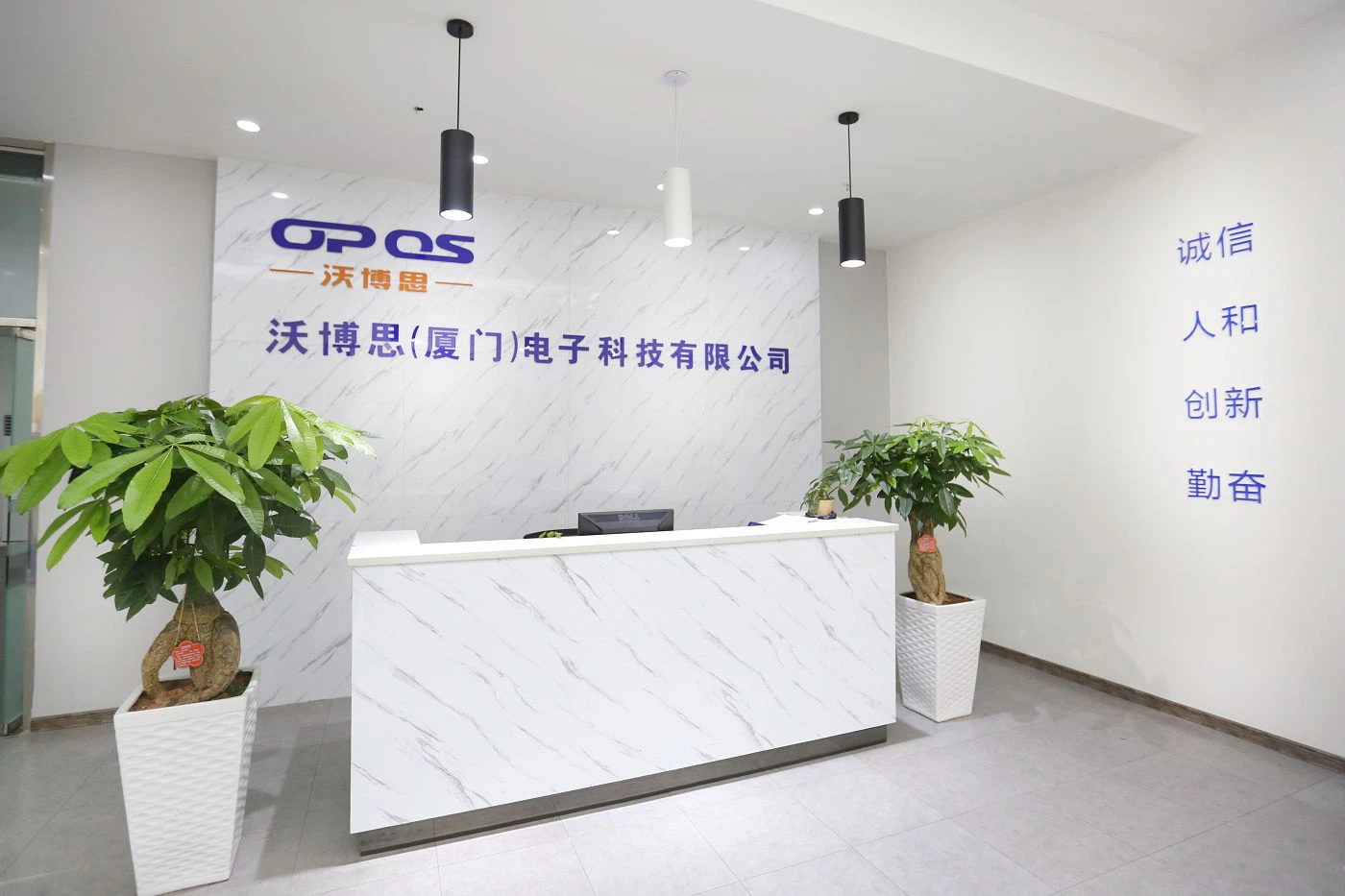
OPOS (Xiamen) Electronic Technology Co., Ltd. was established in 2005 and is located in Xiamen, Fujian Province, China. It is one of the early domestic printer mechanism factories and pioneered the research and development of domestic dot matrix printer mechanism enterprises.
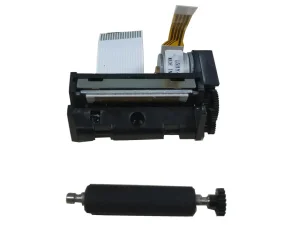
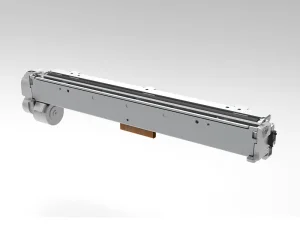
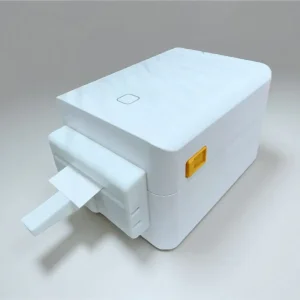
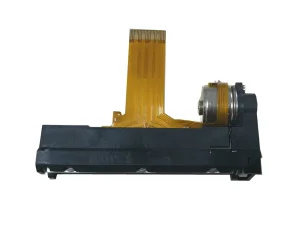
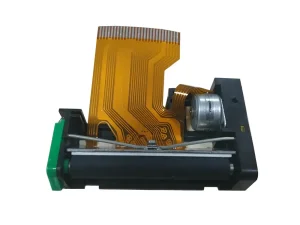
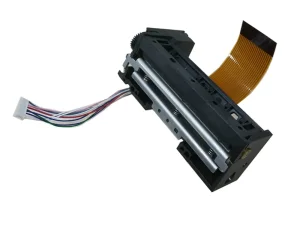
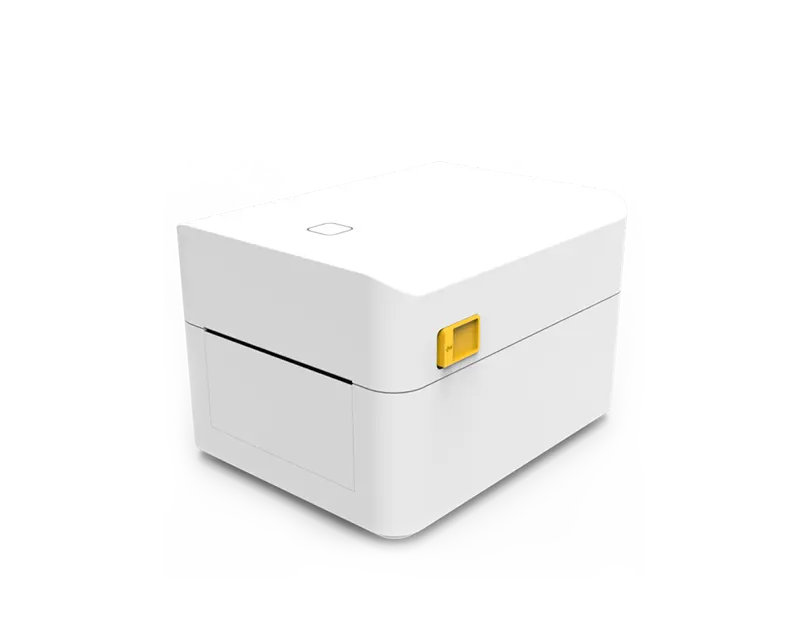
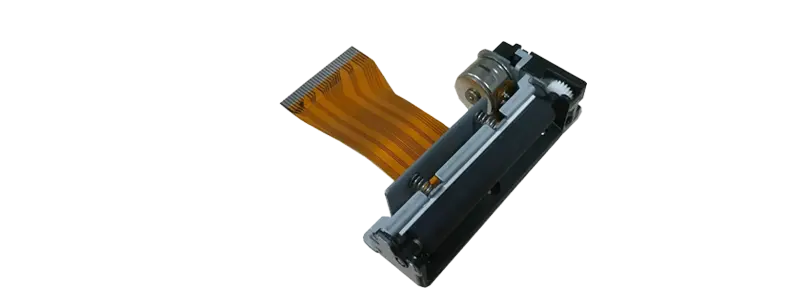
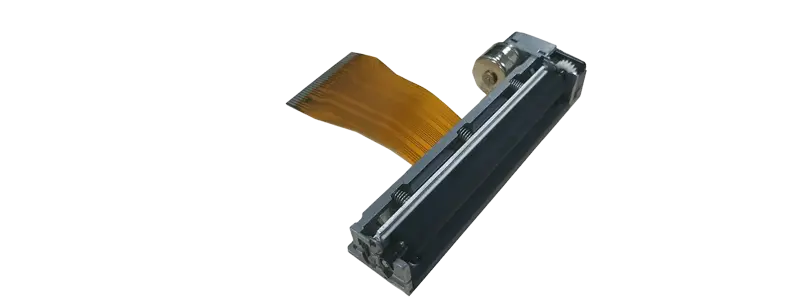
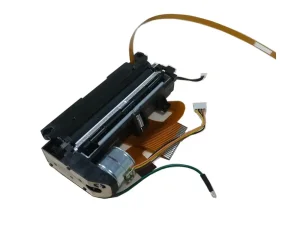
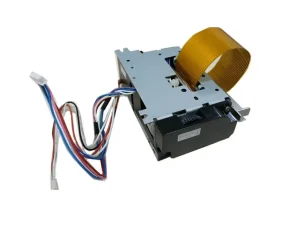
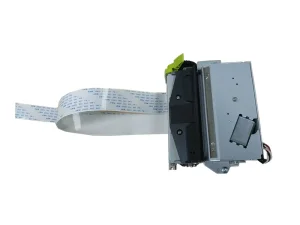
Today, OPOS has evolved into a leading high-tech enterprise specializing in the design, manufacturing, and global export of thermal printer mechanisms, POS printer systems, label/receipt printer mechanisms, dot matrix mechanisms, and integrated cutter components.
Read More About Us

Why China's Integrated Optical-Electronic Clusters Deliver Superior Quality and Value
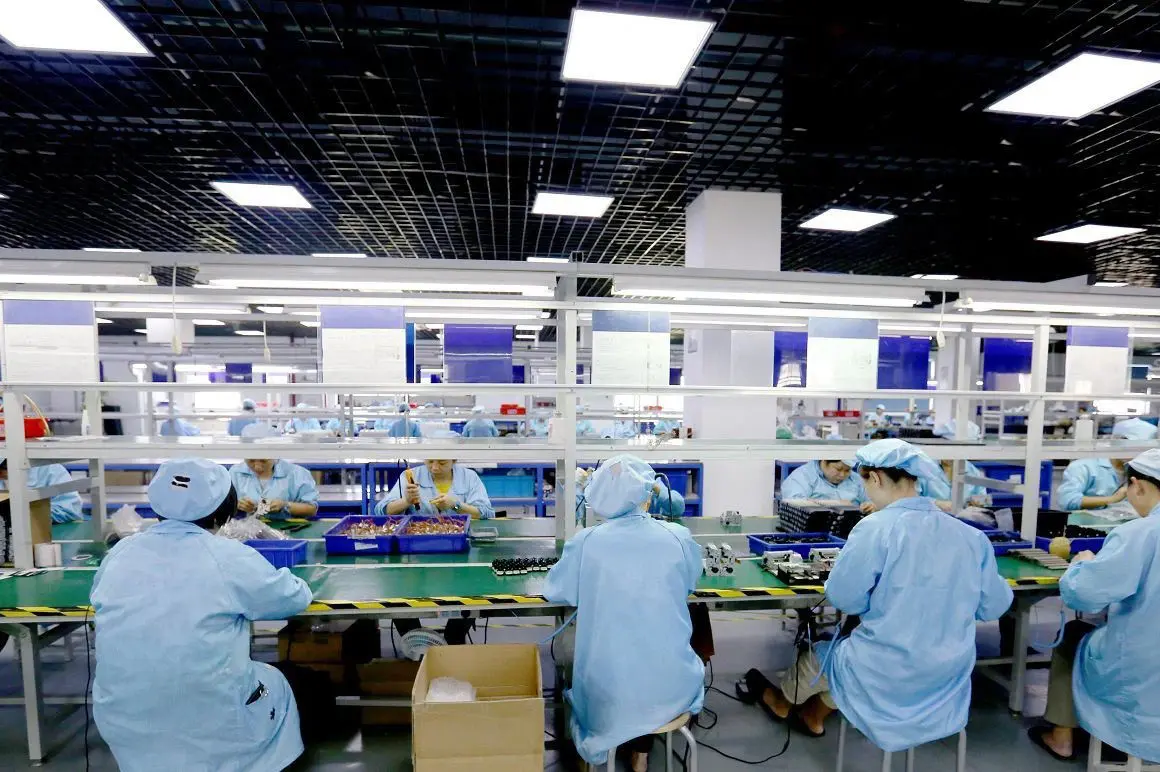
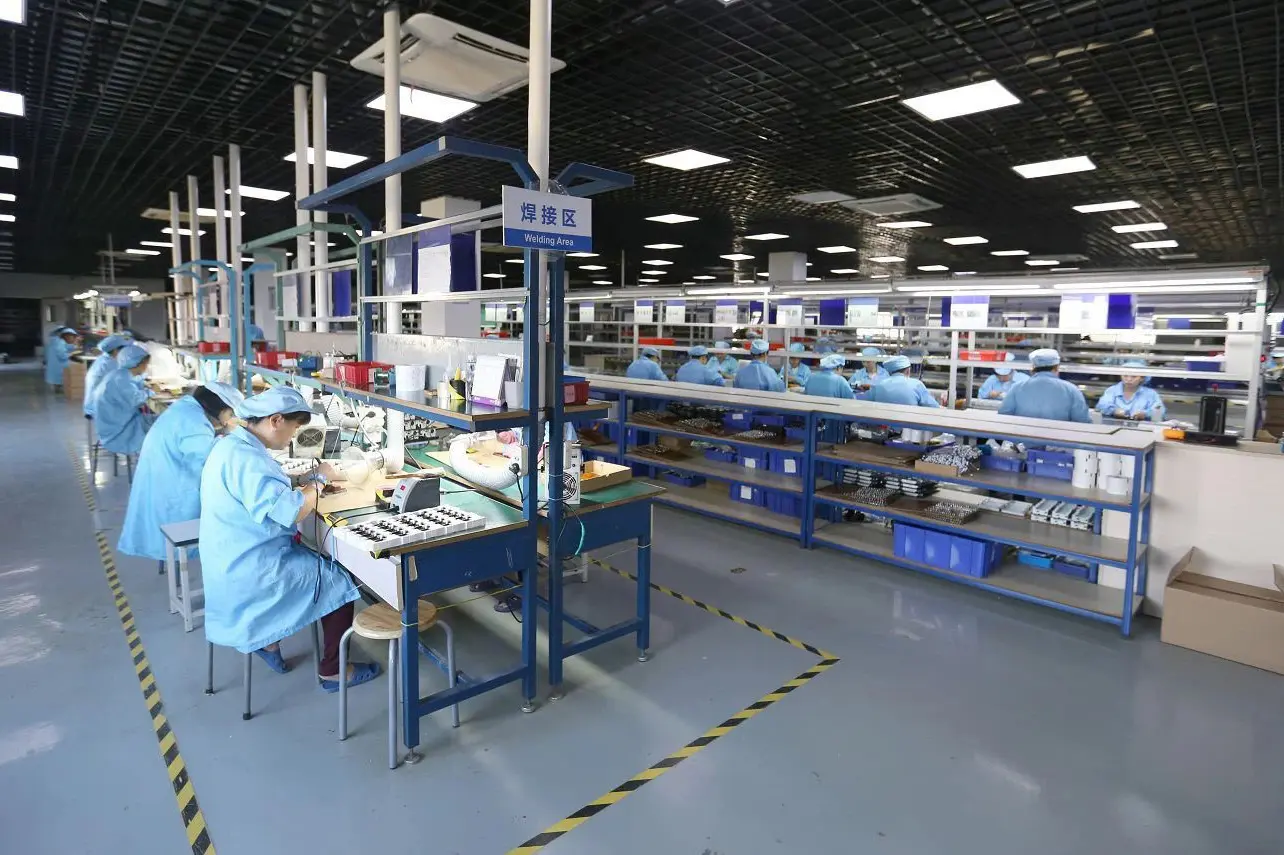
The manufacturing ecosystem in Xiamen, China offers significant advantages for high-precision optoelectronics and micro-printing components. The local industrial cluster provides a highly integrated supply chain that spans across semiconductor packaging, mechanical mold manufacturing, precision injection molding, SMT assembly, and rigorous environmental stress testing. This concentration of raw material suppliers and skilled engineering talent allows OPOS to design, test, and manufacture complex thermal mechanisms far faster than competitors in North America or Western Europe. The proximity to key metal, plastic, and electronic components reduces lead times, minimizes cross-border logistics delays, and ensures that customized adjustments can be verified in real time on the factory floor.
China's factory efficiency is not just about labor output; it is defined by automated production engineering. At OPOS, we employ automatic SMT assembly lines, robotic testing rigs, and advanced calibration instrumentation to ensure every thermal head produces clear, consistent print output. The manufacturing process conforms to ISO9001 and CE/FCC/RoHS standards, ensuring that every thermal mechanism meets international quality, safety, and environmental requirements. For global procurement directors, this represents a secure supply chain capable of scaling production from rapid prototyping to high-volume manufacturing without compromising dimensional accuracy, micro-gear meshing, or electrical terminal reliability.
OPOS maintains a vertically integrated production line that ensures complete control over component quality. Key steps in our process include:
End-to-End Solutions Tailored to Meet Global System Integration Demands

We offer customized engineering for thermal printers and mechanisms, providing specific mechanical adjustments and firmware tuning to meet system design criteria.

We manage the entire lifecycle of our thermal printheads and mechanisms in-house, ensuring robust design control and continuous product optimization.

Our engineering team provides direct integration support, resolving mechanical, electrical, and firmware issues to ensure smooth system deployment.

We provide a 12-month quality warranty and full life-cycle support, including replacement parts and firmware updates, to protect your hardware investment.
Engineered for Industry-Specific Printing Demands
How OPOS Thermal Printing Solutions Address Complex Industry Operations
Navigating the Future of Thermal Micro-Printing and Component Integration
Several key trends are redefining global procurement requirements for thermal printer mechanisms:
Ensuring Perfect Design Alignment and Manufacturing Quality from Concept to Delivery

Branding Consulting

Product Design & Specification

Prototyping & Sampling

Mass Production & Assembly

Custom Packing & Quality Check

Logistics & Delivery
Stay Informed: Discover the Latest Updates and Insights from Our Team
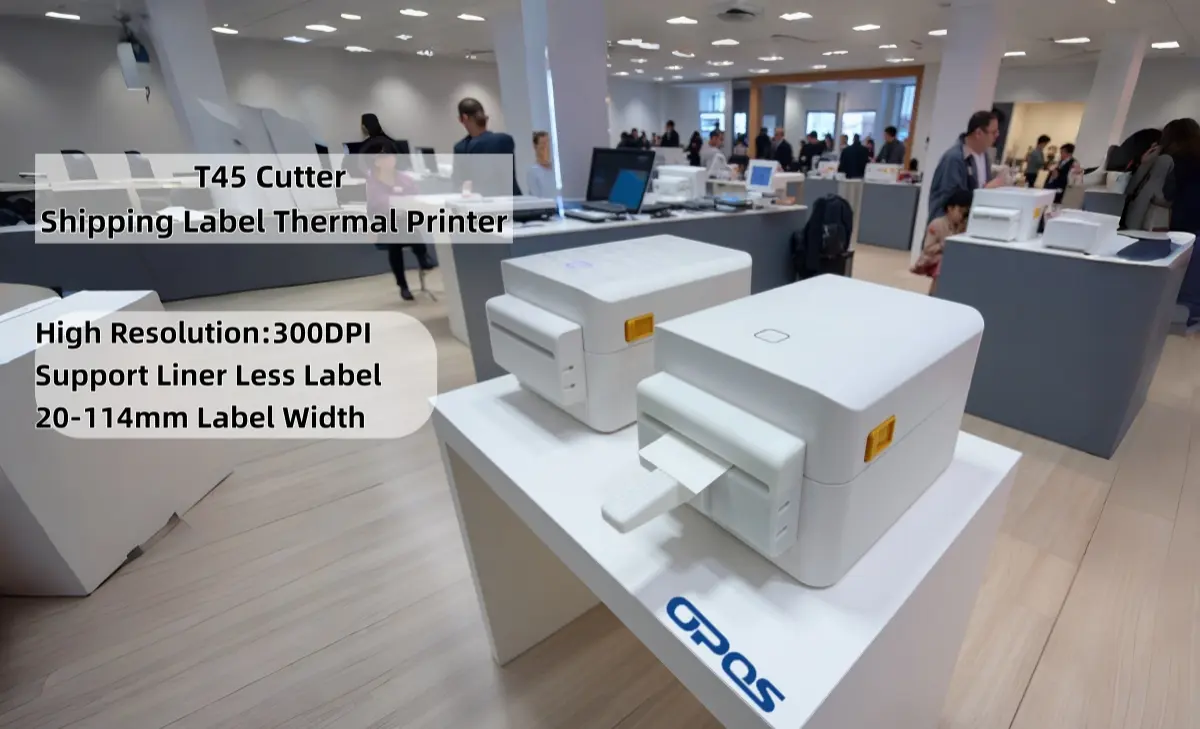
At Xiamen OPOS Printer, we are thrilled to announce the launch of our latest innovation: a high-speed, high-density print mechanism designed to support 300dpi printing applications.
Read More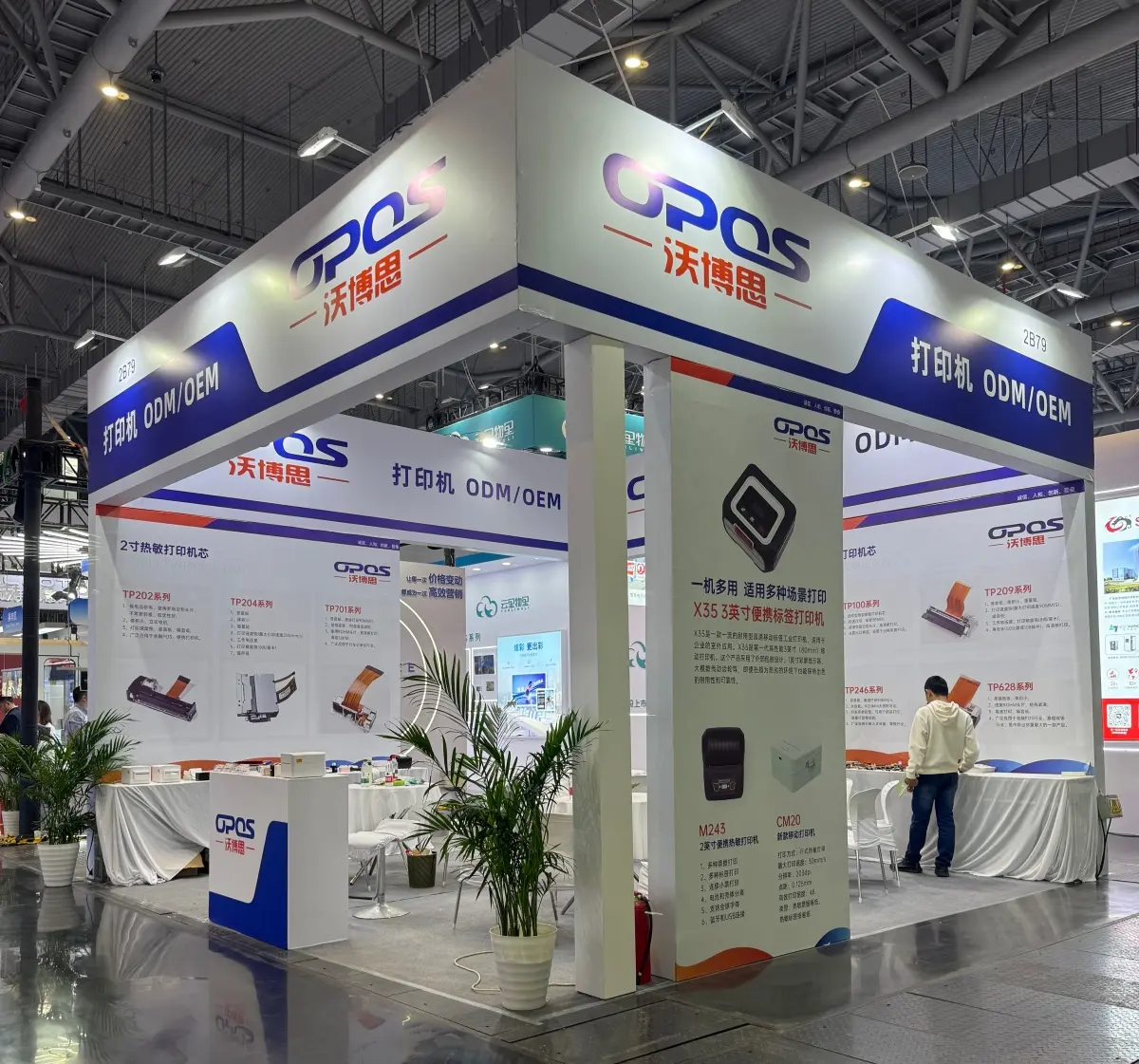
We are excited to share that OPOS Printer recently participated in the Chinashop Exhibition, showcasing our latest line of retail POS printers and customizable linerless print mechanisms.
Read More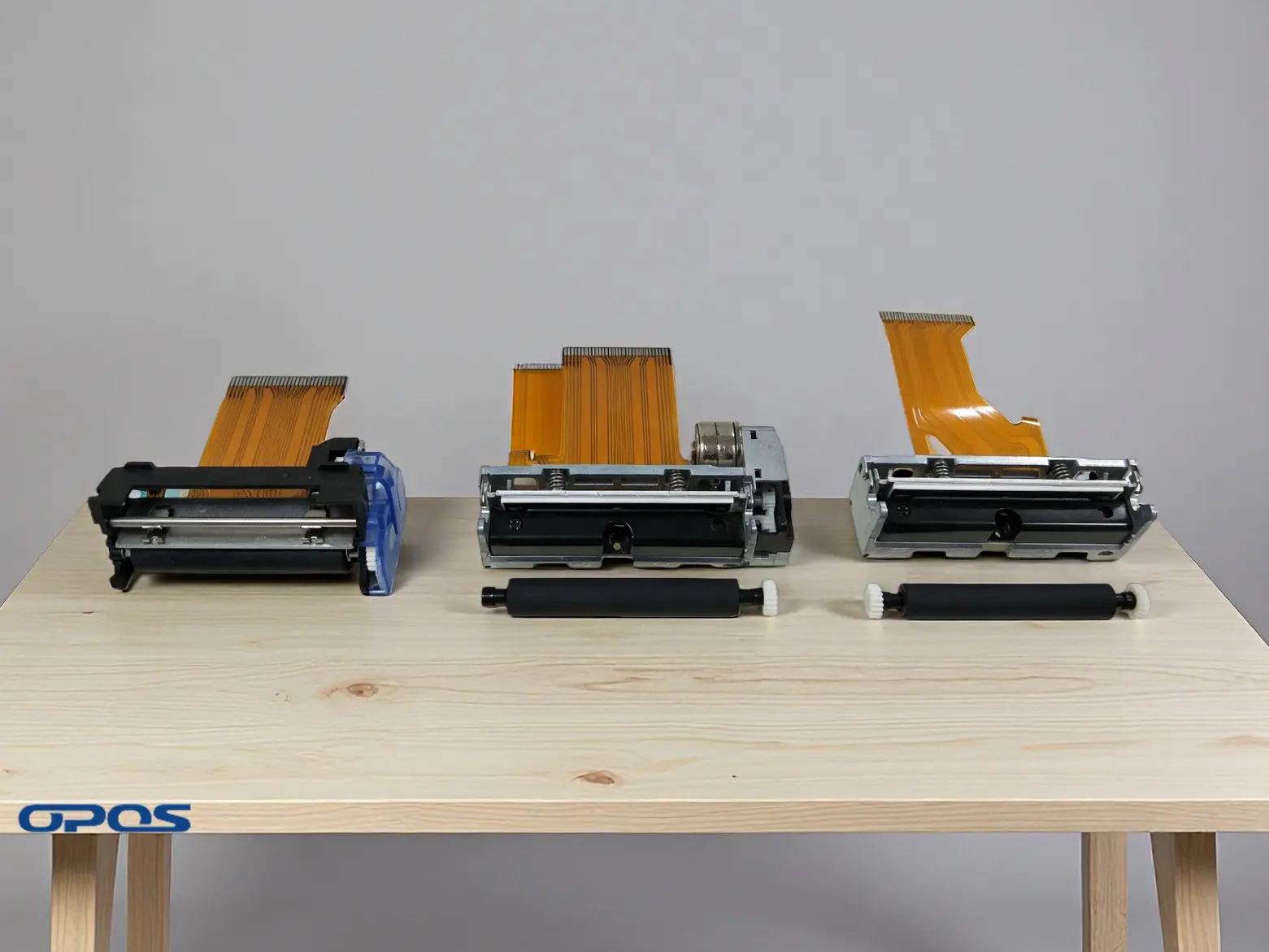
A thermal printhead, also known as a thermal printer mechanism, is the core component of a thermal printer. Learn about its structure, key components, and maintenance best practices.
Read MoreClear, Technical Answers to Common Integration and Procurement Questions
Explore Our Comprehensive Range of POS, Label, and Mobile Thermal Printer Units