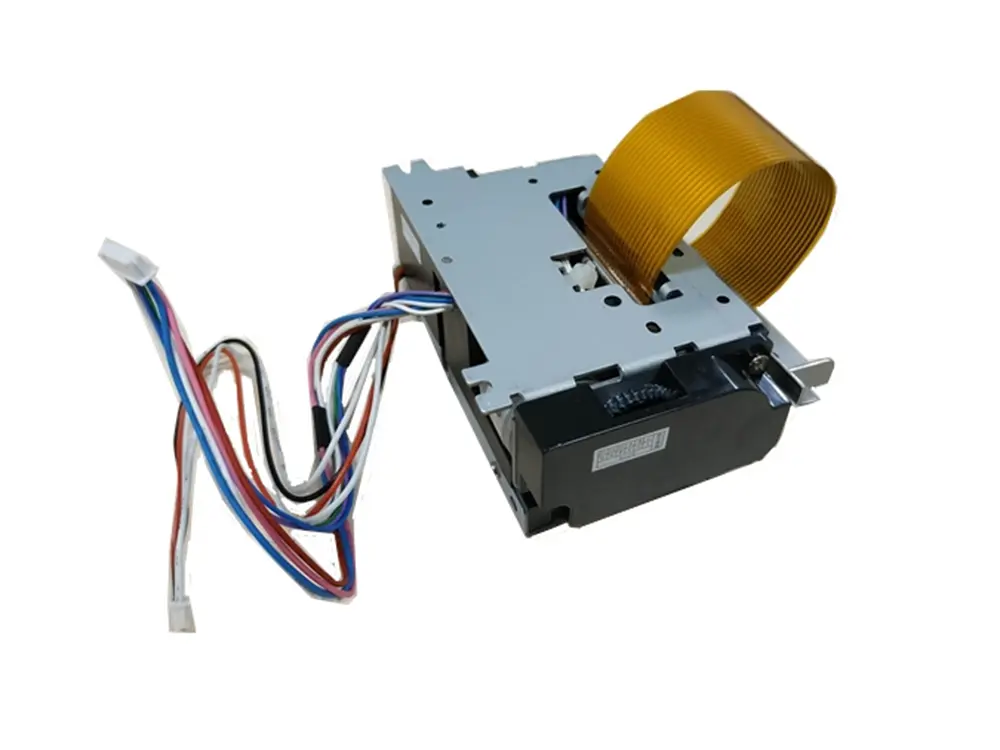
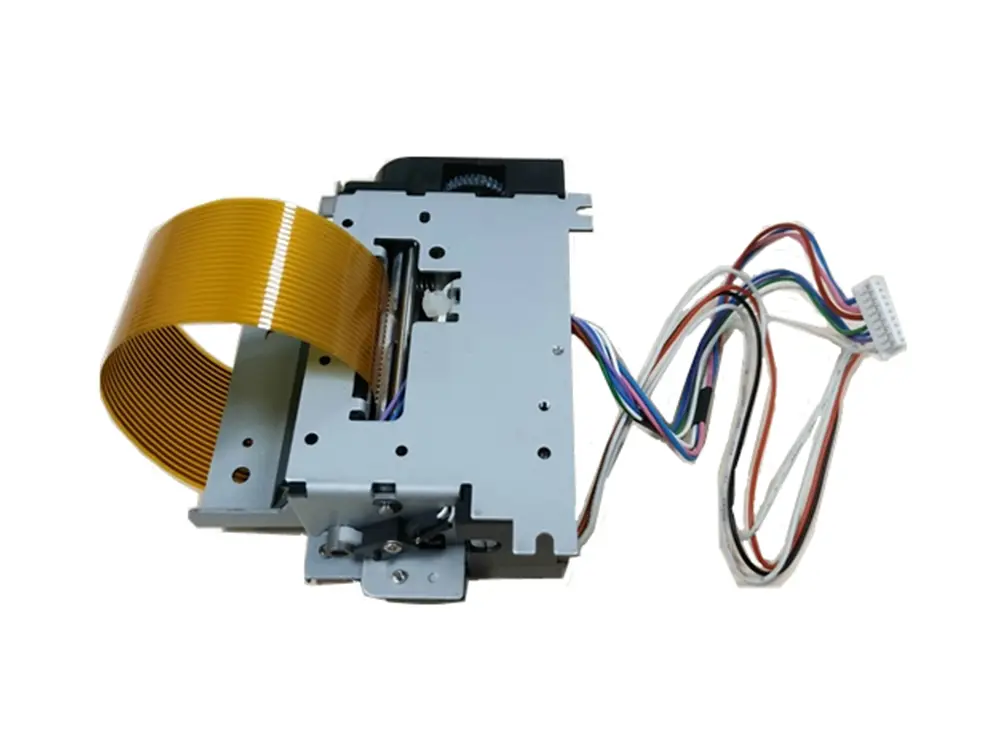
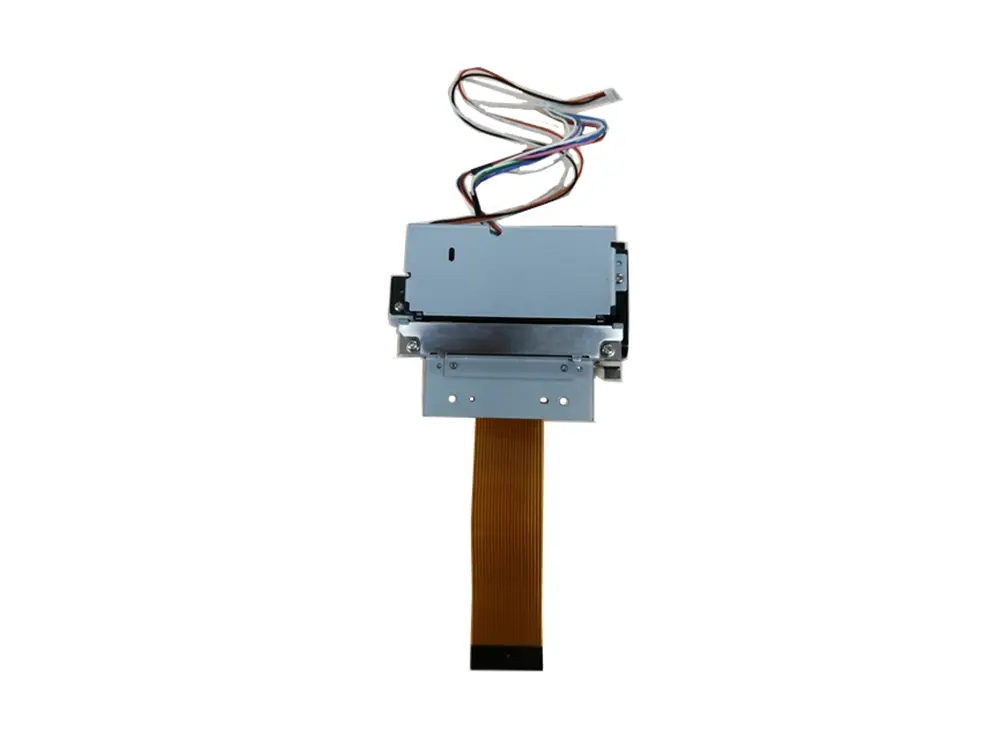
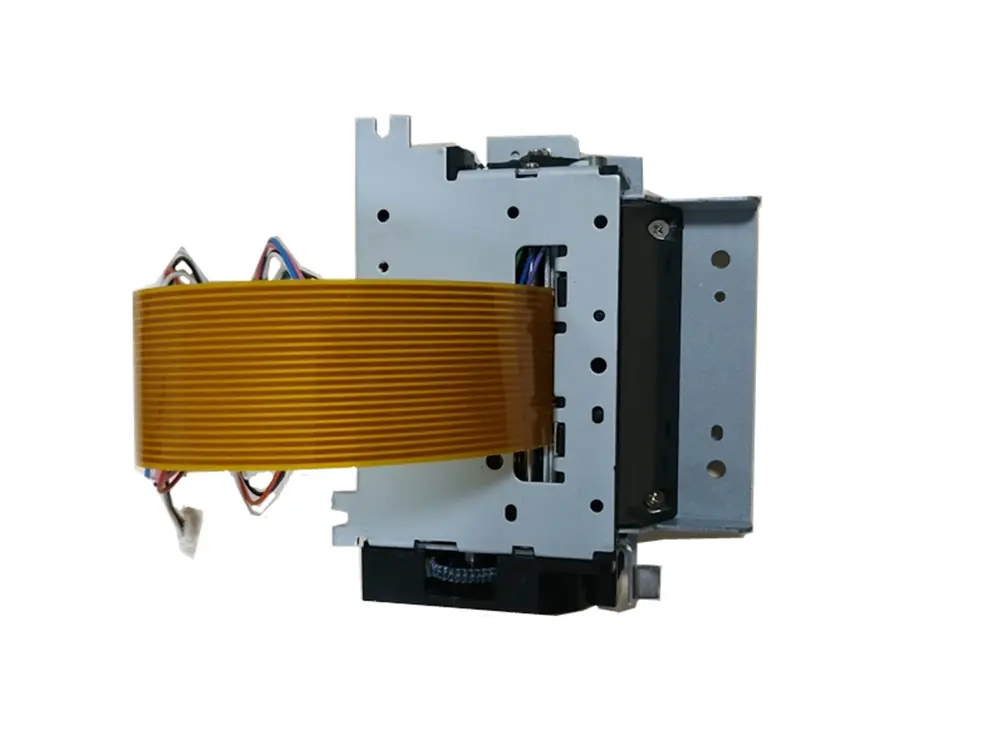
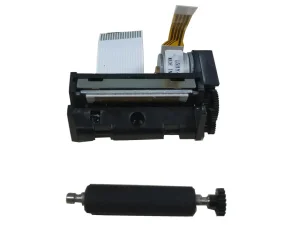
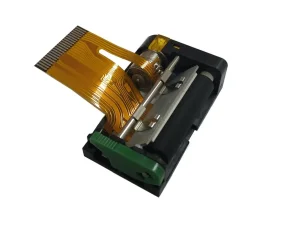
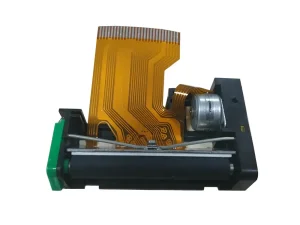
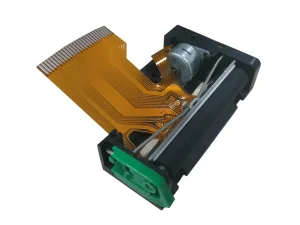
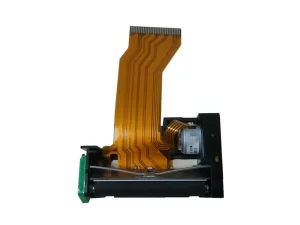
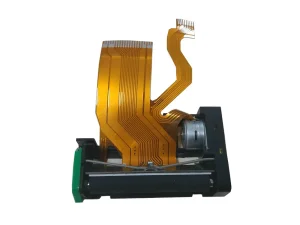
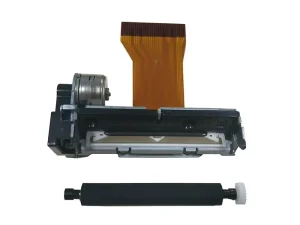
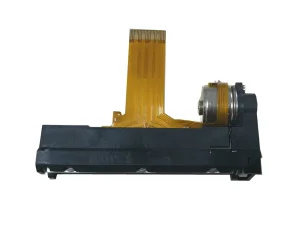
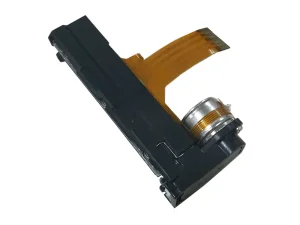
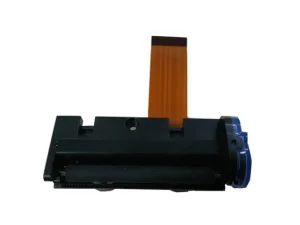
Custom TP220C-ST thermal printer mechanism series Manufacturer, Suppliers
TP220C-ST thermal printer mechanism has the characteristics of small size, wide working voltage and high efficiency. The unique movement design makes the TP220C-ST easy to load paper and high reliability.
High-Performance Industrial Manufacturing and Engineering Solutions
Deploying advanced mechanical design and optimized fabrication strategies to satisfy rigorous engineering standards. Through multi-axis machining technology and high-precision inspection tools, complex geometric requirements are accurately realized with tight tolerance control and material integrity.
Advanced Precision Control
Multi-axis tooling and automated process paths produce intricate details with uniform consistency.
Validation processing through dimensional analysis, roughness measurements, and coordinate measuring machines.
Optimized Production Lines
Production runs operate under systematically controlled quality frameworks. Modern machinery and structured workflow pipelines ensure structural components are finished to standard without delaying design schedules.
Every batch undergoes non-destructive evaluation and thorough visual inspection before final packing and dispatch.
Frequently Asked Questions (FAQ)
Q1: Which materials are suitable for your machining processes?
A wide array of materials can be processed, including aluminum, stainless steel, carbon steel, brass, titanium, and high-durability engineering plastics like PEEK and POM.
Q2: What design tolerances are standard?
Standard dimensional tolerances run at ±0.05 mm, with the capability to support ultra-precision design tolerances down to ±0.005 mm depending on specific configurations.
Q3: Do you support prototype and small-batch production?
Yes, fabrication runs accommodate low-volume custom prototyping, structural validation models, and high-volume mass production.
Q4: What surface treatments are available?
Available finishes include anodizing, plating, passivating, bead blasting, powder coating, and custom electropolishing solutions.
Q5: How is quality verification managed?
Quality control processes inspect parts at raw-material intake, mid-process milling stages, and post-machining validation utilizing coordinate measuring machines.
Q6: What is the typical lead time for standard configurations?
Lead times typically range from 2 to 4 weeks, depending heavily on geometry complexity, material availability, and secondary surface finishing options.