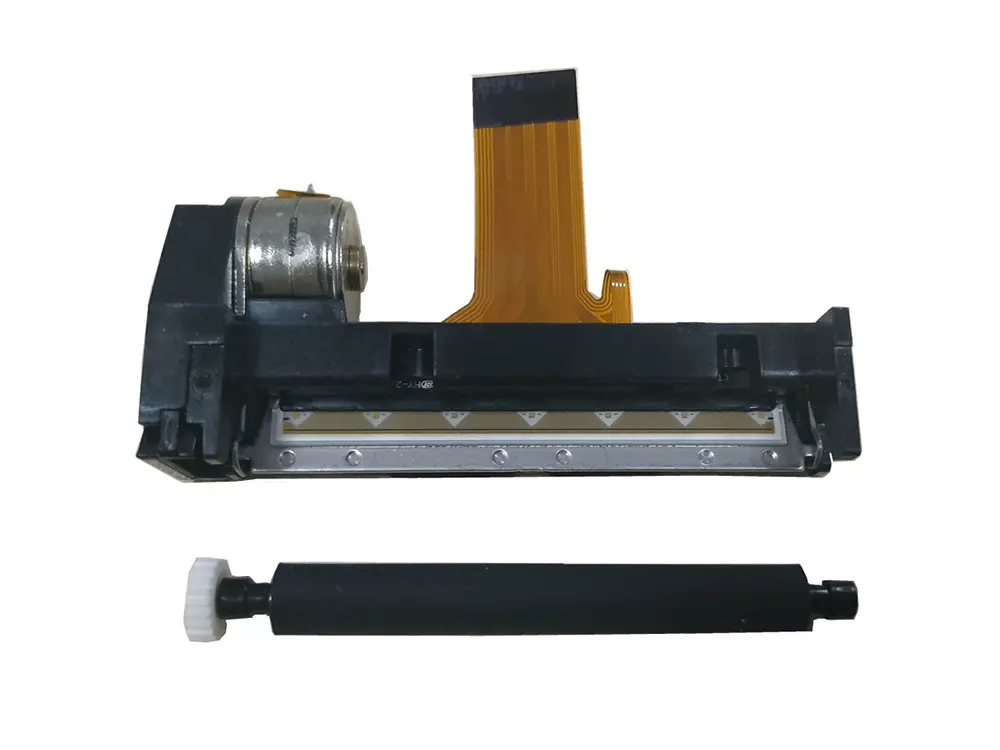
TP202LV thermal printer mechanism has the characteristics of small size, wide working voltage and high efficiency. The unique movement design makes the TP202LV easy to load paper and high reliability.
Optimizing Digital Infrastructure for Global Reach
Establishing a robust online presence requires a strategic combination of speed, accessibility, and user-centric design. Modern web architectures must prioritize seamless navigation and rapid data delivery to ensure visitors remain engaged. By implementing clean layouts and structured data, platforms can significantly enhance their visibility on search engine results pages.
Key Insight: Page load speed and mobile responsiveness are critical ranking factors that directly influence user retention rates and overall conversion metrics.
Core Strategies for Performance Enhancement
To achieve optimal performance, development workflows should integrate responsive design principles and asset optimization from the ground up. This ensures consistent rendering across diverse device screens.
Mobile-First Layouts: Adapting fluidly to smartphones, tablets, and desktop monitors.
Asset Optimization: Compressing media files without sacrificing visual clarity.
Semantic HTML: Utilizing structured elements to improve search engine crawlability.
Frequently Asked Questions
Why is responsive design important for modern websites?
Responsive design ensures that a website automatically adjusts its layout, images, and functionalities to fit the screen size of any device, providing an optimal viewing experience and improving search engine rankings.
How does page loading speed affect search engine optimization?
Search engines prioritize fast-loading websites because they offer a better user experience. Slow load times increase bounce rates, which negatively impacts search visibility and organic rankings.
What are the benefits of using structured data?
Structured data helps search engines understand the content of a page more accurately. This can lead to rich snippets in search results, which improve click-through rates and drive targeted traffic.
How can media files be optimized without losing quality?
Media files can be optimized by using modern formats such as WebP for images, implementing lazy loading, and utilizing compression tools that reduce file sizes while maintaining visual integrity.
What is the role of semantic HTML in web development?
Semantic HTML uses tags that clearly describe their meaning to both the browser and the developer. This improves accessibility for screen readers and helps search engines index the page content more effectively.