
Top-Tier Compatible & Customized Thermal Solutions
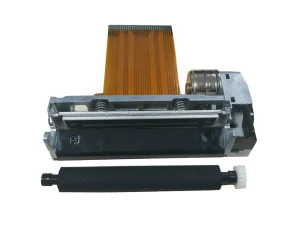
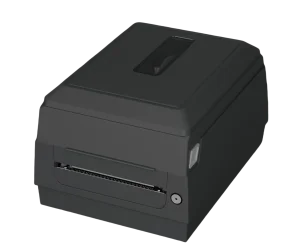
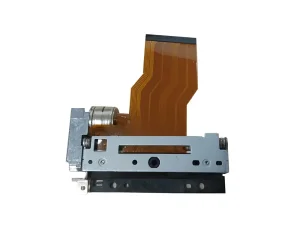
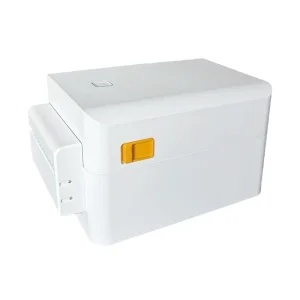
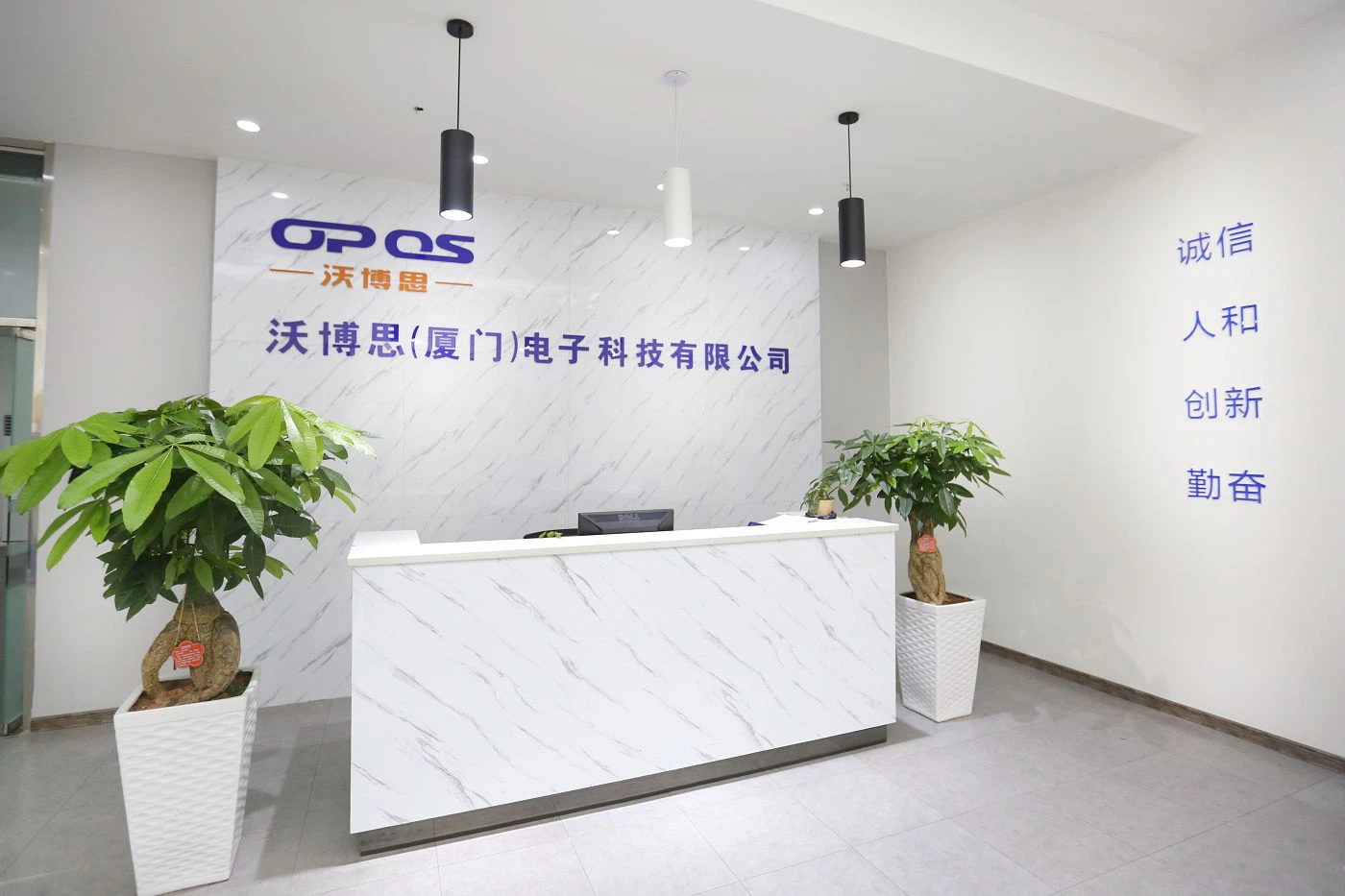
Established in 2005 in Xiamen, Fujian Province, China, OPOS (Xiamen) Electronic Technology Co., Ltd. is recognized as a pioneer in domestic thermal printing innovation. As one of the earliest high-tech enterprises to research, develop, and manufacture printer mechanisms, our core focus rests on providing custom OEM and ODM solutions.
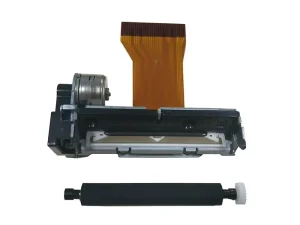
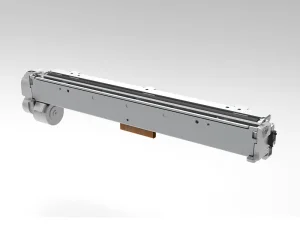
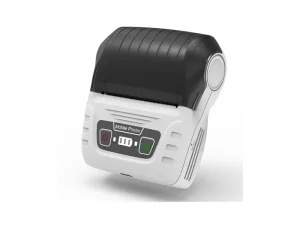
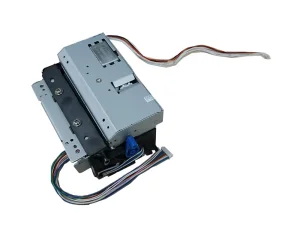
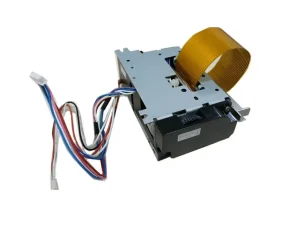
Our expansive industrial ecosystem specializes in the design, engineering, and mass-scale production of thermal receipt printers, high-precision POS mechanisms, mobile label/receipt printer mechanisms, legacy dot matrix structures, and robust automatic cutter components.
Embedded printer mechanisms form the silent backbone of modern automated transactions, industrial process management, and logistics tracking. As systems shift towards hyper-connectivity and the Internet of Things (IoT), the requirements for embedded direct thermal printing hardware have evolved. No longer just a text-rendering tool, today’s embedded micro-printer is a complex subsystem engineered to withstand harsh environments, optimize energy use, and maintain constant uptime in unattended terminal designs.
Historically, the market relied on rigid legacy frameworks with bulky mechanical structures. The integration of high-density microprocessors and precision step-motor controls has enabled modern manufacturers to achieve massive structural compression without sacrificing torque or thermal response times. The contemporary 2-inch and 3-inch mechanisms are highly standardized yet highly customizable components designed to slide effortlessly into medical carts, point-of-sale terminals, transit ticket kiosks, and portable rugged devices.
In the procurement cycle of tier-1 industrial companies, component selection is driven by strict technical parameters. Major OEMs evaluate printhead wear characteristics (typically measured in Total Printing Length (Km) or Pulse Resistance (10^8 pulses)), auto-cutter endurance (expressed in Mean Cycles Between Failures - MCBF), and mechanical fit. Incompatibilities in voltage profiles (e.g., 5V vs. 24V architectures) or physical footprint configurations can derail production timelines.
As standard systems migrate towards high-resolution print rendering, the demand for compatibility with historic benchmarks set by Seiko (such as the LTPZ245 or LTPD245 series) and Fujitsu (such as the FTP-628 series) remains critical. Modern procurement directors require drops-in replacements that perform equal to or better than the original parts, while offering customizable flex cables, tailored mounting brackets, and specialized driver support for diverse OS architectures (including Android, Linux, and Windows IoT).
| OPOS Mechanism Series | Industry Standard Compatibility | Operating Voltage | Print Speed (Max) | Life Expectancy (TPH) |
|---|---|---|---|---|
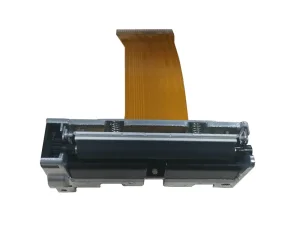
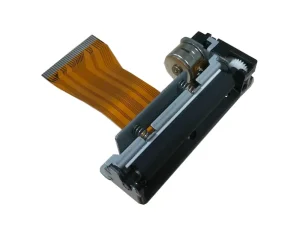
| TP173 Series | SEIKO LTPZ245D-C384-E | 4.2V - 8.5V DC | 75 mm/s | 50 Km / 100M Pulses |
| TP209 Series | SEIKO LTPD245 (Horizontal) | 4.2V - 8.5V DC | 100 mm/s | 50 Km / 100M Pulses |
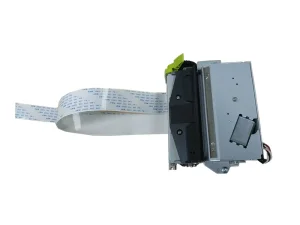
| TP347-DL Series | SEIKO LTP F347 | 24V DC | 200 mm/s | 150 Km / 150M Pulses |
| TP628 Series | FUJITSU FTP-628MCL101/103 | 4.2V - 9.5V DC | 80 mm/s | 50 Km / 100M Pulses |
| TP532-DL Series | EPSON M-T532 | 24V DC | 250 mm/s | 150 Km / 150M Pulses |
Precision Engineering Tailored to Industrial Needs
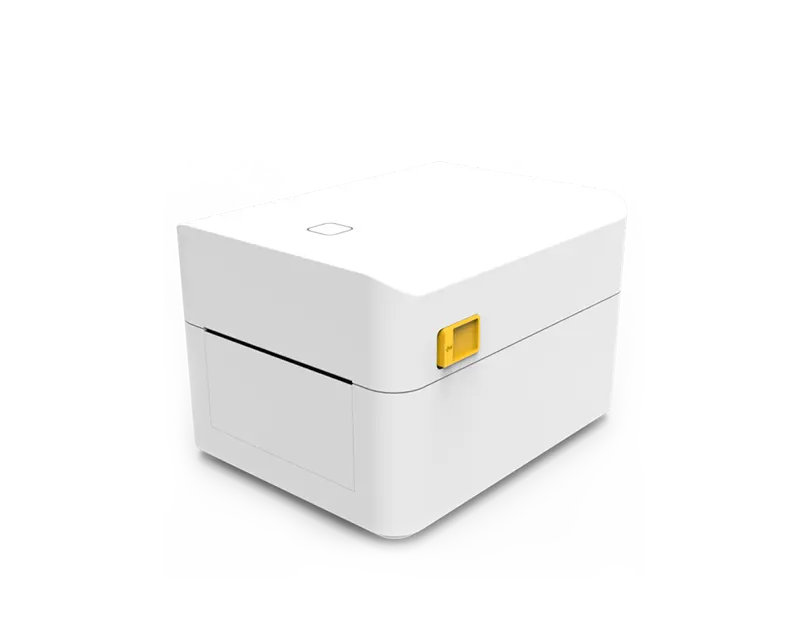
High-resolution printing for logistical barcodes, price tags, and industrial labels.
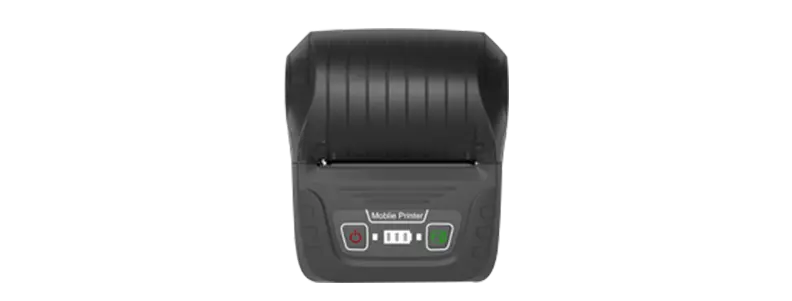
Low energy consumption, ultra-compact print structures for field operations.

Robust desktop transaction hardware featuring ultra-fast outputs.
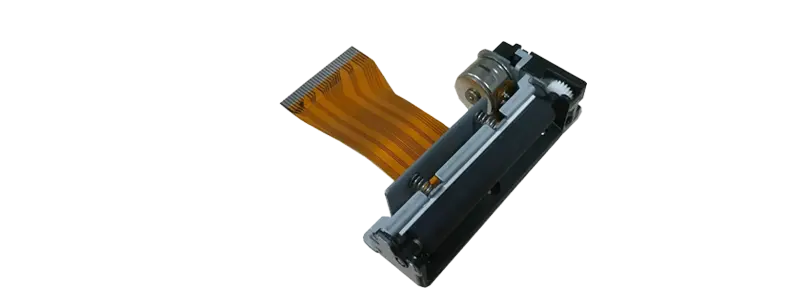
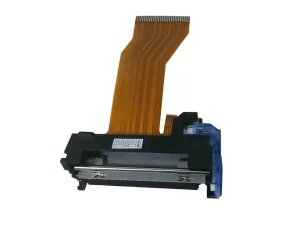
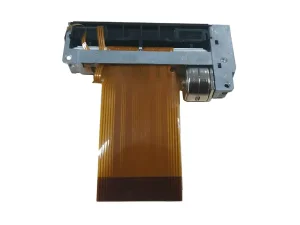
Micro-footprint solutions compatible with Seiko and Fujitsu standard formats.
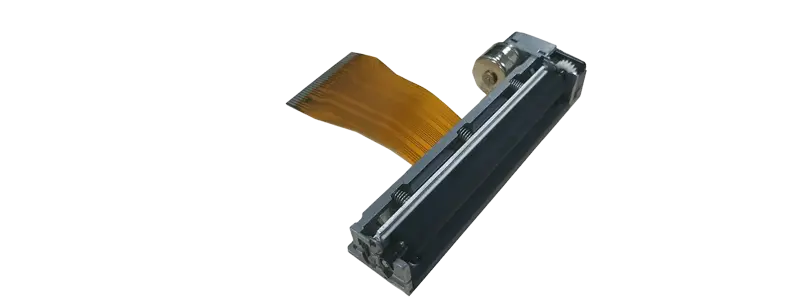
High-speed 24V mechanisms featuring integrated cutters for kiosk applications.
The manufacturing capabilities of OPOS Electronic Technology embody the transition from high-volume assembly to smart factory automation. Located in the technology hub of Xiamen, our 5,000 square meter facility operates under strict ISO9001 and ISO14001 guidelines. By automating SMT (Surface Mount Technology) assembly and implementing digital QC monitoring, we minimize variation across production batches. This vertical integration allows us to achieve significant economies of scale, passing the cost advantages directly to our global partners.
Crucially, supply chain resilience is maintained through proactive sourcing of raw materials and strategic buffers of key IC drivers and premium Japanese thermal printheads (TPH). This dual-sourcing framework safeguards our manufacturing line against external disruptions, ensuring a reliable supply of printer mechanisms even during global microchip or logistic shortages. Our 70+ invention and utility patents are a testament to our continuous investment in hardware design and performance optimization.
Off-the-shelf components rarely meet the spatial and electrical constraints of highly customized kiosk enclosures or battery-operated logistics terminals. Custom engineering is where OPOS excels. Our team of R&D engineers supports our clients throughout the integration process:
Why Industrial Leaders Partner with OPOS
We provide full physical, electrical, and firmware customization for embedded mechanisms, ensuring seamless integration into your existing systems.
We independently research, design, and manufacture our thermal printers and mechanisms, eliminating middleman markups.
Our dedicated engineering support team assists in troubleshooting interface controls, command adjustments, and system driver issues.
We guarantee print reliability and offer rapid spare parts replacement and technical assistance to ensure smooth operation.
Seamless Integration Across Key Verticals





We analyze the client's application environment, electrical constraints, and target cost structures to identify the ideal mechanical configurations.
Our engineers output physical CAD models, interface schemas, and firmware specifications aligned with the client’s project requirements.
We manufacture working prototypes to test operational efficiency, stress thresholds, and overall system compatibility in our engineering labs.
Upon sample validation, we execute mass-scale production runs using automated assembly lines for consistent product quality.
Every unit undergoes strict quality assurance tests prior to custom packaging, ensuring all products arrive ready for immediate installation.
We coordinate secure shipping schedules across global routes, ensuring dependable and timely component delivery for our partners.
Explore Our Expanded Product Portfolio
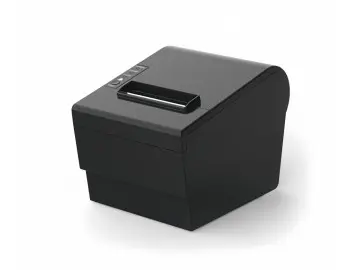
3-inch (80mm) POS receipt printer supporting receipts, labels, tickets, and simple designs.
Learn More →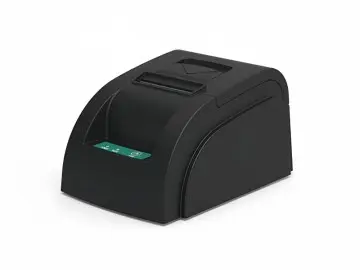
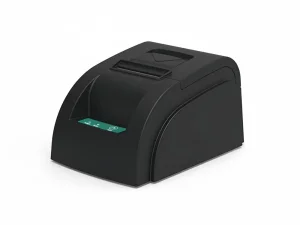
2-inch (58mm) desktop transaction printer, ideal for bills, receipts, and order slips.
Learn More →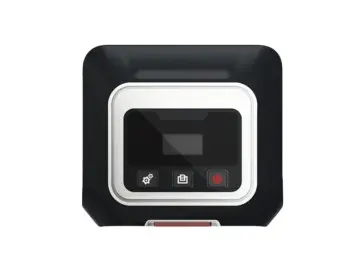
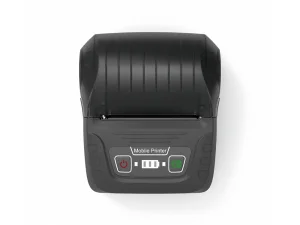
3-inch (80mm) portable printer, designed for mobile field labeling and logistics.
Learn More →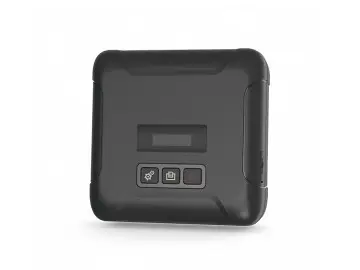
Compact pocket Bluetooth printer supporting 3-inch layouts for convenient on-site shipping slips.
Learn More →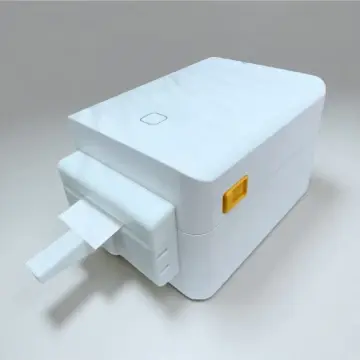
High-speed linerless shipping label printer featuring a durable cutting blade for fast logistics packaging.
Learn More →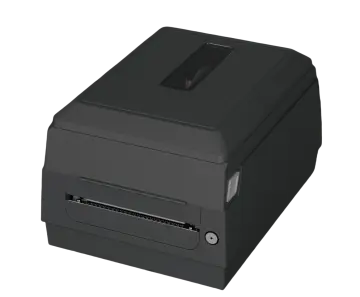
Versatile desktop thermal transfer system designed to produce sharp, high-durability logistics barcodes.
Learn More →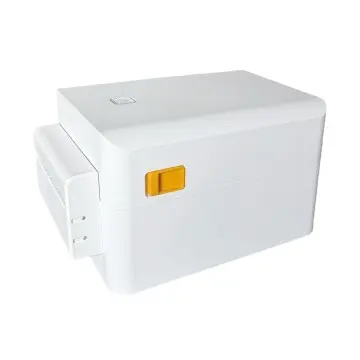
Compact 4x6 label printer with an integrated tearing knife, ideal for warehouse shipping workstations.
Learn More →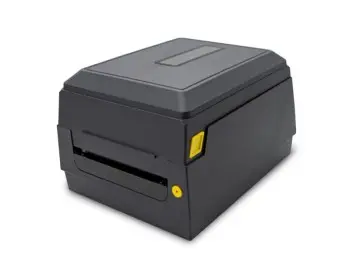
Standard 4x6 shipping label printer offering fast printing speeds for volume operations.
Learn More →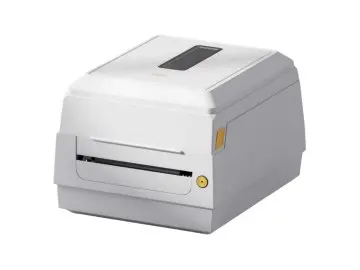
Dual-mode printer supporting both direct thermal and thermal transfer technologies.
Learn More →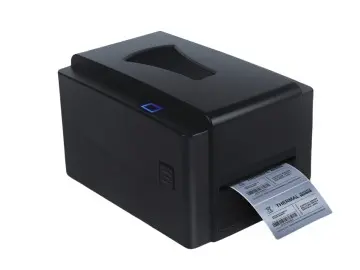
High-resolution barcode printer supporting multiple media types for retail and inventory labeling.
Learn More →When engineering an embedded terminal, design teams must balance thermal dissipation, paper feed alignment, and voltage consistency. Unlike standalone desktop printers, embedded mechanisms rely entirely on the host enclosure’s venting structures to manage heat buildup. Extended high-density printing raises the temperature of the Thermal Print Head (TPH), which can trigger internal thermistor protection and temporarily suspend printing if heat is not properly dissipated. Our high-performance mechanisms feature customized aluminum heat sinks to draw thermal energy away from the TPH, ensuring continuous printing speeds even during peak usage.
Additionally, platen roller pressure must remain uniform across the entire media width. Uneven pressure can lead to lateral paper tracking issues and faded prints near the margins. Our mechanisms use dual-spring suspension bars to apply consistent pressure across the paper width, keeping labels aligned and preventing jams during unattended kiosk operation.
We continuously publish news on our technological advances, helping hardware engineers keep pace with modern developments in the printing industry:
Our team at Xiamen OPOS Printer has launched a new generation of high-resolution mechanisms, featuring advanced thermal control systems designed for complex 2D barcode generation.
We showcased our latest smart checkout solutions and OEM printer mechanisms at the Chinashop Exhibition, highlighting integrations with modern kiosk setups.
A technical guide exploring the core parts of direct thermal mechanisms, designed for engineers integrating printing components into retail kiosks.
High-Volume Custom Printing Solutions
Expert Engineering & Integration Insights