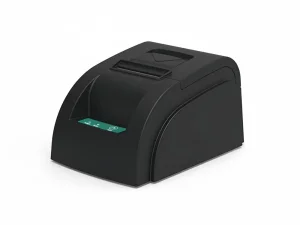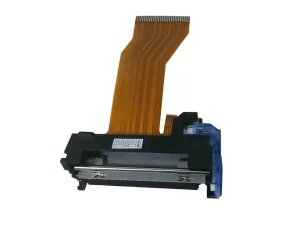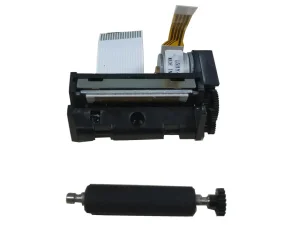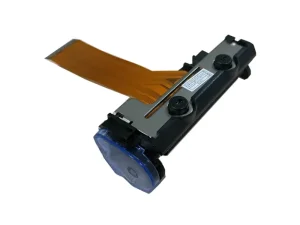
Custom How To Print Thermal Receipts Supplier

Industrial-Grade Thermal Print Engines & Integrated Mechanisms: Navigating Engineering Workflows, Hardware Customization, and Global OEM/ODM Supply Chains

Featured Thermal Receipt Printing Systems

Explore our early-entry, high-performance mechanisms and systems designed for integration across retail POS, kiosks, and medical diagnostics.
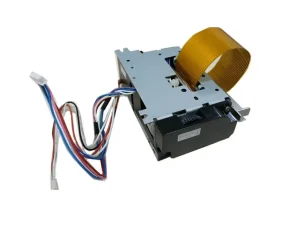
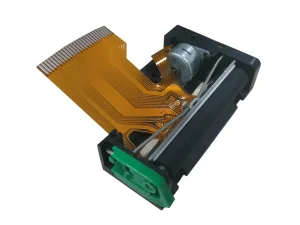
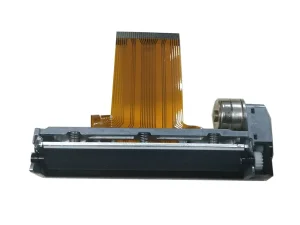
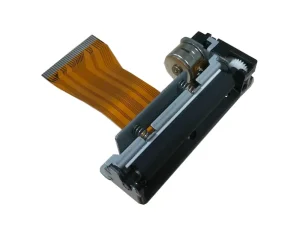
Custom TP220C-ST thermal printer mechanism

Custom TP220C-ST thermal printer mechanism series Manufacturer, Suppliers

Explore Specifications
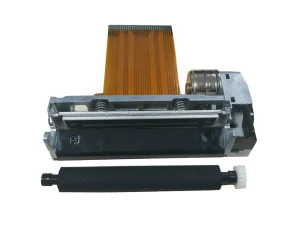
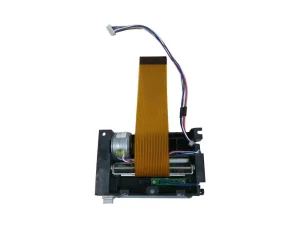
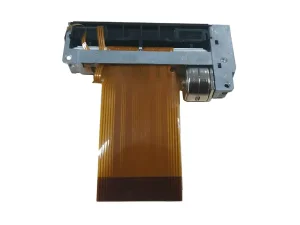
OEM TP628 thermal printer mechanism

OEM TP628 thermal printer mechanism series compatible FUJITSU: FTP-628MCL103 Suppliers

Explore Specifications
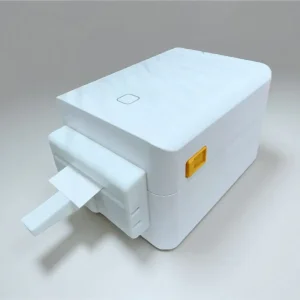
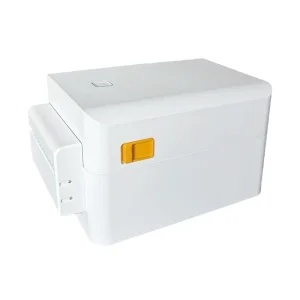
Wholesale PS203 Desktop POS Printer

Wholesale PS203 Desktop POS Receipt Thermal Printer for Restaurant Suppliers

Explore Specifications
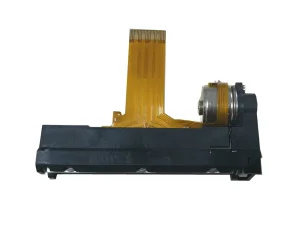
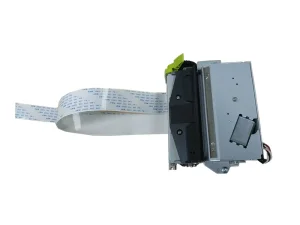
OEM TP208LV thermal printer mechanism

OEM TP208LV thermal printer mechanism series Compatible with APS ELM208LV

Explore Specifications
Custom TP100 thermal printer mechanism

Custom TP100 thermal printer mechanism series (Compatible Woosim Porti-M100H)

Explore Specifications
Wholesale TP203LV thermal printer mechanism

Wholesale TP203LV thermal printer mechanism series compatible with APS SS205-LV

Explore Specifications
Wholesale MP205-LV Thermal printer mechanism

Wholesale MP205-LV Thermal printer mechanism series (Compatible APS MP205-LV)

Explore Specifications
Wholesale TP628 thermal printer mechanism

Wholesale TP628 thermal printer mechanism series compatible with FUJITSU: FTP-628MCL101

Explore Specifications

Strategic Guide to Custom Thermal Receipt Printing Systems

Understanding the Mechanics: How Thermal Receipt Printing Works

Unlike traditional impact or inkjet systems, thermal printing operates on a direct thermal heat transfer mechanism. At the heart of this process is the Thermal Printhead (TPH), an array of micro-resistors that generate localized heat based on digital print data. When raw heat meets specialized direct thermal paper, which is pre-coated with a heat-sensitive layer containing a developer and a leuco dye, a chemical reaction occurs. The heat alters the molecular structure of the dye, shifting it from transparent to an opaque state (usually black or red), thus instantly forming high-contrast text and graphical representations.

Core Technical Parameters for Integration:
  • Print Density: Standard configurations range from 203 DPI (8 dots/mm) for standard POS receipts to 300 DPI for high-precision tracking tags and pharmaceutical compliance labelling.
  • Voltage Control: Industrial mechanisms typically run on 24V DC to maintain high-speed throughput (up to 250mm/s), whereas portable Bluetooth-enabled devices optimize for 7.2V to 8.4V Li-ion battery configurations.
  • Command Protocols: Standard ESC/POS emulation remains the dominant driver platform, alongside proprietary OEM DLL libraries designed for Android, Linux, and Windows integrations.

The Paradigm Shift to High-Reliability Mechanisms

Modern industrial environments demand continuous uptime, making the selection of printer mechanisms a vital engineering decision. Standard mechanisms often struggle under heavy workloads, showing early failures in either the printhead thermal resistors or the rotary paper-cutter assemblies. Industrial OEM designs like the *OEM TP532-DL* and *OEM TP208LV* solve these challenges. They utilize heavy-duty metal frames to optimize thermal dispersion, protecting the printhead from overheating and premature wear, and ensuring a longer operational lifespan.

Furthermore, custom integration allows manufacturers to select precise combinations of paper sensors (such as black mark sensors, paper near-end sensors, and cover-open micro-switches) that match the exact workflow requirements of self-service ticket terminals, secure banking ATMs, or harsh warehouse loading bays.
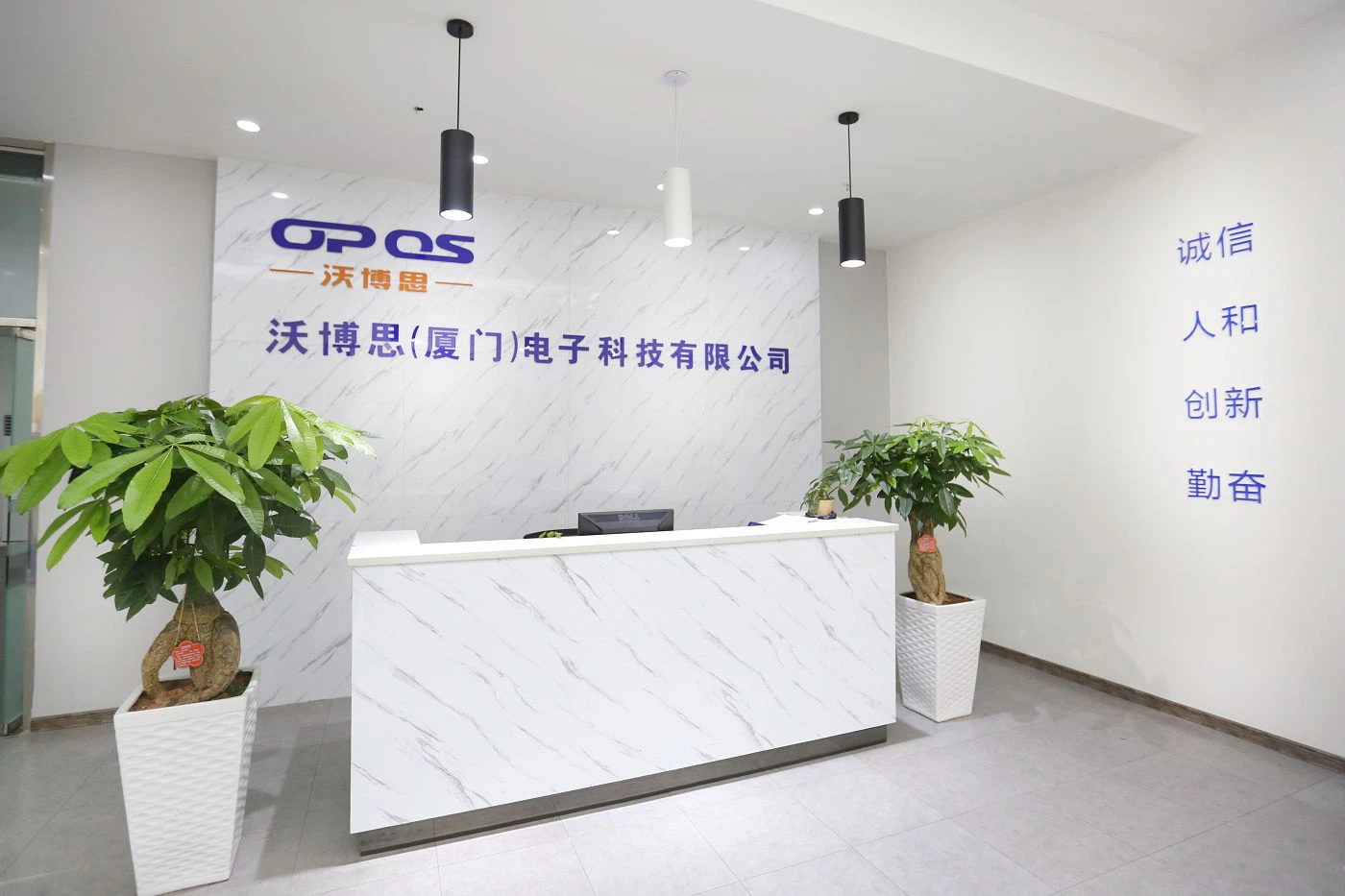
OPOS Xiamen Production Factory and Lab
Established in 2005

About OPOS Electronic Technology

OPOS (Xiamen) Electronic Technology Co., Ltd. is based in Xiamen, Fujian Province, China. We are one of the country's earliest specialized printer mechanism factories and dynamic research and development enterprises.

As a high-tech enterprise, OPOS is dedicated to the design, engineering, and mass production of thermal printer mechanisms, integrated POS printers, label/receipt mechanisms, dot-matrix systems, and heavy-duty automatic cutter components. Our technical solutions provide the structural foundation for POS, logistics, medical devices, and self-service kiosks worldwide.

Scale of Innovation and Industry Footprint

Through precise execution, rigorous testing, and custom manufacturing, we scale output while maintaining high reliability.

2005
Year Established
20+
Countries Served Globally
5000㎡
ISO-Certified Factory
70+
Invention & Design Patents

Core OEM/ODM Strengths

How our R&D capabilities translate into strategic benefits for global hardware integrators.

OEM/ODM Flex
Tailored design path adjustments for physical dimensions, mounting hardware, electrical interfaces, and software emulations.
In-house R&D
Complete oversight of intellectual property, mechanical patents, firmware code bases, and structural components.
Responsive Support
Direct access to field application engineers for quick resolutions during hardware integration and deployment.
12-Month Warranty
Guaranteed technical compliance, replacement parts, and component lifecycle protection for reliable operation.

Global Trends in Thermal Receipt Infrastructure

1. Linerless Labels and Green Chemistry Compliance

The global thermal receipt market is moving toward environmental sustainability. Traditional thermal receipts have faced criticism for using BPA (Bisphenol A) and BPS in their developer coatings. Today, regulations like REACH in Europe and similar EPA rules in the US mandate BPA-free paper.

At the same time, logistics and retail networks are increasingly adopting Linerless Thermal Printing. By eliminating the silicone backing paper, linerless printing reduces waste, lowers shipping weight, and allows for more labels per roll. To prevent adhesive build-up, this shift requires specialized printer mechanisms with non-stick platens and coated cutters, such as the *Wholesale T45 Cutter* series.

2. IoT Connectivity and Cloud-Edge Receipt Architectures

Traditional receipt printing relied on direct USB or RS232 connections to a local PC terminal. In today's decentralized retail environments, operations have shifted toward mobile and cloud-based systems.

Integrating Bluetooth 5.0 and Wi-Fi 6 directly into mobile devices, such as the *X30 Mobile Shipping Label Thermal Printer*, allows tablets and handheld terminals to print directly to local mechanisms. The printer uses built-in firmware to process raw web requests into ESC/POS commands locally, bypassing the need for a dedicated local computer.

3. Custom How to Print Thermal Receipts: Step-by-Step OEM Workflow

For systems integrators designing kiosks, POS systems, or medical diagnostic devices, setting up a thermal receipt printing system involves several key steps:

  • Mechanical Mounting & Fitment: Secure the physical mechanism (such as a 2-inch or 3-inch direct thermal printer mechanism) within the custom enclosure. Ensure proper ventilation to prevent heat build-up.
  • Electrical and Interface Connection: Connect the printhead's flex cable and stepper motor controller to the main PCB board. Typical interfaces include USB, Serial TTL, or parallel configurations.
  • Power Delivery Optimization: Ensure the power supply matches the mechanism's current requirements, especially during high-density printing where instantaneous peak current can reach 3A to 5A.
  • Firmware Configuration: Program the host microcontroller to send formatted ESC/POS command strings. These commands manage paper feeding, control print density, render QR codes, and trigger the automatic cutter.

Target Verticals & Integration Scenarios

Our hardware solutions are designed for seamless integration and reliability across diverse industries.


Courier & Logistics Systems

Courier & Logistics

Shipping Label Systems

Shipping Label

Retail & Point of Sale

Retail & POS

Commodity Price Tags

Commodity Tags

Healthcare & Medical Printers

Healthcare & Medical

Step-by-Step OEM/ODM Manufacturing Pipeline

From initial concept to international shipping, we manage every step of the development process.

01
Branding Consulting
02
Brand Design & Hardware Mapping
03
Prototyping & Sampling
04
Standard Mass Production
05
Quality Assurance & Custom Repacking
06
Compliance Logistics & Shipping

Technical News & Insights

Stay updated on our team's latest developments, event updates, and thermal printing innovations.
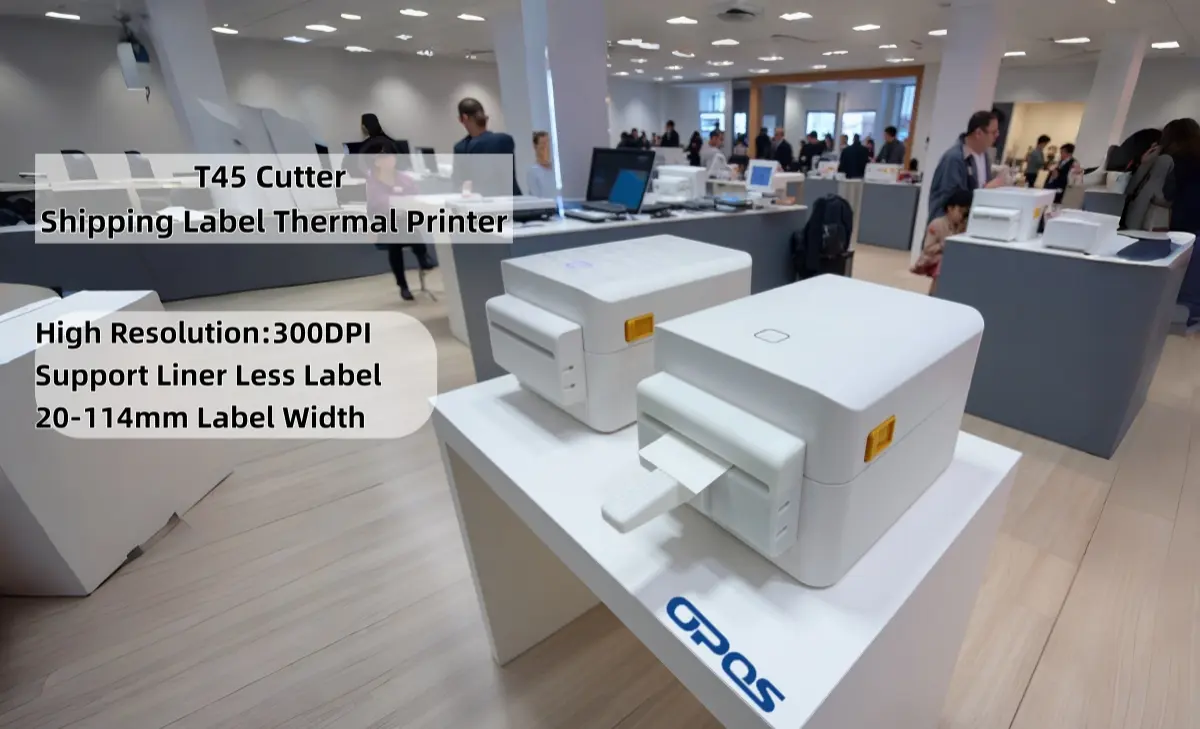
High Resolution Printing
April 29, 2026

Introducing Our New High-Resolution Thermal Mechanisms

At Xiamen OPOS Printer, we are thrilled to launch our latest high-performance printheads...

Read More
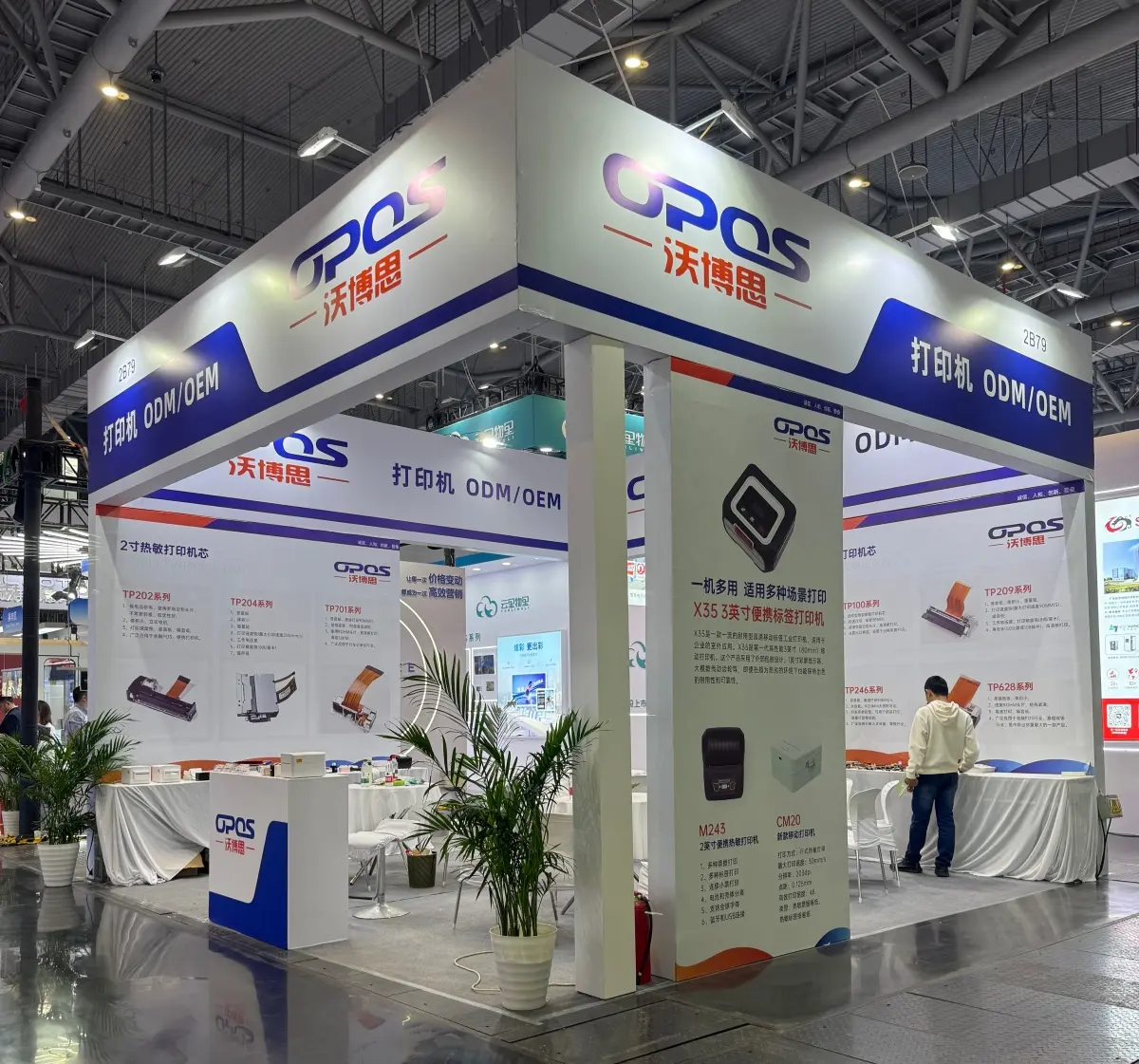
Chinashop Exhibition
April 21, 2026

OPOS Printer Showcases Innovation at Chinashop Exhibition

Our team recently highlighted our next-generation mobile and kiosk printer modules at the Chinashop Expo...

Read More
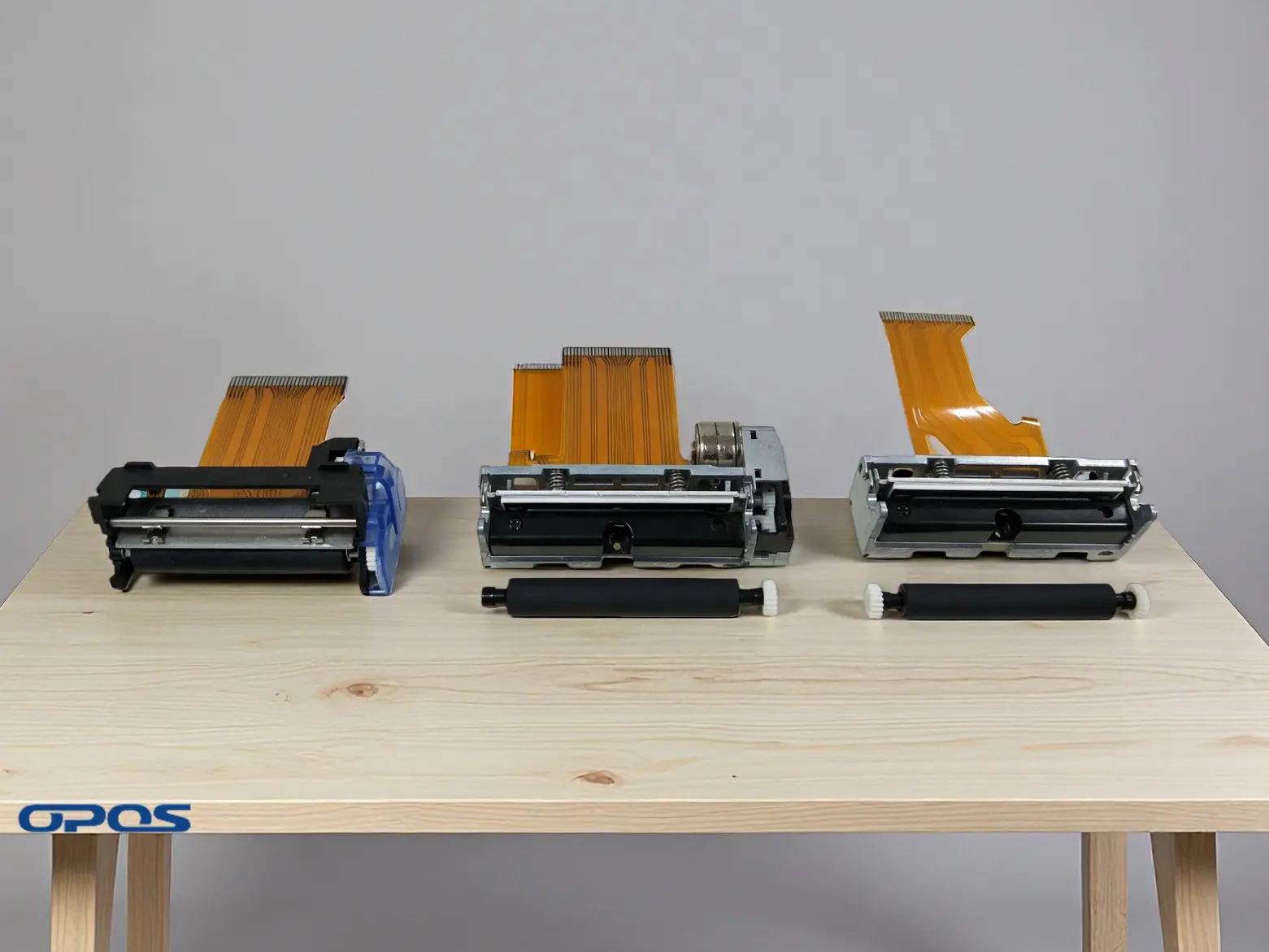
Thermal Printer Mechanism Guide
March 21, 2026

What Is a Thermal Printer Mechanism? A Technical Breakdown

A detailed look at the core components of thermal printheads and how they manage heat distribution...

Read More

Engineering & Integration FAQ

Answers to common questions from integration engineers and procurement managers.

Q: How do we resolve faded printing or poor heat transfer in low temperatures?
A: Faded printing is often caused by insufficient print density settings or mismatched thermal paper. Adjusting the printhead's heating time (strobe pulse width) in the driver firmware can resolve this. For low-temperature environments, using premium thermal paper with a lower activation point ensures clear, high-contrast receipts.
Q: Are OPOS printer mechanisms drop-in replacements for Seiko or Fujitsu modules?
A: Yes, many of our mechanisms are designed to be pin-to-pin and dimensionally compatible with industry-standard models. For example, our TP628 series is compatible with the Fujitsu FTP-628MCL103, and the TP532 series is compatible with the Epson M-T532, making updates straightforward.
Q: How do your automatic cutter modules handle high-volume ticket applications?
A: Our automatic cutters feature hardened steel blades with self-sharpening designs, rated for up to 1.5 million cuts. They include integrated electronic sensors that detect cutter position, automatically resetting the blade in case of a paper jam to protect the mechanism.
Q: What custom driver integrations does OPOS support for non-standard operating systems?
A: We provide complete SDK support across multiple operating systems, including Android, iOS, Windows, and Linux. For custom embedded architectures, we also offer raw C++ libraries and direct ESC/POS command protocols to ensure reliable integration.

Industrial Printing & Kiosk Components

Heavy-duty modules, thermal transfer units, and mobile mechanisms for demanding environments.
Custom TP205-RM thermal printer mechanism

Custom TP205-RM thermal printer mechanism series Compatible with APS ELM205-HS

Explore Specifications
Wholesale TP202 thermal printer mechanism

Wholesale TP202 thermal printer mechanism series Manufacturer, Supplier

Explore Specifications
Wholesale T45 Cutter

Wholesale T45 Cutter, 4x6 Liner Less Shipping Label Thermal Printer Supplier

Explore Specifications
Custom TP638-103 thermal printer printhead

Custom TP638-103 thermal printer printhead mechanism compatible with FUJITSU: FTP-638MCL103

Explore Specifications
Wholesale TP230 thermal printer mechanism

Wholesale TP230 thermal printer mechanism series Manufacturers, Exporters

Explore Specifications
Wholesale T45 4x6 Thermal Sticker Label Printer

Wholesale T45 4x6 Thermal Sticker Label Printer with Tearing knife Supplier

Explore Specifications
OEM TP532-DL thermal printer mechanism

OEM TP532-DL thermal printer mechanism series compatible EPSON M-T532 Suppliers

Explore Specifications
Wholesale TP215 thermal printer mechanism

Wholesale TP215 thermal printer mechanism series compatible with SEIKO LTPZ245

Explore Specifications