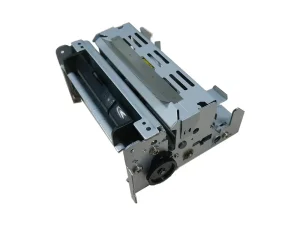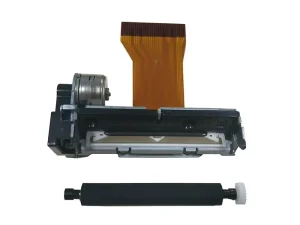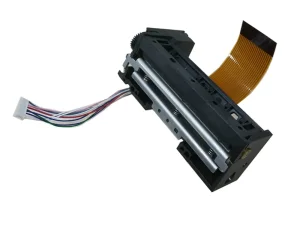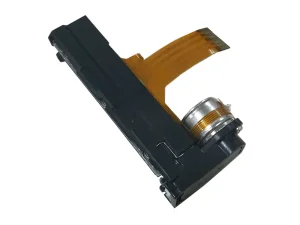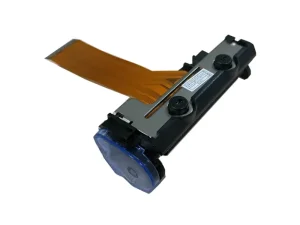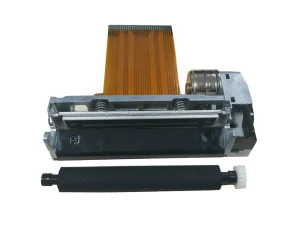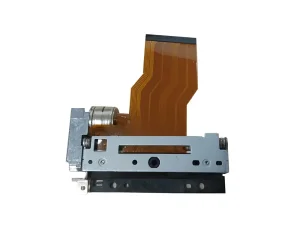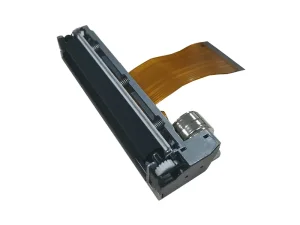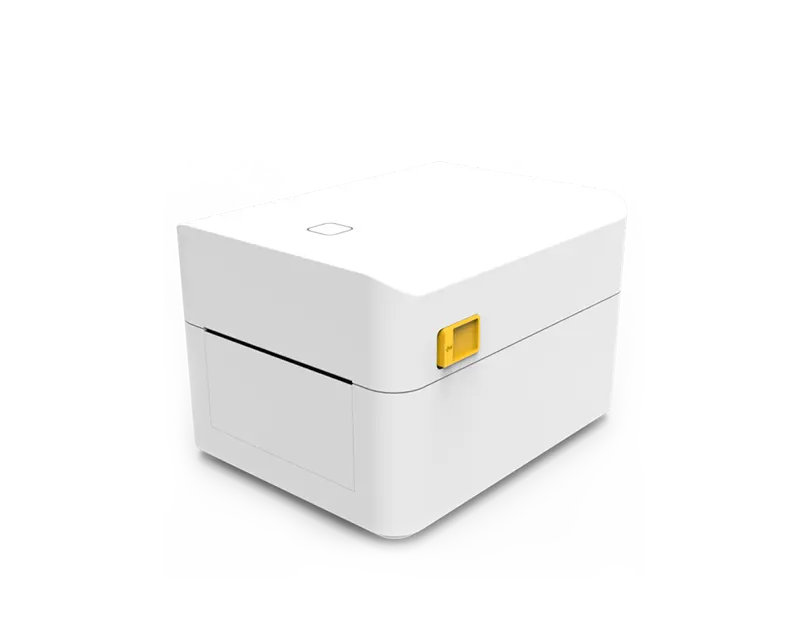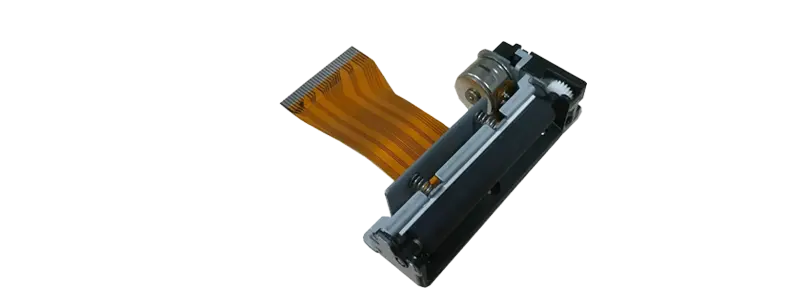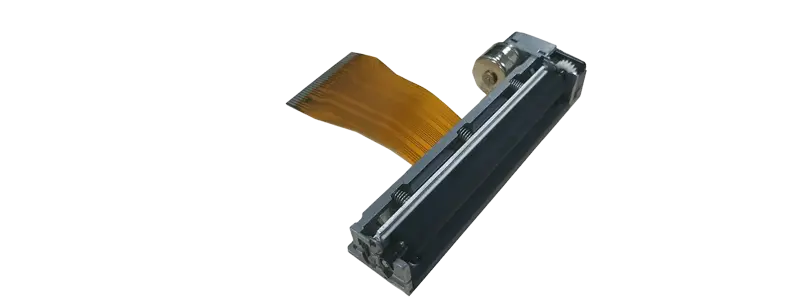
Engineered to match precise industrial standards. Explore our drop-in replacement designs for Seiko, Fujitsu, and APS configurations.
An authoritative analysis of design adaptation, structural layout, and thermal efficiency requirements for modern exporters.
Thermal printing mechanisms are the quiet workhorses of the modern automated economy. From the rugged ticketing kiosks at airport terminals in Frankfurt to the ultra-compact mobile receipt printers carried by logistics couriers in Tokyo, these devices perform critical data output operations under extreme physical conditions. Exporters and system integrators today face a significant supply chain challenge: maintaining hardware reliability while navigating the cost parameters of highly consolidated original equipment markets.
Globally, compatibility with iconic Japanese architectures—specifically Fujitsu FTP configurations and Seiko LTP equivalents—has become a mandatory standard. Original component costs can severely compress margins for terminal device exporters. Consequently, there is an intense market demand for high-caliber, customized alternative mechanisms that do not compromise on operational durability (such as print head life exceeding 50 kilometers of paper or 100 million pulses).
The engineering landscape of thermal printer mechanisms is moving rapidly toward miniaturization, thermal optimization, and ecological accountability.
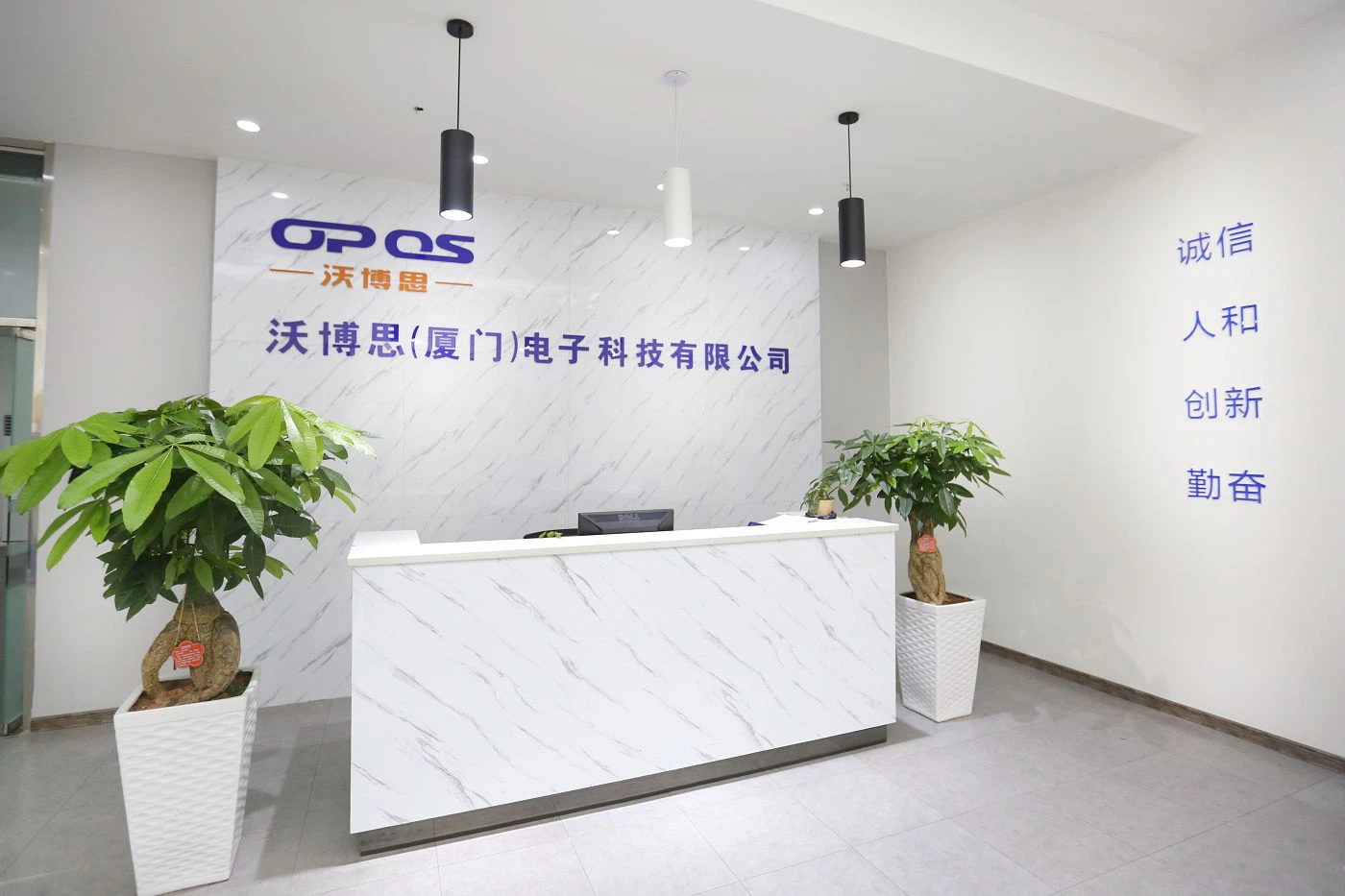
Established in 2005 in Xiamen, Fujian Province, China, OPOS is a pioneering developer and manufacturer of high-tech printing mechanisms. Originally focusing on dot-matrix printer architectures, we have spent nearly two decades refining our capabilities in design, manufacturing, and distribution of micro-printer mechanisms, POS mechanisms, mobile devices, and automated cutters.
Our state-of-the-art 5,000 square meter cleanroom production facility produces components that serve as the structural backbone for terminals in over 20 countries. Guided by stringent quality assurances and a deep patent portfolio, we support OEM and ODM clients worldwide.
Read More DetailsWhy Industrial Exporters Choose OPOS as Their Strategic OEM/ODM Hardware Partner

We tailor dimensions, gear layouts, voltages, and FPC tail extensions to fit your proprietary terminal design perfectly.

We maintain end-to-end control of mechanical blueprints, tooling, assembly, and firmware optimizations to guarantee product consistency.

Our rapid-response integration support team resolves firmware, interface protocol, and power profile adjustments immediately.

All core printer components are covered by a comprehensive warranty, supported by replacement components and expert diagnosis.
Exporters matching components with global assemblies can review this simplified parameters comparison table for our main compatible mechanism series.
| OPOS Model Series | Compatible Configuration | Paper Width | Operating Voltage | Key Applications |
|---|---|---|---|---|
| TP628 Series | FUJITSU FTP-628MCL101 | 58mm (2 Inch) | 4.2V - 8.5V | Handheld POS, Parking Meters, Mobile Printers |
| TP638 Series | FUJITSU FTP-638MCL101 | 80mm (3 Inch) | 4.2V - 8.5V | Taximeter billing, Heavy Duty Portable Terminals |
| TP173 Series | SEIKO LTPZ245D-C384-E | 58mm (2 Inch) | 4.5V - 8.5V | Medical diagnostics, Compact Payment Devices |
| TP345 Series | SEIKO LTPV345C | 80mm (3 Inch) | 24V High Speed | Industrial Kiosks, Self-Service Ticketing |
| TP203LV Series | APS SS205-LV | 58mm (2 Inch) | 2.7V - 7.2V Ultra Low Power | Micro Mobile POS, IoT Smart Tags |
When replacing Fujitsu or Seiko printheads, system designers must align several critical parameters. The pinout structure of the FFC (Flexible Flat Cable) must match. If it is mismatched, logic voltage spikes will destroy the driver IC.
Our design engineering handles this on multiple fronts:
Providing reliable performance across core commercial and industrial systems





We deliver systematic development, from initial concept to high-volume manufacturing.

Brand & System Integration Consulting

Brand Solution Alignment (Design & Layout)

Precision Prototype Sample Production

State-of-the-Art Mass Production Assembly

Custom Repacking & Final Quality Check

Global Shipping & Logistics Execution
Stay Informed: Discover the Latest Updates and Insights from Our Team.
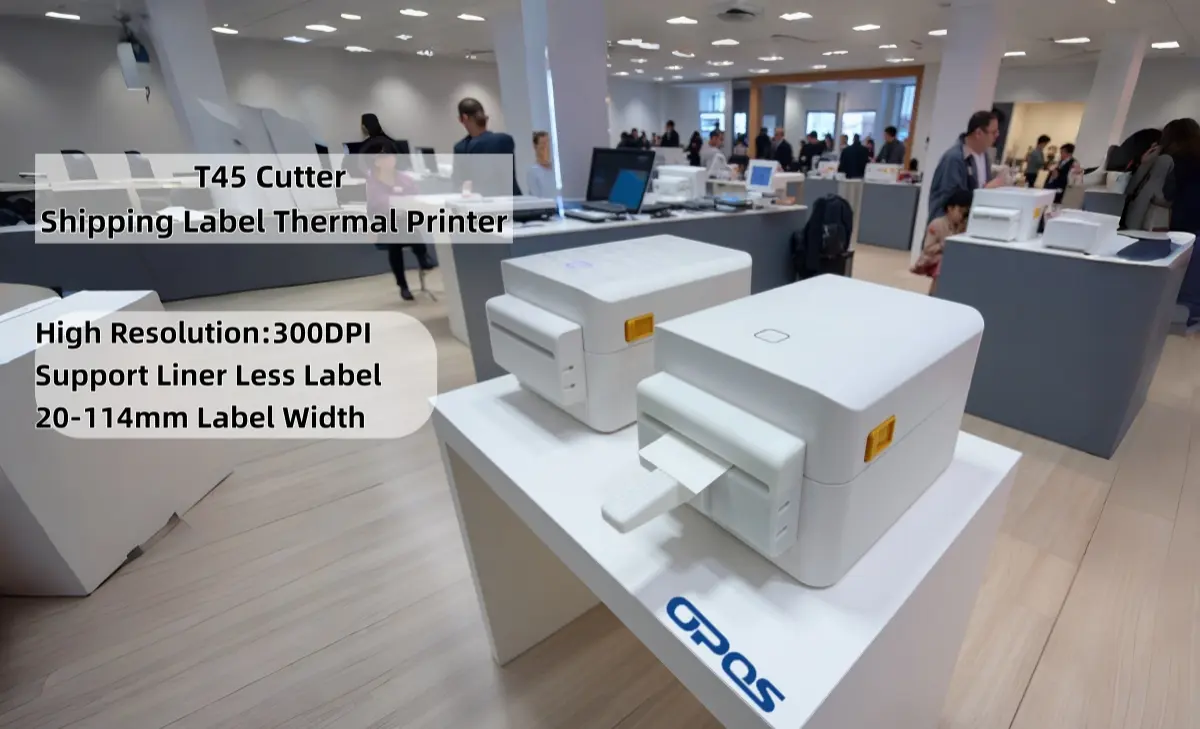
At Xiamen OPOS Printer, we are thrilled to announce the launch of our latest innovation: a high-resolution, high-durability print mechanism designed for demanding industrial terminals.
Read More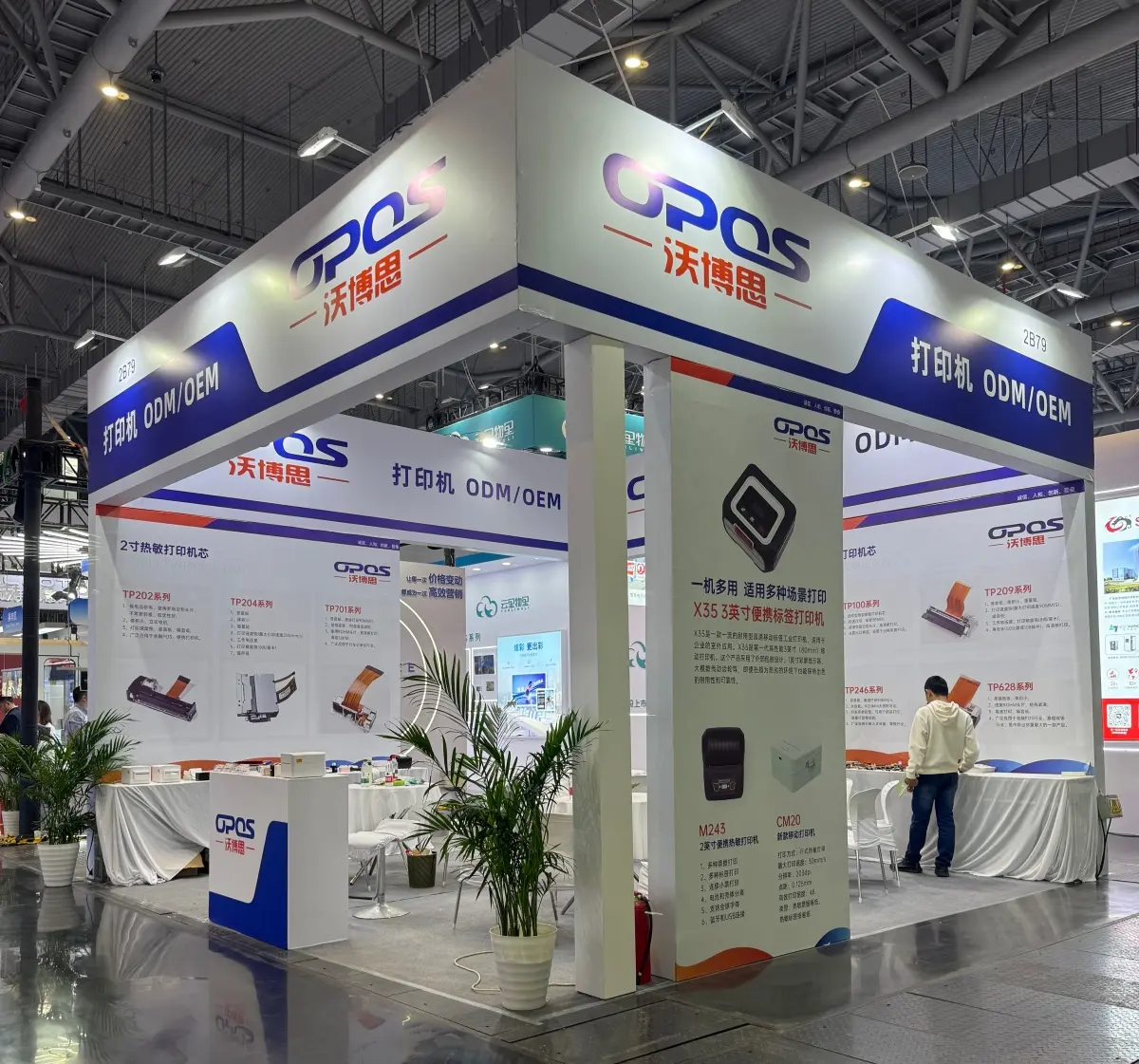
We are excited to share that OPOS Printer recently participated in the Chinashop Exhibition, showcasing our latest line of compatible thermal mechanism units.
Read More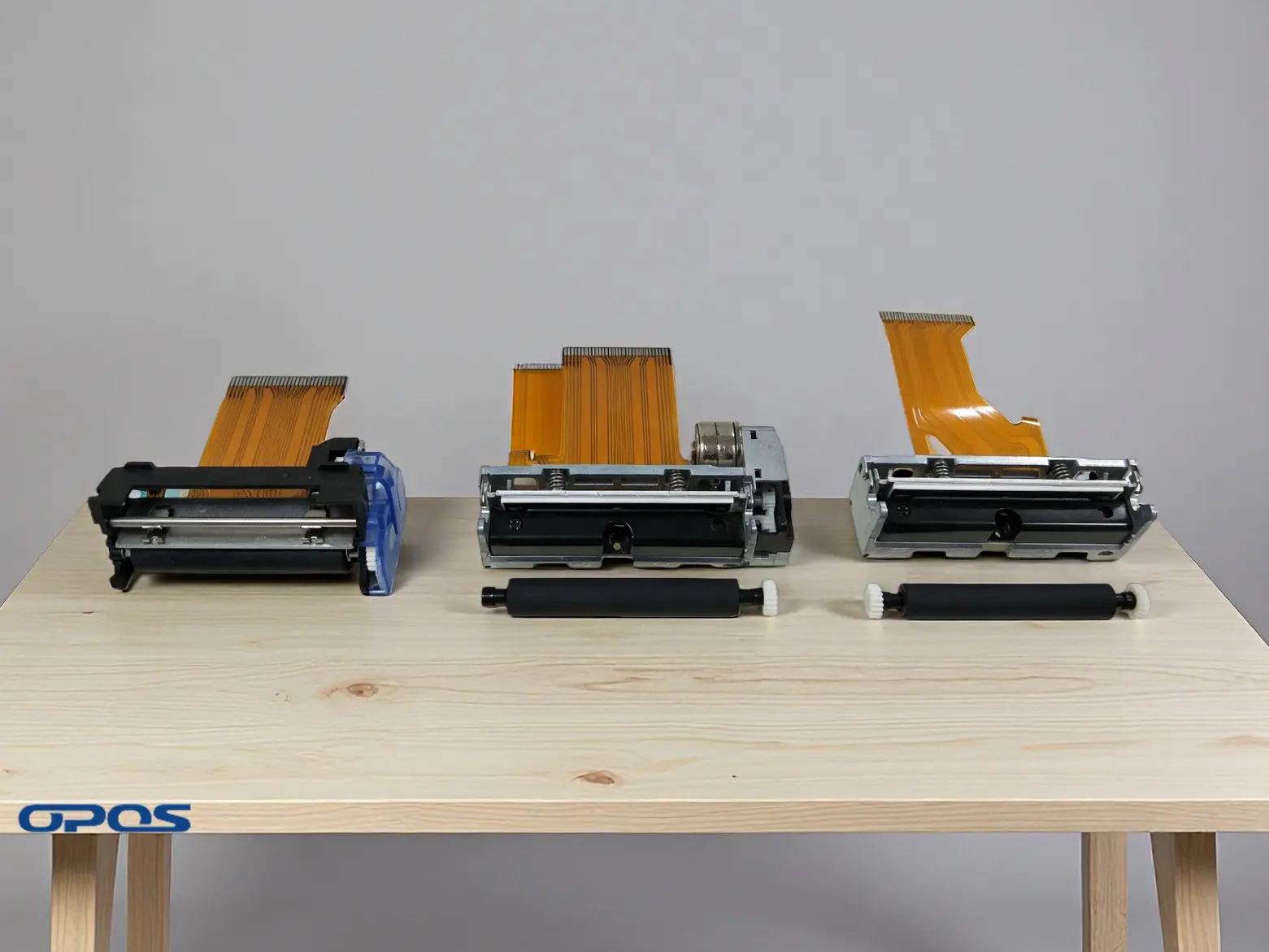
A thermal printhead, also known as a thermal printer mechanism, is the core component of a thermal printer. It consists of heating elements, control electronics, and gear frames.
Read MoreThe operating environment of thermal printers varies widely by region. In Southeast Asian markets, high relative humidity and dust levels are common. Thermal mechanisms without dynamic seal protections risk short-circuiting from moisture buildup. OPOS addresses this environmental challenge by utilizing advanced corrosion-resistant coatings over the heating elements.
In contrast, European markets emphasize speed, sustainability, and low energy draw. With the widespread adoption of smart EV charging stations and solar-powered parking terminals, printers must operate efficiently at low voltages. The standby current draw must be minimized. Our low-voltage mechanisms use advanced power profiles that draw less than 0.5A in standby mode. This helps system exporters meet energy efficiency certifications in their target markets.
When planning to export terminal solutions containing customized thermal mechanisms, system integrators should follow three main design principles:
Technical Answers for Hardware Designers and Export Procurement Managers
We use precision-machined mechanical chassis matching Fujitsu specifications down to ±0.05mm. Mounting brackets, guide pins, and platen locks align perfectly with the original equipment designs. This allows you to replace original mechanisms without modifying your enclosure tooling.
Our standard thermal mechanisms are rated for a paper path wear limit of 50 kilometers. High-durability variants utilize a protective coating that extends this wear limit to 100 or 150 kilometers, providing stable performance in heavy-use kiosks and payment terminals.
Yes, we offer fully matching control boards with USB, RS-232, and Bluetooth interfaces, supporting command libraries like ESC/POS for seamless driver integration across Android, Windows, and Linux operating systems.
Yes, customizable FPC cables are a core part of our OEM/ODM design process. We can adjust cable length, exit angle, and connector pin spacing (such as 0.5mm or 1.0mm) to match your custom mainboard layout.
Our mechanisms comply with international manufacturing standards, holding RoHS, CE, and FCC certifications. This ensures smooth regulatory clearance when exporting products to Europe, North America, and other markets.
Highly integrated thermal mechanisms and ready-to-run desktop solutions
Custom TP305 thermal printer mechanism series Supplier, Factories
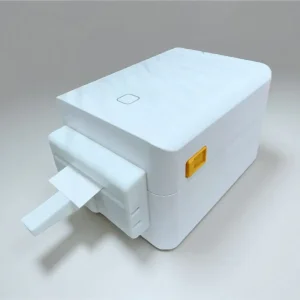
Wholesale T45 Cutter, 4x6 Liner Less Shipping Label Thermal Printer Supplier, Exporters
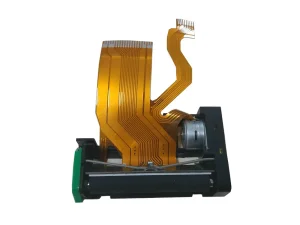
Wholesale MP1245 Thermal printer mechanism series(Compatible APS MP1245-HS) Suppliers, Factory
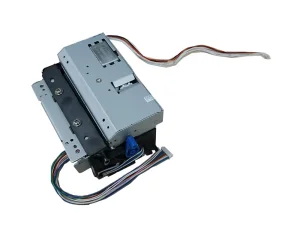

OEM MP205 Thermal printer mechanism series(Compatible APS MP205) Suppliers, Factory
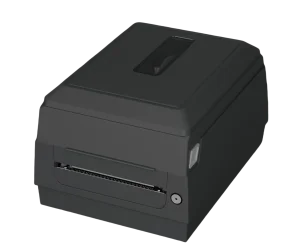
OEM 4” x 6” , 108mm Desktop Thermal Transfer Label Printer QR985 Supplier, Suppliers
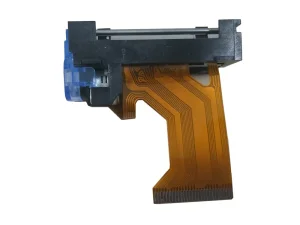
Custom TP205-RM thermal printer mechanism series Compatible with APS ELM205-HS Supplier, Factories
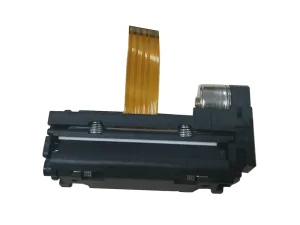
Custom TP206 thermal printer mechanism series compatible with SEIKO LTPJ245G Manufacturer, Suppliers