
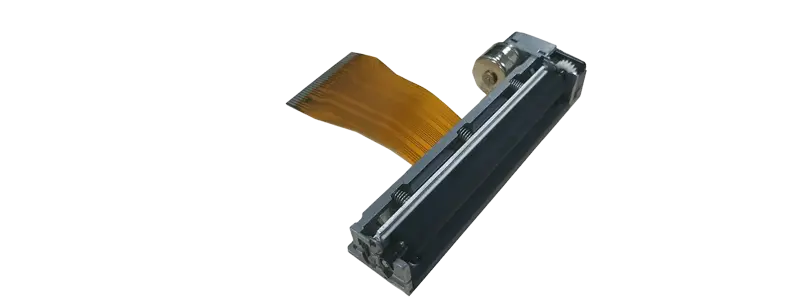
1. Industrial Analysis & Technical Specifications of Modern Thermal Printer Mechanisms
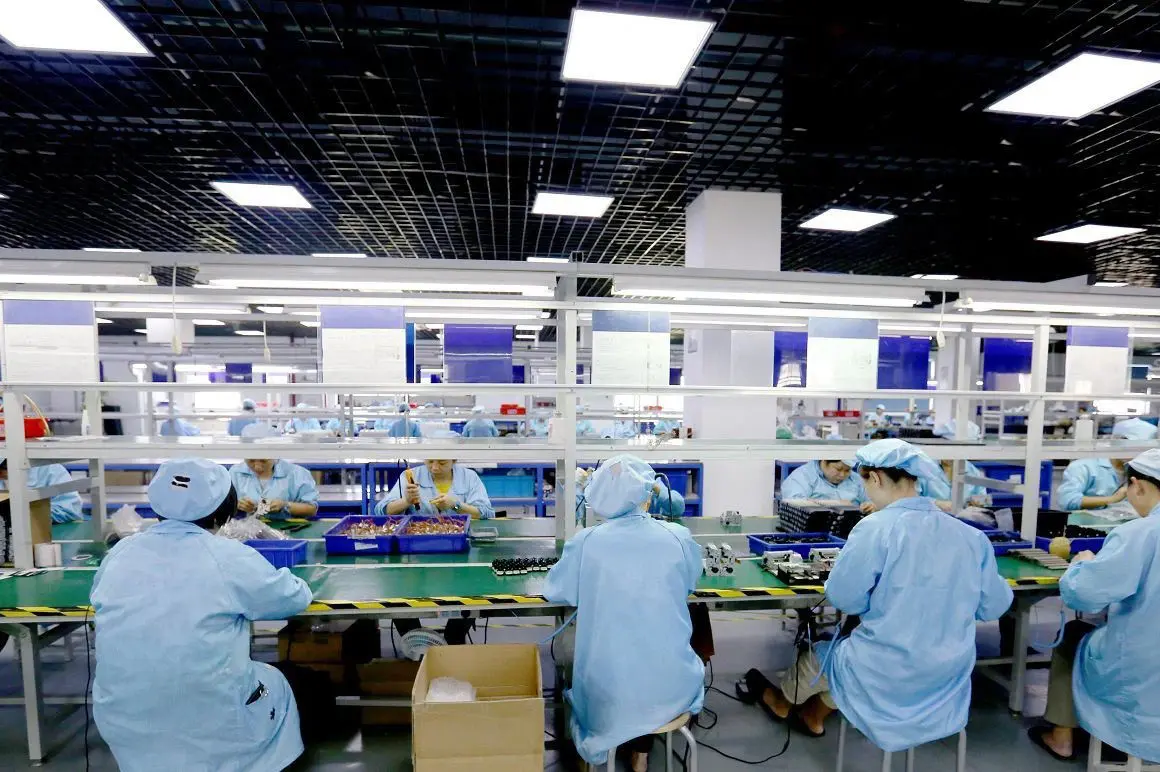
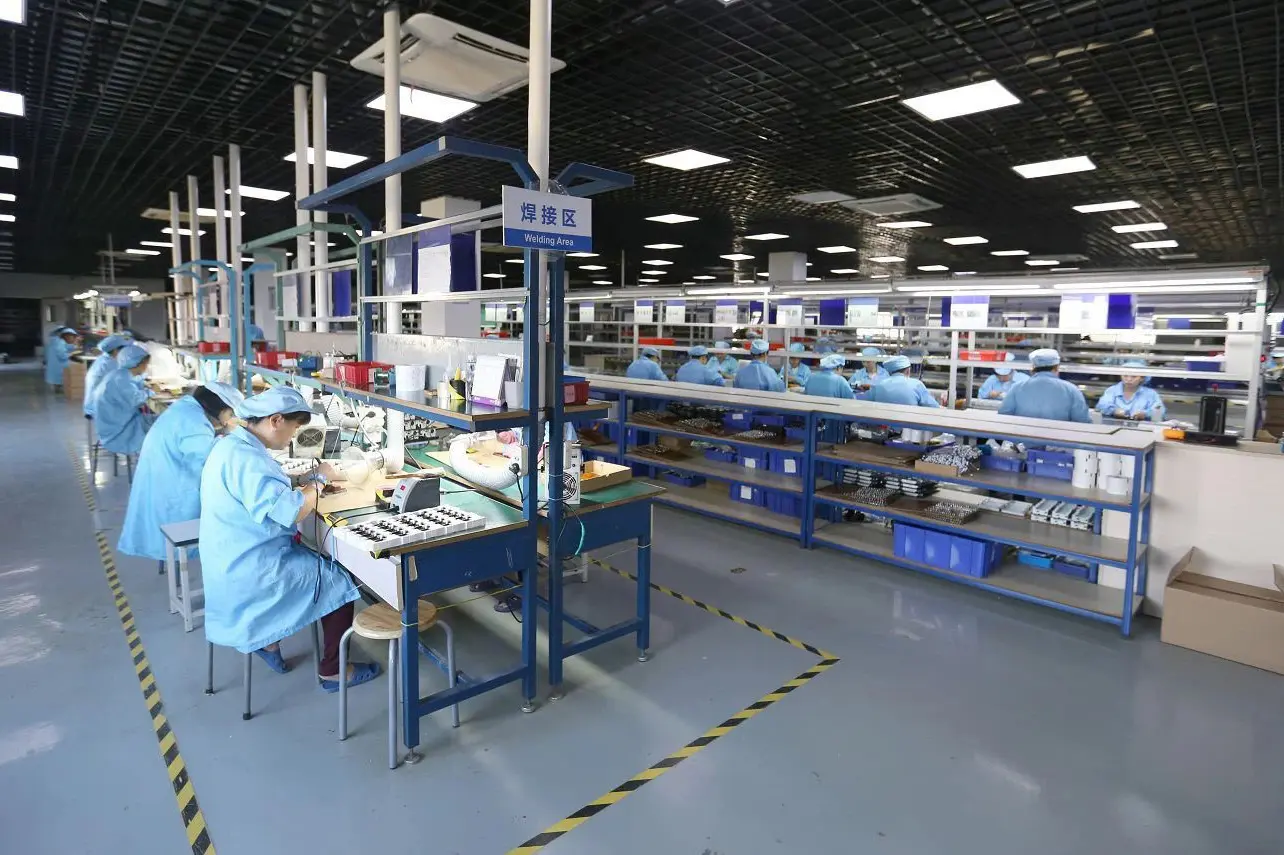
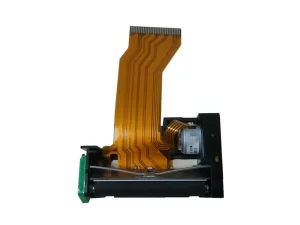
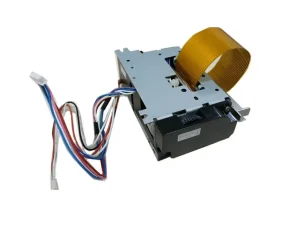
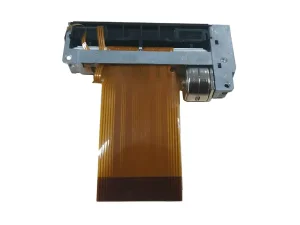
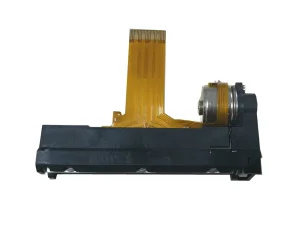
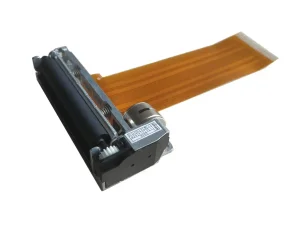
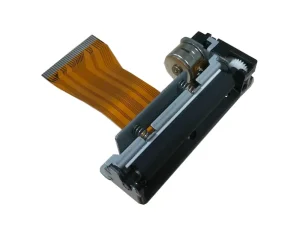
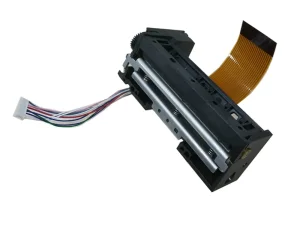
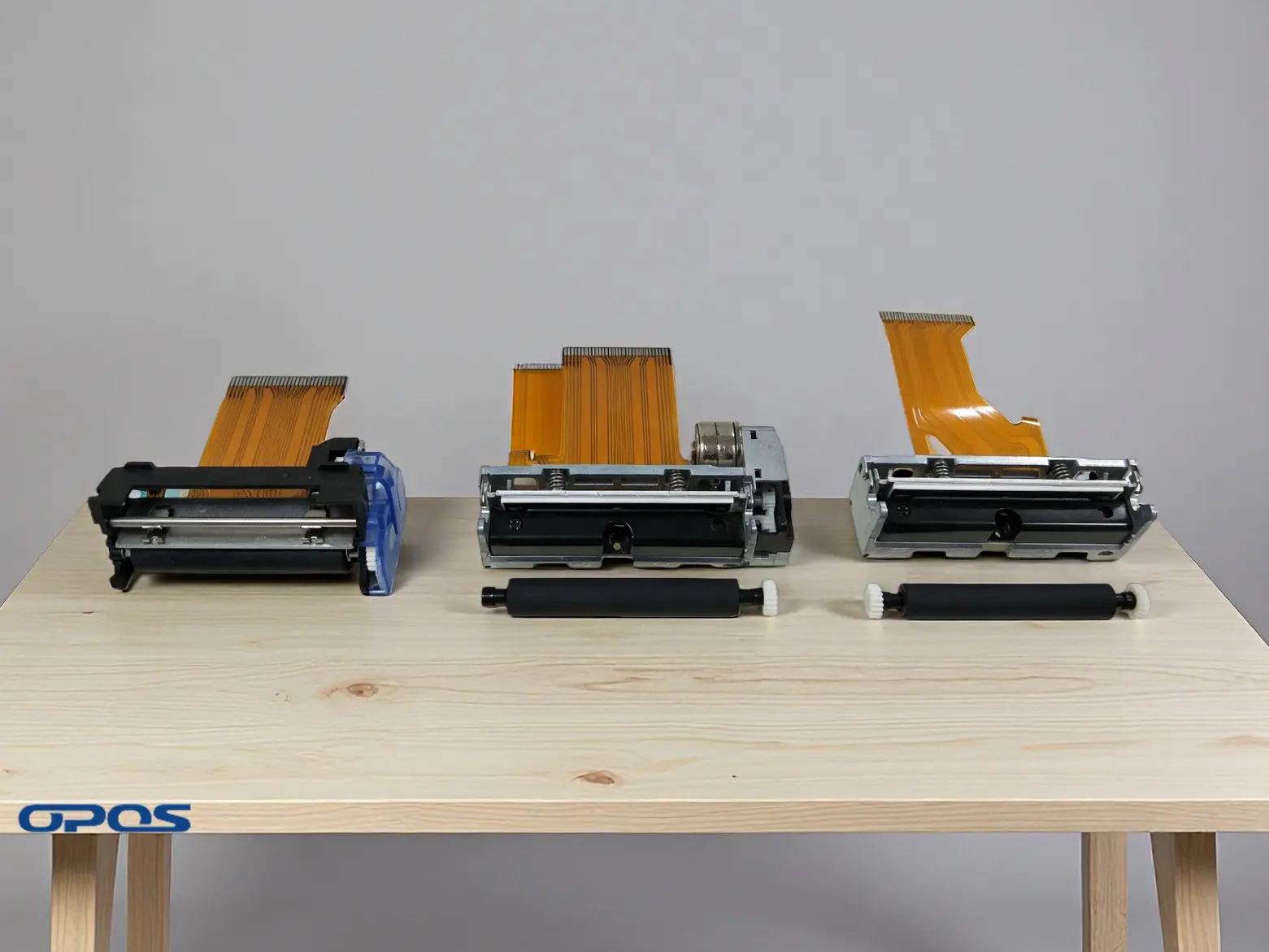
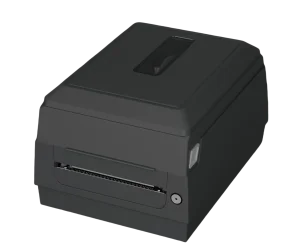
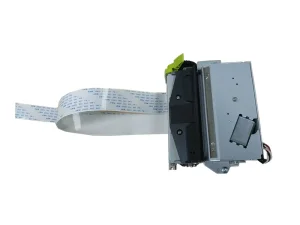
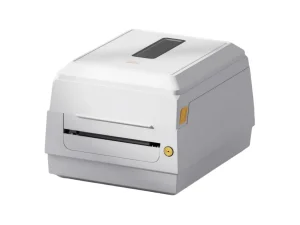
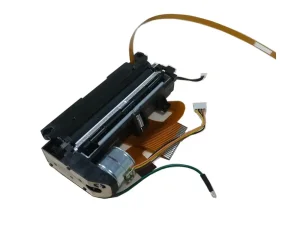
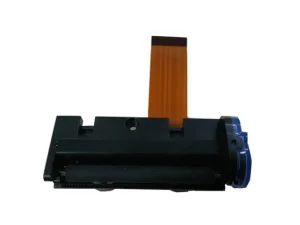
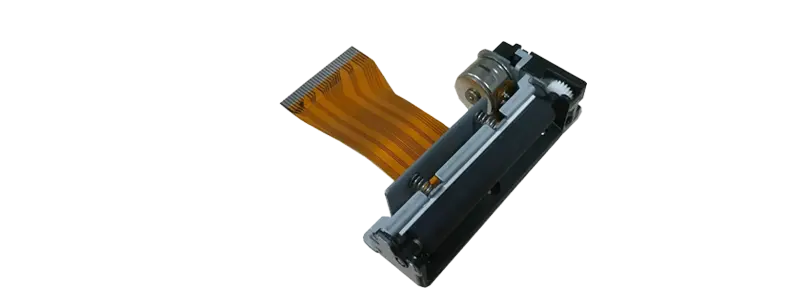
Thermal printing technologies lie at the core of real-time transactions, medical documentation, logistical tracking, and automated retail. As a premier custom thermal printer mechanism factory, Opos (Xiamen) Electronic Technology Co., Ltd. develops high-grade modules engineered to handle extreme printing demands. The primary mechanical parts of the printing engine—the thermal printhead (TPH), the paper platen roller, the constant-force spring, and the gear transmission system—must work in perfect synchronization to maintain exact heat-transfer density.
Precision engineering ensures that thick-film heating elements apply targeted micro-pulses to heat-sensitive papers. Standard operating configurations split printer mechanism designs into two main variations based on print width: 2-inch (58mm) and 3-inch (80mm) formats. A key factor in mechanism endurance is structural heat dissipation. In heavy-duty operations like self-service ticketing kiosks, our systems integrate thickened aluminum heat sinks directly beneath the TPH substrate to extend the operation life cycle up to 150 kilometers of printed receipts.
Critical Dynamic Tension & Energy Control
Unlike standard desktop units, custom thermal mechanisms require strict calibration of the dynamic contact tension between the rubber platen roller and the TPH resistor line. Imbalances in this mechanical force will lead to local friction spikes, faster head abrasion, and uneven print density.
Technical Architecture: Seiko, Fujitsu & Epson Compatibility Layout
For global electronic system designers, board-level compatibility is essential. Our thermal printer mechanism factory constructs footprints that integrate seamlessly into existing international board designs. Our OEM models serve as drop-in replacements for industry standard footprints:
| OPOS Mechanism Model | Compatible Brand Reference | Print Width (mm) | Voltage Input (V) | Maximum Print Speed (mm/s) |
|---|---|---|---|---|
| OEM TP209 Series | SEIKO LTPD245 (Horizontal) | 58 mm | 2.7V - 8.5V | 100 mm/s |
| OEM TP628RM-101L | FUJI FTP-628MCL101 / 103 | 58 mm | 4.2V - 8.5V | 80 mm/s |
| OEM TP532-DL Series | EPSON M-T532 Frame | 80 mm | 24V Industrial | 250 mm/s |
| Wholesale TP215 Series | SEIKO LTPZ245 Integration | 58 mm | 3.0V - 9.0V | 75 mm/s |
| Custom TP345 Series | SEIKO LTPV345C Module | 80 mm | 24V Industrial | 200 mm/s |
2. Engineering Roadmap: The Evolution of Thermal Printing Performance
As printing speeds push beyond 250 mm/s, printhead wear patterns shift dramatically. At higher speeds, standard passive heat dissipation is no longer enough to clear remaining thermal energy between printed lines, which can lead to layout ghosting. Our research team has addressed this limitation by designing custom thermal drive IC profiles that calculate real-time energy history.
By monitoring the previous print pulses for each specific heating element, our controller adjusts the power input for the next cycle. This keeps the printhead at the exact activation temperature needed without overheating.
Transitioning to Industrial Linerless Media
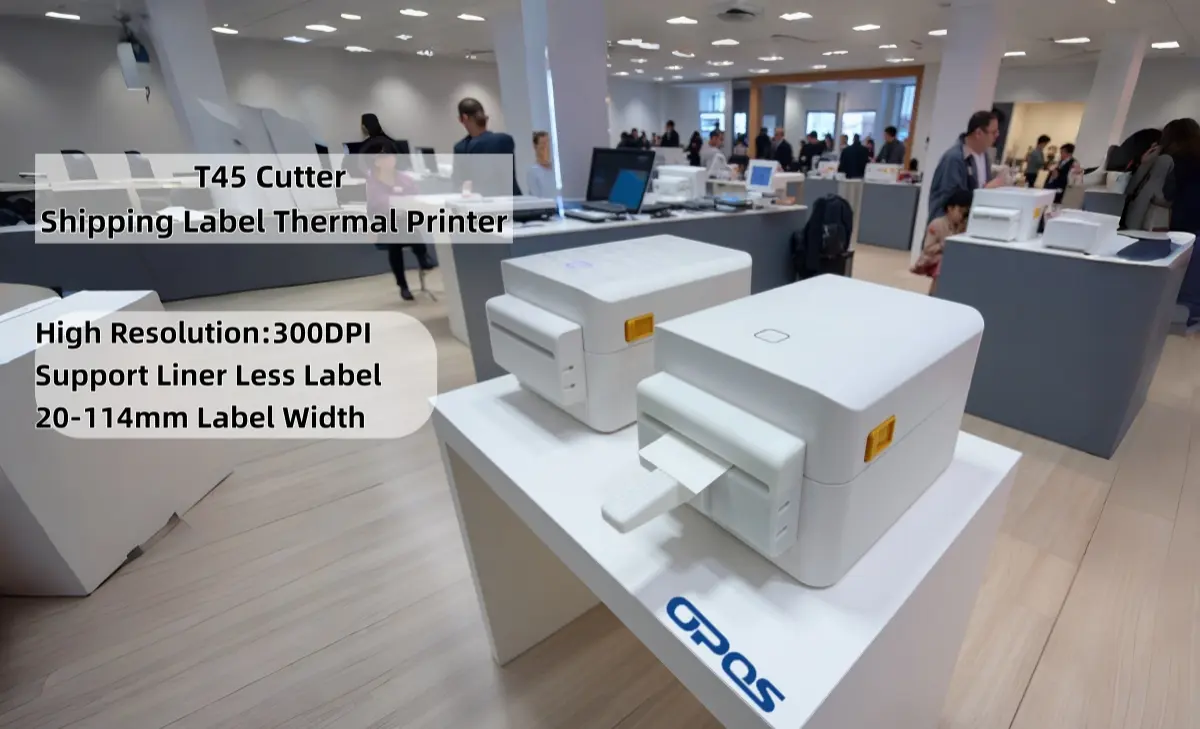
Environmental regulations are driving a shift toward linerless label media. Standard label printheads face quick adhesive buildup when labels are run without backing paper. Our new technical roadmap features non-stick surface coatings on our platen rollers and special protective printhead treatments to prevent adhesive accumulation. This reduces cleaning requirements by over 75% in automated fulfillment workflows.