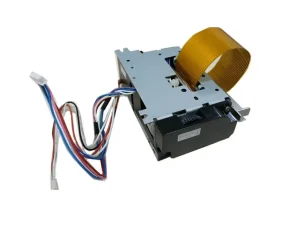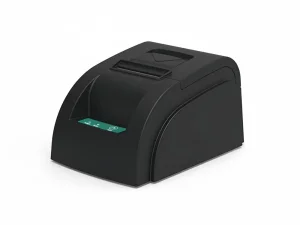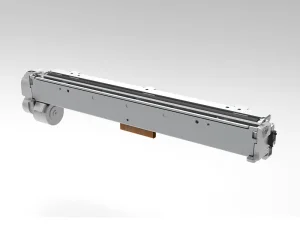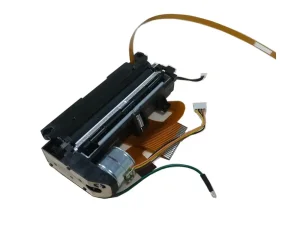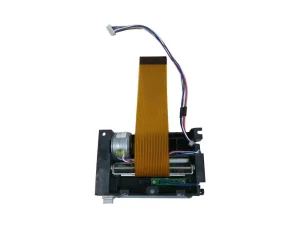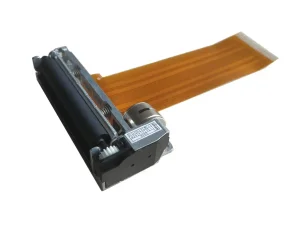
Explore our foundational range of direct thermal mechanisms, portable mobile sticker solutions, and POS printheads engineered for continuous, mission-critical processing.
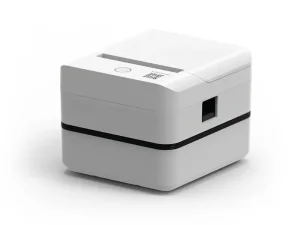
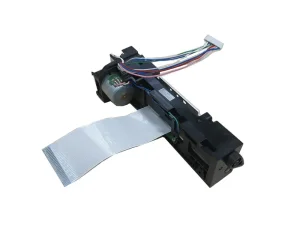
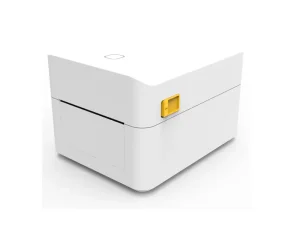
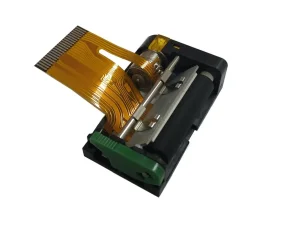
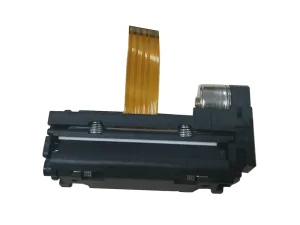
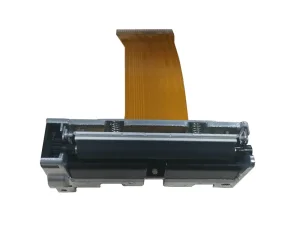
An in-depth analysis of portable thermal printing architectures, integration methods, and performance optimization protocols.
In the era of modern warehousing, decentralized logistics, and smart retail, demand has shifted from static, desktop printing modules to highly resilient, lightweight, and cloud-integrated portable printing units. High-frequency transport and on-site distribution require label printers capable of dynamic thermal adjustments, minimizing battery drain while maximizing printhead lifespans. Today’s portable units integrate multi-protocol wireless SOC chips (Bluetooth 5.0 Dual Mode + WiFi) to interface seamlessly with handheld enterprise resource planning (ERP) terminals, smartphones, and tablet-based point-of-sale applications.
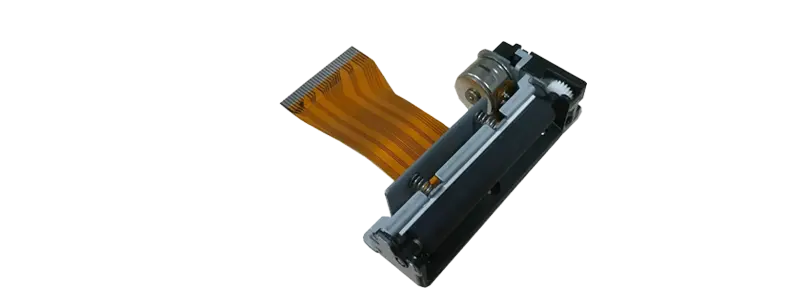
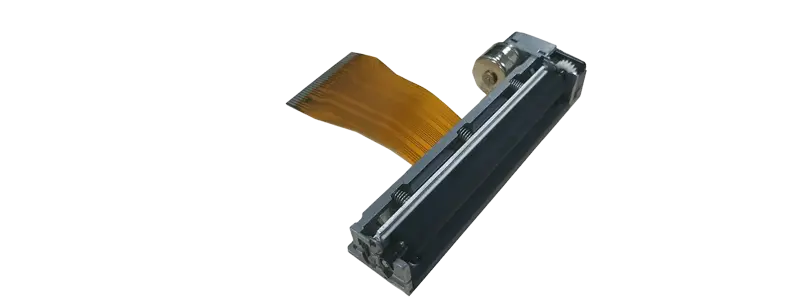
Thermal printer mechanisms work on the principle of direct thermal line layout, where selective activation of micro-resistor heating elements reacts with a heat-sensitive chemical coating on the print media. Modern OEM strategies demand mechanisms that can maintain high speeds (up to 90mm/s for portable units and 250mm/s for POS machines) without degradation in resolution. Key considerations include the mechanical stress limits of the rubber roller, the thermal resistance coefficient of the printhead substrate, and the power management system regulating low-voltage lithium-ion cells.
The core component of any thermal printer is its printhead. When designing printer mechanism series (such as compatibility configurations matching Fuji or Seiko models), micro-engineering of the thermal resistor matrix is critical. Under continuous print loads, heat accumulation can lead to ghosting, line bleeding, or premature head failure. High-end mechanisms resolve this using advanced thermal history control algorithms, calculating the exact heat-dissipation period needed for each resistor relative to the previous line printed. This optimization extends the lifespan of the mechanism to over 50 km of printed media, maintaining clear text, dense 2D barcodes, and QR code scans under harsh field temperatures.
| Mechanism Model Compatibility | Print Width | Resistor Resolution | Operating Voltage Range | Max Life (Abrasion Resistance) |
|---|---|---|---|---|
| TP101 (APS MP105 Equivalent) | 2-inch / 58mm | 8 dots/mm (203 DPI) | 4.2V - 8.5V DC | ≥ 50 km |
| TP206 (Seiko LTPJ245G Compatible) | 2-inch / 58mm | 8 dots/mm (203 DPI) | 4.2V - 8.5V DC | ≥ 50 km |
| TP701 (Fujitsu FTP-628MCL701 Equivalent) | 2-inch / 58mm | 8 dots/mm (203 DPI) | 4.2V - 9.5V DC | ≥ 50 km |
| TP445 (PRT PT1041S Compatible) | 4-inch / 112mm | 8 dots/mm (203 DPI) | 24V DC / Industrial | ≥ 100 km |
Portable systems utilize complex power-supply circuitry designed to work within 3.7V - 7.4V battery layouts. Managing voltage fluctuations is essential: as battery levels drop, printing density must remain consistent without stalling the stepper motor. Our units resolve this with low-voltage step-up circuitry and adaptive strobe control, adjusting the pulse width of the thermal head on the fly to match the available voltage.
For software integration, OPOS offers cross-platform software development kits (SDKs). These include Android Bluetooth API wrappers, iOS CoreBluetooth libraries, and legacy Windows driver frameworks. By supporting raw ESC/POS commands along with TSPL/CPCL label command dialects, developers can rapidly integrate these printers into existing distribution, courier, or retail operations.

Established in 2005 in Xiamen, Fujian Province, China, OPOS Electronic Technology has grown into an early domestic printer mechanism factory and a key R&D center for dot matrix and thermal print mechanisms.
As a high-tech enterprise, we specialize in the design, development, and mass production of thermal receipt and label printers, POS mechanism arrays, dot matrix assemblies, and precision auto-cutter components.
Through rigorous quality control systems and ongoing innovation, we build long-term OEM and ODM partnerships with system integrators and distributors worldwide.
Your Success, Our Commitment: Signature Products, Unmatched Quality


Dedicated to delivering reliable products and technical support for global clients.

We provide full-service customization, from initial housing concepts to proprietary circuit boards and firmware, meeting specific project requirements.

Our in-house R&D team manages mechanical, electrical, and firmware designs, allowing for rapid updates and reliable long-term support.

Our engineering team provides direct support for system integration, offering sample testing, hardware diagnostics, and firmware refinement.

We provide a 12-month hardware warranty along with spare parts supply, technical guides, and reliable troubleshooting support.
Discover how our micro-printing solutions integrate into modern logistics, retail, and medical workflows.





Our structured step-by-step workflow transforms initial design ideas into finished, production-ready thermal printer products.

Product & Brand Consulting

Design & Solution Specification

Prototyping & Technical Validation

Mass Production & Assembly

Custom Packaging & Final QA

Global Shipping & Logistics
A look at the key technologies and sustainability standards shaping the next generation of mobile print systems.
Environmental regulations and operational demands are driving the transition toward linerless label media. Traditional pressure-sensitive labels rely on silicone-coated backing paper, which generates considerable waste. Linerless labels feature a release coating on the top surface, allowing them to be wound on a roll without backing material. Implementing this in portable designs requires specialized cutters and non-stick siliconized rollers to prevent adhesive build-up. OPOS is actively developing linerless-ready systems to help reduce material volume and waste.
The next generation of portable printers will move beyond local Bluetooth links to direct cloud communication. Incorporating low-power Wi-Fi and LTE-M transceivers allows devices to receive print commands directly from remote web servers via MQTT or WebSockets. This setup simplifies operations by removing the need for a local host driver, allowing field personnel to print labels generated directly by a central cloud database.
Detailed answers to common questions about thermal mechanism design, performance, and customization.
Browse our selection of high-capacity desktop shipping units, compatible mobile mechanism modules, and integrated cutter assemblies.
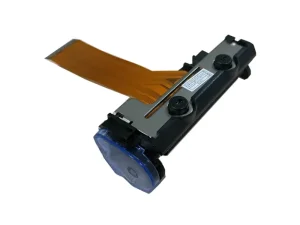
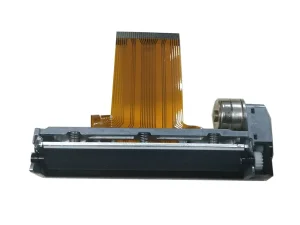
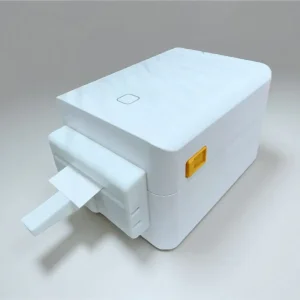
Keep up with our latest hardware developments, trade show updates, and educational resources.
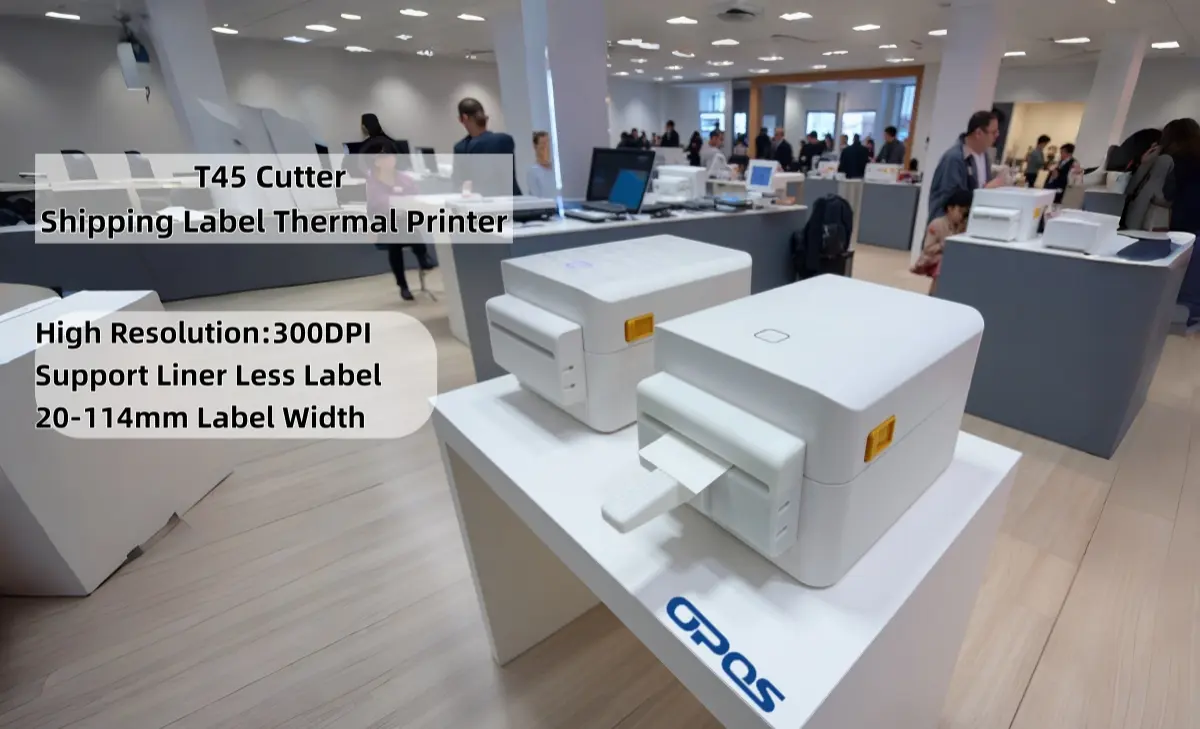
At Xiamen OPOS Printer, we are launching our latest high-density thermal printer designs, optimized for barcode and receipt clarity.
Read Full Report →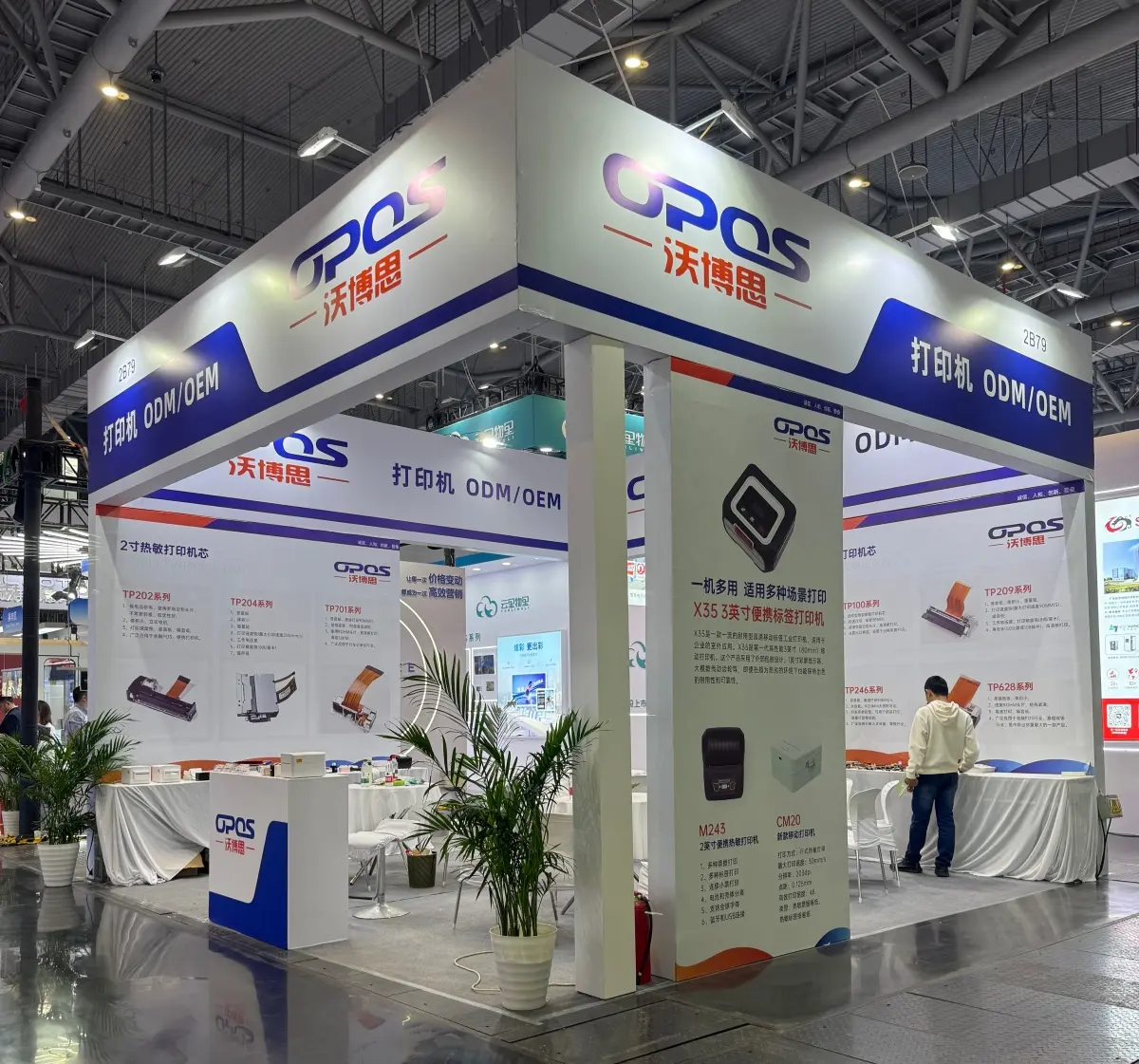
We demonstrated our latest retail and POS print mechanisms at the ChinaShop Exhibition, highlighting new mobile printing capabilities.
Read Exhibition Summary →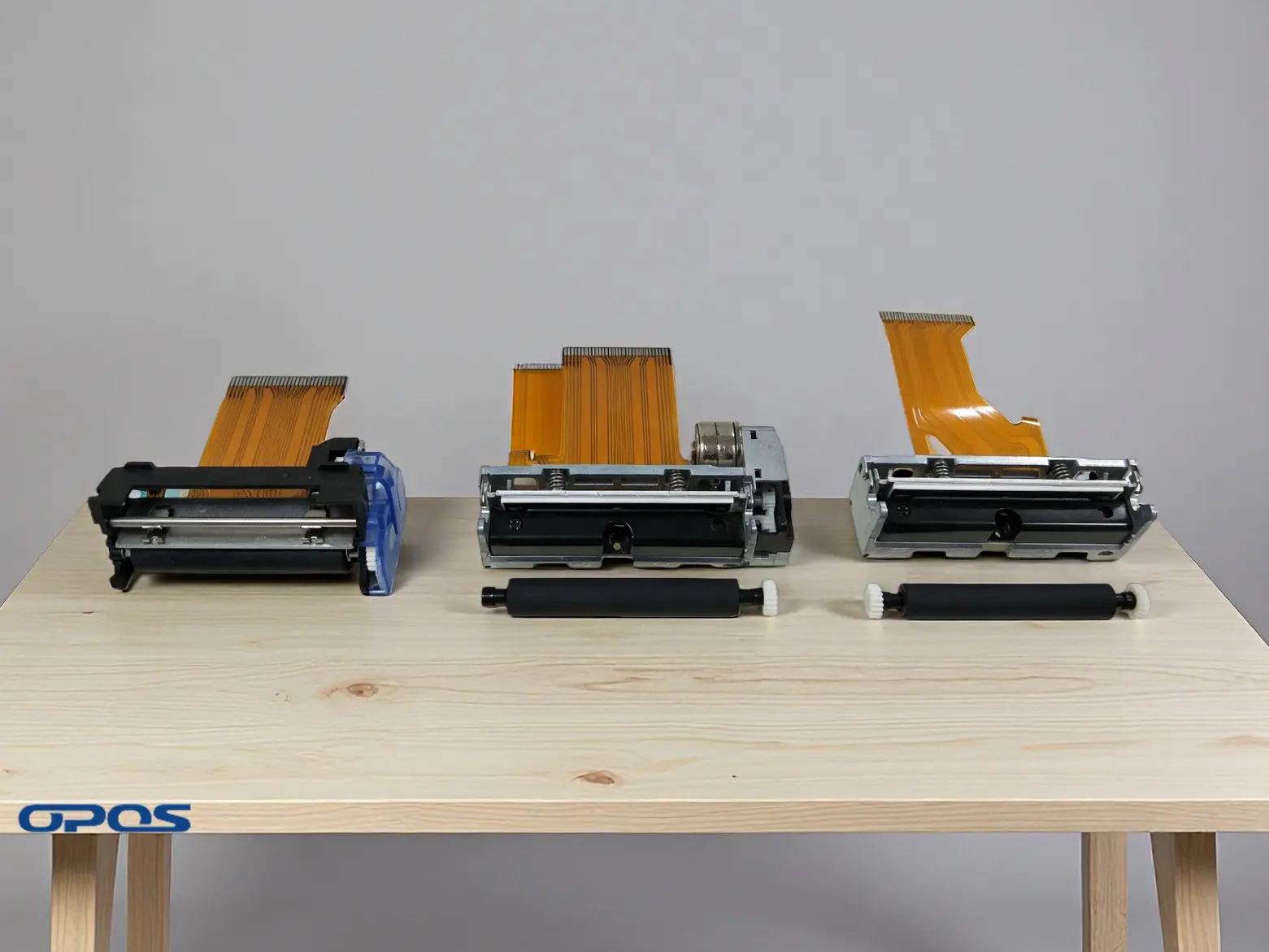
A technical guide detailing the core components of thermal printheads and explaining how voltage, resistance, and pressure affect print quality.
Read Technical Article →