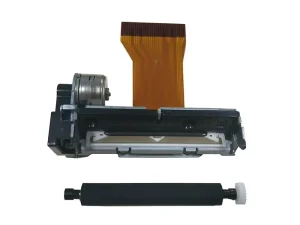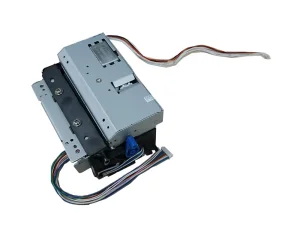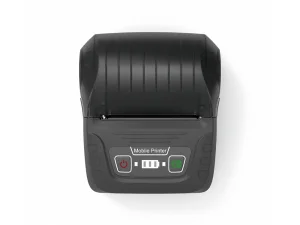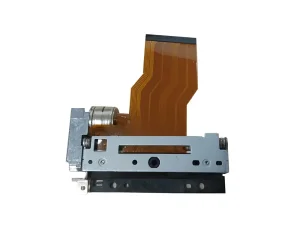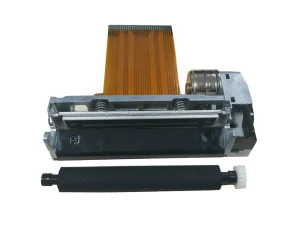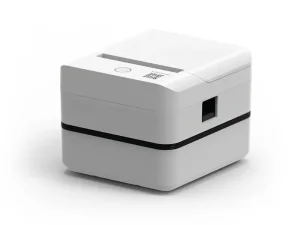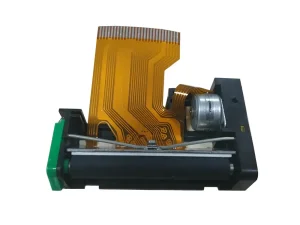
Explore our industry-standard compatible mechanisms and heavy-duty label systems designed to seamlessly integrate into existing commercial terminals.
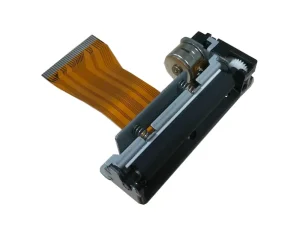
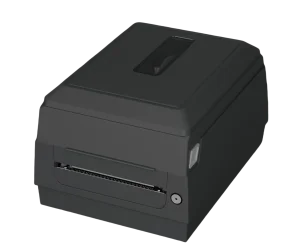
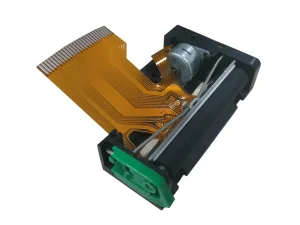
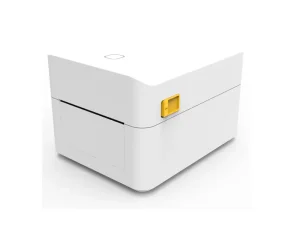
In modern supply chain infrastructure, high-fidelity data tagging is the bedrock of transaction velocity and regulatory compliance. OEMs and global engineering teams must evaluate thermal print technologies from both chemical and mechanical perspectives. The choice between Direct Thermal (DT) and Thermal Transfer (TT) printing determines not only the longevity of the printed medium but also the long-term maintenance cycles and operational expenditure of printing terminals.
Direct Thermal (DT) systems rely on chemically treated heat-sensitive media. When the resistors on the thermal printhead (TPH) reach the activation temperature, they trigger a chemical reaction that darkens the substrate. This direct contact architecture removes the need for ribbons, making it ideal for high-throughput, short-lifecycle labeling, such as courier shipping labels and point-of-sale receipting. However, DT labels remain susceptible to environmental exposure. High UV exposure, heat (e.g., in warehouses or vehicle cabins), and friction will cause premature degradation or blackening of the media.
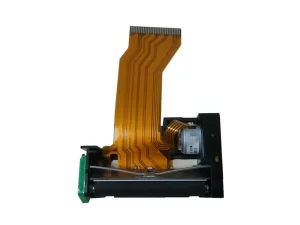
Conversely, Thermal Transfer (TT) processes rely on a thermal transfer ribbon containing wax, wax-resin, or pure resin formulations. The TPH transfers thermal energy directly to the ribbon backing, melting the ink layer and bonding it with the label material (such as polyester, polypropylene, or paper). This method creates incredibly durable prints capable of surviving harsh chemical washes, extreme temperatures, and outdoor abrasion. As a leading manufacturer of desktop thermal transfer printers and high-compatibility thermal mechanisms, OPOS (Xiamen) Electronic Technology Co., Ltd. offers tailored mechanical modules to fit either engineering configuration, ensuring reliable and precise printing.
| Feature Comparison | Direct Thermal (DT) Printing | Thermal Transfer (TT) Printing |
|---|---|---|
| Consumables Needed | Heat-sensitive direct thermal paper/film only. | Thermal transfer ribbon (wax, wax-resin, resin) + media substrate. |
| Printhead Wear Profile | Direct abrasion against chemical coatings requires frequent cleaning. | Backside of ribbon acts as a smooth buffer, extending TPH lifecycle. |
| Environmental Resistance | Low resistance; fades under direct sunlight, high heat, and humidity. | Outstanding resistance to chemicals, UV light, water, and mechanical wear. |
| Common Applications | e-Commerce shipping labels, retail receipts, entry tickets, queues. | Asset tags, PCB tracking, chemical drum marking, automotive parts labels. |
| Typical Print Speed | Up to 150mm/s - 250mm/s depending on mechanism drive voltage. | Up to 127mm/s - 150mm/s, optimizing dye transfer during heating. |
Our signature products are engineered to provide high quality and reliable performance, ensuring your business runs smoothly.
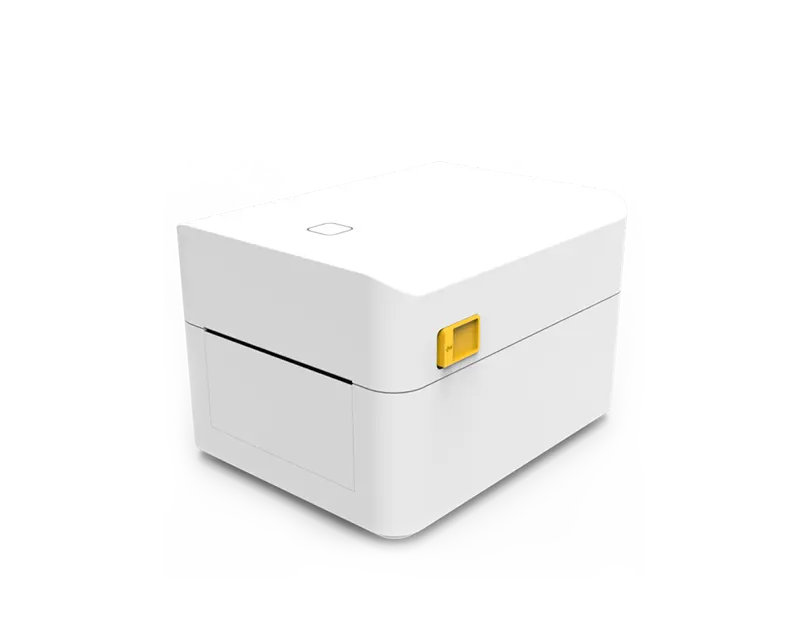
Comprehensive industrial and desktop label printing solutions built for heavy shipping workloads, featuring clean print output and diverse communication interfaces.
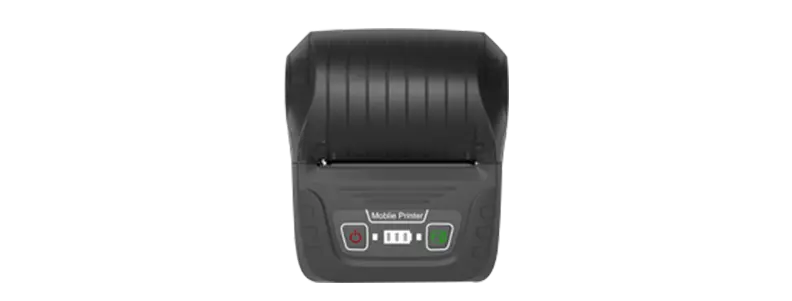
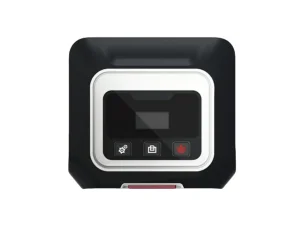
Compact, field-ready portable devices offering seamless Bluetooth and Wi-Fi pairing for outdoor ticketing, logistics sorting, and mobile law enforcement.

High-speed transaction bill printers featuring automated cutters, drop-in paper loading mechanisms, and support for ESC/POS industry emulations.
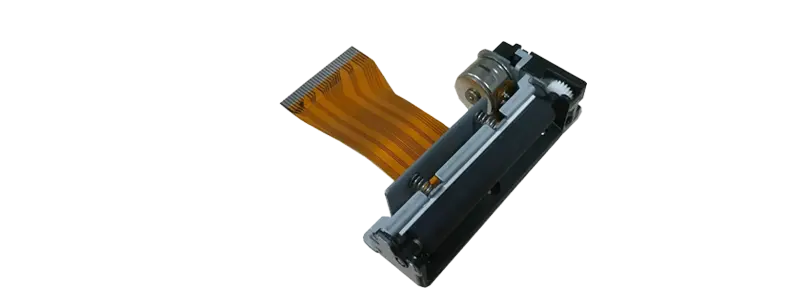
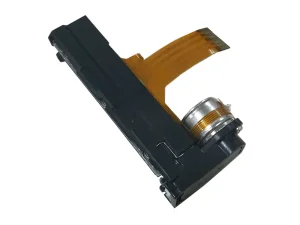
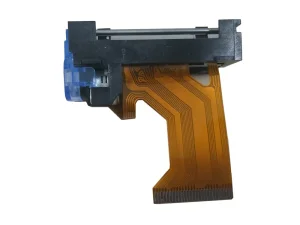
Precision OEM mechanical print cores designed for lightweight handheld payment terminals and integration-friendly portable instruments.
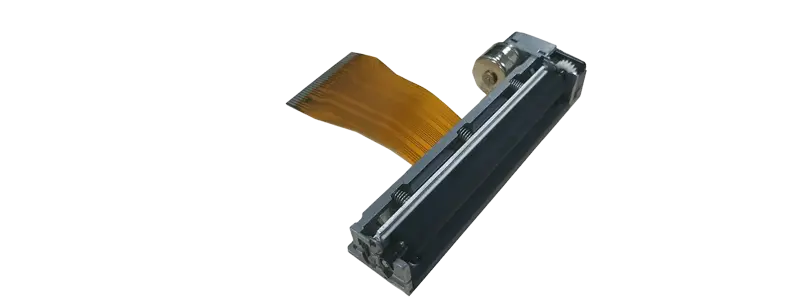
Robust 80mm printer modules compatible with major Japanese brands, offering high printing speeds and drop-in replacement designs.
The thermal printhead market is undergoing a major shift driven by material science innovations and the demand for higher print resolution. In barcode labeling and fine graphics, 203 DPI is no longer the ceiling. As pharmaceutical and electronics industries transition to compact micro-barcode tags, factories are moving from 203 DPI up to 300 DPI and 600 DPI systems. The primary engineering challenge at high resolutions is managing heat dissipation. Without precise control, residue heat from preceding printing pulses can cause "ghosting" or print bleed.
To address this, next-generation thermal printer mechanisms incorporate predictive heating algorithms. These systems dynamically adjust printhead driver pulses based on real-time temperature feedback from on-board thermistors. Additionally, advanced anti-abrasion coatings like Diamond-Like Carbon (DLC) are being applied to TPH surfaces, significantly increasing their lifetime to over 150 km of printed media.
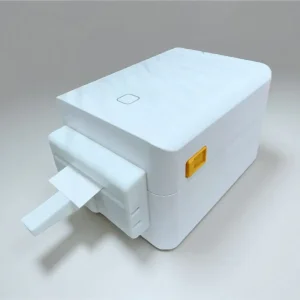
Another key industry driver is sustainability, particularly the adoption of Linerless Thermal Paper Technology. Standard labels generate massive waste from discarded backing liners. Our flagship T45 Linerless Shipping Label Printer directly addresses this issue. Designing mechanisms for linerless media requires specialized paper path designs, non-stick silicon-coated rollers, and modified automated cutters to prevent adhesive buildup from jamming the system. These features ensure clean cuts and consistent feeding, even with tacky adhesives.
Real-time drive-voltage modulation protects the printhead from overheating while ensuring consistent, high-contrast print output across varying duty cycles.
Advanced non-stick rollers prevent glue buildup, enabling high-performance shipping label printing without producing backing waste.
Pinpoint spatial mechanical alignment allows seamless drop-in compatibility with legacy setups, including SEIKO and APS mechanism chassis.
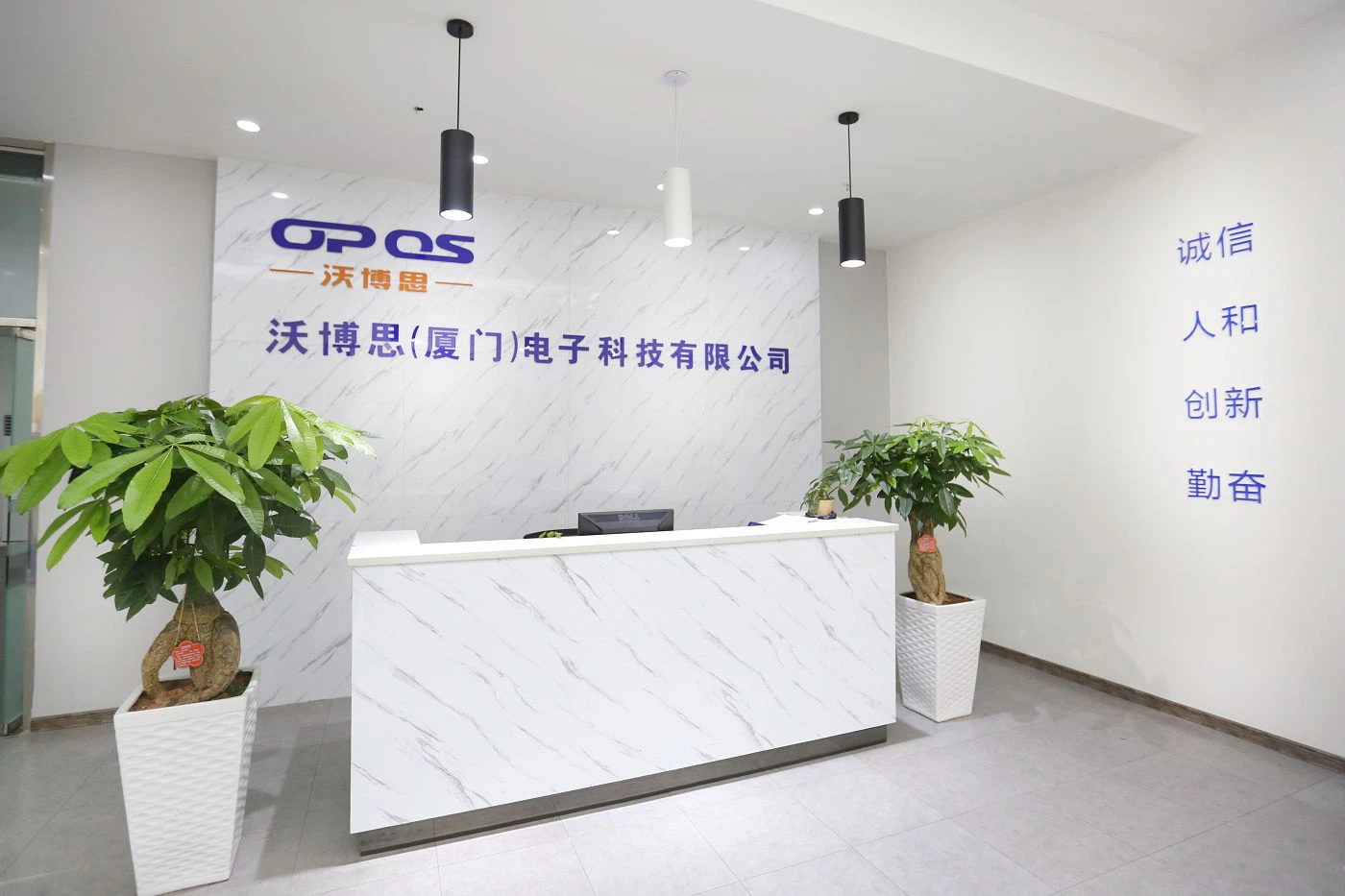
Established in 2005 and headquartered in the high-tech manufacturing hub of Xiamen, Fujian Province, China, OPOS is a pioneer in the research, design, and high-volume manufacture of advanced thermal printing mechanisms, label/receipt printing mechanisms, dot matrix mechanisms, and auto-cutter components.
Spanning over 5,000 square meters of precision-controlled cleanroom manufacturing space, our facility utilizes modern SMT production lines, rigorous electronic testing rigs, and specialized mechanical calibration stations. By maintaining deep vertical integration, we manage all production stages, from initial research and development to metal stamping, plastic injection molding, final assembly, and quality assurance.
Over the past two decades, we have focused on providing flexible OEM and ODM solutions. Our products are exported to more than 20 countries and regions worldwide, helping global enterprises build robust receipt and label printing terminals.
Today's global supply chain landscape demands high flexibility and rapid adaptation to market shifts. Operating from our specialized industrial hub in Xiamen, OPOS utilizes a modern Factory 4.0 manufacturing strategy. Our automated assembly lines feature intelligent coordinate inspection and force-displacement monitoring. These technologies guarantee precise sub-micron alignment when installing high-density ceramic printheads into their magnesium alloy subframes. This structural precision ensures uniform pressure distribution across the print media, preventing uneven print quality.
Through long-term partnerships with leading domestic and international semiconductor suppliers, we maintain a stable inventory of motor drivers and microcontrollers. This proactive logistics planning ensures consistent manufacturing capacity, protecting global buyers from supply disruptions. Additionally, our automated, high-precision assembly lines allow us to scale production rapidly. We can transition from manufacturing small product batches to fulfilling large-volume, thousands-of-units industrial orders with short lead times.
Quality assurance at OPOS goes beyond standard end-of-line inspections. Every batch of print mechanisms undergoes automated lifecycle simulations under load, verifying printhead heating cycles and gear wear profiles. Automated optical inspection (AOI) systems verify structural alignments, while specialized environmental chambers simulate shipping container conditions. This ensures that every shipment arrives at client facilities ready for immediate deployment.
Partnering with OPOS offers distinct advantages that help businesses grow and run efficiently.

We offer comprehensive customization, tailoring mounting dimensions, voltage requirements, control boards, and firmware emulations to your specifications.

With over 70 proprietary patents, our in-house engineering team continuously updates our mechanical designs and firmware to optimize printing performance.

Our engineers provide direct technical support, helping clients resolve interface issues and configure drivers during terminal integration.

We stand behind our products with a full 12-month quality warranty, providing spare parts replacement, diagnostic tools, and technical support.
OPOS print systems are designed to integrate seamlessly into diverse industrial workflows, ensuring reliable data output and smooth operation in complex environments.





For enterprise integration procurement, analyzing Total Cost of Ownership (TCO) is a critical step. A low upfront unit price can be quickly offset by high maintenance costs, replacement printheads, and machine downtime. Procurement teams should evaluate printing components using metrics like Mean Time Between Failures (MTBF), printhead wear lifecycles, and auto-cutter duty cycles (often rated at 1 to 2 million cuts).
OPOS designs thermal printing solutions with drop-in mechanical compatibility. This allows direct installation into existing setups with minimal mechanical adjustments. We offer print cores designed for compatibility with major brands like SEIKO (e.g., LTP02-245LV, LTPZ245, LTP F347) and APS (e.g., MP208-HS, ELM205-HS). This drop-in compatibility lets engineering teams quickly replace aging components without having to redesign terminal enclosures or modify control firmware, saving time and keeping operations running smoothly.
Our integration process is structured to deliver reliable, custom-tailored printing systems efficiently.

We review your technical requirements, mechanical space constraints, power supply specifications, and communication protocol needs.

Our engineering team develops detailed CAD blueprints and selects compatible control systems to optimize integration.

We assemble and deliver initial sample units for on-site client testing and validation within your terminal systems.

We initiate precision manufacturing under Class 10,000 cleanroom environments, utilizing automated coordinate calibration.

Every production batch undergoes automated performance checks and is packaged securely to prevent shipping damage.

We coordinate shipping logistics and provide post-delivery integration assistance, technical documentation, and spare parts support.
Deploying hardware across multiple international jurisdictions requires strict compliance with global electrical and safety standards. Our manufacturing and development processes are aligned with major international frameworks, ensuring that our products meet necessary safety and environmental standards.
OPOS printer units and mechanisms carry CE, FCC, RoHS, and REACH certifications. Our environmental management systems comply with European directives, ensuring safe deployment in sensitive healthcare, food retail, and electronics manufacturing facilities.
To support global software integration, we offer a comprehensive software development package. This includes native SDKs for Windows, Android, iOS, and Linux platforms, alongside built-in emulations for industry-standard languages like ESC/POS and TSPL/ZPL. These resources help engineering teams integrate our hardware into cloud-based logistics databases, retail ERP software, and warehouse management systems (WMS) efficiently.
Stay informed with the latest technology updates and product developments from Xiamen OPOS.
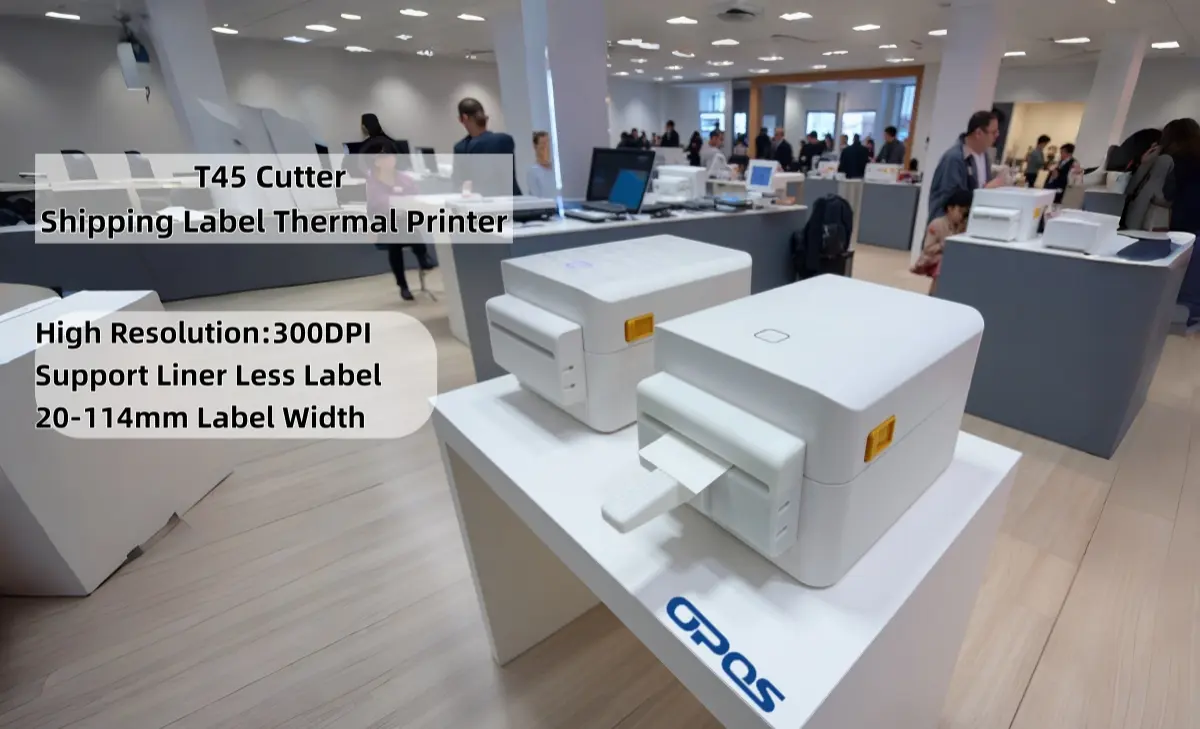
Xiamen OPOS Printer has launched a new high-resolution thermal mechanism. The new module features advanced heat management and a durable abrasive coating, optimizing print performance for micro-barcode applications.
Read More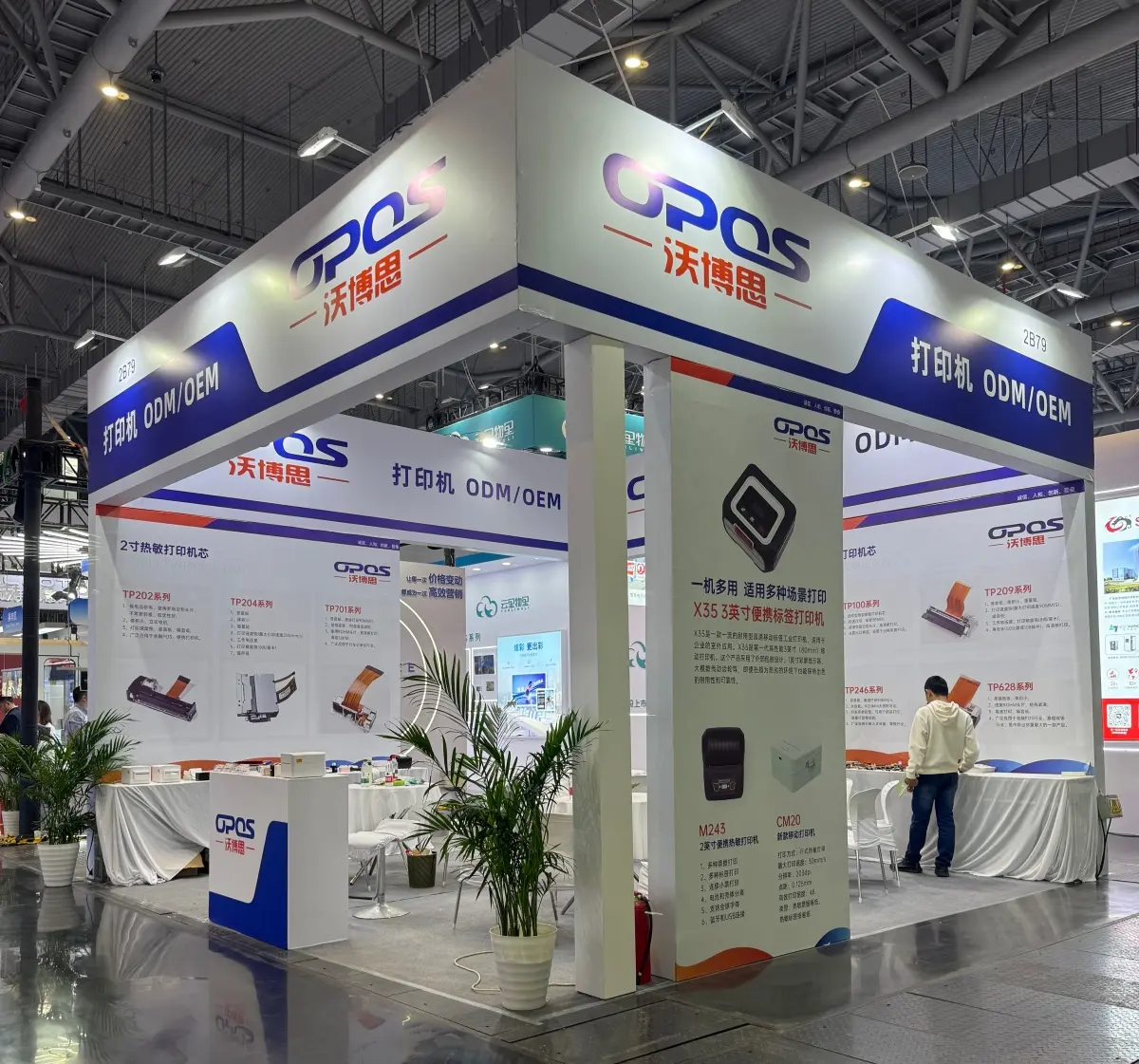
We shared our latest high-speed POS mechanism series and portable receipt printing models at the Chinashop Exhibition, showcasing integrated retail and mobile checkout solutions.
Read More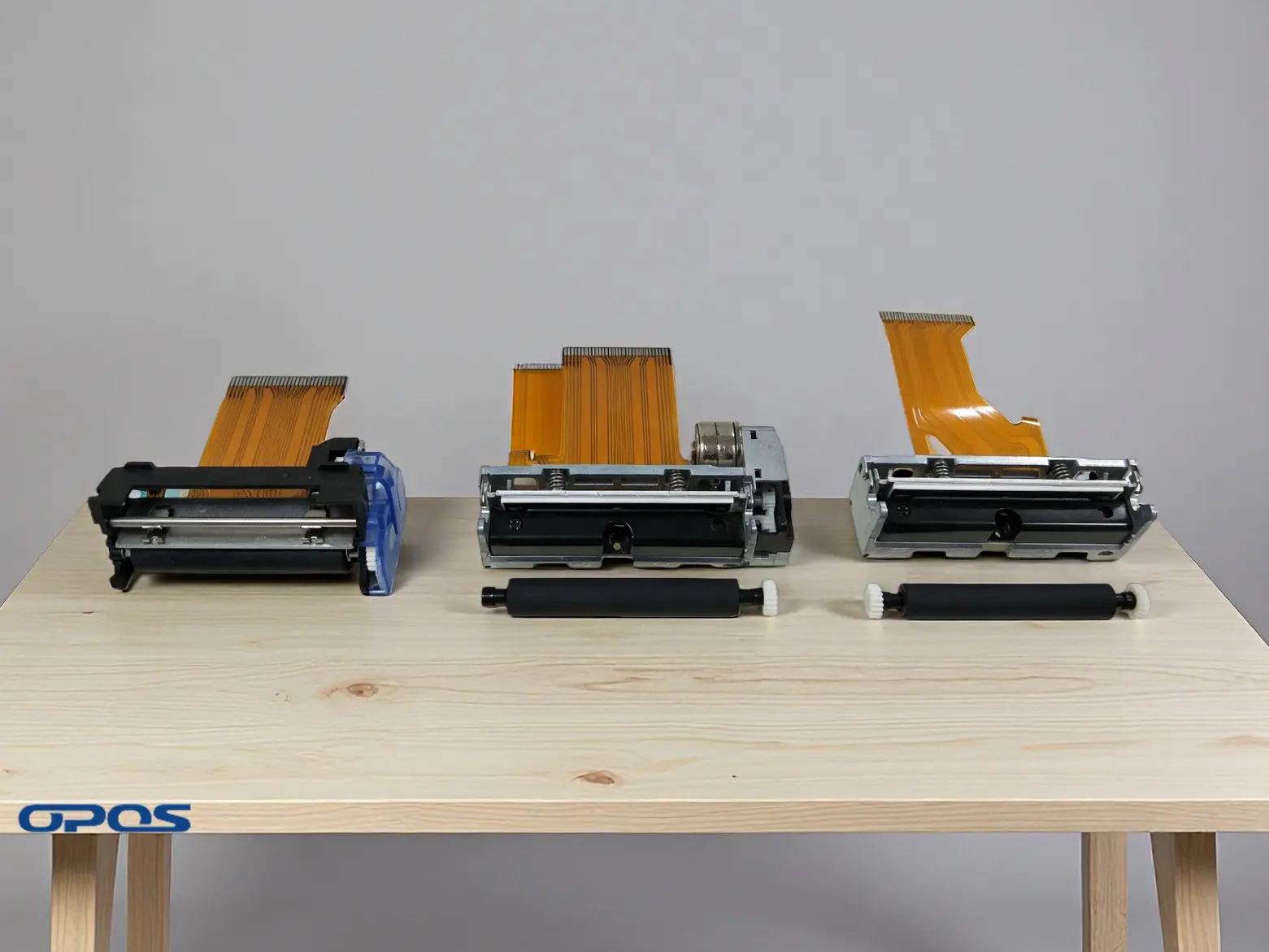
A detailed look at the core thermal printhead. This technical guide explains the functions of the line-heating resistor matrix, drive rollers, thermistors, and integrated automated cutters.
Read MoreTechnical answers to common questions about selecting, integrating, and maintaining thermal print mechanisms.
Direct thermal printing uses heat-sensitive paper and does not require a ribbon, making it ideal for short-term labels like shipping and receipt tags. Thermal transfer printing melts ink from a ribbon onto the media, creating durable labels resistant to heat, chemicals, and abrasion.
Yes. Our mechanisms are designed for physical and electrical compatibility with major industry models, including SEIKO (LTP02-245LV, LTPZ245, LTP F347) and APS (MP208-HS, ELM205-HS). This allows direct replacement in existing terminals with minimal engineering changes.
Our products comply with major global safety and environmental regulations, carrying CE, FCC, RoHS, and REACH certifications to support distribution and use in international markets.
Depending on the model and operating conditions, our printheads are rated for a lifespan of 100 to 150 km of printed media or approximately 100 million heating pulses, providing reliable long-term performance.
Yes. We provide complete SDK packages for Windows, Android, iOS, and Linux platforms, along with documentation to simplify integration with your software applications.
Choose from our range of high-performance replacement print mechanisms and specialty labeling systems.