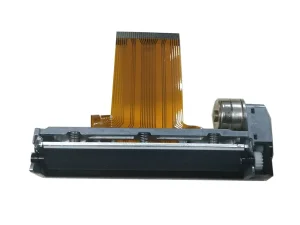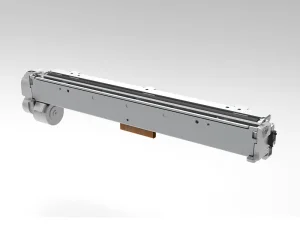
Direct from Manufacturer: Drop-in Mechanical Equivalents and Complete Label Systems
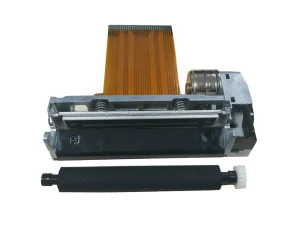
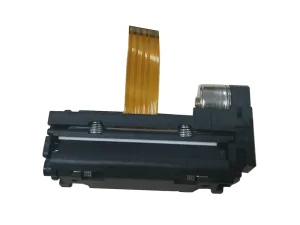
B2B Strategy on High-Throughput Thermal Barcode Architecture
In the modern global supply chain network, package barcode thermal printers represent the indispensable link connecting manufacturing units, distribution hubs, transport logistics, and retail points of sale. To guarantee consistent uptime, today’s hardware engineers and enterprise purchasing departments demand mechanisms built on rigorous electrical and mechanical specifications. The shift from standard legacy printing solutions to high-performance thermal printing is driven by the demand for low-maintenance, high-reliability operation under variable environments.
This industry report outlines the structural framework of custom barcode thermal printer mechanisms. We examine their structural performance, cross-compatibility with global brands like Fujitsu, Seiko, and Epson, and the integration paradigms critical for industrial, POS, medical, and mobile systems.
Established in 2005 in Xiamen, Fujian Province, China, OPOS (Xiamen) Electronic Technology Co., Ltd. stands as a pioneer in the R&D and manufacturing of domestic printer mechanisms and early dot matrix technologies.
We operate as a specialized high-tech enterprise dedicated to the design, production, and international distribution of high-caliber thermal printers, POS printer mechanisms, label/receipt mechanisms, dot matrix solutions, and automated cutter components. By blending advanced precision manufacturing with mechanical alignment technologies, we ensure that every unit rolling off our production lines matches the performance profiles demanded by global hardware integrators.
Delivering Tailored Precision Across Multiple Printing Architectures
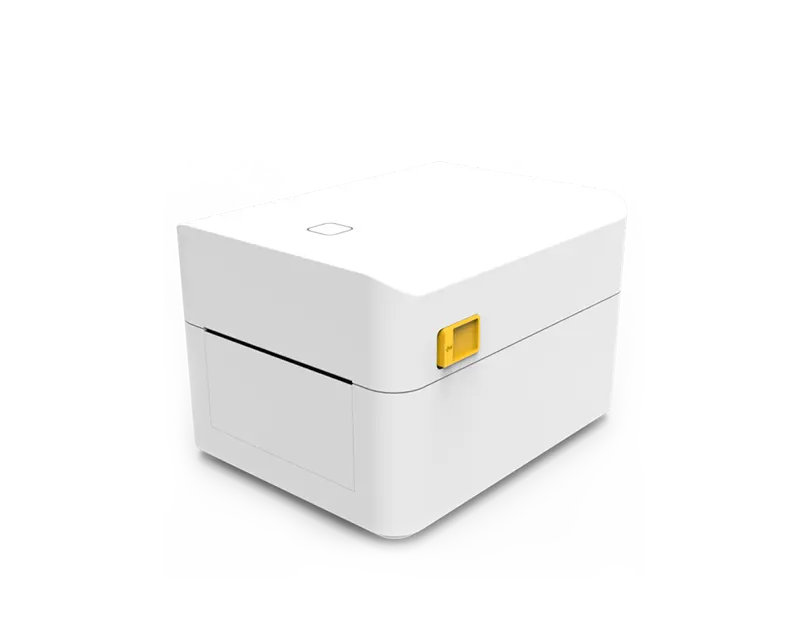


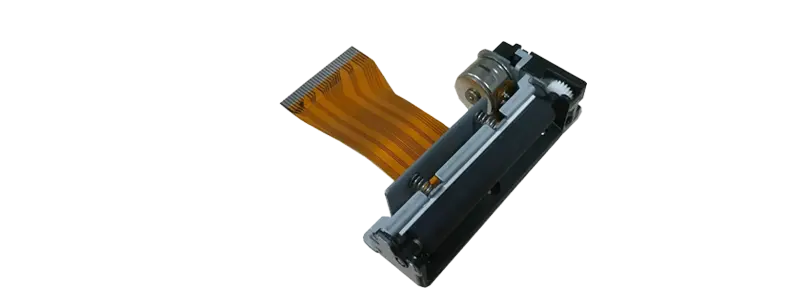
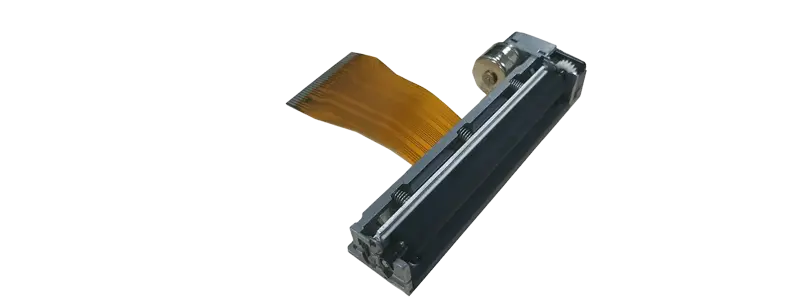
B2B hardware sourcing patterns for thermal printing components indicate a clear shift towards high reliability and modular designs. Purchasing decisions are heavily influenced by the total cost of ownership (TCO) and drop-in integration capabilities:
Global logistics and delivery organizations are rapidly prioritizing green initiatives and operational safety. Linerless thermal paper eliminates the silicone-backed liner sheet, decreasing material waste by up to 40% and preventing slip hazards in high-velocity sorting depots. Enterprise buyers seek thermal printer mechanisms fitted with special non-stick platens and heavy-duty cutters engineered to slice through adhesives without residue buildup.
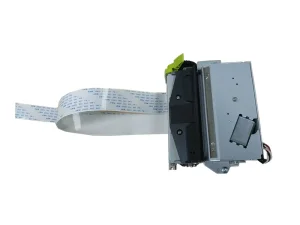
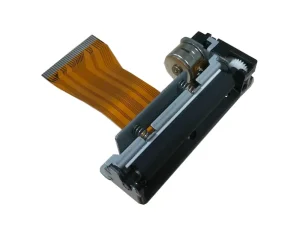
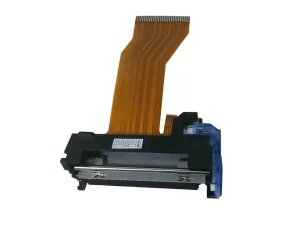
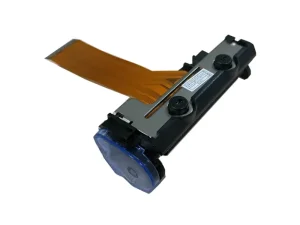
For system integrators, kiosk builders, and hardware designers, maintaining a single-source supply chain presents operational risk. The modern consensus requires print mechanisms to align precisely with standardized footprint dimensions. Buyers seek drop-in equivalents that match the physical mounting holes, gear configurations, voltage tolerances, and interface connections of premium models (such as Fujitsu FTP-628MCL101, Seiko LTPJ245G, or Epson M-T532). This approach allows multi-sourcing without necessitating motherboard revisions.
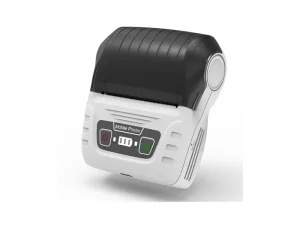
Warehousing and medical personnel require mobility. The demand for 2-inch and 3-inch mobile receipt and label printers with low power consumption profiles (operating efficiently at 7.4V lith-ion battery packs) is accelerating. Incorporating Bluetooth 5.0 Dual Mode (SPP/BLE) and Wi-Fi interfaces into compact printer systems remains standard for smooth deployment with modern Android, iOS, and Windows hand-held systems.
Why Leading OEM/ODM Partners Standardize on OPOS Thermal Technology

We provide tailorable mechanism blueprints and control board layouts to match customized industrial enclosures and legacy interface demands.

Our in-house engineers conceptualize, test, and validate mechanical mechanisms and control firmwares, ensuring swift technical iterations.

Direct communication paths to our design engineers ensure quick troubleshooting and integration assistance during design-in phases.

We back our production line integrity with comprehensive hardware warranties, including spare components and validation analyses.
B2B engineering managers must compare the exact parameters of custom thermal printer mechanisms before system integration. The table below presents a drop-in reference highlighting physical, electrical, and thermal parameters matching global legacy standards:
| OPOS Mechanism Model | Cross-Brand Direct Alternative | Resolution & Width | Max Print Speed | Input Operating Voltage | Reliability (MCBF) |
|---|---|---|---|---|---|
| TP628 Series | Fujitsu FTP-628MCL101 | 8 dots/mm (203 DPI) | 58mm | 90 mm/s | 4.2V - 8.5V Vp / 3.0V - 5.5V Vdd | 50 Km (Pulse: 100 Million) |
| TP206 Series | Seiko LTPJ245G | 8 dots/mm (203 DPI) | 58mm | 75 mm/s | 4.2V - 8.5V | 50 Km (Pulse: 100 Million) |
| TP532-DL Series | Epson M-T532 / M-T532AP | 8 dots/mm (203 DPI) | 80mm | 200 mm/s | 24V ± 10% | 150 Km (Cutter: 1.5M Cuts) |
| TP215 Series | Seiko LTPZ245 | 8 dots/mm (203 DPI) | 58mm | 60 mm/s | 4.5V - 8.5V | 50 Km |
| TP208LV Series | APS ELM208LV | 8 dots/mm (203 DPI) | 58mm | 80 mm/s | 3.0V - 8.5V | 50 Km |
Integrating these mechanisms requires precise management of current limits and heat generation. Since direct thermal printing relies on rapid temperature spikes in the heating elements, designing custom control boards with over-temperature protection is essential. This safeguards the printhead against structural damage under high-throughput workloads.
Operational Performance Under Variable Working Scenarios





The structured process of moving custom concepts from initial consult to global freight delivery


To operate reliably in regulated sectors, B2B hardware deployments must comply with relevant legal frameworks. At OPOS, we align our product lifecycles with strict international standards, ensuring compliance across key regulatory metrics:
Our engineers are optimizing next-generation thermal printhead structures. Research priorities include:
Clarifying Key Technical and Customization Questions for B2B Procurement Teams
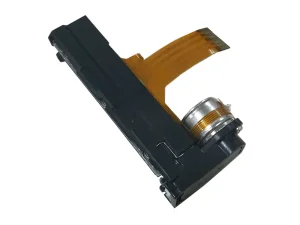
Our mechanisms are engineered to match standard electrical, mounting, and mechanical layouts. This ensures the physical dimensions, location of mounting points, step motor drivers, and cable connectors line up with the legacy models. Hardware engineers can typically drop our units into existing systems without altering system schematics or mainboard PCBs.
We provide integrated automated cutters featuring guillotine or rotary layouts, supporting both full and partial cuts. These assemblies are rated for up to 1.5 million cuts under normal operating parameters. For sticky labels or adhesive linerless stock, we apply anti-stick coatings to prevent residue buildup on the blades.
Our control boards support standard physical communication interfaces, including USB Type-C, RS-232 Serial (TTL levels), and parallel ports. For wireless applications, we offer integrated Bluetooth 5.0 and Wi-Fi modules, compatible with ESC/POS, TSPL, and ZPL command protocols.
We integrate high-precision thermistors directly onto the printhead substrate. This setup monitors operational temperatures in real time. If the temperature exceeds safe operational limits (typically around 65°C), the control firmware scales back or pauses the print process until the printhead cools. This safeguards the heating elements from thermal damage.
For custom configurations, such as custom control boards, tailored mounting brackets, or proprietary firmware development, the MOQ varies based on the design complexity. Our standard OEM solutions are available with flexible minimum volumes to accommodate different design-in phases.
Product Innovations and Global Industry Deployments
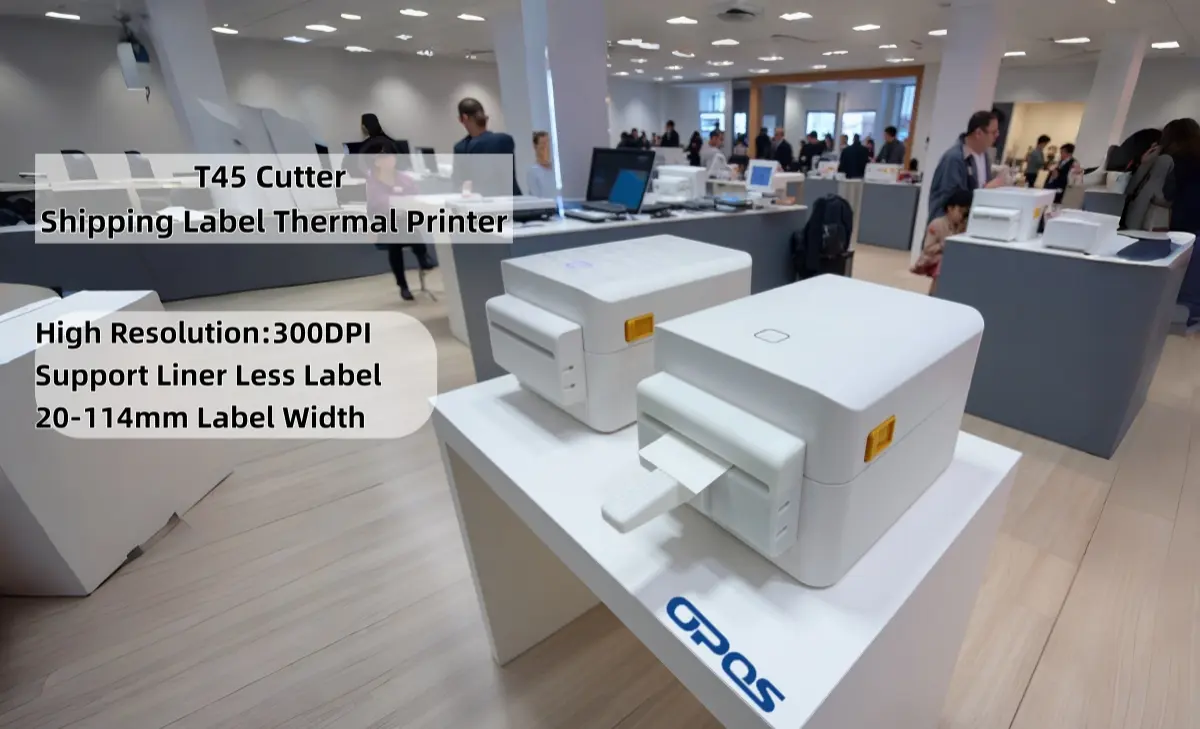
At Xiamen OPOS Printer, we are thrilled to announce the launch of our latest innovation: a high-resolution, high-speed thermal print mechanism designed for demanding industrial label applications.
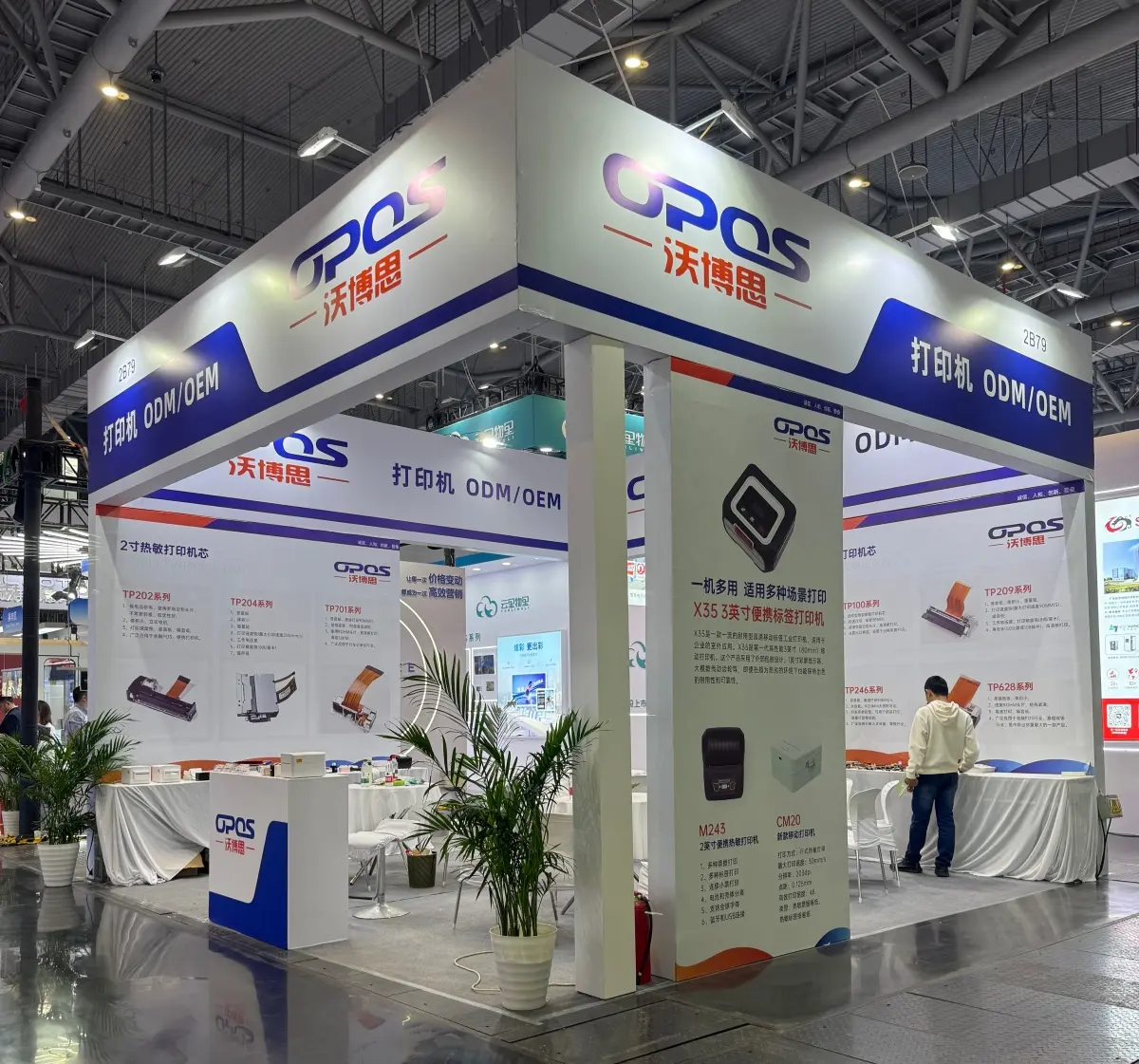
We are excited to share that OPOS Printer recently participated in the Chinashop Exhibition, showcasing our latest POS mechanisms and custom desktop label systems to domestic and global retail integrators.
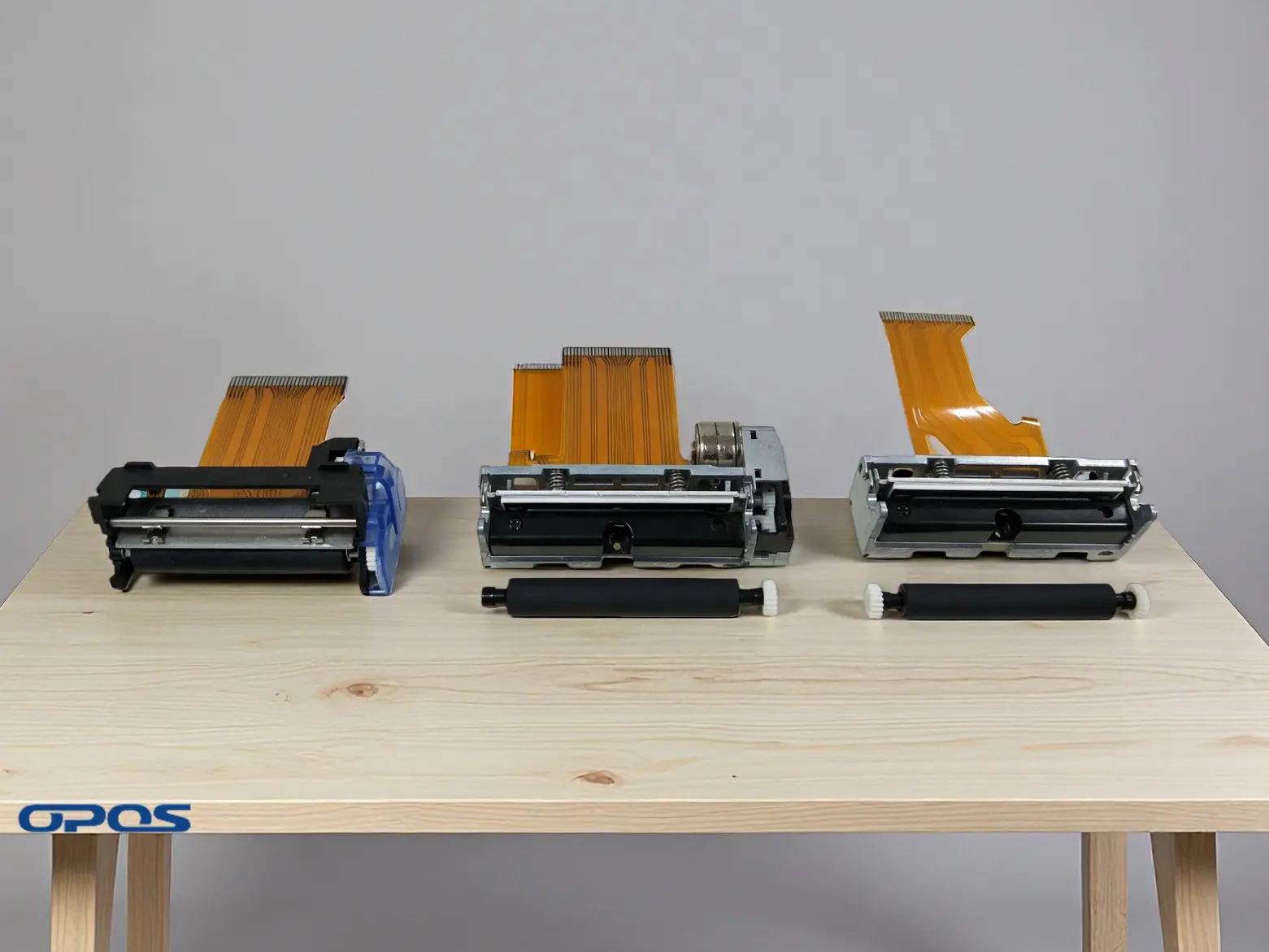
A thermal printhead, also known as a thermal printer mechanism, is the core component of a thermal printer system. Learn how duty cycles, stepper motors, and thermistors work in unison to produce clear images.
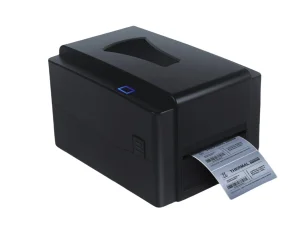
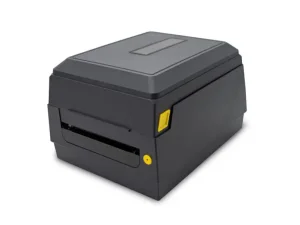
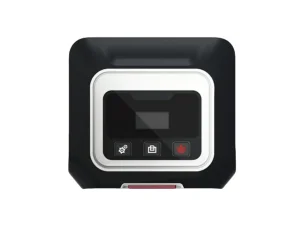
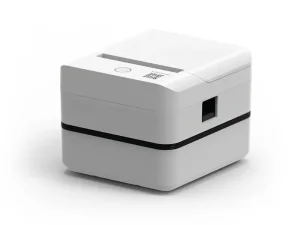
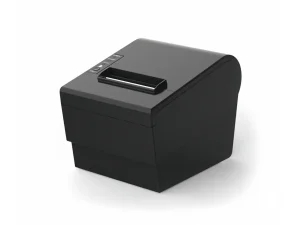
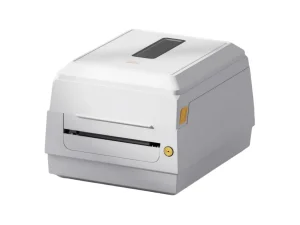
B2B Ready: Fully-enclosed Desktop, Portable Bluetooth, and Industrial Desktop Printing Systems