

Technical Architecture & Engineering Whitepaper
Analyzing Modern Printhead Controls, Duty Cycle Parameters, and Macro-Industrial Integration Strategies
1. Thermal Mechanism Design & Printhead Micro-Physics
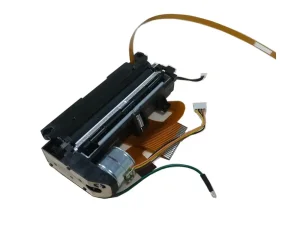
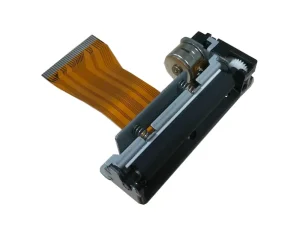
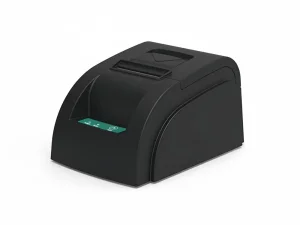
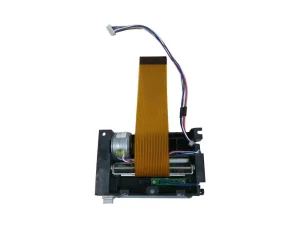
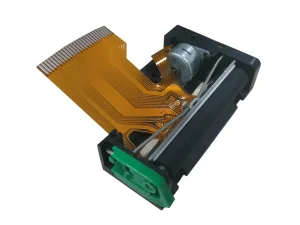
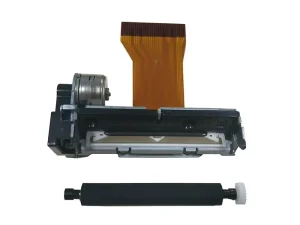
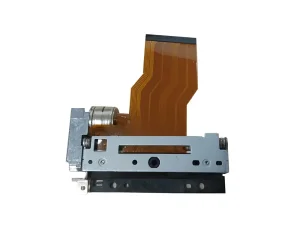
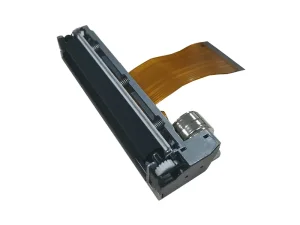
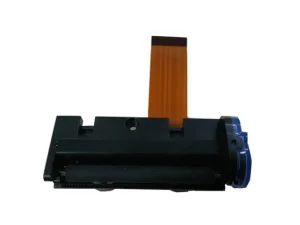
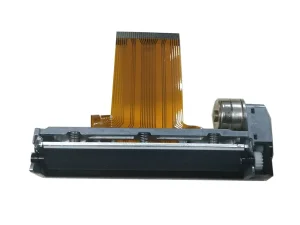
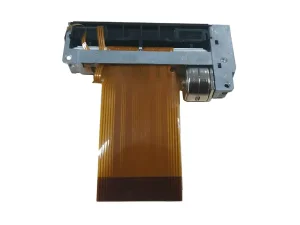
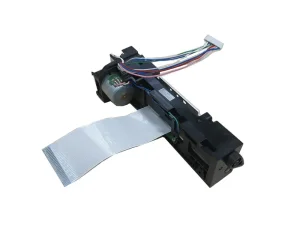
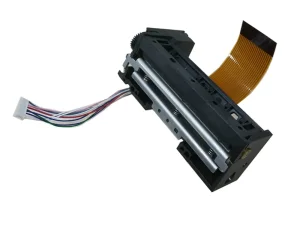
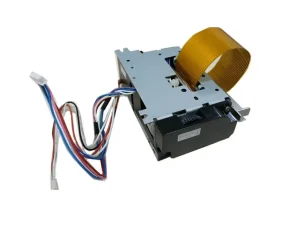
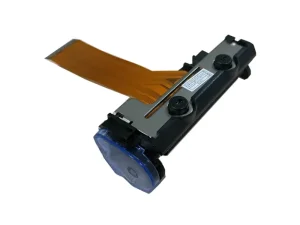
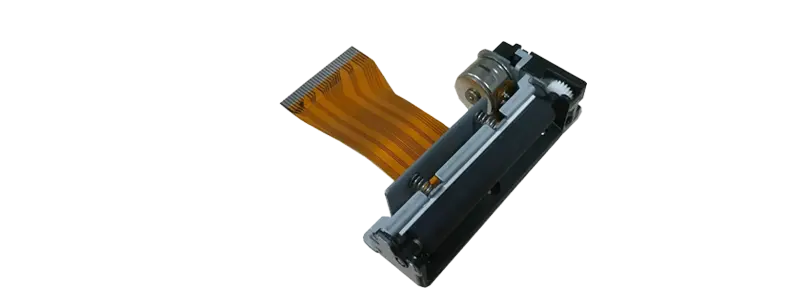
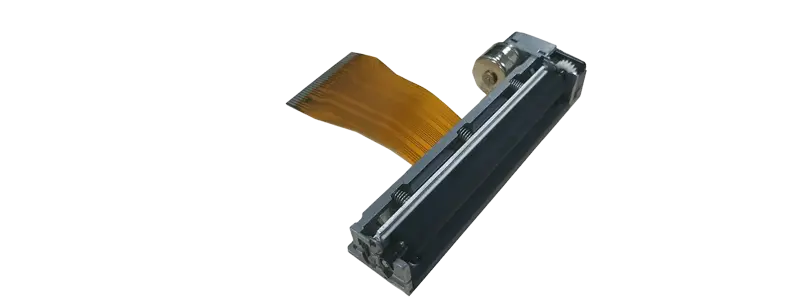
The baseline component of any Transfer POS receipt printer or micro-thermal system is the printhead mechanism. In high-frequency transactions, the printhead depends on precise heat resistance matrices (typically consisting of 203 DPI or 300 DPI resolution) designed to execute instantaneous thermal energy transitions. By matching the mechanical profiles of established industry systems, such as the Fujitsu FTP series and Seiko LTP series, systems engineers can seamlessly integrate our mechanisms without replacing their existing control architectures.
Our engineering research highlights the importance of the Mean Cycles Between Failure (MCBF) metric. Our mechanisms are engineered using high-carbon steel cutters and diamond-like carbon (DLC) protective layers over the heating elements. This combination achieves an operational lifespan exceeding 150 km of printed media and more than 1.5 million clean automatic cuts.
2. Global Commercial & Industrial Demand Matrix
The adoption of automated retail networks and complex logistical tracking systems worldwide has driven massive demand for integrated printing mechanisms. Industry trends indicate that global logistics centers, medical healthcare systems, and transaction networks require distinct mechanical configurations:
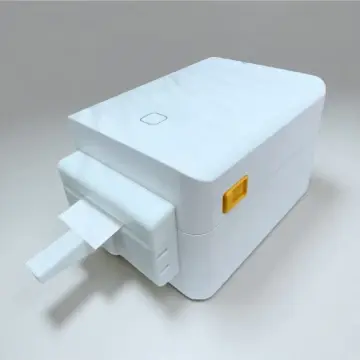
- High-Frequency Retail POS: Demands 24V mechanisms capable of printing at speeds exceeding 250 mm/s, equipped with integrated auto-cutters to minimize transaction times.
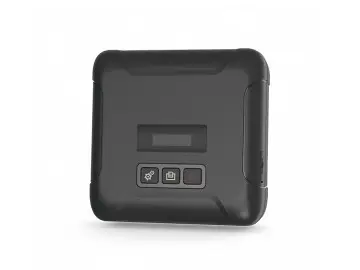
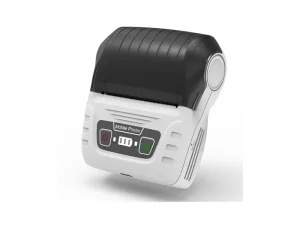
- Handheld Mobile Terminals: Rely on low-voltage (5V to 8.5V) configurations that optimize battery life while maintaining reliable text clarity under varying temperature conditions.
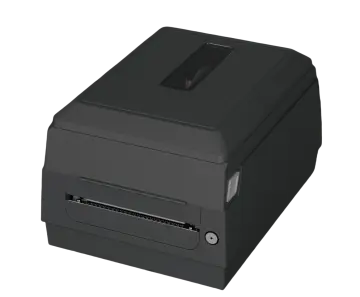
- Industrial Heavy-Duty Kiosks: Require large diameter roll handling, anti-jamming bezels, and modular presentation systems to ensure continuous operation without onsite maintenance.
| Mechanism Model | Standard Compatibility Reference | Voltage Profile | Max Print Speed | Typical Operational Environments |
|---|---|---|---|---|
| TP203 / TP203LV Series | APS SS205-HS / LV | 5.0 V - 8.5 V | 80 mm / second | Mobile Payment Terminals, Parking Meters |
| TP628 Series | Fujitsu FTP-628MCL103 | 4.2 V - 8.5 V | 90 mm / second | Handheld POS, Transit Ticketing Systems |
| TP638 / Printhead Series | Fujitsu FTP-638MCL101 / 103 | 24.0 V | 150 mm / second | Self-Service Kiosks, Retail Counters |
| TP345 Series | Seiko LTPV345C | 24.0 V | 200 mm / second | Medical Monitors, Industrial Scales |
3. Compliance, Quality Assurance & Localization Support
Integrating print mechanisms into global hardware architectures requires strict compliance with international electronic regulations. OPOS (Xiamen) ensures that all OEM and ODM manufacturing runs adhere to CE, FCC, and RoHS standards. Our quality management system is ISO9001 certified, ensuring traceable material pathways and standardized testing protocols for every batch.
We provide comprehensive integration documentation, including step-by-step developer guidelines, reference circuit schematics, and native driver support for Windows, Linux, Android, and iOS systems. This developer-centric approach reduces engineering cycles, allowing hardware integrators to bring their terminal designs to market faster.