
Providing direct compatibility with European standards, high reliability, and compact footprint configurations for Serbia's expanding e-fiscal and retail terminals.
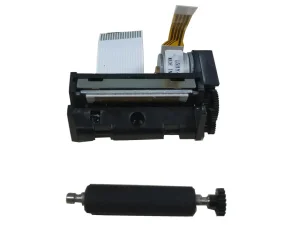
(Compatible with Woosim Porti-M100H) High durability, ultra-compact design built for mobile payment and field ticketing terminals across the Serbia market.
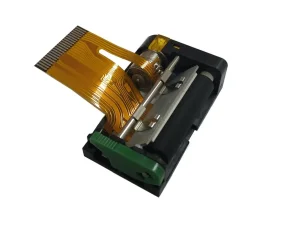
(Compatible with APS MP105) Top-tier speed stability and paper-saving architecture, ideal for shipping slip generation and portable receipt units.
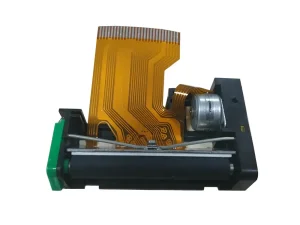
(Compatible with APS MP205) Heavy-duty performance with a robust mechanical cutter configuration, suited for retail POS systems and public transport ticket dispensing.
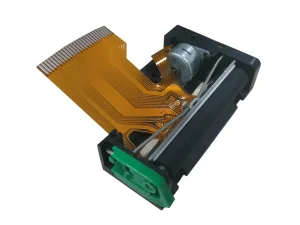
(Compatible with APS MP205-LV) Energy-efficient mechanism optimized for battery-powered handheld billing equipment, widely adapted for Serbian field sales operators.
As Central and Eastern Europe accelerate their digital transformations, the demand for compact, efficient, and reliable transaction peripherals has spiked. At the center of this technological shift is the 1-inch thermal printer mechanism. These components serve as the critical hardware backbones for portable point-of-sale (POS) systems, taxi meters, ticketing terminals, medical devices, and automated logistics apparatuses. In Serbia, where structural industrial upgrades and newly introduced fiscalization mandates (e-Fiskalizacija) demand real-time telemetry and ticket output, picking the right mechanism is a foundational engineering decision.
In recent years, Serbia has established itself as an emerging logistical and hardware integration hub in the Balkans. With Belgrade and Novi Sad leading the regional tech expansion, system integrators require thermal mechanisms that not only fit tight chassis spaces but also operate under fluctuating ambient temperatures.
The implementation of the new Serbian law on fiscalization requires every retail merchant, restaurant, and logistics operator to communicate directly with the Tax Administration (Poreska uprava) using electronic fiscal devices. Many of these devices are handheld POS terminals operating on battery power. A premium 1-inch thermal printer mechanism—such as those compatible with Woosim Porti-M100H or APS MP105 configurations—delivers the perfect balance between minimal voltage drain and maximum throughput clarity (usually at 203 DPI density).
For local manufacturers in Nis, Kragujevac, or Belgrade, procuring printer mechanisms from international suppliers involves mitigating several risk vectors:
The physics of direct thermal printing requires precise heat-pulse control. The heating element array must reach activation temperatures (typically 120°C to 180°C depending on paper coating properties) in microseconds.
In low-voltage mobile units (such as the MP205-LV series), mechanisms are designed to function reliably down to 3.0V, adapting to battery discharge curves. Alternatively, terminal kiosks utilize robust 24V mechanisms that support swift paper advancement and mechanical cutting forces. System designers in Serbia should look closely at the printhead resistance variance (commonly measured in ohms), which dictates power consumption and directly affects the heat output curves necessary to avoid ghosting or faded barcodes under cold winter conditions.
The usage of 1-inch thermal mechanisms extends beyond standard cash registers. Here are the primary structural integrations:
Ensuring compliance with the Serbian Tax Administration's electronic transaction verification scheme through stable daily printing under mobile environments.
Used by local express services (e.g., Post Express Serbia, D Express) to print proof-of-delivery invoices, routing slips, and QR code tracking tags immediately at the customer doorstep.
Integrated directly into automated ticket barriers and parking validation kiosks in municipalities like Belgrade, demanding robust mechanical operation under outdoor weather extremes.
Reliable print output for clinical diagnostics, patient monitoring systems, and telemetry devices requiring high-precision thermal curves.
The next step in thermal printing evolution centers on green-energy algorithms. By optimizing heating time dynamically based on real-time temperature sensing, advanced driver ICs extend the lifespan of the mechanism by up to 35%. Furthermore, manufacturers are transitioning to BPA-free and linerless direct thermal papers, which reduce media waste and lower ecological impact.
OPOS (Xiamen) Electronic Technology Co., Ltd. was established in 2005 and is located in Xiamen, Fujian Province, China. It is one of the early domestic printer mechanism factories and a pioneer in the research and development of early dot matrix and thermal printer mechanisms.
We are a high-tech enterprise dedicated to the professional design, manufacturing, and distribution of high-performance thermal printers, POS printer mechanisms, label/receipt printer mechanisms, dot matrix printer mechanisms, thermal printer mechanisms, and custom-engineered cutter components. Over two decades of intensive manufacturing research allow us to offer robust drop-in replacements for standard international mechanism brands.
How we ensure stable procurement and seamless hardware integration for developers and engineers globally.
As a specialized manufacturer, we design and produce modified structures, custom gears, bracket sizes, and driver board interfaces matching your chassis limitations.
We perform end-to-end research, design, production, and verification. Controlling the raw designs guarantees that technical updates or product alterations do not disrupt your long-term plans.
Our dedicated engineering support team assists you with interface configuration, driver programming, hardware compatibility, and mechanical integration issues.
Every printer mechanism undergoes rigorous QC verification. We provide a solid 12-month quality warranty including rapid troubleshooting, parts replacement, and technical assistance.
Our print mechanisms are deployed across a vast array of high-demand modern service industries.





From initial design consult to final hardware verification, we ensure your deployment in Serbia goes smoothly.
Detailed evaluation of branding and design specs.
Settling on the ideal tailored hardware layout.
Precision prototype assembly and testing.
High-efficiency manufacturing and component tracking.
Comprehensive product inspection and packaging.
Reliable shipping to Belgrade, Novi Sad, or global hubs.
Keep up with technical updates, conference reports, and printer mechanism innovations.
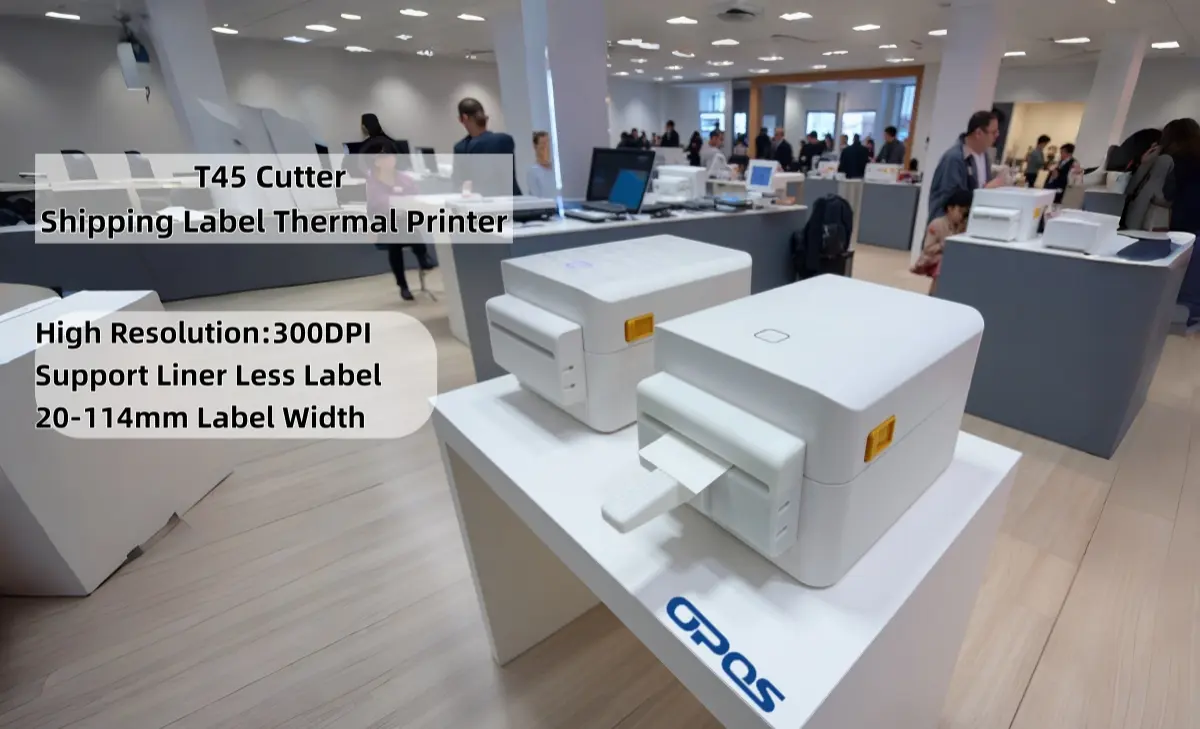
OPOS has launched its newest line of micro thermal printheads, boosting operating efficiency in mobile terminals...
Read More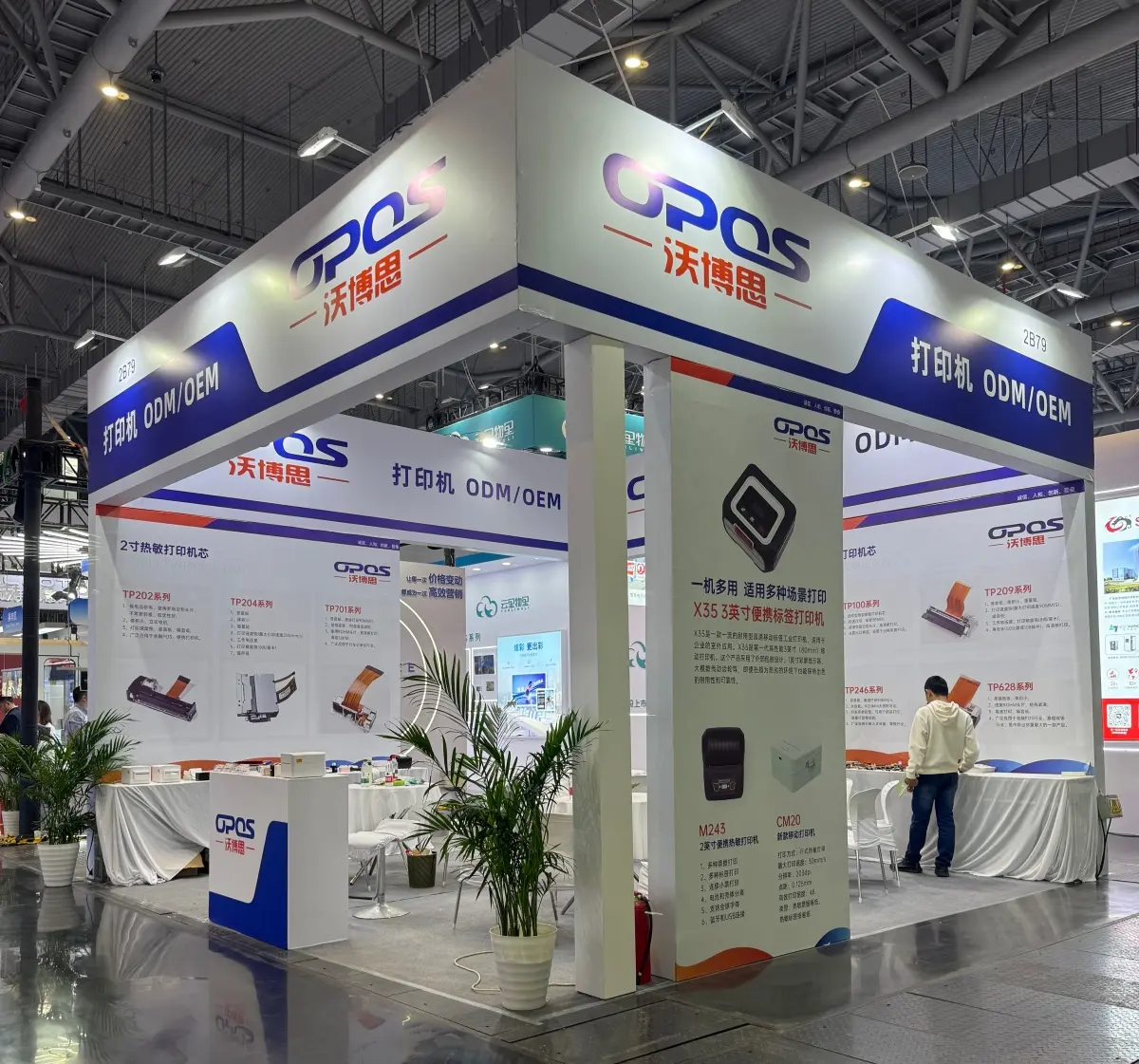
OPOS presented its latest energy-saving POS printer series and cutter designs at the recent retail industry expo...
Read More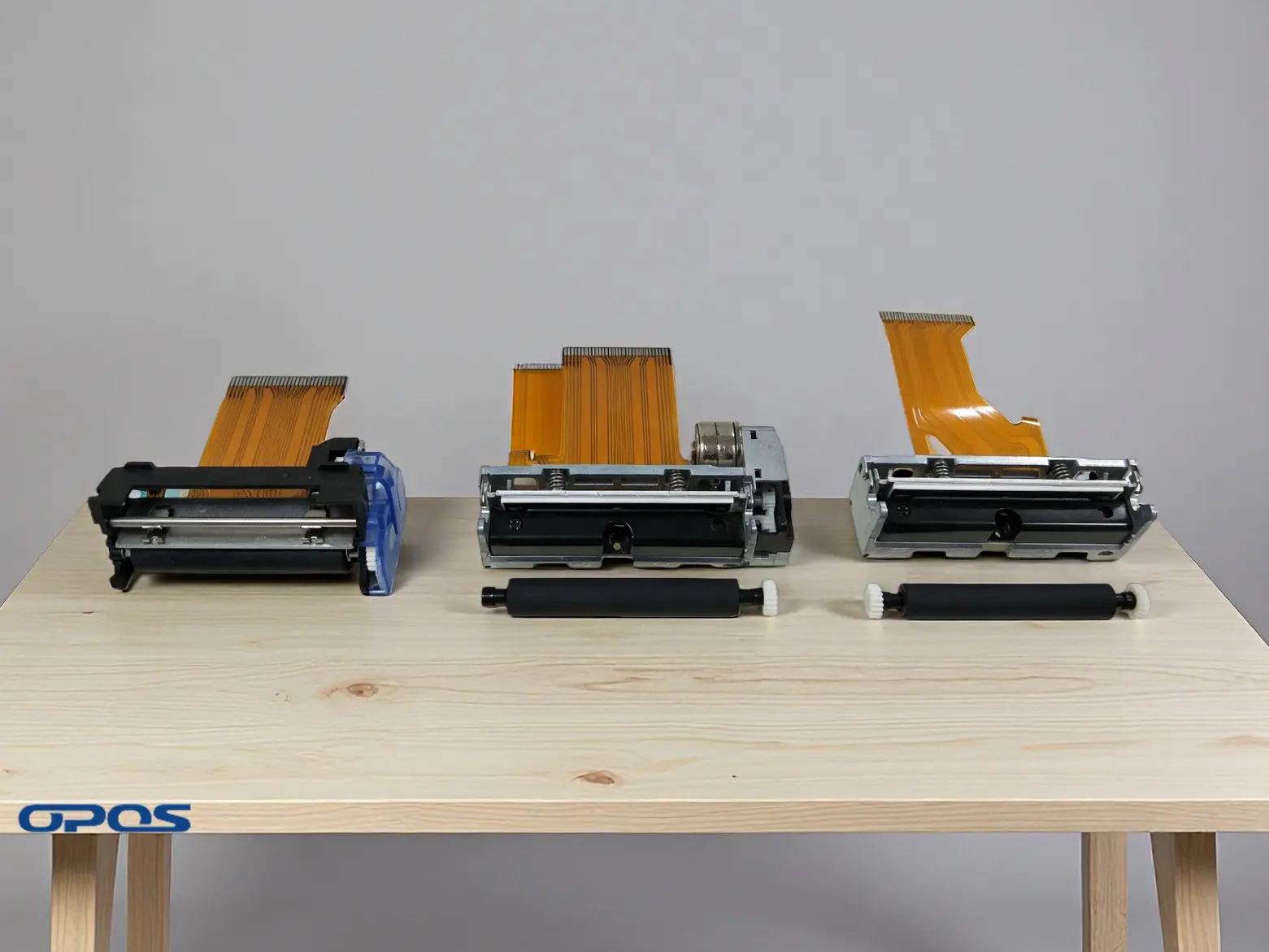
A detailed walkthrough covering the internal structure of printheads, step motors, and sensor modules for engineering teams...
Read MoreExplore our complete list of 1-inch (58mm) and related direct thermal mechanism models, complete with specialized manufacturer resources and full support documentation.
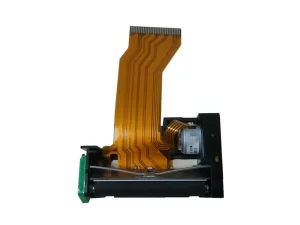
(Compatible with APS MP208-HS) High-speed capability (up to 90mm/s) paired with a heavy-duty design, suitable for dynamic transactions.
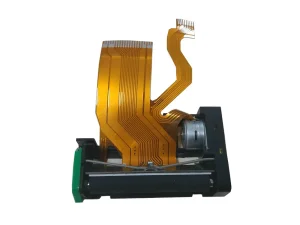
(Compatible with APS MP1245-HS) Engineered specifically for complex weighing instruments, parking gates, and telemetry devices.
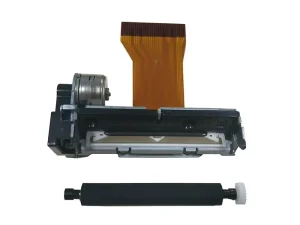
(Compatible with SEIKO LTPZ245D-C384-E) Reliable drop-in structure offering high performance print alignment and longevity.
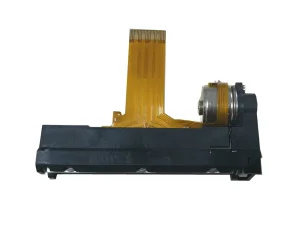
A versatile workhorse mechanism suited for diverse multi-industry operations, combining long-term durability and affordability.
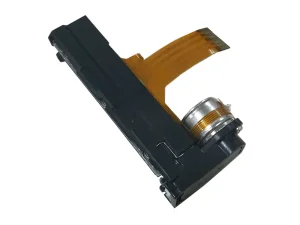
(Compatible with SEIKO LTP02-245LV) Low voltage operation profile, custom-tailored for battery-conscious handheld POS designs.
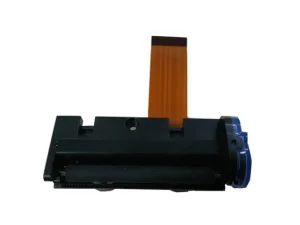
(Compatible with APS SS205-HS) Complete documentation and drawings for industrial equipment setups requiring fast feed cycles.
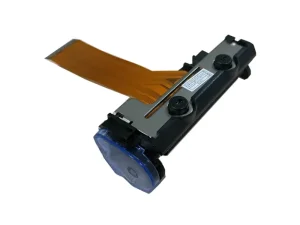
Compatible with APS SS205-LV. Delivers consistent dark print density even in low temperature ranges.
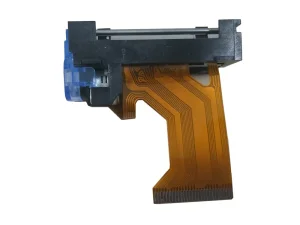
Compatible with APS ELM205-HS. High-precision sensor calibration options, optimal for barcode compliance scanning.
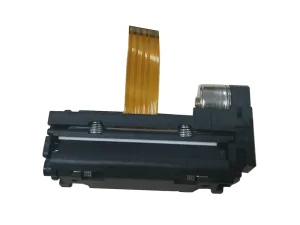
Premium performance mechanism featuring easy-loading configuration, reducing maintenance overhead in retail shops.
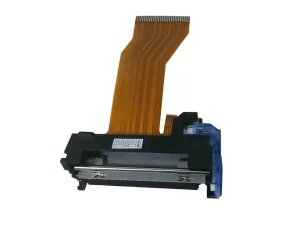
Ultra-low profile model with optimized print layout control, designed for handheld meters and analyzers.
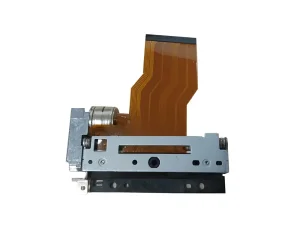
Horizontal layout model matching space-constrained instruments and parking ticket machine requirements.
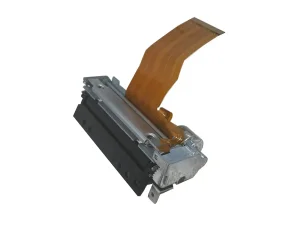
Vertical mechanical layout for thin-profile terminal cabinets and integrated kiosk housing designs.
Answering major technical, physical, and integration queries from system engineers.
Get in touch with our design engineers. Request direct 3D CAD step files, electrical diagrams, and custom samples to fast-track your design processes for the Serbian market.
Send Inquiry Now