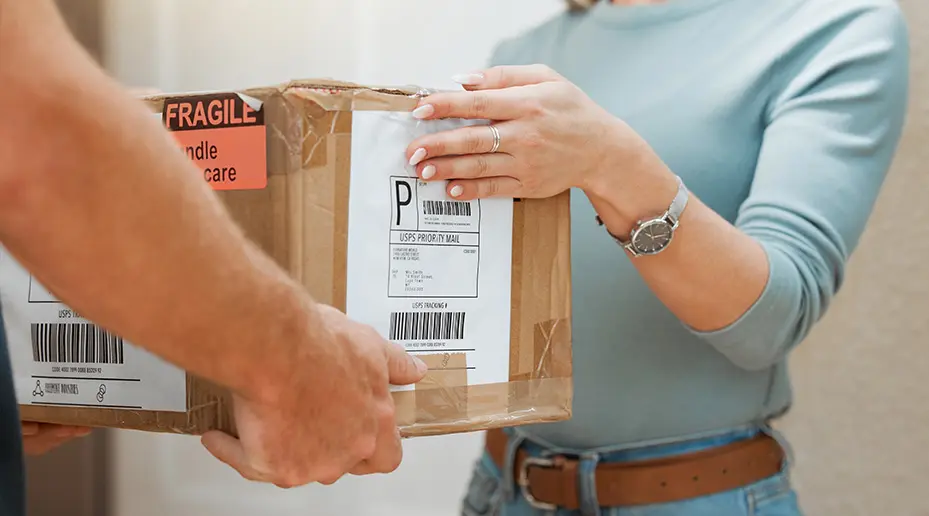
Engineered for speed, durability, and seamless integration with localized ERP & logistics systems.
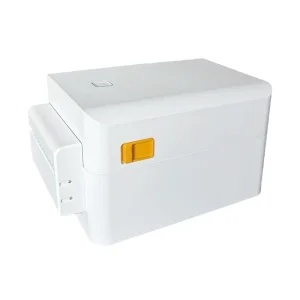
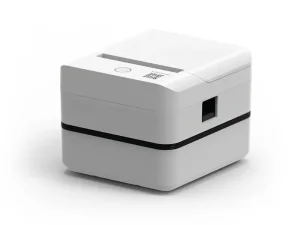
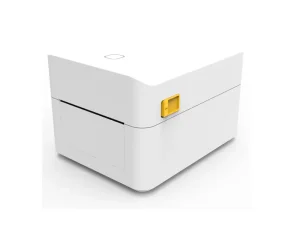
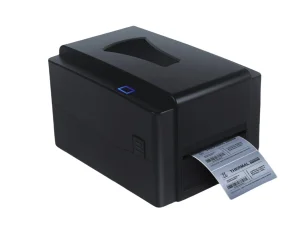
A comprehensive study on current supply chains, local requirements, and technical pathways.
Malaysia is rapidly climbing the ladder of global and regional trade integration. With major e-commerce fulfillment hubs expanding in the Klang Valley, robust logistics setups centering around Port Klang, and a world-class semiconductor manufacturing cluster in Penang, the demand for reliable barcode and shipping label generation is higher than ever. Thermal printers serve as the operational backbone for these key industries. In direct response to the Royal Malaysian Customs Department's e-invoicing initiatives and local logistics networks like Pos Laju, J&T Express, and DHL eCommerce Malaysia, manufacturers are transitioning to enterprise-grade thermal printing infrastructures. These networks require systems that can operate 24/7 in high-temperature, high-humidity tropical conditions.
Furthermore, Malaysia's National Industry 4.0 policy (Industry4WRD) encourages companies to implement digitized tracking systems. Transitioning to advanced IoT-connected barcode devices, using 203 DPI and 300 DPI high-definition printing options, and integrating RFID capabilities are crucial milestones in upgrading industrial manufacturing processes across Johor, Selangor, and Penang.
In hot and highly humid climates like Malaysia, standard direct thermal labels can experience premature fading or overall darkening. To prevent scanning failures in transit, businesses in the region should opt for Thermal Transfer Printers utilizing wax-resin or full-resin ribbons. Direct thermal labeling remains suitable for quick-turnaround retail or courier slips, but industrial manufacturing and international export tracking require thermal transfer systems that preserve barcode readability for over 24 months.
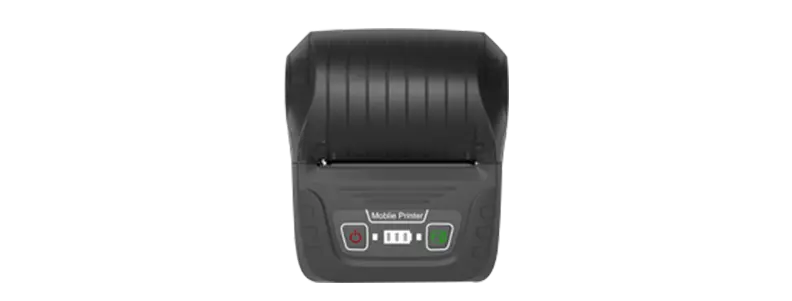
1. **Courier & Last-Mile Logistics**: Mobile Bluetooth sticker printers, such as the C30 80mm portable models, enable dispatch riders to print delivery receipts and dynamic tracking barcodes directly at the customer's location. This speeds up proof-of-delivery processing and minimizes dispatch mistakes.
2. **High-Tech E&E Manufacturing in Penang**: Component labeling requires heat-resistant barcodes with small footprints. Using 4-inch desktop thermal transfer systems guarantees clear, smudge-free barcodes that survive heat cycles on circuit board assemblies.
3. **Halal Traceability & Food Processing**: Compliance with JAKIM's strict certification frameworks calls for clear batch labeling. These labels must remain perfectly legible in cold-chain logistics environments, from cold warehouses in Selangor to retail shelves across the nation.
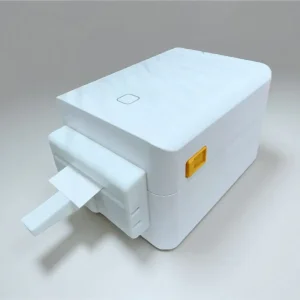
Environmental sustainability is becoming a regulatory requirement in Malaysia. Traditional labels feature silicone-coated backing papers that produce significant waste. OPOS's technical roadmap actively highlights linerless thermal printers. These systems feature specialized non-stick platens and integrated cutter blades, allowing the media rolls to be rolled without backing paper. This setup decreases freight weight, eliminates material waste, and reduces workplace slips in warehouses.
Furthermore, the integration of dual Bluetooth 5.0 protocols, Wi-Fi networks, and cloud-based print commands allows field workers to manage print jobs seamlessly from Android, iOS, and legacy POS terminals. This makes integration with modern e-commerce and retail software platforms simple and reliable.
High-reliability designs suited for logistics hubs, mobile workforces, and retail checkouts.
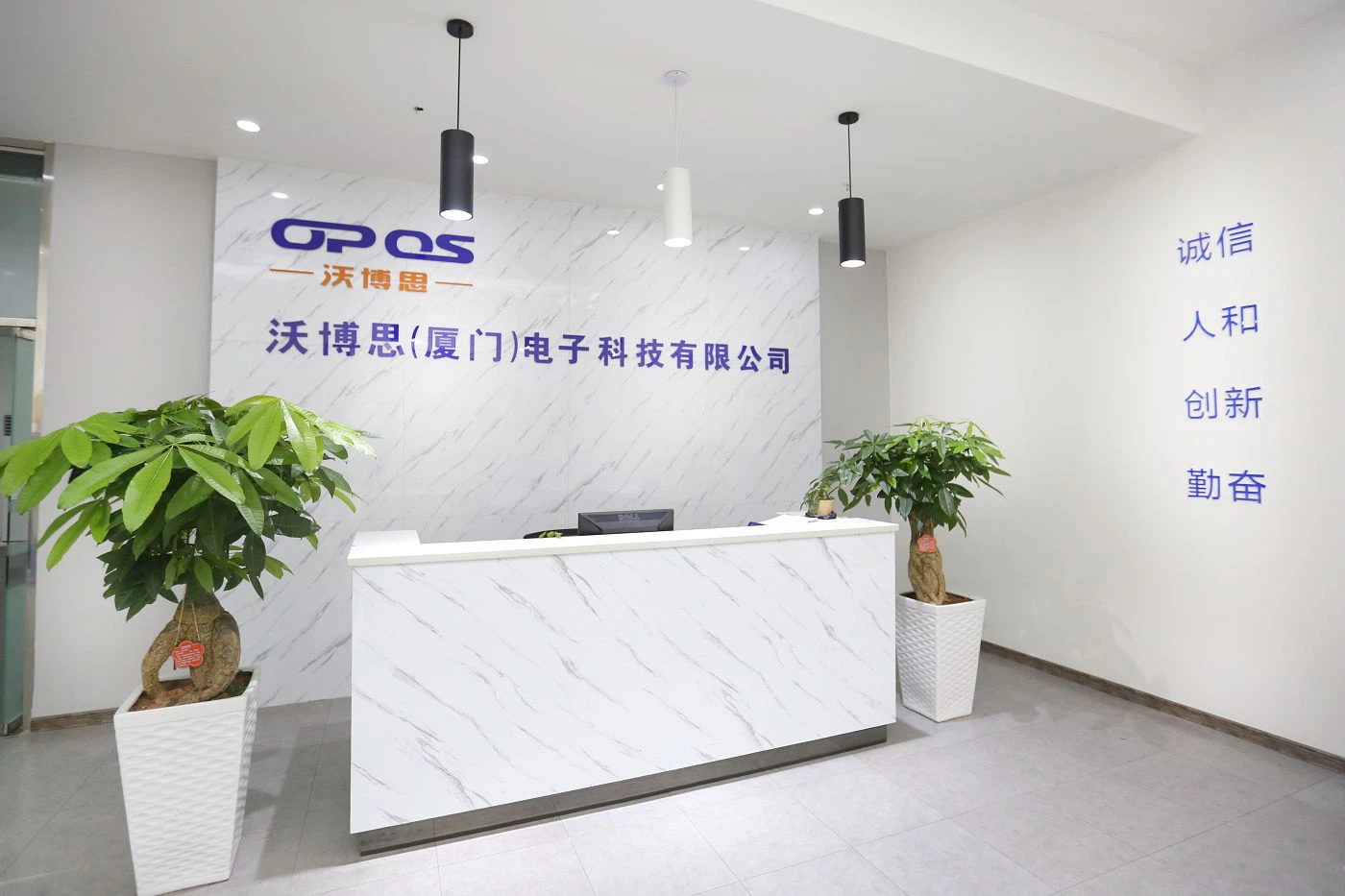
Established in 2005, OPOS (Xiamen) Electronic Technology Co., Ltd. is located in the high-tech industrial hub of Xiamen, Fujian Province, China. We stand as one of the region’s earliest developers and manufacturers of dot matrix and thermal printer mechanisms.
As a high-tech enterprise, we integrate design, manufacturing, sales, and service across thermal printers, POS mechanisms, label mechanisms, dot matrix mechanisms, and precision cutter components. By serving customers in Southeast Asia, Europe, and the Americas, we guarantee reliable performance and long operational life for printing systems globally.
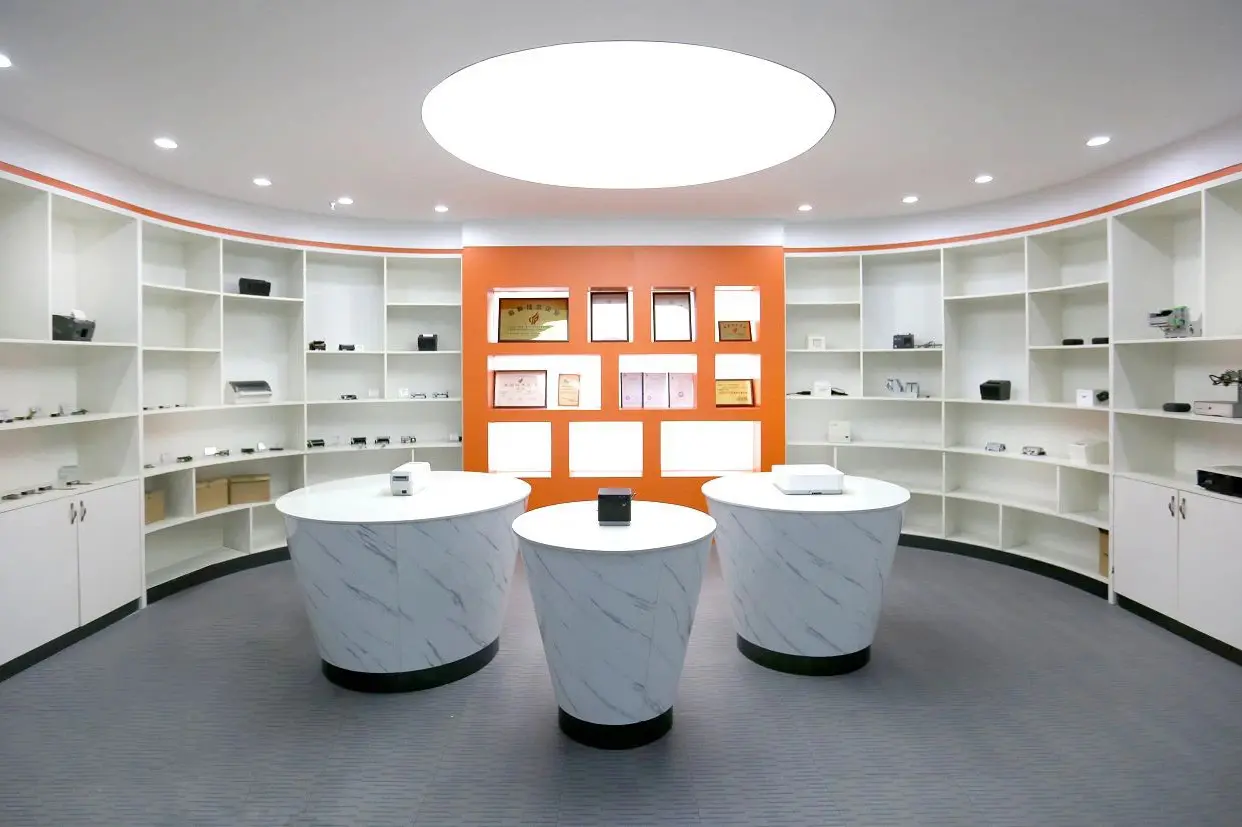
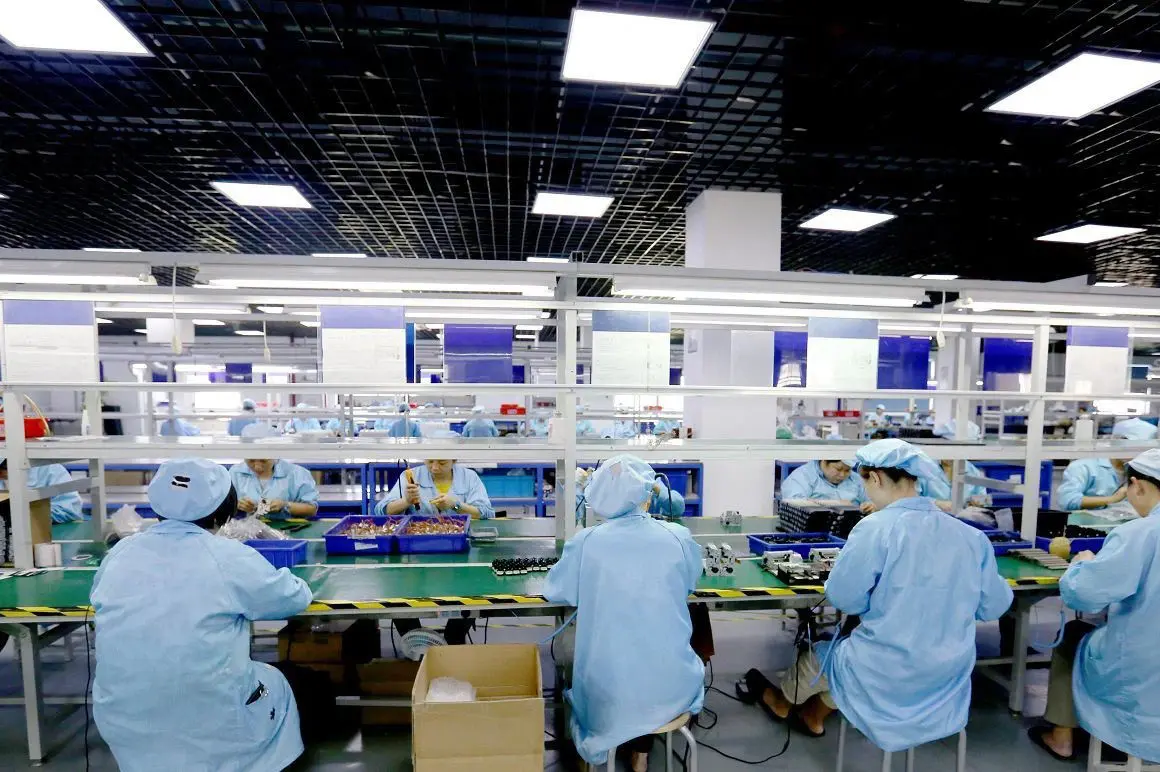
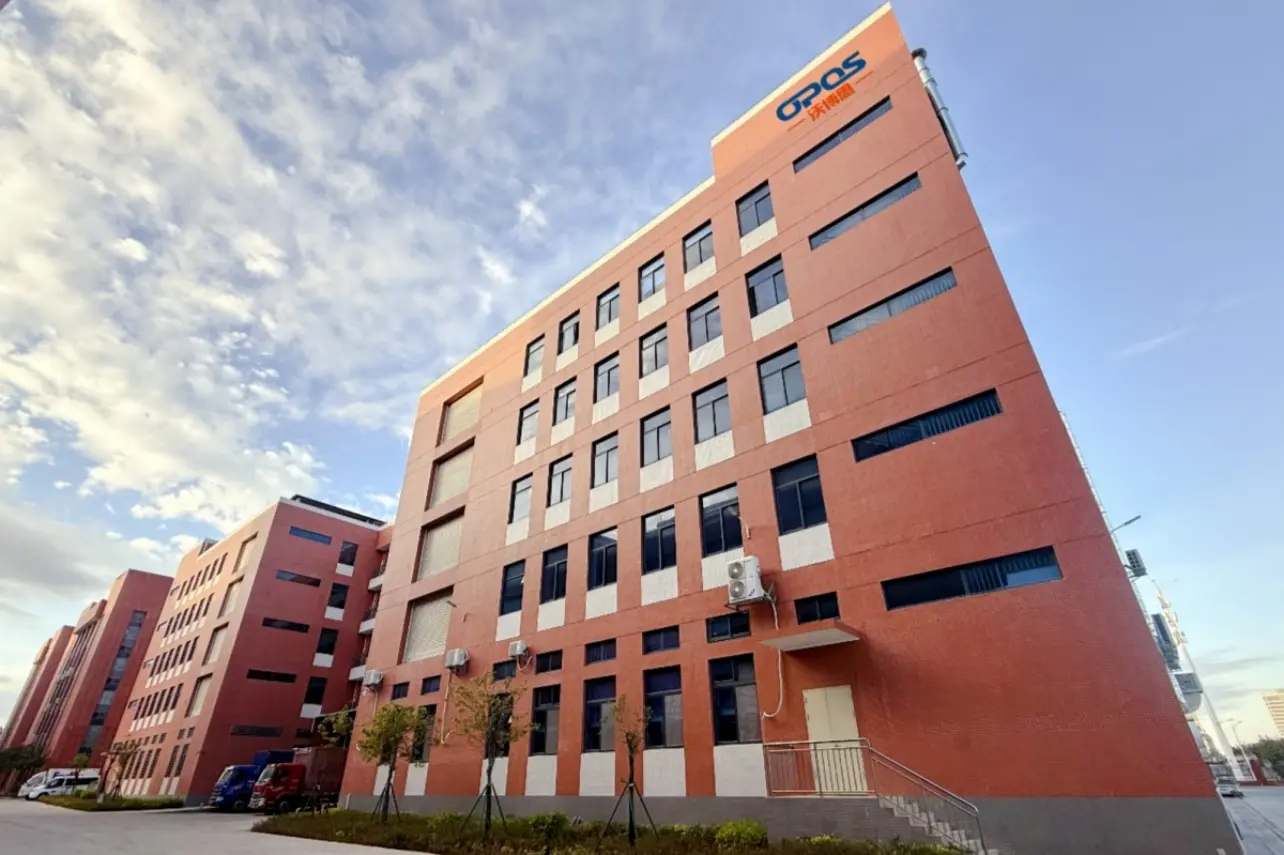
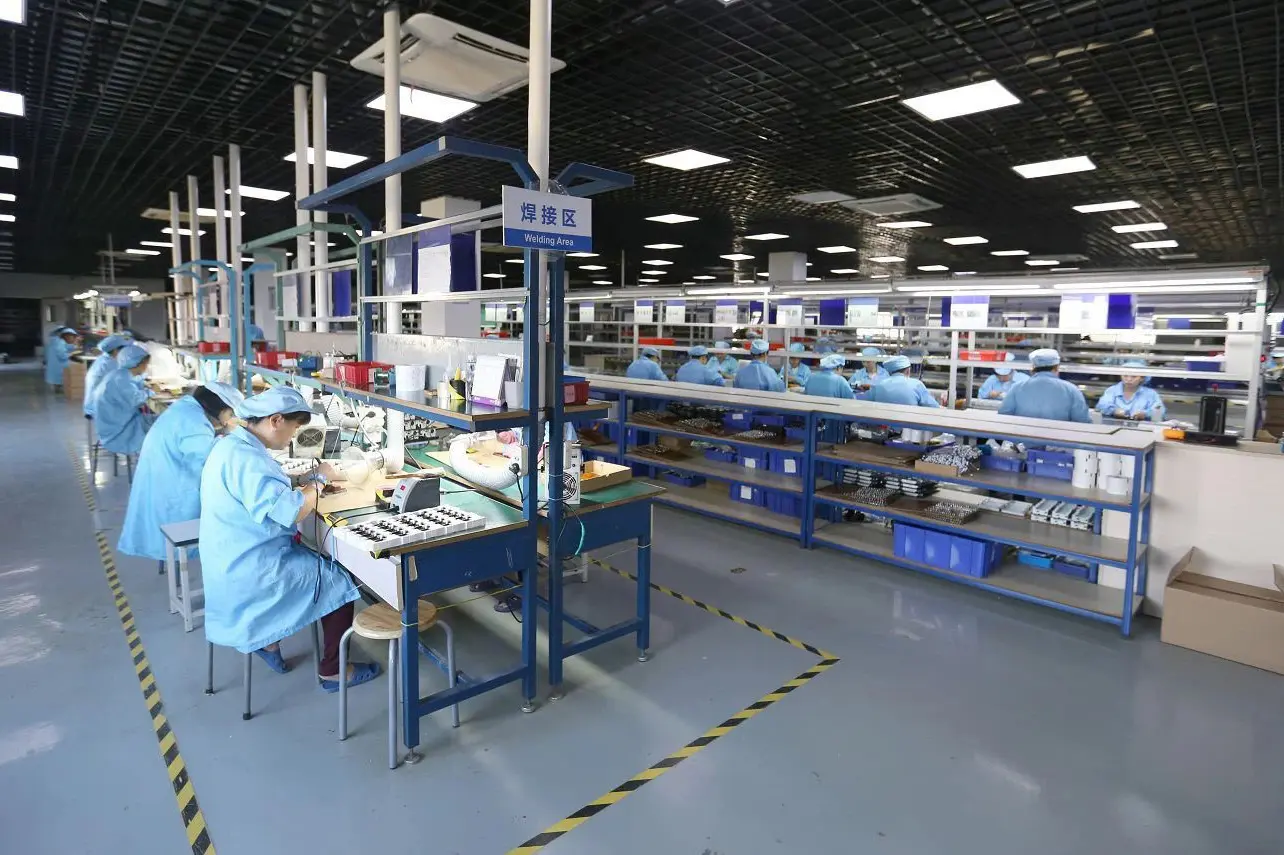
Optimized logistics and flexible engineering capacities supporting Malaysian market demands.

We provide tailored thermal printer solutions, working with your engineers to design custom cases, logic boards, and firmware that fit seamlessly into localized systems.

We handle all design, software engineering, and physical prototyping in-house, ensuring quality control from initial concept to high-volume assembly line production.

Our engineering support team coordinates directly with your technical leads, addressing mechanical alignment issues, port protocols, and driver updates promptly.

Every shipment is covered by a 12-month hardware warranty. We supply replacement parts, step-by-step diagnostic guides, and firmware patches for reliable field operations.
A structured approach ensures precision engineering, strict quality compliance, and reliable deployment.
Stay informed with the latest insights and product updates from our engineering teams.
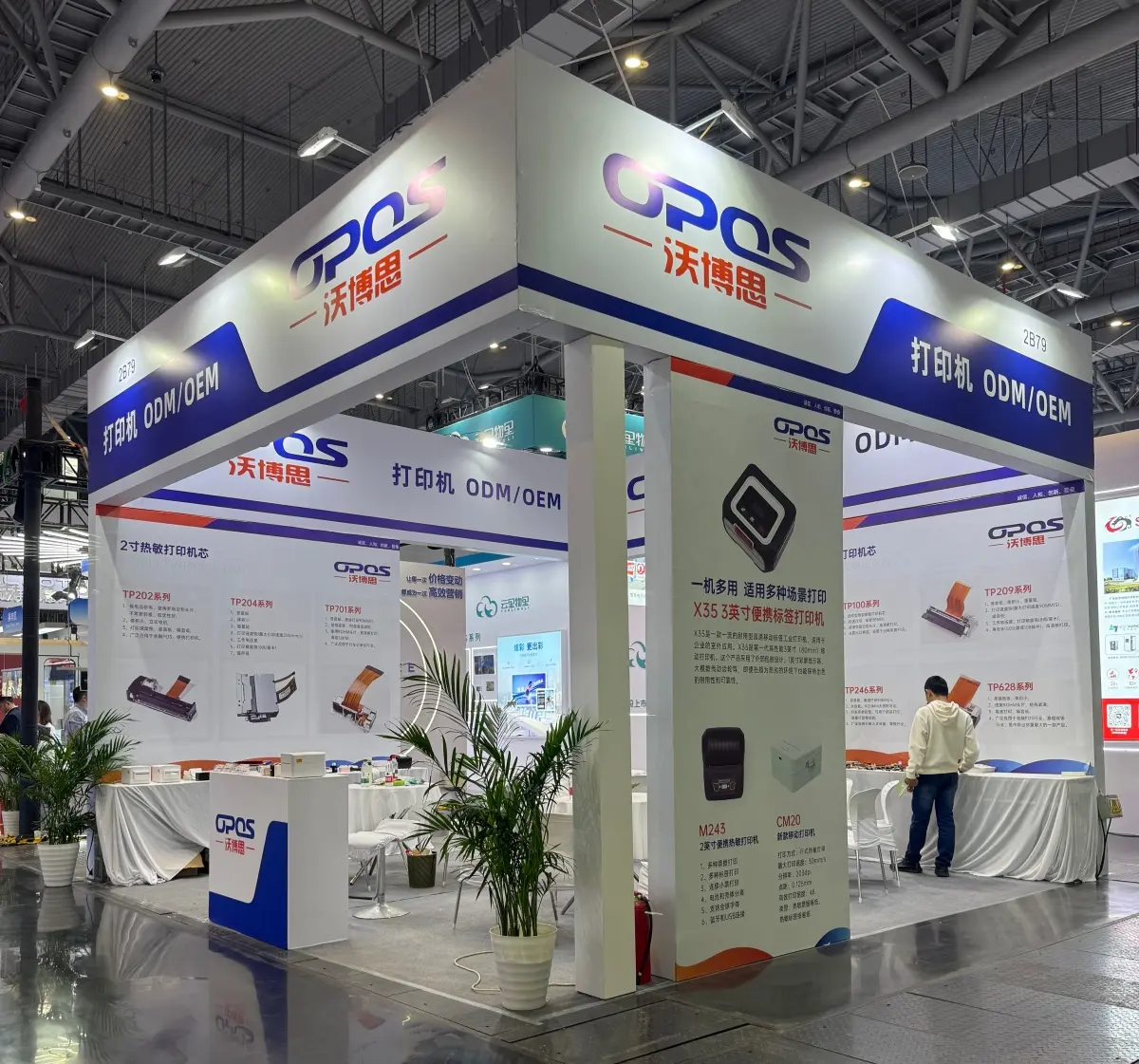
Key information regarding hardware integrations, tropical environment compatibility, and ordering processes.
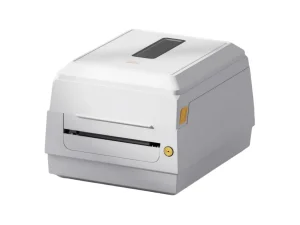
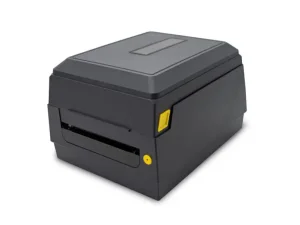
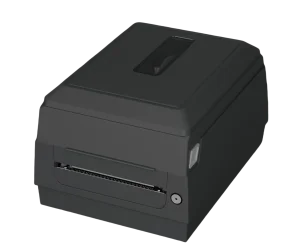
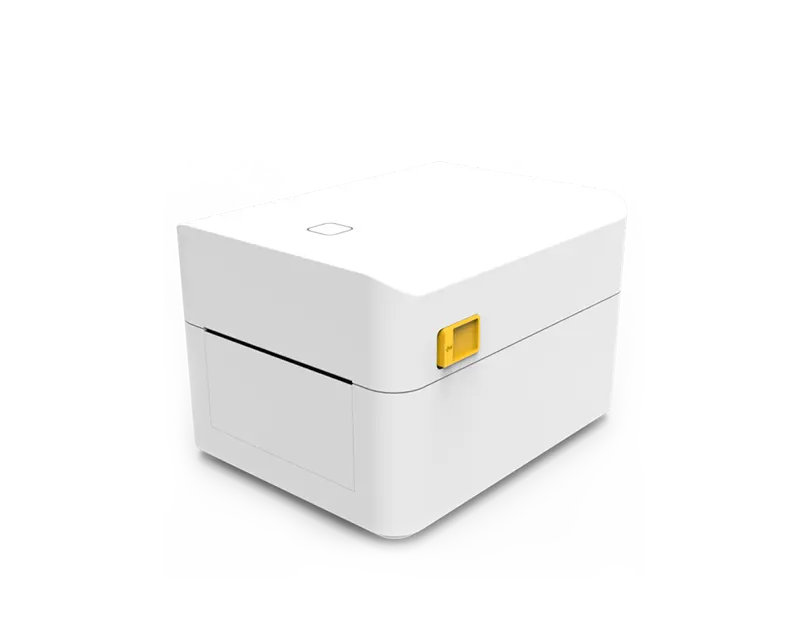
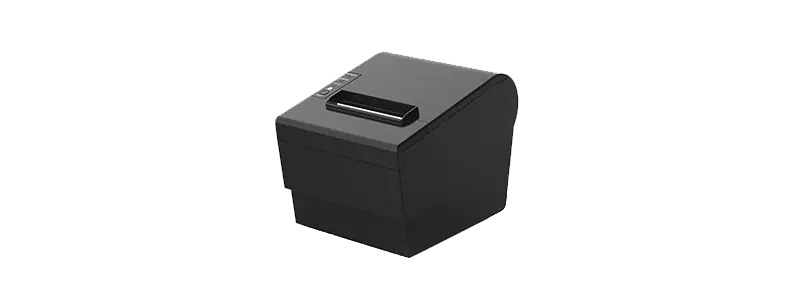
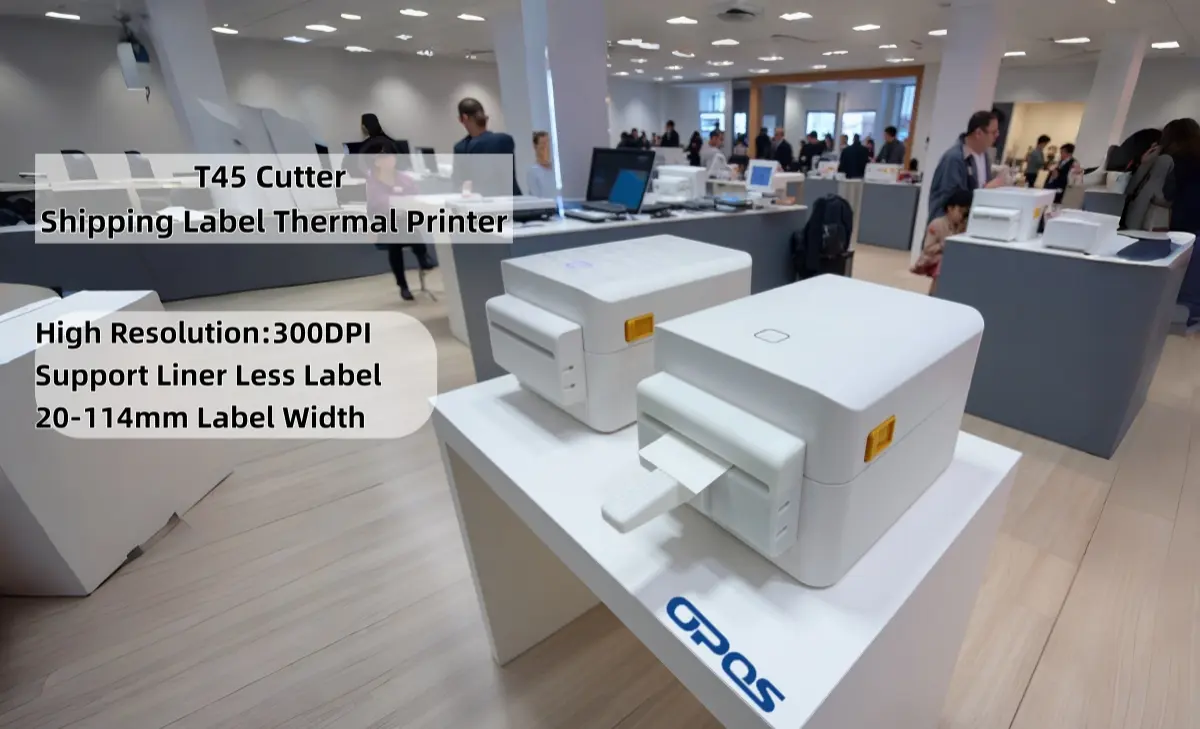
Standard e-commerce shipping labels measure 4x6 inches (A6 size). The T45 4x6 Desktop Thermal Label Printer, available with either a tearing knife or an integrated cutter, is ideal for these applications. It offers high-speed printing and handles continuous shipping label rolls efficiently, making it well-suited for online merchants and regional fulfillment centers.
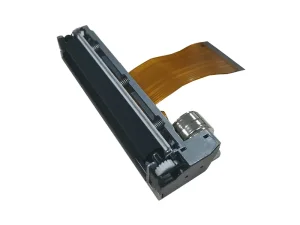
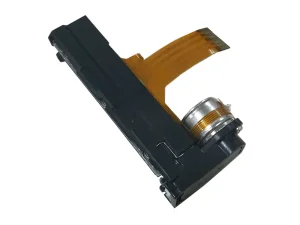
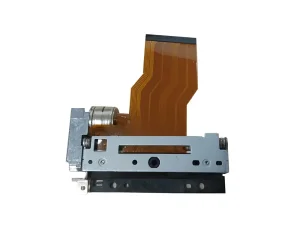
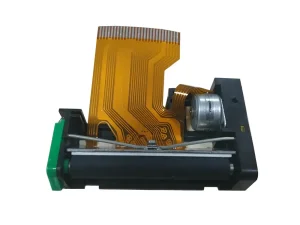
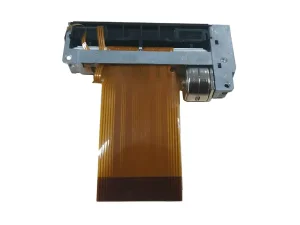
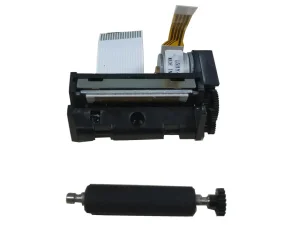
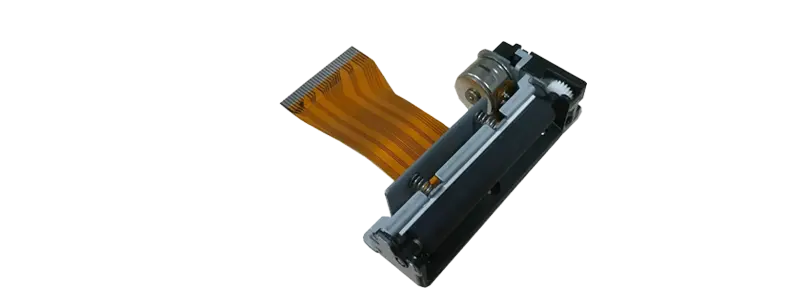
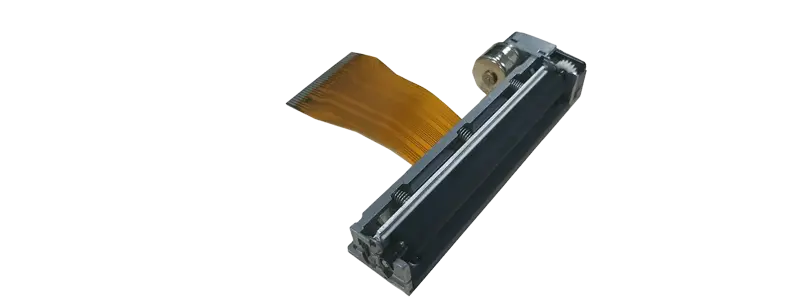
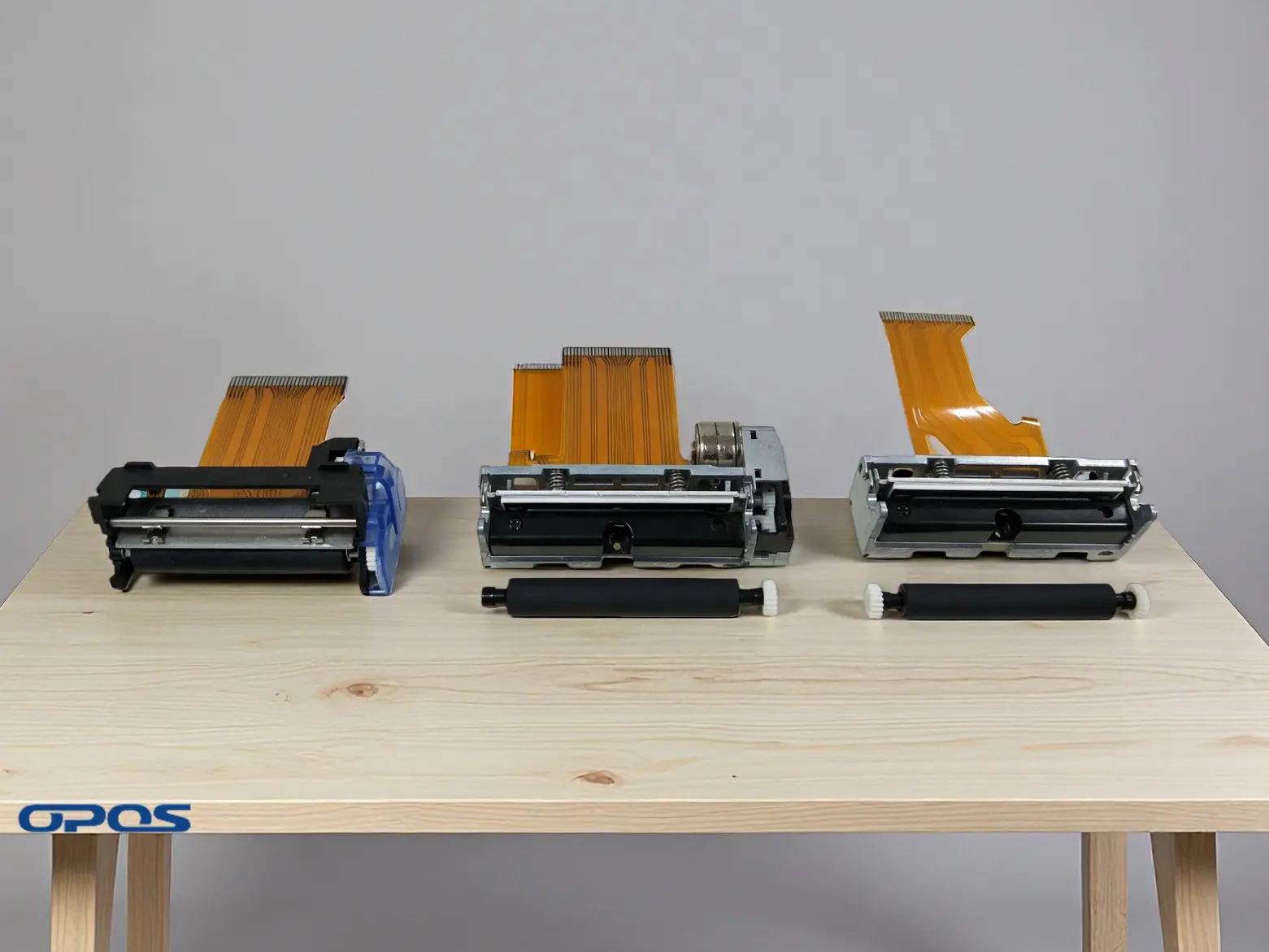
Our printing mechanisms are designed to be fully compatible with industry-standard protocols, including Seiko and Fujitsu. For example, our TP202LV is compatible with the Seiko LTP02-245LV, and the TP628/TP638 series aligns with Fujitsu's FTP-628MCL103 / FTP-638MCL101 mechanisms. This ensures smooth replacement and integration with minimal changes to your existing control boards.
High humidity can affect direct thermal paper and printhead life. Our hardware is built with protective topcoats and high-grade alloy frames to mitigate these risks. For applications requiring long-term durability and resistance to fading under local conditions, we recommend our 4-inch Thermal Transfer Desktop Printers, which utilize wax-resin or resin ribbons to ensure barcode readability over time.
Our manufacturing processes follow ISO9001 guidelines, and our products carry CE, FCC, RoHS, and CCC certifications. When importing into Malaysia, we assist our local partners in providing the necessary documentation to support SIRIM certification and regional product approvals.
Our MOQs vary depending on whether you require standard models or customized OEM solutions. Standard models are typically ready to ship in volume within 7 to 15 working days. Custom plastic housings, special firmware configurations, or unique bracket placements require additional design and tooling validation, which typically extends lead times to 30 to 45 days.
Retaining original specifications and secure redirect links for direct engineering inquiries.