
Premium OEM and ODM solutions engineered for global retail, logistics, and kiosk systems.
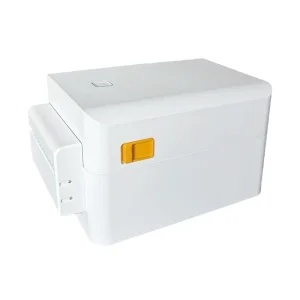
Equipped with a robust tearing knife. Designed for reliable heavy-duty industrial shipping label applications.
Learn More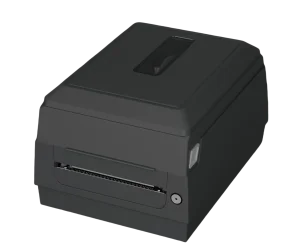
108mm printing width. Desktop standard for high-resolution 2D barcodes, QR codes, and long-lasting shipping labels.
Learn More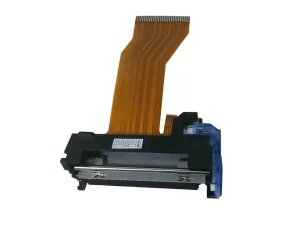
High-performance OEM module fully compatible with APS ELM208LV for system integration.
Learn More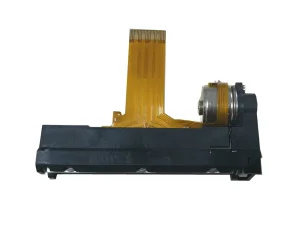
Micro-thermal printhead designed for POS receipt devices requiring high speed and low noise.
Learn More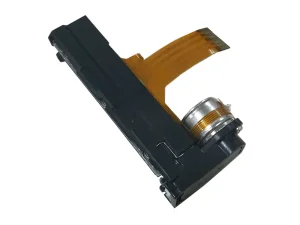
Compatible with SEIKO LTP02-245LV. Low voltage micro printing module with premium thermal accuracy.
Learn More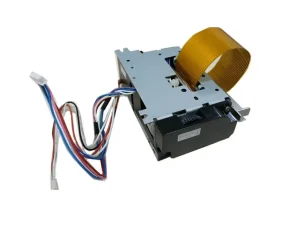
High-speed, heavy-duty industrial cutter mechanism optimized for medical devices and public terminal kiosks.
Learn More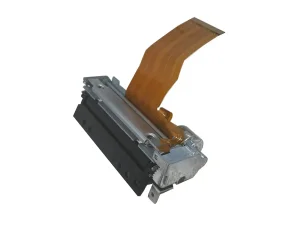
Compatible with SEIKO LTPD245. Vertical orientation layout ideal for ultra-compact POS terminals.
Learn More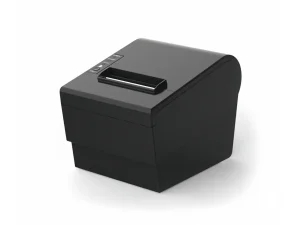
Desktop 3-inch 80mm wireless thermal POS receipt machine customized for small business payment stations.
Learn MoreExpert insights into how IoT, industrial digitization, and green energy are transforming point-of-transaction printing hardware.
The global transactional touchpoint landscape is shifting rapidly. Thermal billing and receipt printers are no longer isolated peripheral hardware units; they have evolved into smart, IoT-enabled, and cloud-integrated transactional nodes. Enterprise buyers are demanding high connectivity, low maintenance overhead, and seamless integration with legacy systems. To maintain a competitive edge, custom thermal bill printer machine manufacturers must pioneer mechanisms capable of withstanding diverse physical and electronic operating environments.
Modern businesses deploy unified retail networks where ERP systems communicate directly with thermal printers. Cloud-connected POS receipt printers allow operations to trigger order tickets or receipts from centralized server hubs, bypassing the local terminal driver limitation. This architectural shift requires built-in network stacks supporting Wi-Fi, BLE, and classic Bluetooth, alongside traditional interfaces like USB, serial, and Ethernet ports.
Regulatory pressures in Europe and North America demand a reduction in liner waste. Direct thermal printers are adapting to print on linerless label papers and thin-coated thermal rolls. This adjustment demands special auto-cutters and feed-rollers engineered to prevent adhesive build-up, maintaining printhead cleanliness over millions of cuts. Custom manufacturers play a critical role here, modifying tension plates and feeding paths to accommodate specialized environmental materials.
"The challenge for modern hardware architects is not merely speed, but operational longevity. Standard printer mechanisms fail under high-frequency chemical and mechanical friction. Custom engineering must integrate hardened protective glazes over the heating elements and introduce intelligent thermal throttling to extend head life (MCBF)."
Kiosks, gaming machines, banking terminals, and parking systems demand custom 2-inch and 3-inch horizontal or vertical thermal printer mechanisms. System developers demand drop-in replacements for standard components (like Seiko LTPD series or Fujitsu FTP series) with enhanced performance, lower power requirements, and tailored mounting chassis to match proprietary terminal cases.
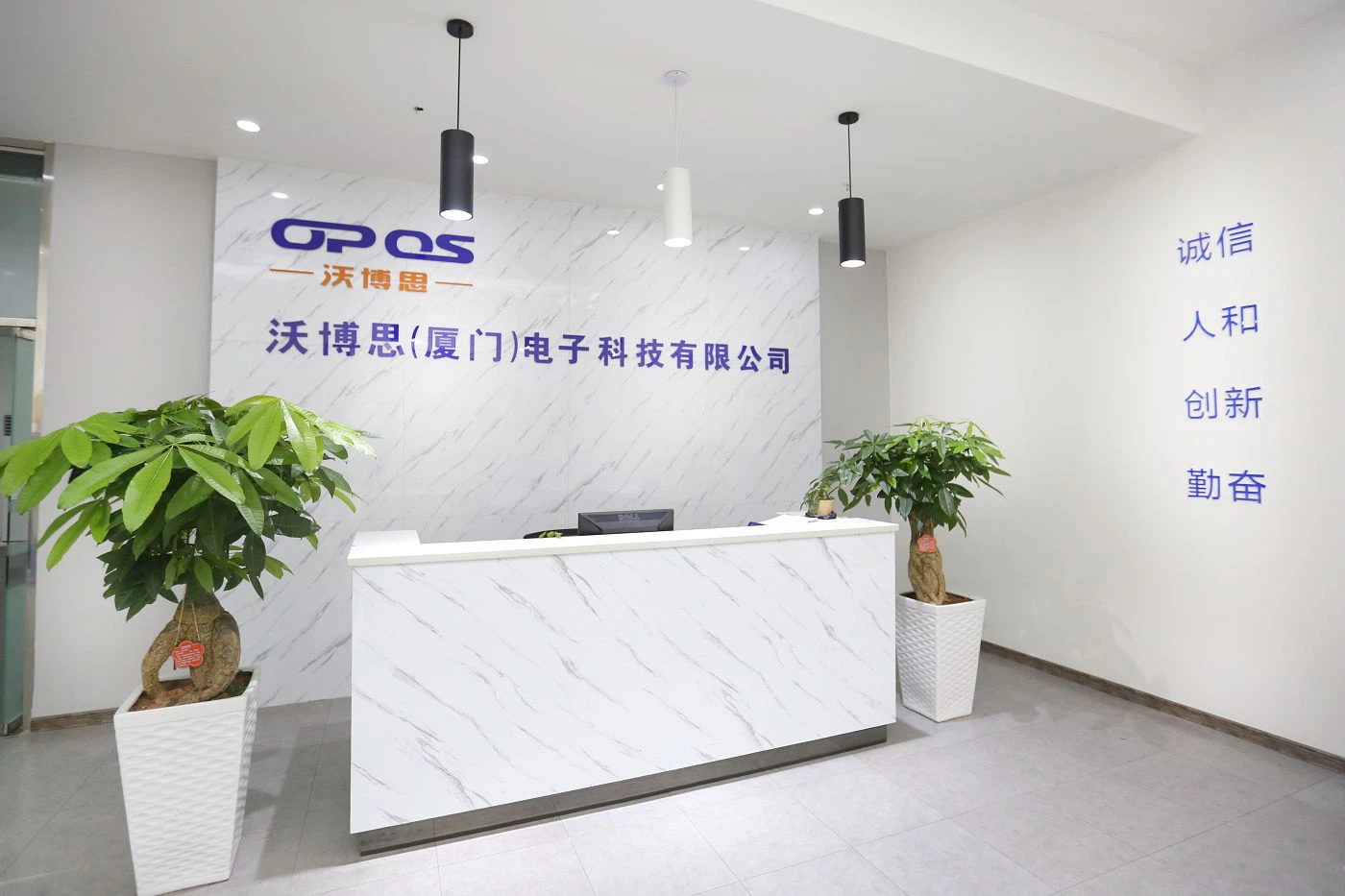
Established in 2005 and situated in Xiamen, Fujian Province, China, OPOS is a leading pioneer in the domestic printer mechanism industry. From our early days of researching dot-matrix printer mechanisms, we have grown into a premier high-tech enterprise.
Today, our state-of-the-art facility integrates design, R&D, manufacturing, and distribution of high-quality thermal printers, POS receipt devices, mobile/label printer mechanisms, dot matrix units, and heavy-duty auto-cutter components. We focus on bridging the gap between custom requirements and massive production scales.
Why Tier-1 global procurement teams partner with OPOS for thermal bill printer mechanisms.
We build tailored bill printer housings, electronic board configurations, and micro-mechanism frames tailored to client specifications.
Our designs are built from the ground up, reducing dependency on third-party licenses and ensuring custom firmware flexibility.
Fast mechanical engineering revisions, driver adaptation assistance, and comprehensive SDK optimization for POS systems.
12-month hardware warranty program, supply chain component replacement parts, and dedicated quality engineers.
How OPOS utilizes smart manufacturing and Xiamen’s technology cluster to safeguard supply chains.
Global electronics supply chains require exceptional resilience. Operating out of Xiamen's advanced electronics hub, OPOS has integrated the core components of Factory 4.0 within our 5,000 m² facility. We control every stage of fabrication to insulate buyers from component shortages and transport bottlenecks.
From injection molding of internal chassis components to complex PCB assembly and precision printhead calibrations, our production verticalization keeps lead times low. This integration limits exposure to secondary supplier delays and ensures strict quality control at every phase of the manufacturing process.
"Supply chain resilience isn't just about stock; it's about engineering redundancy. OPOS mechanisms are designed with flexible hardware configurations. If a specific driver component experiences market shortages, our firmware can adapt to alternative processors with minimal latency."
Every single printhead mechanism batch undergoes strict verification including thermal cycling, mechanical drop tests, voltage fluctuation resistance, and cutter endurance tests up to 1.5 million cuts. By maintaining automated testing routines, we keep field failure rates near zero, protecting the brand reputation of our OEM partners.
Explore our highly integrated models compatible with industry standard protocols.
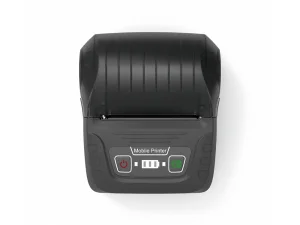
Compact pocket size. Designed for portable receipt generation, mobile labelling, and light business activities.
Learn More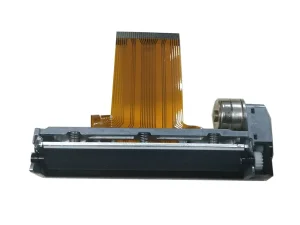
Directly compatible with Fujitsu FTP-638MCL103. Industrial-grade micro thermal printhead.
Learn More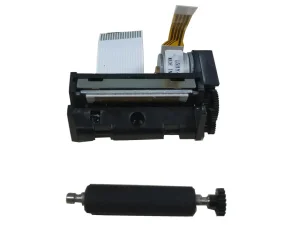
Compatible with Woosim Porti-M100H. Compact build with quick paper loading design.
Learn More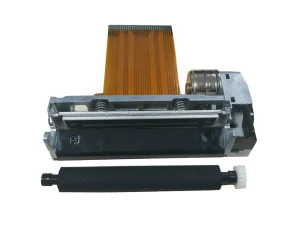
Fully compatible with Fujitsu FTP-628MCL101. Standard 2-inch mechanism for POS terminals.
Learn More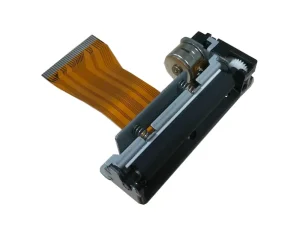
Compatible with Seiko LTPZ245. High resolution printing with ultra low energy draw.
Learn More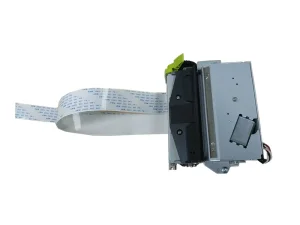
Robust kiosk printer mechanism compatible with EPSON M-T532. High reliability for heavy retail use.
Learn More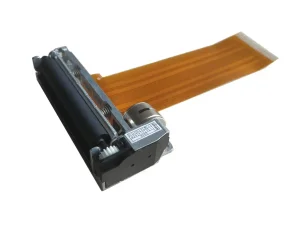
Compatible with Fuji FTP-628MCL101. Space-saving print engine ideal for hand-held ticketing devices.
Learn More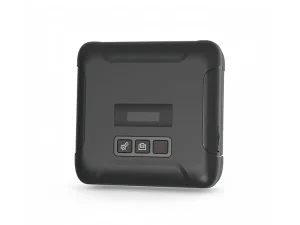
Portable mobile express shipping label printer. Connects via Bluetooth for courier workflows.
Learn MoreYour Success, Our Commitment: Signature Products, Unmatched Quality
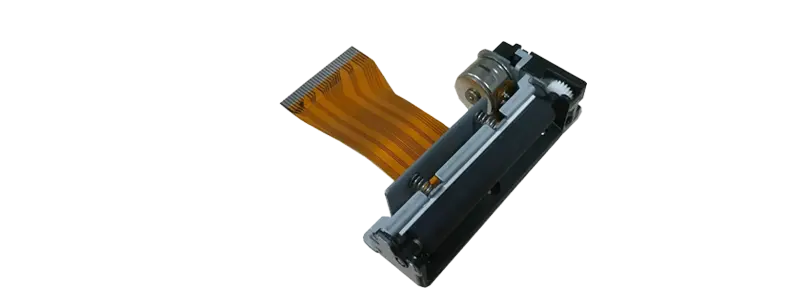
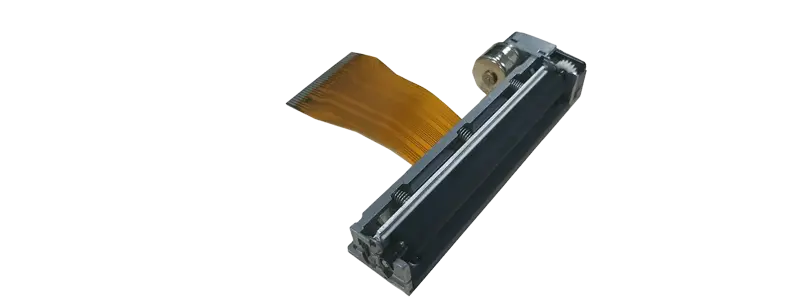
Crucial factors engineering managers must analyze when auditing thermal bill printer manufacturers.
Acquiring printer mechanisms for large-scale operations is a balance of lifetime durability and upfront cost. Because thermal printers are prone to heavy physical wear, procurement strategies should focus on overall cost of ownership over a 5-to-7-year service lifespan.
The primary cost center in thermal printing is printhead replacement. Low-quality mechanisms require replacement after only 50 kilometers of paper throughput. Premium manufacturers like OPOS use reinforced silicon glazes to achieve a lifespan of 100 to 150 kilometers. Buyers should always ask for verified Mean Cycles Between Failure (MCBF) test reports before signing supply agreements.
Cutter failures can lock up entire POS transactions. An integrated guillotine cutter must perform between 1 million and 1.5 million clean cuts without paper jams. Industrial systems require auto-cutters featuring dual-gear drives and automatic blade retractors to clear unexpected paper obstructions.
"Purchasing teams often overlook software driver integration costs. Choosing printer mechanisms with full ESC/POS command-set compatibility and ready-to-use SDKs for Windows, Android, and iOS saves significant software development hours during system integration."
As transactional systems evolve, printers must support a range of communication standards. Providing a main control board that supports diverse ports—such as Serial, USB, Ethernet, and Wireless configurations—helps future-proof your hardware layout.
A structured, step-by-step engineering pathway from custom ideas to production delivery.

Branding Consulting

Design & Layout

Making Samples

Mass Production

Repacking & Check

Final Shipment
Engineered for high performance across diverse commercial and industrial settings.




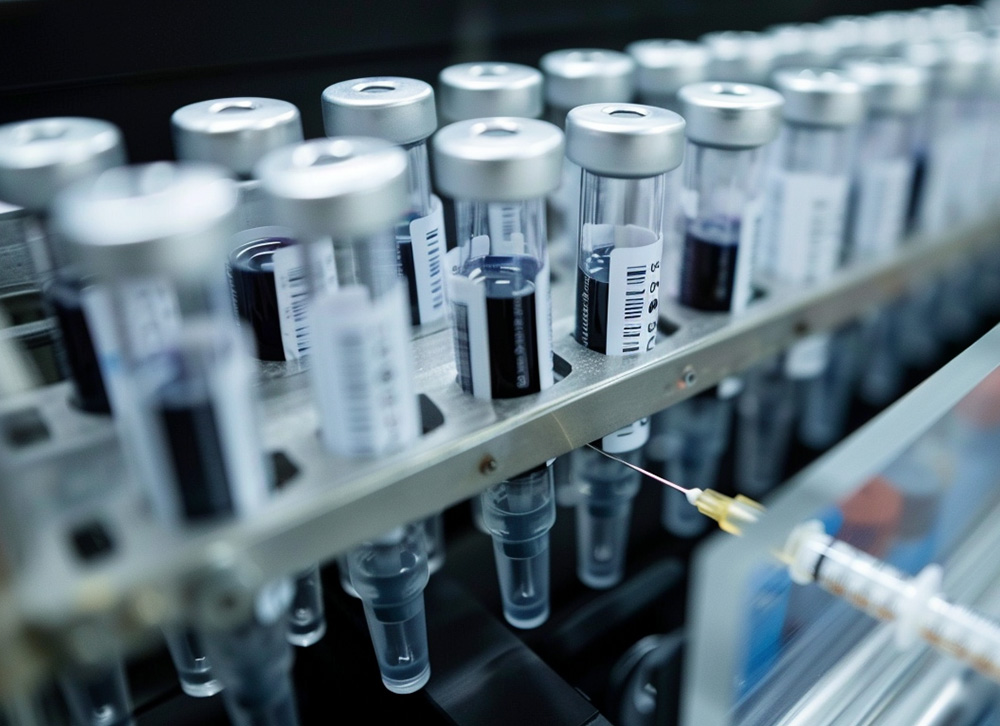
Discover our high-durability signature products and micro thermal solutions.
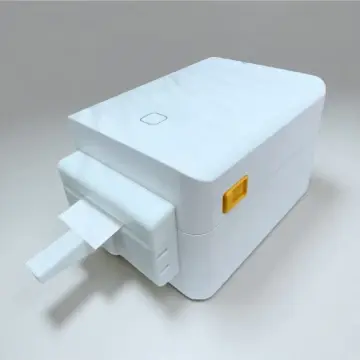
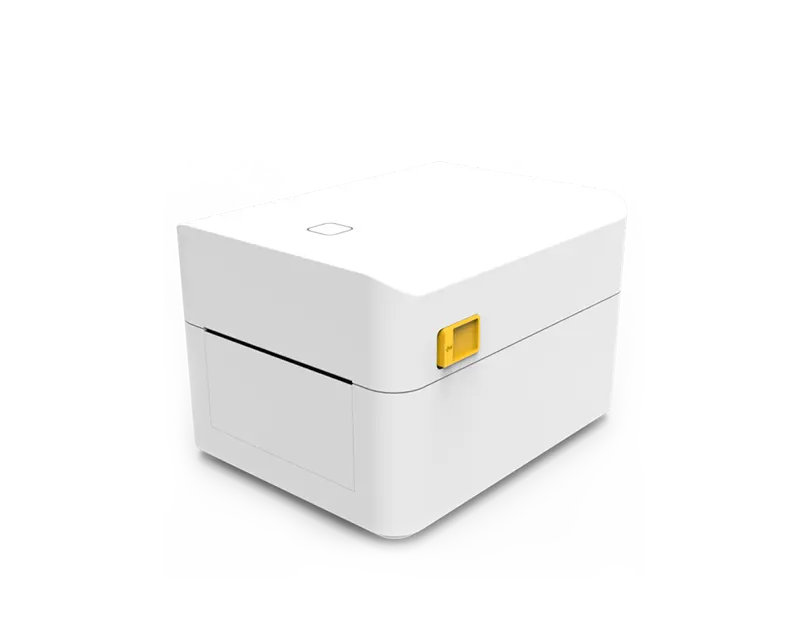
Ideal for fast shipping lines, reducing media backing waste with a high durability cutting mechanism.
Read More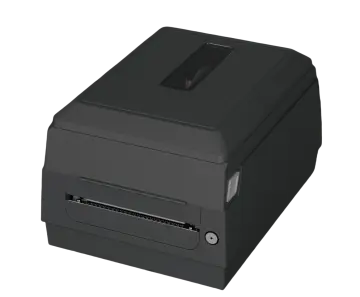
Optimized barcode rendering speeds. Easy media reloading and stable thermal tracking.
Read More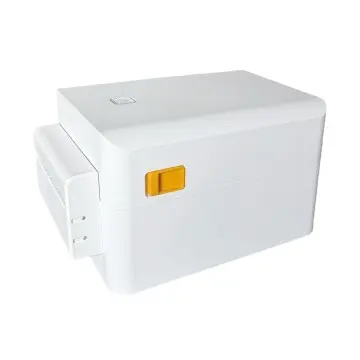
Built-in high-carbon tearing blade. Excellent for shipping barcode creation.
Read More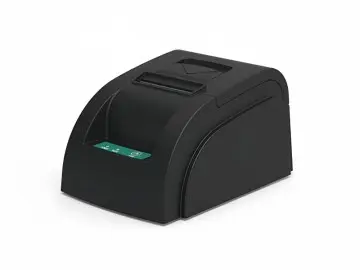
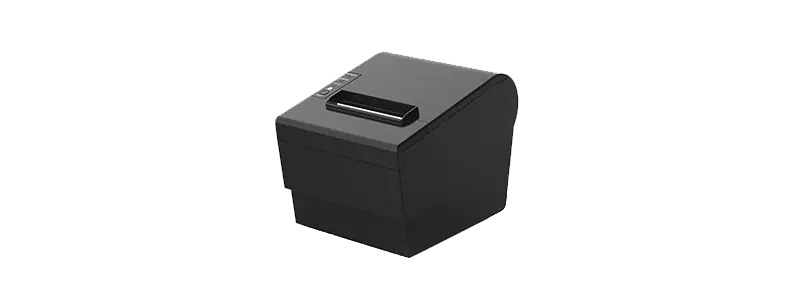
Compact 2-inch 58mm desktop POS bill device ideal for receipts, ticketing, and invoices.
Read More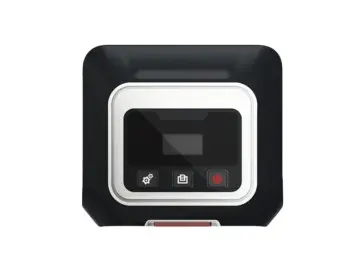
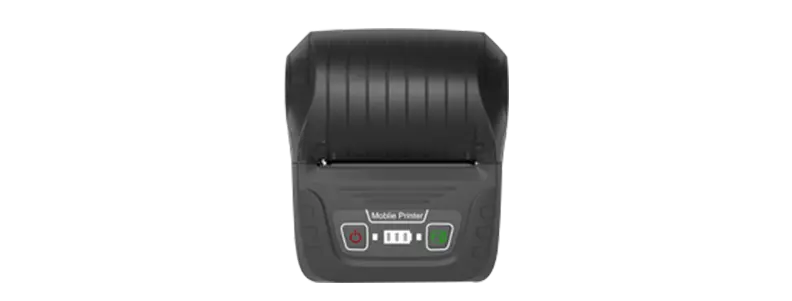
3-inch 80mm mobile design, lightweight layout, built for express shipping and parcel sorting.
Read More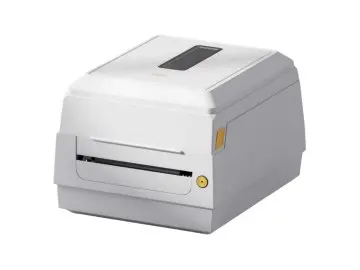
Supports dual printing methods. Easily switch between direct thermal and thermal transfer.
Read MoreAn in-depth look at engineering requirements, power considerations, and control interface layers.
Successfully integrating a micro-thermal printer mechanism into a terminal casing requires precise alignment of electrical and physical systems. System designers must match mechanism ratings with the host terminal's power supply and logic boards.
Micro-thermal printheads typically operate on dual power lines: a low-voltage logic line (typically 3.3V or 5V) and a higher voltage drive line (7.2V to 24V). During peak printing density (when printing solid black barcodes or graphic logos), the current draw can spike significantly. If the terminal power supply drops below the threshold, it causes faint printing and system stability issues. Our engineers configure internal capacitor arrays to smooth out these power demands.
To keep printing quality consistent, mechanisms require integrated thermistors to monitor head temperature. High-speed printing raises the head temperature; if it exceeds safe limits, the control firmware pauses operation to prevent thermal damage. Mechanical design must also include sensors to monitor printhead position (platen-open detection) and feed conditions (photoelectric paper sensors).
Technical guidance and integration advice directly from the OPOS engineering team.
Stay Informed: Discover the Latest Updates and Insights from Our Team.
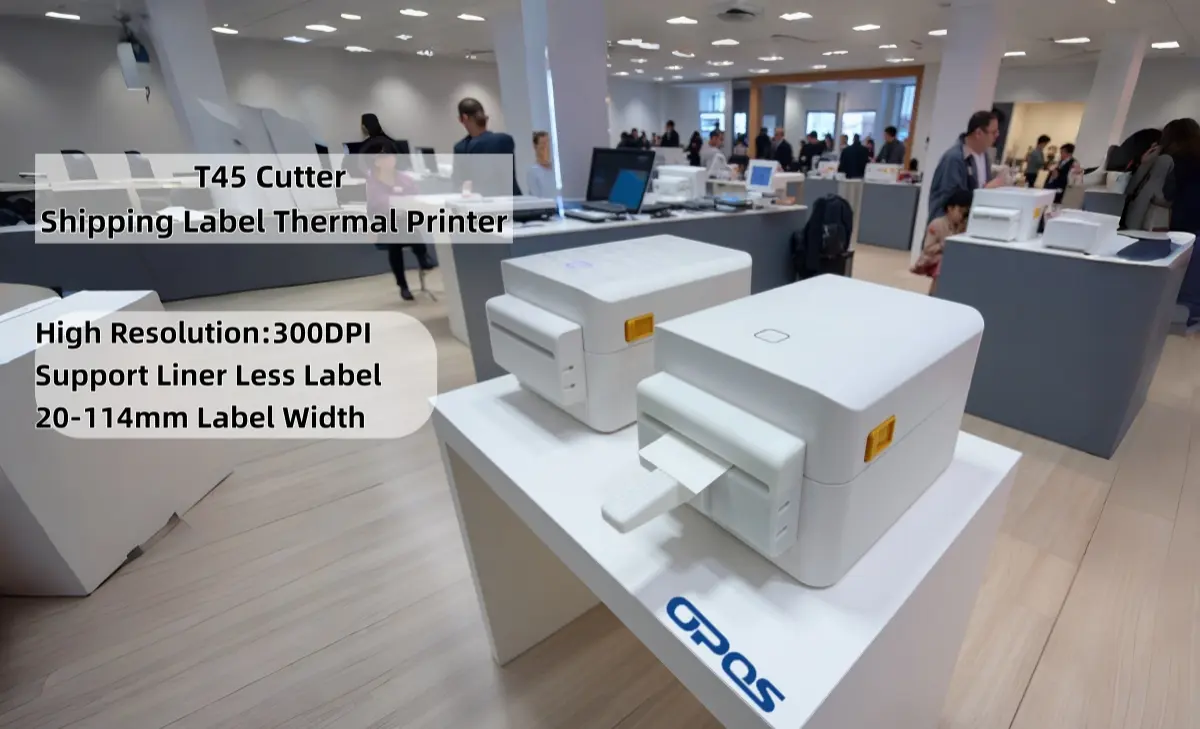
Xiamen OPOS is proud to release its newest high-density print mechanism, designed to provide ultra-clear barcode rendering for retail and medical applications.
Read More →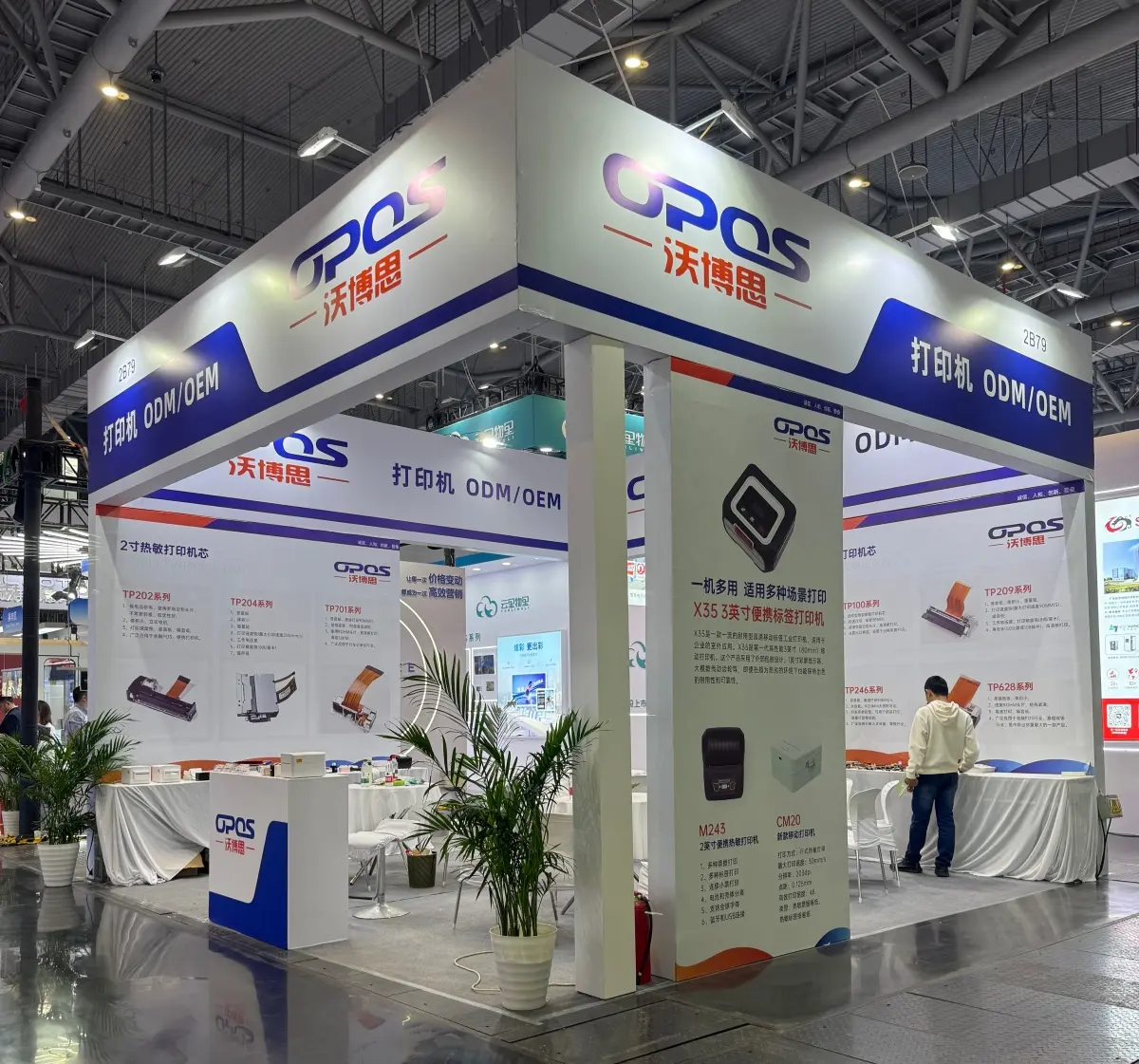
We presented our latest direct thermal POS systems and modular kiosk printers at the recent Chinashop Exhibition, highlighting our OEM design capabilities.
Read More →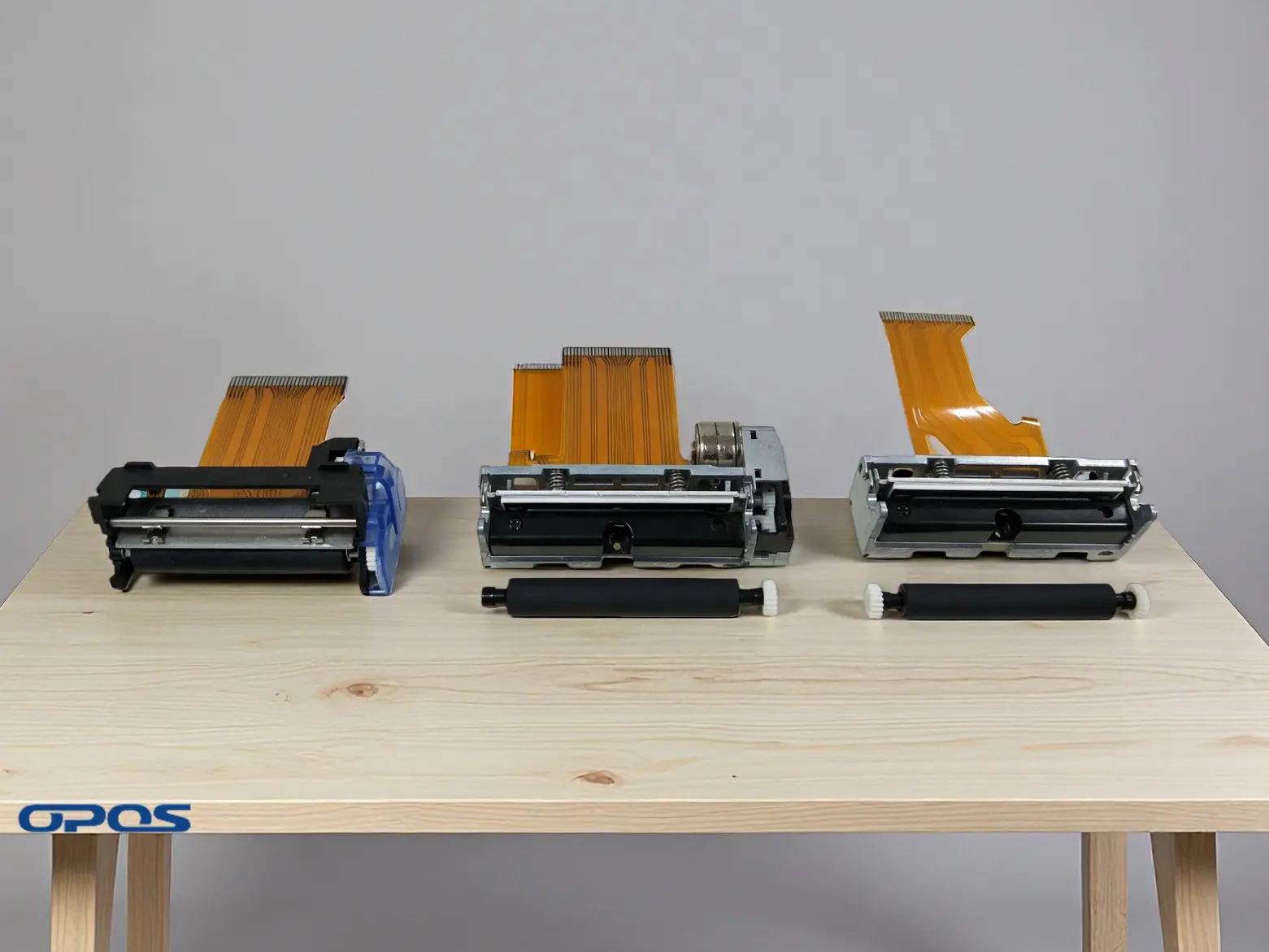
A technical look at the printhead components, drive rollers, and stepper motors that form the core engine of modern thermal printing systems.
Read More →