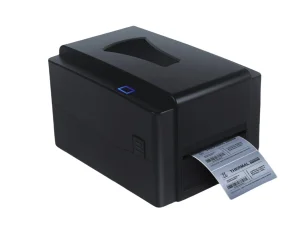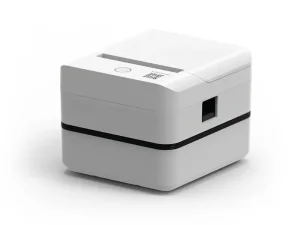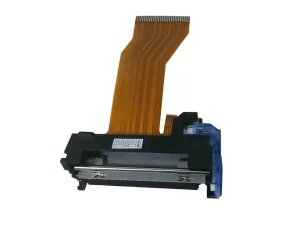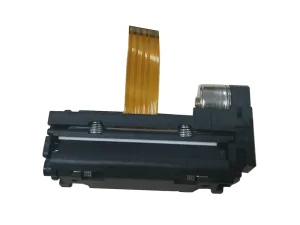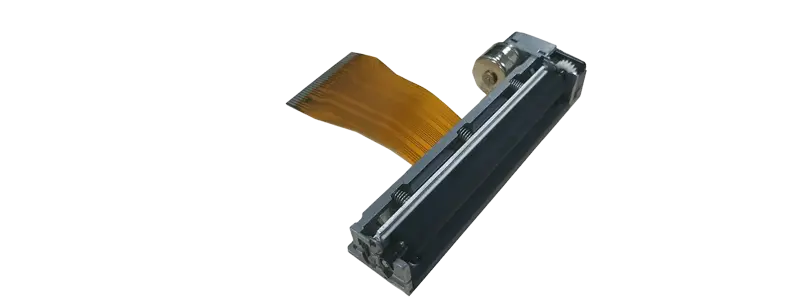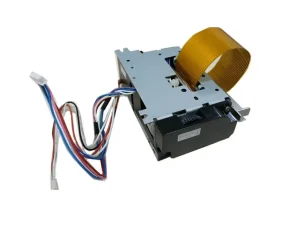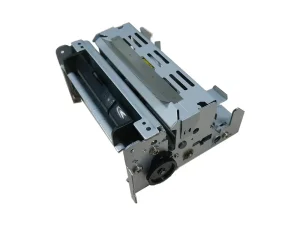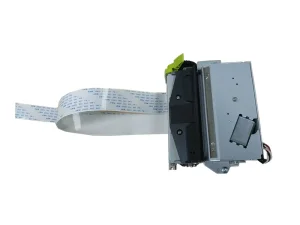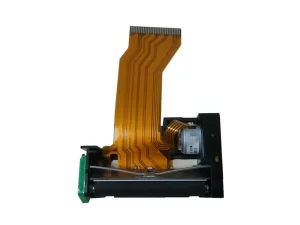
Explore our high-performance integrated components designed for industrial kiosks, POS systems, and medical units.
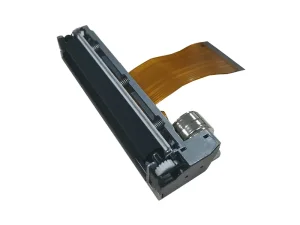
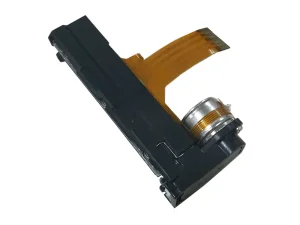
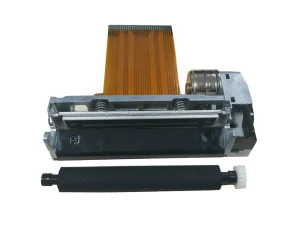
While thermal printing dominates high-speed POS receipt applications due to its quietness and maintenance-free design, dot matrix printer mechanisms maintain an irreplaceable foothold across global industrial infrastructure. Dot matrix technology, relying on physical impact to transfer ink from a ribbon to media, represents the gold standard for applications requiring permanent record-keeping, multi-part carbon copy documents, and operation under extreme environmental conditions.
Unlike thermal paper, which degrades under heat, light, and friction, impact-printed documents are practically archival. Key drivers keeping impact mechanisms at the core of global industry procurement include:
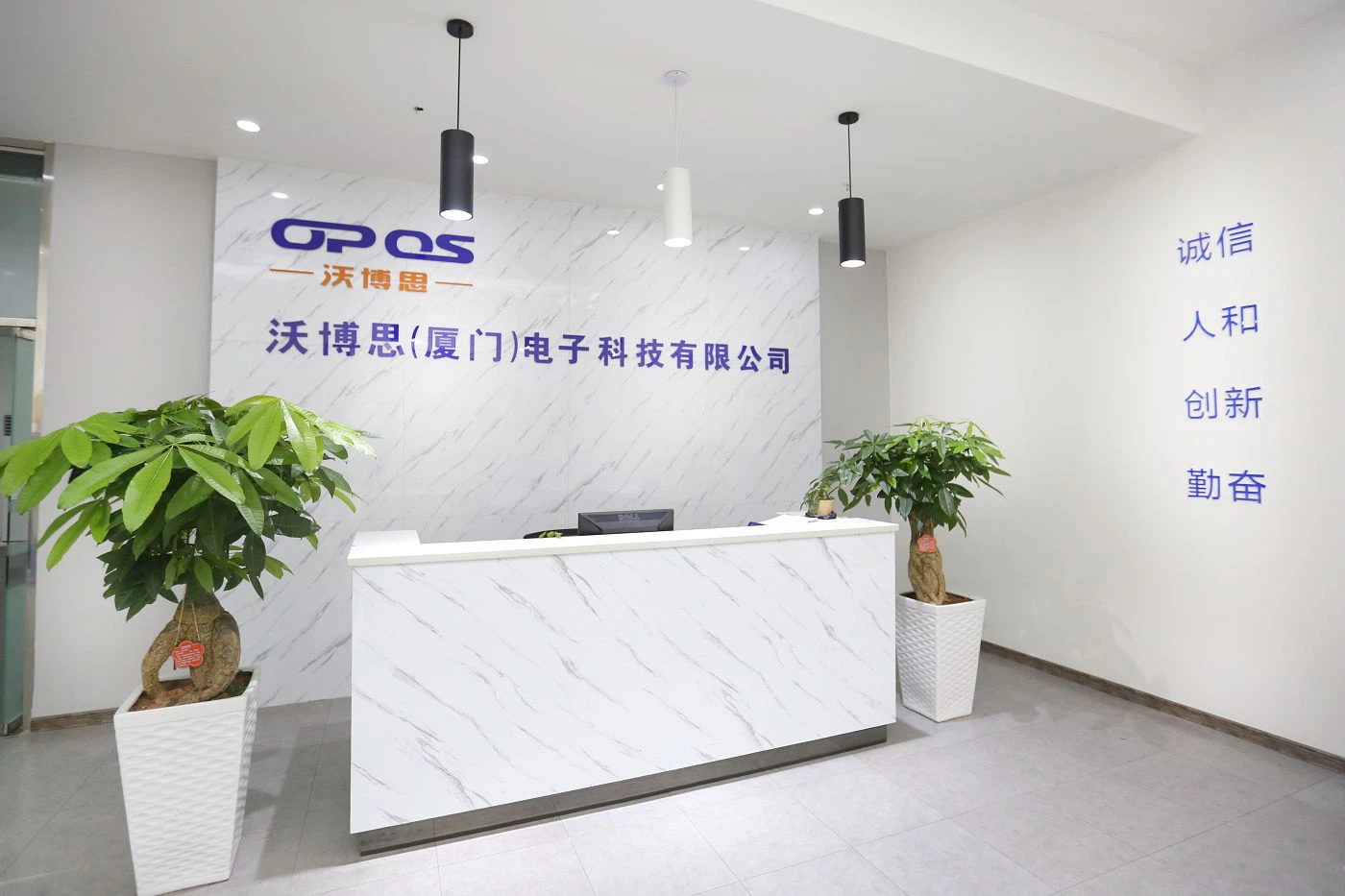
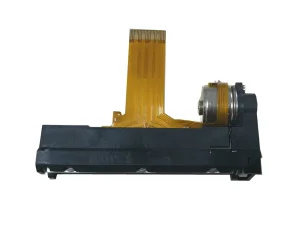
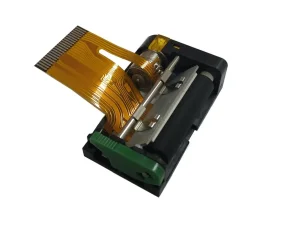
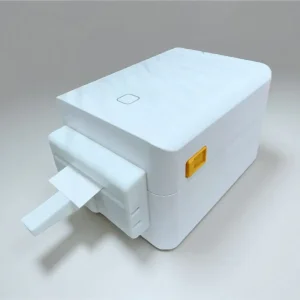
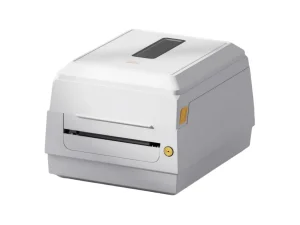
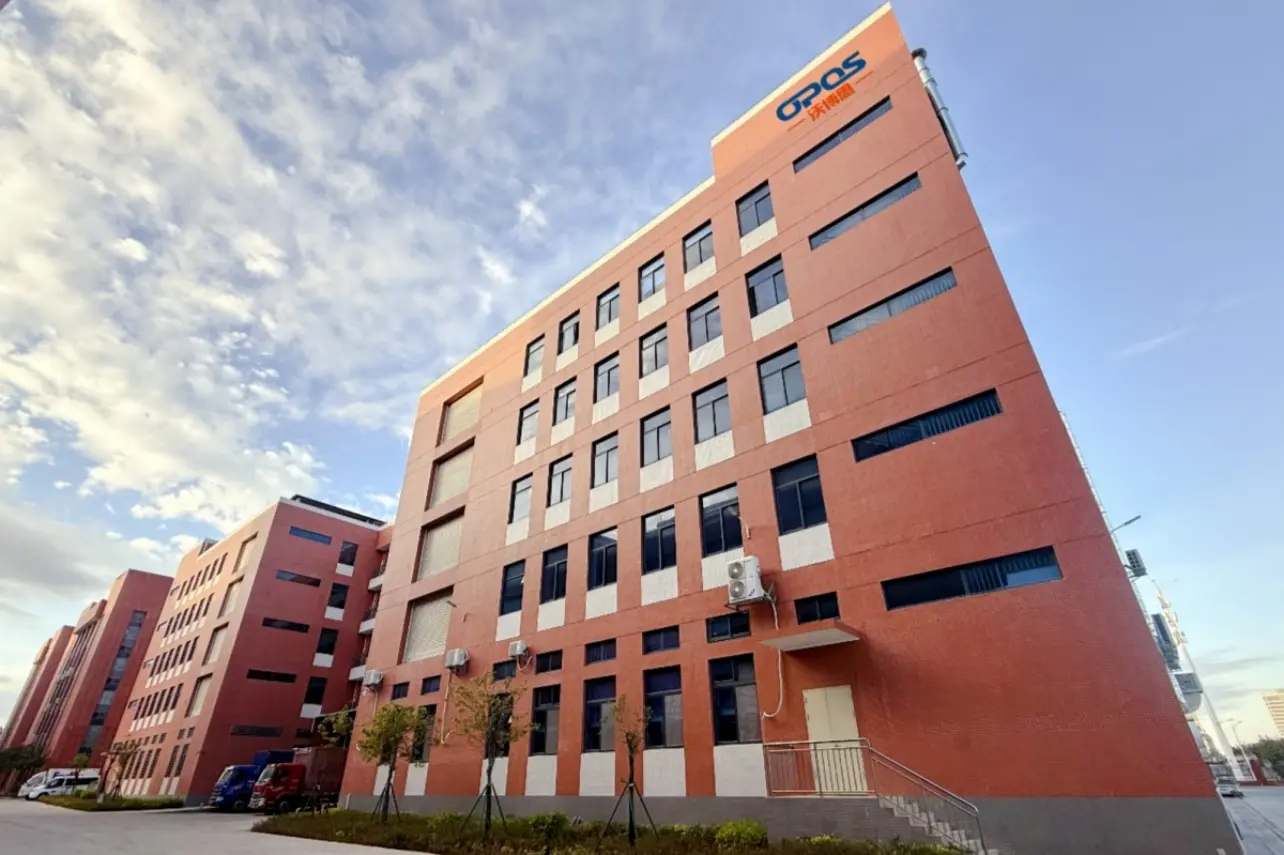
Established in 2005 and headquartered in Xiamen, Fujian Province, China, OPOS (Xiamen) Electronic Technology Co., Ltd. stands as an early pioneer in the design and production of printer mechanisms. Through decades of dedicated research and development, we have established a state-of-the-art manufacturing facility specialized in producing high-performance thermal printer mechanisms, POS receipt printer modules, mobile and label printer components, and heavy-duty dot matrix heads.
As a certified high-tech enterprise, we integrate design, component production, firmware development, and strict quality control loops to deliver tailored printing solutions to partners across more than 20 countries.

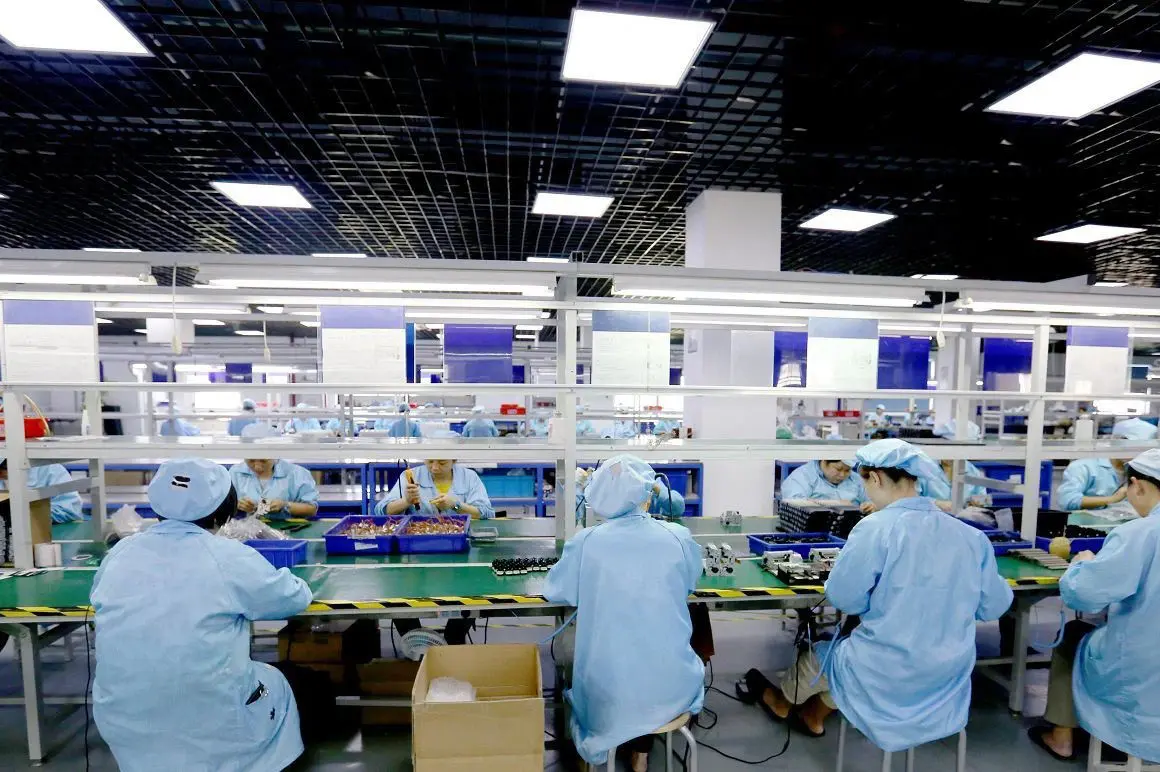
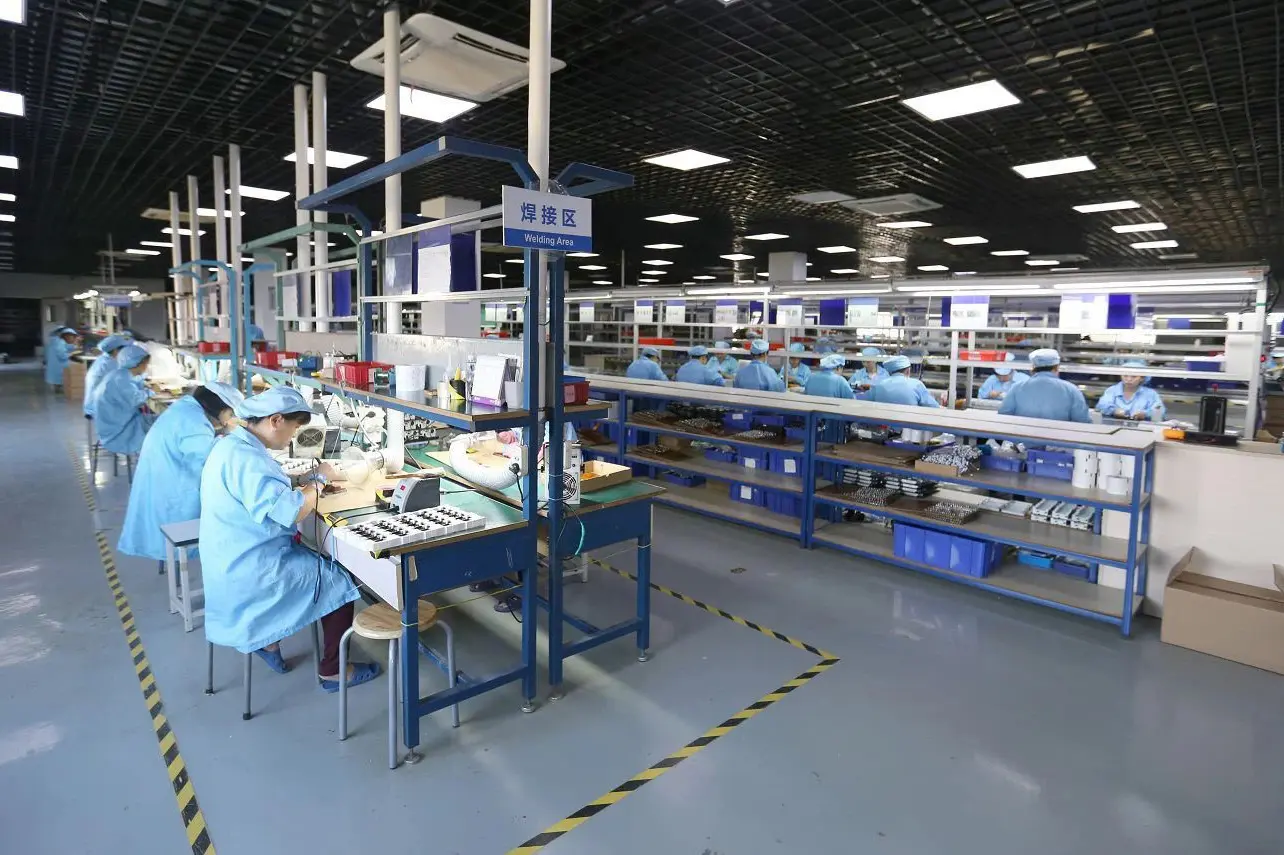
Engineered for high reliability, precise media feeding, and seamless system integration.
For global OEMs, engineering leads, and supply chain managers, selecting the right printing mechanism is not merely about cost; it is about mitigating the cost of downtime and field failure. Integrating an impact or thermal mechanism into complex kiosks, gaming hardware, medical monitoring consoles, or weight scale indicator systems requires deep engineering alignment.
Our clients leverage our technical resources to analyze variables that directly impact performance:
Modern processing lines, banking terminals, and retail hubs are rapidly changing, driving demands for multi-modal printer designs. OPOS has led the industry by offering mechanisms designed with compact footprint configurations that physically match traditional industry standards (e.g., compatible with APS or Seiko lines) while delivering upgraded mechanical robust.
Our R&D department collaborates directly with clients to supply bespoke mounting brackets, auto-cutter integrations, and custom gears that ensure high torque and smooth paper tracking even when media is rolled on oversized spools.
Uncompromising quality, robust engineering support, and streamlined logistics.

We tailor mechanical designs, driver board layouts, and firmware libraries to adapt to proprietary systems and legacy terminal parameters.

With dozens of active utility patents, we control the entire intellectual pipeline, bringing rapid technology upgrades directly to our production lines.

Our dedicated applications support engineers resolve mechanical alignment challenges and firmware driver conflicts during integration.

We stand behind our production quality with a robust 12-month technical warranty and complete lifecycle availability for replacement components.
Operational reliability in key segments where print failure is not an option.





From strategic engineering consulting to global shipping execution, we manage every detail.

Consulting & Specifications Alignment

Engineering & Custom Board Design

Rapid Prototyping & Integration Testing

Mass Production & Strict Quality Auditing

Quality Verification & Final Acceptance

Global Shipping & Logistics Management
Selling electronic printing devices internationally demands deep respect for localized certification standards and regulatory frameworks. At OPOS, our complete line of mechanisms undergoes rigorous testing routines to ensure trouble-free integration into systems built for regions such as the European Union, the Americas, and Southeast Asia.
Our active compliance protocols include:
The future of industrial printing is defined by energy optimization, compact packaging, and smart diagnostic capabilities. OPOS is actively designing mechanisms featuring dynamic thermal management algorithms that continuously adjust printhead energy input based on environmental temperature variables. This drastically extends the life of physical components while lowering operational energy profiles.
Furthermore, our engineers are targeting next-generation, high-performance dot matrix designs that combine compact physical geometries with upgraded striking-force control. This enables lighter, portable impact terminals to handle thick multi-layer shipping waybills and financial transaction receipts effortlessly.
Stay up to date with printer mechanism developments, trade exhibitions, and mechanical insights.
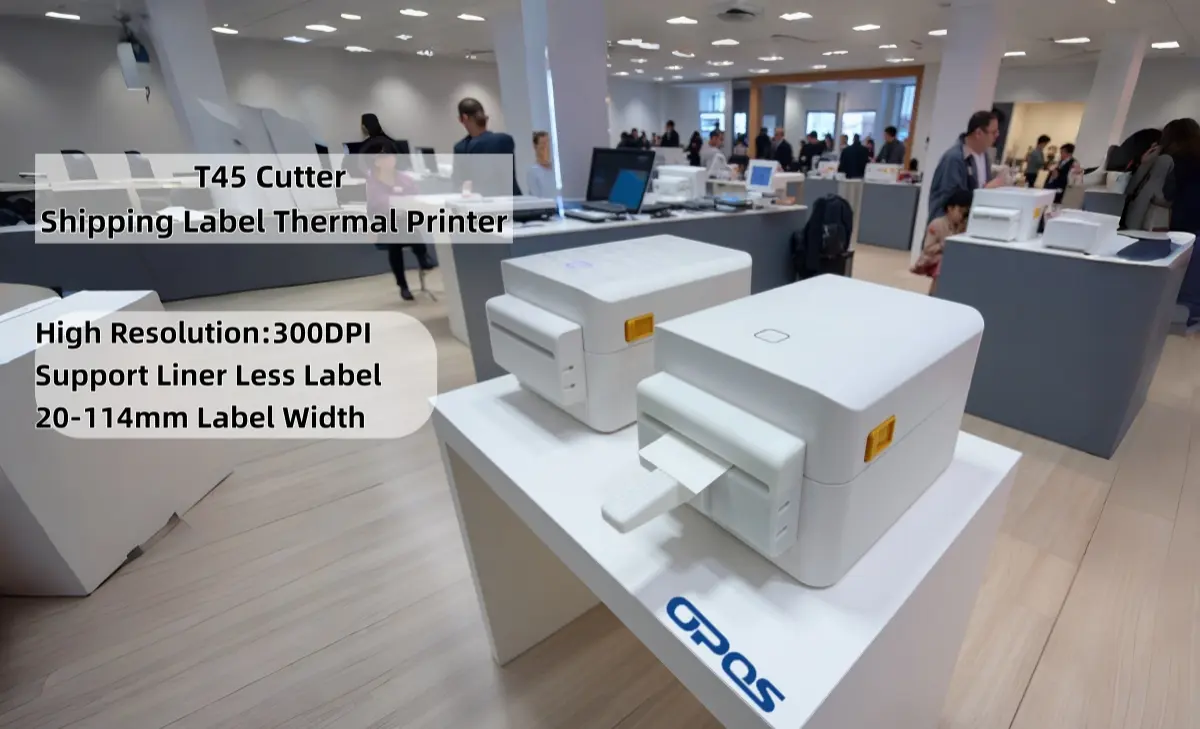
At Xiamen OPOS Printer, we are thrilled to announce the launch of our latest innovation: a high-density thermal printhead designed for ultra-reliable industrial applications...
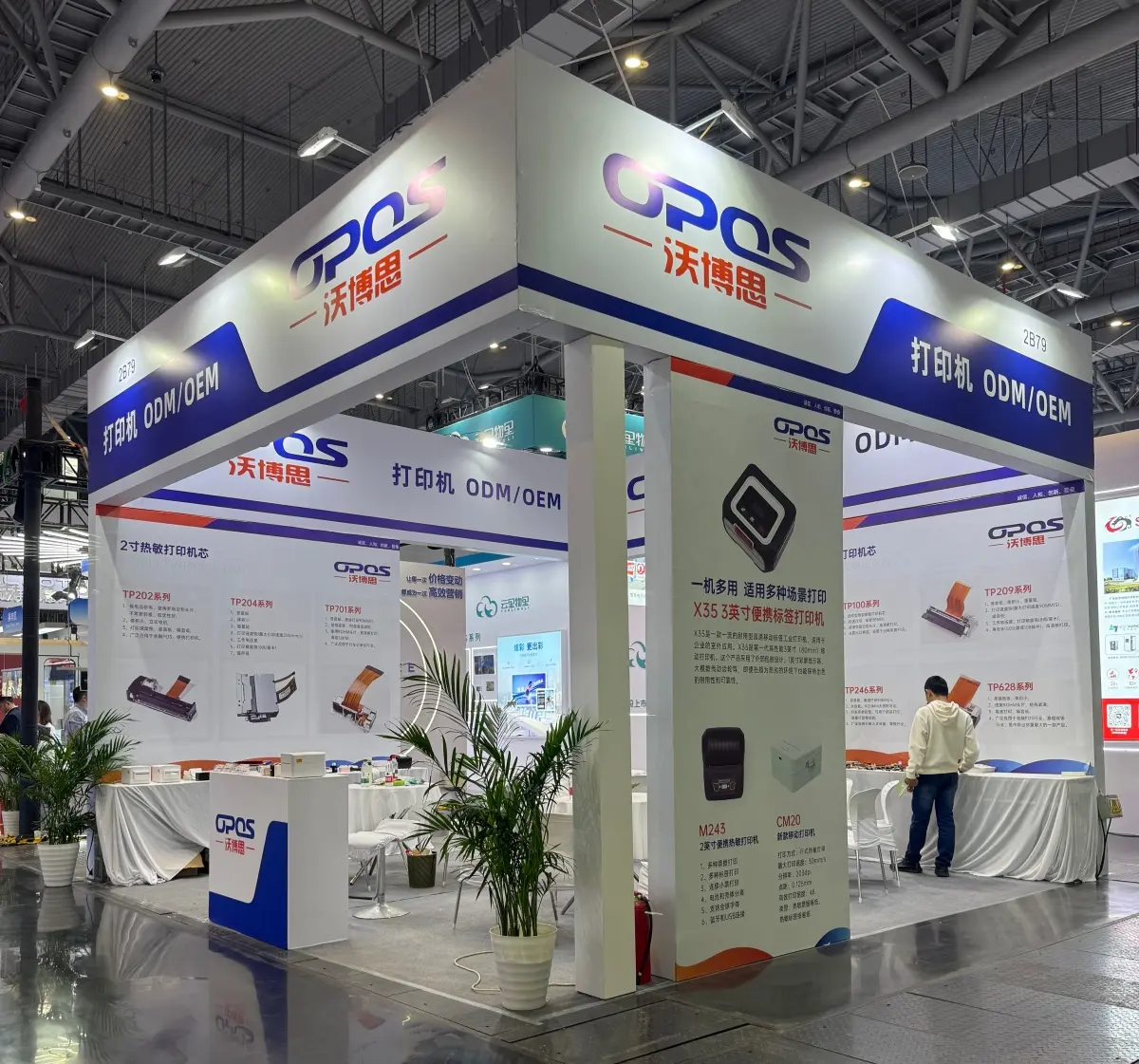
We are excited to share that OPOS Printer recently participated in the ChinaShop Exhibition, demonstrating our commitment to reliable retail hardware...
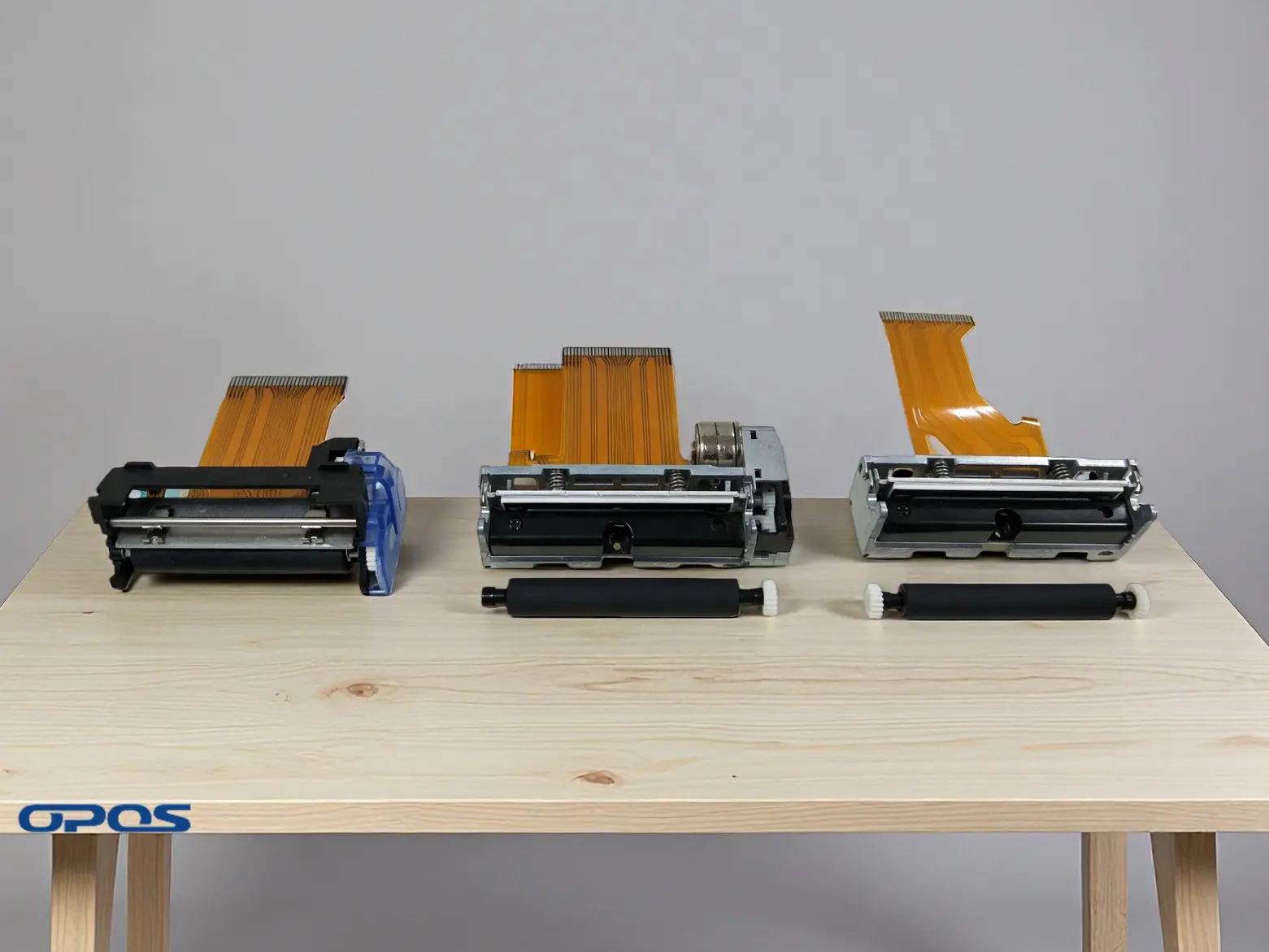
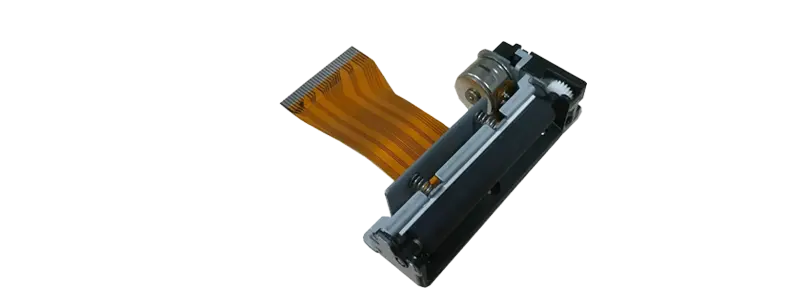
A thermal printhead, also known as a thermal printer mechanism, is the core component of a thermal printer. Learn how heating elements interact with specialized media to produce images...
Technical guidance from our R&D engineering leads regarding mechanism selection and integration.
Dot matrix printer mechanisms use metal pins that physically impact an inked ribbon against paper. This structural impact enables multi-ply carbon copies (e.g., delivery slips or bank drafts) and produces output that resists environmental heat. Thermal mechanisms use electrical resistors to apply heat directly to chemically treated paper, offering faster, quieter printing but lacking multi-ply capability and long-term chemical durability.
Drop-in mechanical compatibility depends on three critical parameters: physical physical dimensions (including mounting point alignment and paper path entrance offsets), electromechanical specifications (stepper motor voltage, resistance, and printhead connector pinouts), and software control parameters (driver commands, ESC/POS compliance, or proprietary protocol support).
Yes, our vertical integration enables customization across mechanical structures, control boards, and firmware profiles. We modify gear ratios to increase torque, adjust auto-cutter profiles to handle heavy cardstocks, and customize firmware to support specialized character sets, barcode formats, and industrial protocols.
We follow strict ISO9001 quality management procedures. Every raw material batch is cataloged upon receipt. During manufacturing, components undergo automated visual inspection, functional stress testing, and driver verification. Final products receive individual serial designations to track material and assembly parameters.
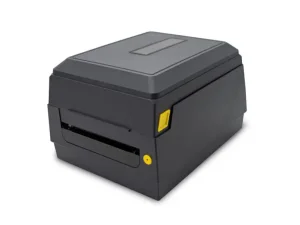
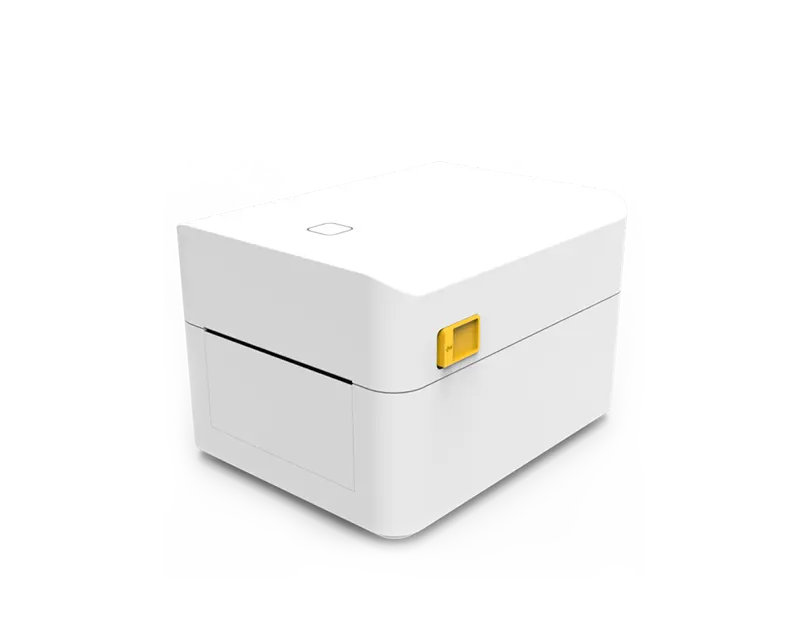
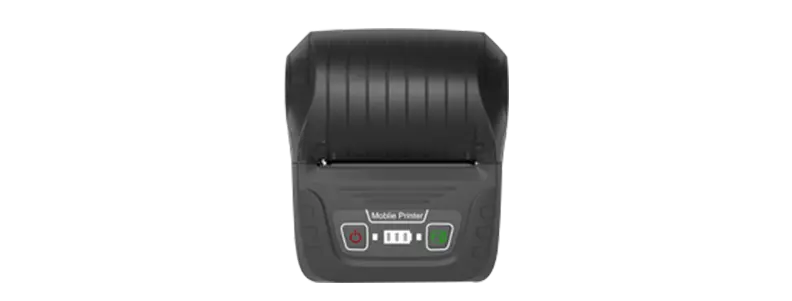
Examine our thermal transfer, portable barcode, and specialty high-reliability printer mechanisms.