
High-durability hardware components engineered for seamless integration into Korean industrial and retail environments
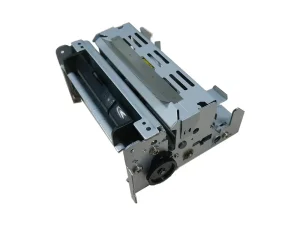
High-precision printing system offering robust thermal transfer execution for Korean POS networks.
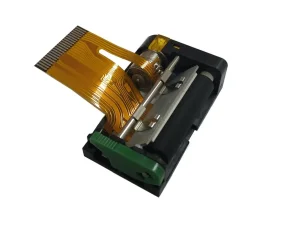
Ultra-compact mechanism design offering fully compatible APS MP105 architecture for industrial kiosk installations in Korea.
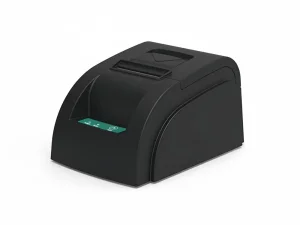
Heavy-duty POS print terminal optimizing transaction speed and print clarity in high-volume hospitality venues across Seoul.
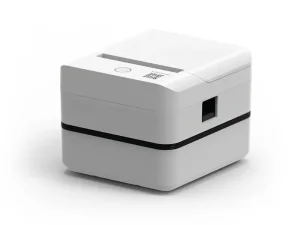
Mobile printing marvel integrating seamless Bluetooth connectivity for Korean smart-logistics and parcel delivery agents.
South Korea stands as a global beacon for high-tech manufacturing, automobile production, heavy chemicals, and smart logistics. Despite widespread digitalization, physical records remain vital in various operational segments. The demand for dot matrix printer mechanisms within the Korean market is characterized by a reliance on heavy-duty, high-speed, and low-maintenance solutions.
In Korea’s bustling logistics hubs, such as CJ Logistics and Coupang fulfillment centers, delivery receipts and customs declarations must be generated in multi-part forms. Dot matrix mechanisms provide the unique physical impact capability to penetrate multi-copy carbon papers in a single print run, creating duplicate records for shippers, customs, and carriers. Furthermore, the banking infrastructure across South Korea’s financial districts (such as Yeouido in Seoul) continues to rely on high-precision dot matrix impact printheads for passbook validation and secure financial audit trails that resist tampering.
Industrial settings across industrial complexes in Gyeongsang and Gyeonggi provinces require printing technologies that withstand ambient temperature fluctuations, dust, and humidity. While thermal paper degrades rapidly under thermal stress, impact dot matrix print outputs remain stable for decades, satisfying the strict requirements of Korean public archives and compliance regulations (such as those monitored by the Ministry of Interior and Safety).
For Korean OEMs and system integrators, sourcing dot matrix printer mechanisms from China represents a strategic balance of cost efficiency, manufacturing scale, and collaborative engineering. Xiamen OPOS Electronic Technology Co., Ltd. (OPOS) is a pioneer in this supply chain corridor. Established in 2005 and situated in Xiamen, China, OPOS maintains a state-of-the-art 5,000 m² factory equipped with automated assembly and rigorous testing benches.
The competitive advantages of Chinese manufacturing in the micro-printing sector include:
The global dot matrix and micro-printer market is evolving to meet modern connectivity standards. Traditional parallel interfaces are giving way to USB, Ethernet, and wireless protocols like Bluetooth and Wi-Fi. In Korea's automated manufacturing sectors, print mechanisms are now treated as IoT edge devices. They report system metrics (such as ribbon wear, printhead temperature, and paper-low sensors) directly to central ERP networks.
Another notable trend is the convergence of impact and thermal technologies. Many logistics networks deploy dual systems where thermal printers handle short-lived external shipping labels, while dot matrix units generate long-term compliance records. Energy efficiency is also key. Modern dot matrix printheads require less stand-by power, aligning with green policies like Korea's Net-Zero emission initiatives.
To understand the utility of these mechanisms, we can examine their implementation in key Korean business contexts:
Korean logistics centers process millions of packages daily. A typical cargo receipt requires three copies: one for the warehouse manager, one for the driver, and one for the recipient. Impact mechanisms print these multi-part documents concurrently, reducing printing time and cost-per-page compared to multiple individual print cycles.
Korean retail banking relies on physical passbooks. A specialized dot matrix mechanism with vertical paper feed alignment handles these books. Magnetic ink character recognition (MICR) capabilities are often integrated, allowing the mechanism to print transaction ledgers directly into bankbooks with high placement precision.
Medical institutions require printed records that resist chemical exposure and autoclaving. Impact print output on woodfree paper remains legible under exposure to alcohols, heat, and moisture, where thermal paper would darken or fade.
When Korean electronics corporations (such as LG, Samsung, or Posco affiliates) source print mechanisms, their evaluation matrix centers on performance, durability, and integration. Key metrics include:
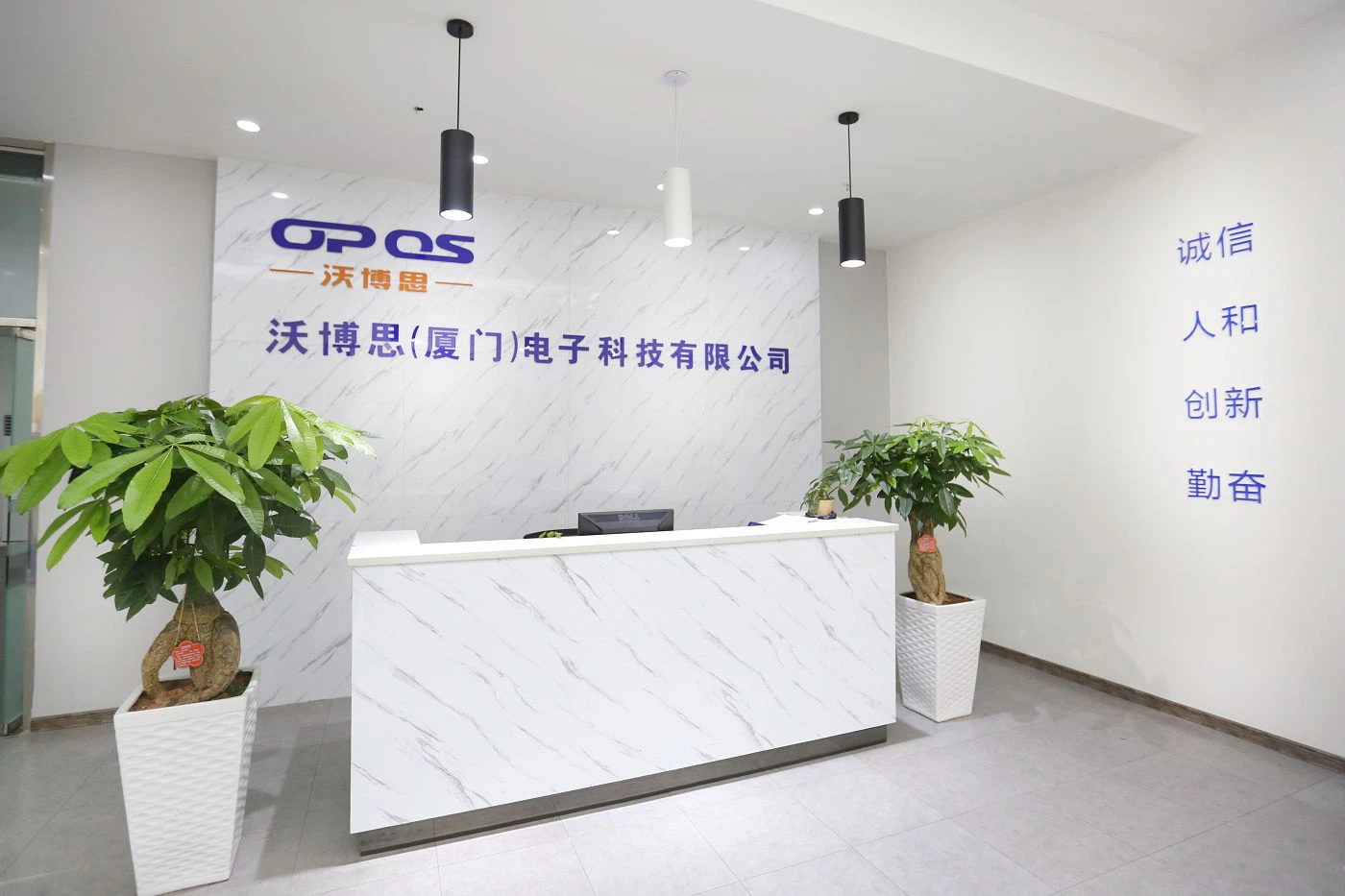
OPOS (Xiamen) Electronic Technology Co., Ltd. was established in 2005 and is located in Xiamen, Fujian Province, China. It is one of the early domestic printer mechanism factories and a pioneer in the research and development of dot matrix printer mechanisms.
As a high-tech enterprise, OPOS professionally designs, manufactures, and sells thermal printers, POS printer mechanisms, label/receipt printer mechanisms, dot matrix printer mechanisms, and cutter components. We offer customized OEM and ODM solutions to meet the specific requirements of our clients worldwide.
Why leading global manufacturers choose OPOS

We provide customized thermal and dot matrix printer mechanism designs tailored to your hardware and software specifications.

Our engineering teams develop hardware, firmware, and mechanical systems in-house to ensure design flexibility and performance control.

Our technical support team assists you from early design and prototype phases through production and final system integration.

We provide a 12-month quality warranty alongside long-term parts supply and technical assistance to ensure product reliability.
From Consultation to Mass Production and Quality Check
Analyzing your local market demands, target applications, and technical specifications to build a product development roadmap.
Developing matching firmware, specialized physical layouts, and custom interface options to suit your system requirements.
Creating high-precision prototypes and testing them under simulated field conditions to verify reliability and thermal tolerance.
Leveraging our automated assembly lines and cleanrooms in Xiamen for volume production with consistent product quality.
Testing each mechanism for pin alignment, stroke force, and logic board functionality prior to custom packaging.
Offering convenient shipping and customs clearance support to major Korean ports like Incheon and Busan.
Reliable printing solutions across Korea's commercial and industrial sectors





Technical innovations and updates from the OPOS engineering team
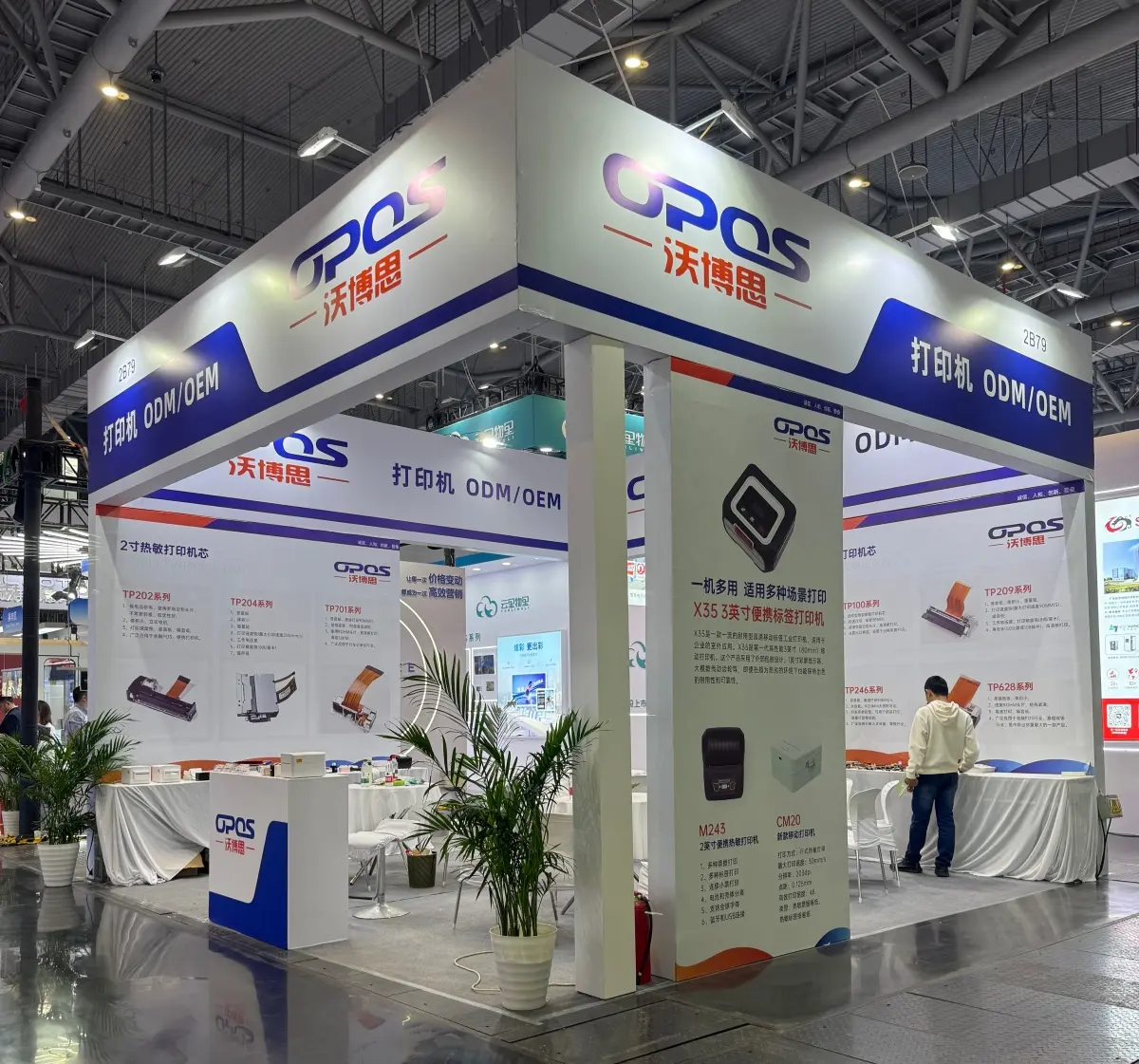
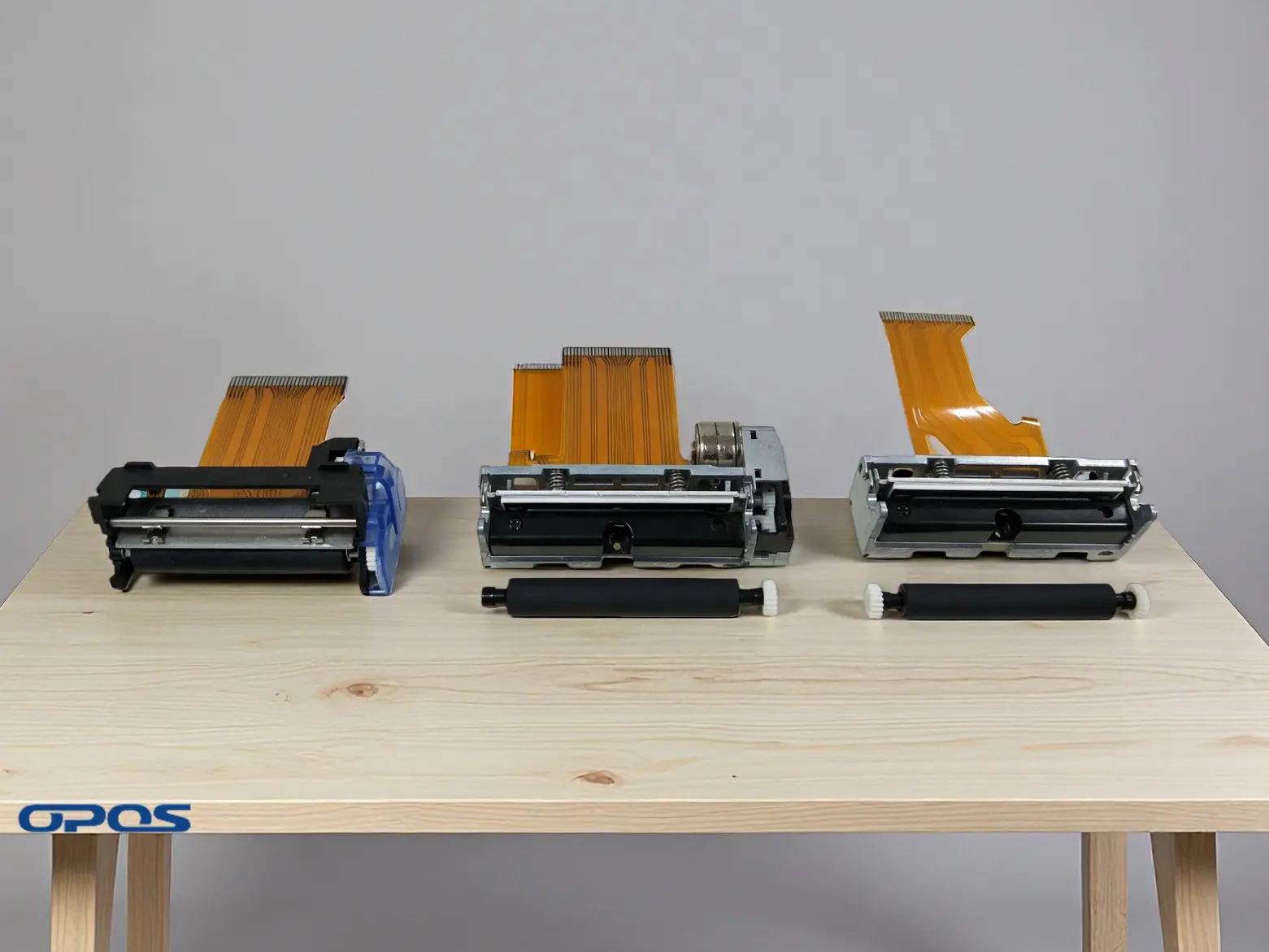
Addressing common queries regarding dot matrix and thermal print mechanisms
A comprehensive selection of print mechanisms and thermal transfer label printers
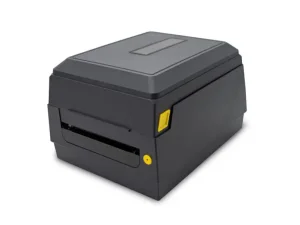
A heavy-duty label printer designed for high-resolution barcode printing in Incheon e-commerce hubs.
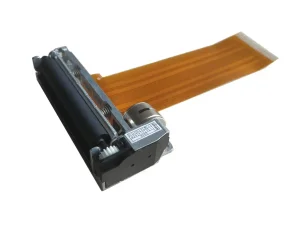
A compact thermal mechanism designed to replace Fuji FTP-628MCL101 modules in Korean ticketing kiosks.
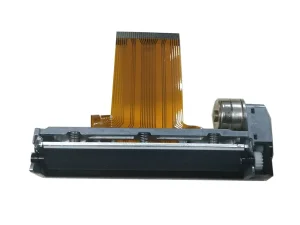
Highly integrated printhead offering drop-in compatibility for Fujitsu FTP-638MCL103 installations.
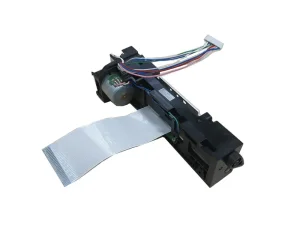
A durable, high-speed thermal mechanism designed for automated ticketing terminals.
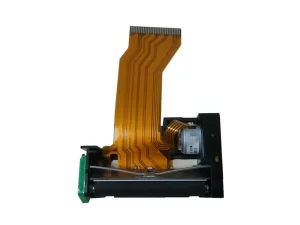
High-speed print mechanism compatible with APS MP208-HS protocols for mobile POS integration.
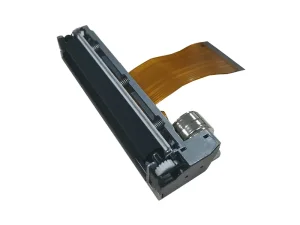
An industrial-grade thermal mechanism offering drop-in compatibility for Fujitsu FTP-638MCL101 systems.
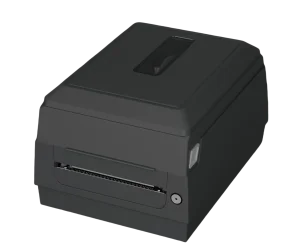
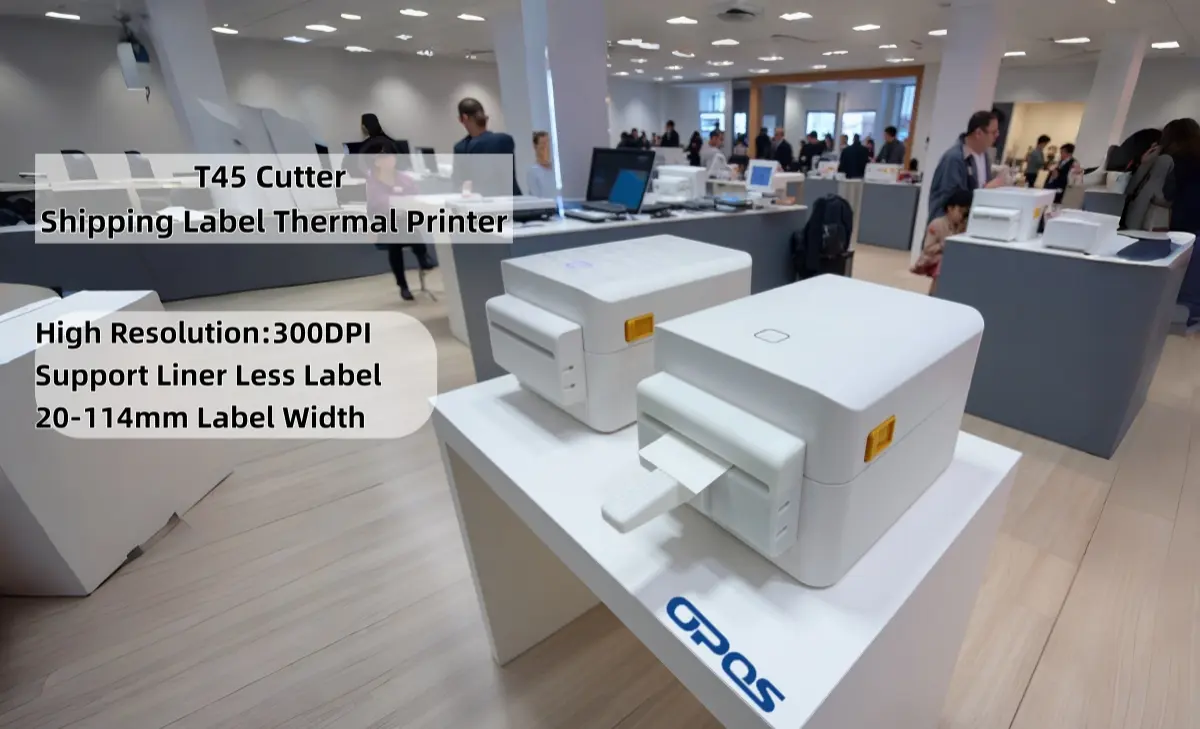
A desktop thermal transfer printer optimized for shipping label production in Korean fulfillment facilities.
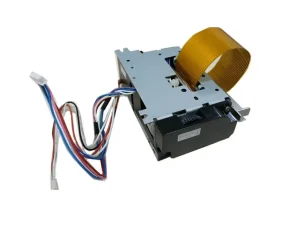
A high-performance thermal mechanism designed for automated queue management systems.
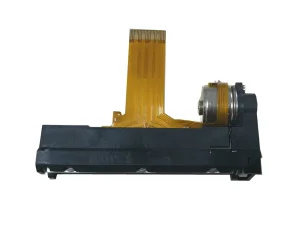
A versatile thermal mechanism designed for POS printers and mini-receipt terminals.
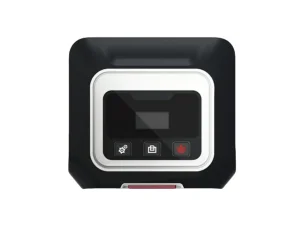
A portable Bluetooth label maker designed for dynamic delivery and dispatch operations.
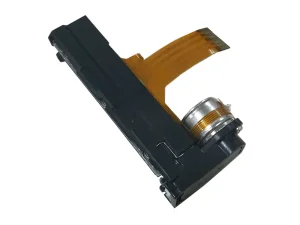
A compact thermal mechanism offering drop-in compatibility with Seiko LTP02-245LV systems.
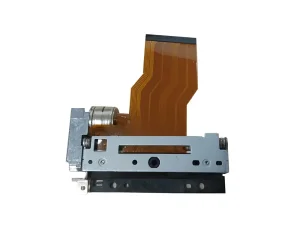
Horizontal print configuration offering full compatibility with Seiko LTPD245 interfaces.